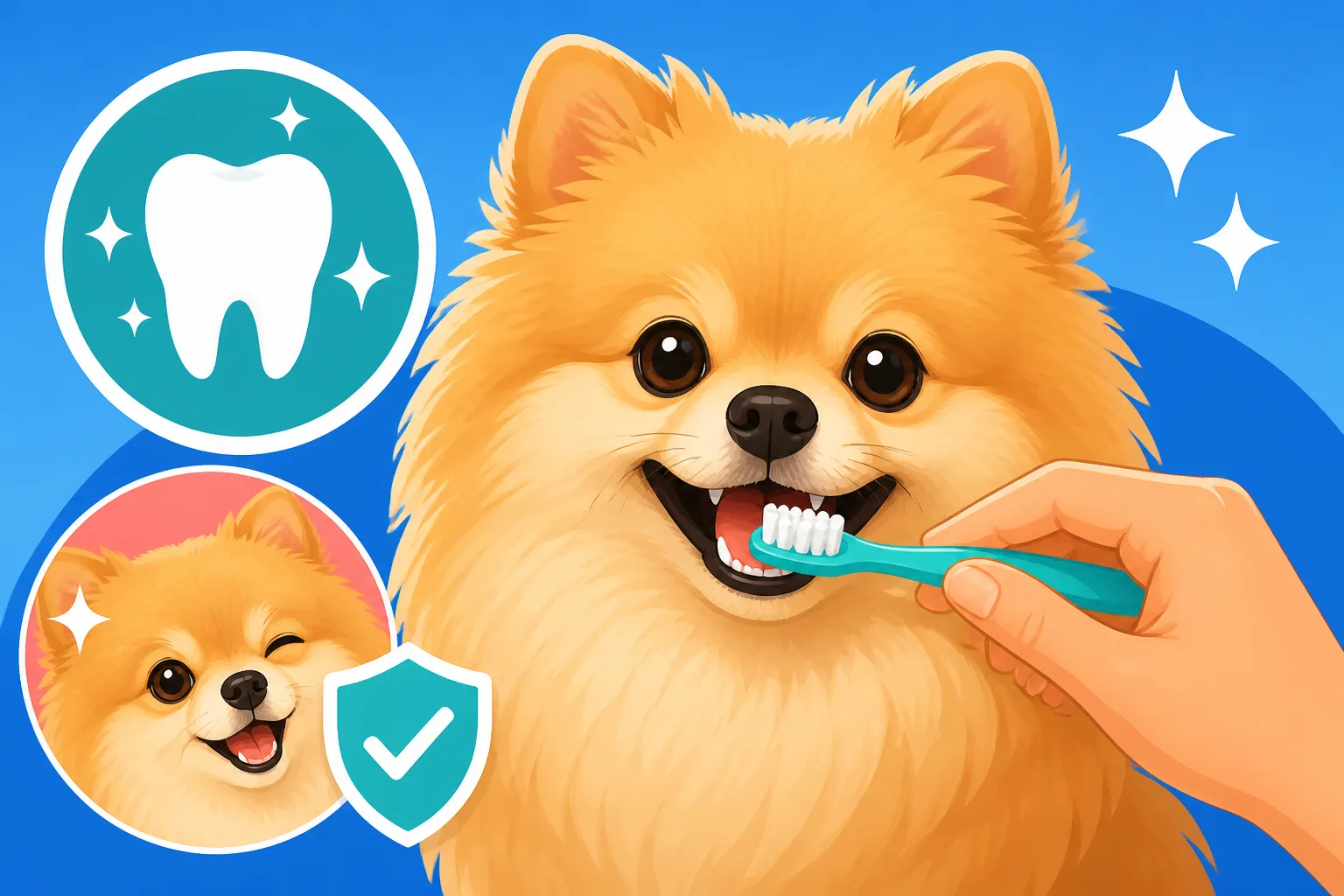
Brushing a Pomeranian’s Teeth Every Day
It's incredibly frustrating when you notice your sweet Pomeranian's breath turning less-than-sweet, often accompanied by a tinge of worry about what might be going on inside their tiny mouth. Many of us struggle with finding the time or the right technique to tackle our small companions' dental health effectively. This comprehensive guide is here to walk you through the why and how of daily tooth brushing for your Pomeranian, ensuring their sparkling smile stays healthy for years to come.
Why Daily Brushing is Non-Negotiable for Pomeranians
When it comes to dental health, Pomeranians, like many small breeds, often get the short end of the stick. Their adorable, compact size comes with a predisposition to significant oral health challenges that can quickly escalate if not addressed with consistent, proactive care. Thinking that occasional brushing or dental treats are enough is a common misconception, but for a Pom, it's simply not the case.
Understanding Pomeranian Dental Anatomy
Take a peek into your Pomeranian's mouth, and you'll quickly notice something crucial: there's a lot going on in a very small space. Poms have 42 adult teeth, just like much larger dogs, crammed into a tiny jaw. This crowding isn't just an aesthetic quirk; it's a major risk factor for dental disease. When teeth are packed together, they create minuscule crevices and overlapping surfaces that are incredibly difficult for natural chewing action, or even a casual wipe, to clean. Food particles, plaque, and bacteria find perfect little hideaways in these tight spots, setting the stage for tartar accumulation.
Furthermore, many Pomeranians, especially as puppies, retain their baby teeth long after their adult teeth have erupted, a condition known as persistent deciduous teeth. This further exacerbates the crowding issue. Imagine trying to keep your own teeth clean if you had a double row! This is why addressing issues like The Baby Canines a Pomeranian Fails to Lose is so critical, often requiring veterinary intervention. Without diligent home care, these anatomical quirks almost guarantee rapid plaque and tartar buildup.
The Rapid Progression of Dental Disease
In a Pomeranian's mouth, dental disease doesn't just creep in; it often sprints. Plaque, a sticky film of bacteria, forms on teeth within hours after eating. If not removed, plaque mineralizes into hard tartar within 24-72 hours. Once tartar forms, you can't brush it off; it requires professional scaling under anesthesia. This process begins almost immediately, which underscores why daily brushing is so vital for preventing it.
The tartar then irritates the gums, leading to gingivitis – inflammation and redness that can make brushing uncomfortable and even painful. If gingivitis is left unchecked, it progresses to periodontitis, a far more serious condition where the inflammation spreads below the gum line, damaging the supporting structures of the tooth. This leads to bone loss, painful abscesses, and eventually, tooth loss. And because their jaws are so small and delicate, advanced dental disease can even weaken the jawbone, making it susceptible to fractures. This rapid progression is a stark reminder of why Why a Pomeranian's Teeth Crowd and Rot is such a pervasive issue.
Systemic Health Impacts of Poor Oral Hygiene
It’s easy to view dental problems as confined to the mouth, but in reality, untreated dental disease can have profound systemic effects on your Pomeranian's overall health. The bacteria that thrive in plaque and tartar don't just stay in the mouth. They can enter the bloodstream through inflamed gums, traveling to vital organs like the heart, kidneys, and liver. This can lead to serious secondary infections or exacerbate existing conditions. For example, bacterial endocarditis, an infection of the heart valves, has been linked to severe dental disease.
Chronic inflammation from dental disease also places a constant strain on the immune system, diverting resources that could be used to fight other illnesses. Many owners report a noticeable improvement in their Pomeranian's energy levels and general well-being after a thorough dental cleaning, simply because their body is no longer fighting a constant battle against oral bacteria. Therefore, daily brushing isn't just about fresh breath; it's a cornerstone of preventative health care that contributes to a longer, healthier life for your beloved Pom.
Assembling Your Pomeranian's Daily Dental Arsenal
You wouldn't try to paint a masterpiece without the right brushes, and the same goes for tackling your Pomeranian's tiny teeth. Having the correct tools makes the process smoother, more effective, and far less stressful for both you and your little fluffball. Don't just grab a human toothbrush; Poms need specialized gear.
Choosing the Correct Toothbrush
The most crucial tool in your dental arsenal is the toothbrush itself. For a Pomeranian, size absolutely matters. You need a brush that can comfortably fit into their small mouth and reach all surfaces of their teeth without causing discomfort or gagging. There are generally a few good options:
- Finger Brushes: These slip over your finger and have soft bristles or nubs. They're excellent for puppies or Poms who are very resistant to a traditional brush, as they allow for a gentler introduction to the sensation of brushing and give you direct control and feel for their teeth. Many owners find these on sites like Amazon or at their local pet store.
- Small, Pet-Specific Toothbrushes: These brushes look like miniature human toothbrushes, often with an angled head to better reach the back teeth. They have softer bristles designed for canine enamel. Look for brushes specifically labeled for "toy breeds" or "small dogs." Brands like C.E.T. or TropiClean offer good options often found on Chewy.
- Double-Headed Toothbrushes: Some pet toothbrushes come with two brush heads at different angles, which can be great for cleaning both the inside and outside surfaces of the teeth simultaneously. This can save time and be more efficient if your Pom tolerates it.
Whichever you choose, ensure the bristles are soft to avoid irritating delicate gums. Replace the brush every 3-6 months, or sooner if the bristles become frayed, just like you would with your own toothbrush.
Selecting Safe and Effective Toothpaste
This is a non-negotiable: never use human toothpaste on your Pomeranian. Human toothpaste contains fluoride, xylitol, and detergents that are toxic if swallowed by dogs. Dog-specific toothpaste is formulated to be safe for ingestion and often comes in flavors dogs love, such as poultry, beef, or peanut butter, which can turn brushing into a more palatable experience.
Look for enzymatic toothpastes. These formulas contain enzymes that help break down plaque and bacteria, offering an extra layer of protection even if your brushing technique isn't perfect. Brands like Virbac C.E.T. or Petrodex are widely recommended by veterinarians and readily available from online retailers like Amazon or pet specialty stores. The flavor aspect is more than just a treat; it helps create a positive association, making your Pom more cooperative for future brushing sessions. The Toothpaste to Use on a Pomeranian is always a dog-safe, enzymatic formula.
Other Helpful Dental Aids
While daily brushing is paramount, a few other tools can complement your efforts and contribute to overall oral hygiene:
- Dental Wipes: These are pre-moistened pads that can be wrapped around your finger to wipe plaque from tooth surfaces. They're not a substitute for brushing but can be a good interim solution if you're traveling or if your Pom is particularly resistant to a brush on a given day. They are also helpful for getting puppies used to having their mouths handled.
- Oral Rinses/Water Additives: These products can be added to your Pomeranian's drinking water or sprayed directly into their mouth. They typically contain ingredients that help reduce bacteria and plaque. While they don't remove existing plaque, they can help slow its formation. Always ensure these products are vet-approved and suitable for daily use. Many such products are available on Chewy, offering convenience for busy owners.
- Dental Chews and Toys: We'll delve into these more later, but having appropriate dental chews and toys on hand can provide some mechanical scrubbing action and stimulate saliva production, which helps wash away food particles. However, it's critical to remember these are supplements to brushing, not replacements, especially for a breed so prone to dental issues.
By equipping yourself with the right tools, you're setting yourself up for success in maintaining your Pomeranian's oral health.
A Step-by-Step Guide to Daily Brushing
Brushing your Pomeranian's teeth might seem daunting at first, especially if they're not used to it. The key is patience, consistency, and making it a positive experience. Think of it less as a chore and more as a bonding ritual. With a structured approach, you can transform a challenging task into a manageable daily habit.
Getting Your Pomeranian Comfortable
The foundation of successful daily brushing lies in positive association and gradual introduction. Start slow, even weeks before you introduce a brush.
- Handle Their Mouth Regularly: Gently lift their lips, touch their gums, and briefly touch their teeth with your finger. Do this multiple times a day, for just a few seconds, always followed by praise and a tiny, high-value treat. The goal is to make mouth handling a normal, even pleasant, part of their day.
- Introduce the Toothpaste: Once they are comfortable with mouth handling, let them lick a small dab of dog-specific toothpaste off your finger. The tasty flavor will help create a positive association with the paste itself. Do this for several days.
- Introduce the Brush: After they enjoy the toothpaste, put a tiny amount on the brush and let them lick it off. Then, gently introduce the brush into their mouth, starting with just one or two teeth, brushing for only a few seconds. Immediately reward with praise and a treat.
The idea is to build up tolerance slowly. Don't push too hard or try to do a full brushing session on the first attempt. Keep it short, positive, and consistent. If your Pom resists, don't force it; stop, try again later, and go back to a step they were comfortable with. Remember, a little progress every day is better than an intense, traumatic session once a week.
The Actual Brushing Technique
Once your Pomeranian is somewhat comfortable with the brush and toothpaste, you can begin the actual brushing.
- Positioning: Find a comfortable position for both of you. Many owners find it easiest to hold their Pomeranian gently on their lap or on a counter if they are calm. You want to be able to access their mouth easily.
- Lifting the Lips: Gently lift your Pom's upper lip with one hand to expose the outer surfaces of their teeth and gums. Most of the problematic plaque builds up on the outside surfaces, so these are your primary focus.
- Brushing Motion: Hold the toothbrush at a 45-degree angle to the gum line, ensuring the bristles gently clean both the tooth surface and just under the gum line. Use small, circular motions, working on one or two teeth at a time.
- Targeting Areas: Start with the canines (the long, pointy teeth) and then move to the large molars and premolars at the back, as these tend to accumulate the most plaque. Don't forget the incisors at the front. If your Pom tolerates it, try to brush the inner surfaces as well, though these tend to accumulate less plaque.
- Duration: Aim for about 30 seconds to a minute per side, or two minutes total, covering all accessible tooth surfaces. Consistency is more important than duration initially. Even 30 seconds of effective brushing daily is far better than nothing.
- Reward: Always end the session with enthusiastic praise, a favorite toy, or that special high-value treat. This reinforces the positive association.
It's common for Poms to get a little squirmy or try to lick the toothpaste off, which is fine as long as they're not showing signs of distress. If you find your Pom has particularly sensitive gums or What a Pomeranian's Breath Says About Its Gums is concerning, a vet visit is in order.
Making It a Positive Experience
The success of daily brushing hinges on making it as positive as possible for your Pomeranian. This isn't just about getting the job done; it's about building trust and ensuring they don't dread this vital health routine.
- Establish a Routine: Dogs thrive on routine. Choose a consistent time each day – perhaps after their morning walk or before bedtime – when both of you are relaxed. This predictability helps them mentally prepare.
- High-Value Rewards: Always have a truly special treat reserved only for dental time. It could be a tiny piece of cheese, a sliver of cooked chicken, or a dollop of their favorite peanut butter (xylitol-free, of course!). This creates a powerful incentive.
- Verbal Praise and Affection: Use a happy, encouraging tone throughout the process. Tell them what a good dog they are. Physical affection, like a gentle belly rub or ear scratch, can also be a valuable reward.
- Short and Sweet Sessions: Especially in the beginning, keep sessions very brief. It's better to have several very short, successful sessions than one long, frustrating one. Gradually increase the duration as their tolerance grows.
- Never Punish: If your Pomeranian is resistant, never scold or punish them. This will only create fear and make future sessions impossible. Simply stop, reset, and try again later with a more positive approach or step back to an easier phase of training.
- Monitor for Pain: If your Pom suddenly becomes resistant to brushing after being fine, or shows signs of pain (yelping, pulling away sharply), stop immediately and check for any injuries, loose teeth, or inflamed gums. A sudden change in behavior often indicates pain. This could be a sign of issues like Gum Disease in a Pomeranian.
By consistently applying these positive reinforcement techniques, you can transform daily brushing from a battle into a bonding experience, safeguarding your Pomeranian's dental health with far less stress for everyone involved.
Troubleshooting Common Brushing Challenges
Even with the best intentions and the right tools, brushing a Pomeranian's teeth daily can present its fair share of challenges. These little dogs are smart, sometimes stubborn, and their comfort is paramount. Don't get discouraged if you hit a snag; most obstacles can be overcome with patience and the right approach.
Dealing with Resistance and Fear
If your Pomeranian turns into a furry, squirming noodle at the sight of the toothbrush, you're not alone. Resistance and fear are common, especially if brushing was introduced too quickly or if they've had a negative experience.
- Re-evaluate Your Pace: You might have moved too fast. Go back to square one: simply touching their mouth, offering praise and treats. Spend several days or even a week on this step until they're completely comfortable. Then reintroduce the toothpaste, then the brush, one tiny step at a time.
- Change the Environment: Sometimes, a different location can help. Instead of the bathroom, try brushing on the living room floor while you're watching TV, or in a quiet room with soft lighting. A change of scenery can sometimes break a negative association.
- Positive Reinforcement Over Force: Never, ever force your Pomeranian. If they clamp their mouth shut or pull away violently, you've gone too far. Forcing them will only create more fear and make the task nearly impossible in the long run. End the session, even if it's been unsuccessful, and try a different approach later.
- Desensitization and Counter-Conditioning: Pair the presence of the toothbrush with something your Pom absolutely loves. Show them the brush, give a treat. Touch the brush to their nose, give a treat. Gradually move closer to their mouth, always rewarding calm behavior. The goal is for them to associate the brush with good things, not scary things. This gentle, consistent approach is key to Brushing a Pomeranian's Teeth Without a Fight.
Addressing Biting or Snapping
A Pomeranian who snaps or tries to bite during brushing is sending a clear signal: they are uncomfortable, scared, or in pain. This isn't naughtiness; it's a defensive mechanism.
- Rule Out Pain: First and foremost, schedule a vet check-up. Biting can be a sign of underlying dental pain, such as a loose tooth, an abscess, or severe gingivitis. It's impossible to establish a brushing routine if your dog is in pain. Conditions like Extractions in a Pomeranian's Small Jaw are often preceded by such discomfort.
- Assess Your Technique: Are you being too rough? Are the bristles too hard? Is the brush too big? Are you accidentally hitting a sensitive gum area? Adjust your approach to be as gentle and unintrusive as possible.
- Muzzle Training (Temporary): If pain has been ruled out and you're making slow, positive progress, a lightweight, comfortable basket muzzle can be used as a temporary safety measure for very resistant dogs only if advised by your vet or a professional trainer. This is not a long-term solution but can prevent injury while you work on desensitization. It must be introduced positively, with treats, and never used as punishment.
- Professional Help: If you're consistently met with aggression, it's time to consult a professional dog trainer or veterinary behaviorist. They can offer tailored strategies and hands-on guidance to help manage your Pomeranian's anxiety and teach you safe handling techniques.
Consistency and Routine Building
The biggest hurdle for many owners is simply maintaining the daily commitment. Life gets busy, and it's easy to let dental care slide.
- Integrate into an Existing Routine: Link brushing to an activity you already do every day. Maybe it's right after their last potty break at night, or immediately after their morning meal. This makes it less likely to be forgotten.
- Set Reminders: Use your phone to set a daily alarm or reminder until the habit is firmly established.
- Keep Supplies Handy: Store the toothbrush and toothpaste in a convenient, easily accessible spot, like next to their food bowl or on your bedside table, so you don't have to search for them. Many owners order their supplies from places like Chewy or Amazon to ensure they never run out.
- Short Sessions are Okay: If you're truly pressed for time, a 30-second brush of just the most critical teeth (the molars and canines) is better than skipping a day entirely. Don't aim for perfection every single day; aim for consistency.
- Involve the Family: If multiple people are in the household, ensure everyone understands the importance of brushing and knows the routine. Perhaps different family members can take turns, or one person can handle the Pomeranian while another brushes.
By anticipating these challenges and having a strategy in place, you can overcome common obstacles and ensure your Pomeranian receives the daily dental care they desperately need.
Complementary Dental Care: Beyond the Brush
While daily tooth brushing is the gold standard for your Pomeranian's oral health, it's not the only tool in your dental care kit. A multi-faceted approach, combining brushing with other supportive measures, can provide a more comprehensive defense against dental disease. Think of it as enhancing your primary strategy, not replacing it.
Dental Chews and Toys
Many companies offer products designed to help clean teeth through mechanical abrasion as your dog chews.
- Dental Chews: These come in various shapes, sizes, and textures, formulated to help scrape away plaque. Look for chews that are appropriately sized for a small Pomeranian, soft enough not to damage teeth but firm enough to provide some scrubbing action. Always supervise your Pom with dental chews to prevent choking, especially if they are enthusiastic chewers. Be cautious of very hard chews that can potentially fracture teeth, a common issue in small breeds. Check trusted retailers like Chewy or Amazon for a wide selection of vet-approved dental chews. Some owners even use treats from companies like Ollie for positive reinforcement during brushing, selecting smaller, softer options.
- Chew Toys: Certain rubber or nylon chew toys are designed with nubs and textures that can help clean teeth as your dog plays. These can be a fun way to engage your Pom's natural chewing instincts while providing some dental benefit. Again, ensure the toy is appropriately sized and durable, but not so hard it poses a risk of tooth fracture.
It's crucial to understand that dental chews and toys are adjunctive therapies. They are not effective enough on their own to prevent dental disease in a breed as prone to it as the Pomeranian. They work best in conjunction with daily brushing and regular professional cleanings.
Water Additives and Oral Rinses
For an extra layer of protection, consider incorporating water additives or oral rinses into your Pomeranian's routine.
- Water Additives: These liquid solutions are designed to be added to your dog's drinking water daily. They typically contain ingredients that help reduce plaque and tartar formation, freshen breath, and kill bacteria in the mouth. They work subtly throughout the day as your Pom drinks. Make sure to choose a product that is veterinary dental health council (VOHC) accepted, which means it has met specific standards for effectiveness. Many pet stores and online retailers, including Amazon, carry these.
- Oral Rinses/Sprays: These products are typically applied directly to your Pomeranian's teeth and gums. They often contain antiseptic ingredients that help control bacteria and reduce bad breath. Some Poms may tolerate a quick spray better than a full brushing on certain days, making them a useful "bridge" when time is short, but they don't replace the mechanical action of brushing.
While these products are helpful, remember their limitations. They primarily work to prevent plaque from forming and reduce bacteria. They cannot remove existing plaque or tartar, and they won't reach all tooth surfaces as effectively as a brush.
Professional Dental Cleanings and Check-ups
No matter how diligently you brush your Pomeranian's teeth at home, professional veterinary dental cleanings are an essential part of their oral health regimen. Just like humans need regular dental check-ups and deep cleans, so do our furry friends.
- The Necessity of Anesthesia: Unlike humans, dogs won't hold still or open wide for a thorough cleaning. Professional dental cleanings for dogs require general anesthesia. This allows the veterinarian to perform a comprehensive oral exam, take dental X-rays (to check for issues below the gum line, such as root abscesses or bone loss), thoroughly scale away all plaque and tartar (above and below the gum line), and polish the teeth to smooth the surfaces and help deter future plaque buildup. Procedures like Pulling a Pomeranian's Retained Canines or other extractions are also performed under anesthesia.
- Frequency: The frequency of professional cleanings varies depending on your Pomeranian's individual needs, genetics, diet, and the effectiveness of your home care. Some Poms may need a cleaning every year, while others might go longer. Your veterinarian will assess your dog's oral health at annual check-ups and recommend a schedule. It's important to discuss the Anesthesia Risk in a Four Pound Pomeranian with your vet, but for many Poms, the benefits of preventing severe dental disease far outweigh the risks of anesthesia when proper protocols are followed.
- Early Intervention: Regular check-ups are also crucial for early detection of issues like The Baby Canines a Pomeranian Fails to Lose or other emerging problems. Addressing these early can prevent more painful and costly interventions down the line, potentially saving you from needing a significant The Fund a Pomeranian Owner Needs for Dentals.
Combining daily home brushing with dental chews/additives and professional cleanings provides the most robust defense against the dental problems that plague so many Pomeranians.
The Long-Term Payoff of Daily Dental Care
Investing time and effort into your Pomeranian's daily dental routine might feel like a commitment, but the long-term benefits are immense. It's not just about preventing bad breath; it's about safeguarding their comfort, health, and even extending their vibrant lifespan. The rewards far outweigh the daily five-minute effort.
Saving on Vet Bills and Stress
One of the most tangible benefits of daily tooth brushing is the potential for significant savings on veterinary dental bills. Professional dental cleanings under anesthesia, especially those requiring multiple extractions, can be incredibly costly. When dental disease progresses to the point of periodontitis, extractions become inevitable, and these procedures can run into hundreds or even thousands of dollars, particularly if antibiotics or follow-up care are needed.
Consider the potential for How Many Dentals a Pomeranian Needs in a Lifetime. Without daily brushing, a Pomeranian might require annual professional cleanings with multiple extractions. With diligent home care, you might reduce the frequency of full dental procedures or minimize the number of teeth that need to be removed. This proactive approach saves your wallet from unexpected, hefty expenses and spares your Pom the stress and recovery associated with extensive dental surgeries. It shifts the focus from reactive, crisis-driven care to preventative maintenance, which is always more affordable and less traumatic.
Extending Your Pomeranian's Healthy Life
Beyond the financial aspect, daily dental care directly contributes to your Pomeranian's quality of life and longevity. As we discussed earlier, the bacteria from severe dental disease can travel through the bloodstream and negatively impact vital organs. By keeping their mouth clean, you reduce this systemic bacterial load, thereby lowering the risk of secondary infections in the heart, kidneys, and liver. This translates to a healthier, more robust immune system and a reduced likelihood of developing serious chronic conditions later in life.
Think about it: a Pomeranian free from dental pain can eat comfortably, play energetically, and simply enjoy life more. Chronic pain from infected teeth and gums can significantly diminish a dog's well-being, making them lethargic, irritable, and withdrawn. By keeping their mouth healthy, you're not just preventing tooth loss; you're actively contributing to their overall vitality and adding precious healthy years to The Twelve to Sixteen Years a Pomeranian Lives. This commitment to daily care ensures your little companion remains happy, active, and full of zest for as long as possible.
Recognizing Signs of Dental Issues Despite Daily Care
While daily brushing is powerful, it's not a magic bullet, and it doesn't mean your Pomeranian will never face dental issues. Even with the best home care, genetic predispositions, specific tooth alignments, or unforeseen issues can still arise. Therefore, it's crucial to remain vigilant and know how to spot potential problems.
Here are signs to watch for, even with daily brushing:
- Persistent Bad Breath: While brushing should significantly reduce "doggy breath," unusually foul or worsening breath might indicate an issue that brushing isn't addressing, such as an infection below the gum line or a retained food particle.
- Changes in Eating Habits: Reluctance to eat hard kibble, chewing on only one side of the mouth, dropping food, or decreased appetite can all signal oral pain. A Pomeranian that begins showing signs of pain or difficulty eating might be suffering from Whether a Pomeranian Can Eat With Missing Teeth or other dental discomfort.
- Paw Swiping or Rubbing Face: If your Pom frequently paws at their mouth or rubs their face against furniture, they might be experiencing discomfort or pain.
- Drooling: Excessive drooling, especially if it's thick or tinged with blood, is a definite red flag.
- Red, Swollen, or Bleeding Gums: While some mild pinkness might occur after brushing, significant redness, swelling, or consistent bleeding warrants veterinary attention.
- Loose or Missing Teeth: Any visible signs of a loose tooth or a gap where a tooth should be, even if they're otherwise eating fine, needs to be checked.
- Growths or Bumps: Periodically inspect your Pomeranian's gums, tongue, and the inside of their cheeks for any unusual lumps, bumps, or discolorations.
Regular veterinary check-ups, where your vet can perform a thorough oral exam, are indispensable for catching issues that even diligent home care might miss. Remember, daily brushing is your primary defense, but ongoing awareness and professional oversight are your ultimate safeguards for your Pomeranian's long-term dental well-being.
Disclaimer
This article is for general informational purposes only and does not constitute professional advice. Laws, prices and regulations vary by location and change over time. Consult a qualified professional for guidance on your specific situation.