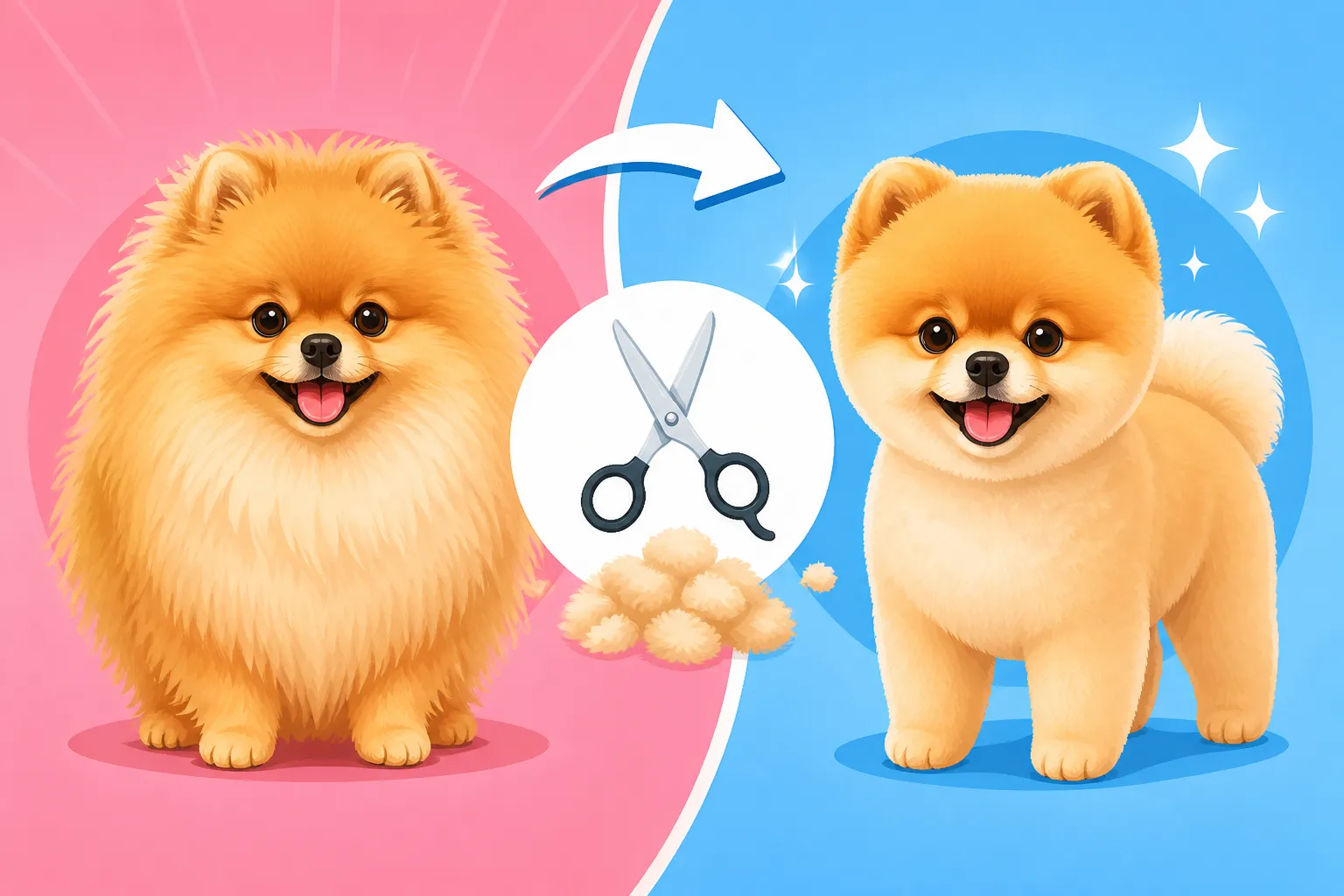
What a Teddy Bear Trim Takes Off a Pomeranian
Many Pomeranian owners dream of that adorable "teddy bear" look, envisioning their fluffy friend with a perpetually youthful, rounded appearance. However, the path to achieving this popular trim isn't always straightforward, and it involves understanding exactly what is removed from your Pom's unique double coat and the potential implications of such a significant change. This guide will walk you through the realities of the teddy bear trim, what it means for your Pomeranian's coat health, and how to make an informed decision about grooming.
Understanding the Pomeranian's Natural Coat: A Marvel of Engineering
Before we dive into what a teddy bear trim takes off your Pomeranian, it's absolutely crucial to understand what makes their coat so special in the first place. These little fluff balls aren't just cute; they're equipped with a remarkable double coat that served their ancestors in much colder climates. This isn't just about aesthetics; it's about their very comfort and protection.
Guard Hairs Versus Undercoat: The Dual Purpose
Your Pomeranian's magnificent coat is made up of two distinct layers, each with its own vital role. First, you have the outer layer, known as the guard hairs. These are longer, coarser, and somewhat stiff hairs that provide the coat with its distinctive "stand-off" appearance and its vibrant color. Their primary job is protection – shielding your Pom from dirt, debris, moisture, and even the sun's harsh UV rays. Think of them as the natural armor.
Beneath this protective layer lies the undercoat. This is the soft, dense, fluffy part that feels like cotton wool. The undercoat's main purpose is insulation. In cold weather, it traps warm air close to the body, keeping your Pomeranian toasty. In hot weather, it works in reverse, creating a barrier that prevents external heat from reaching the skin, much like the insulation in your own home. It’s a beautifully designed system for regulating body temperature. You can learn more about The Double Coat That Makes a Pomeranian and Why It Stays On.
The Natural Growth Cycle: Why It Matters
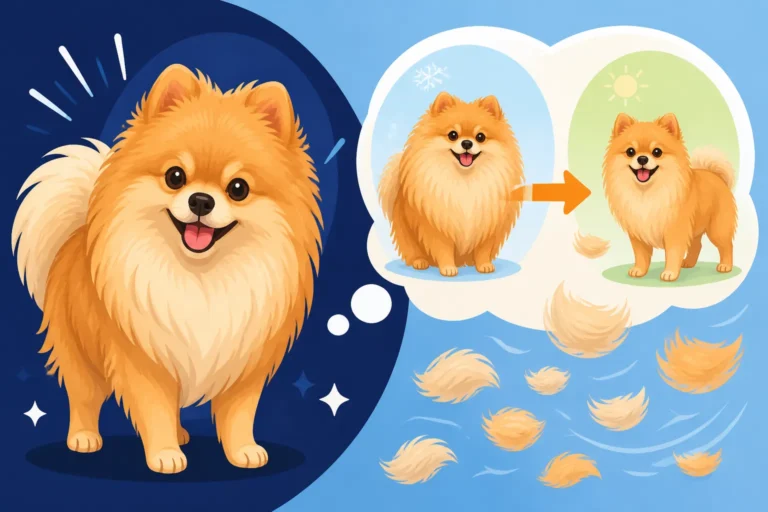
A Pomeranian's coat grows in a specific cycle, with individual hairs going through phases of growth, rest, and shedding. The guard hairs and undercoat often have different growth rates and shedding patterns. The double coat's density and structure are vital for air circulation against the skin. When properly maintained through regular brushing, it allows air to flow freely, preventing overheating and skin issues. It's a living, breathing ecosystem on your dog's body. Interfering with this natural structure can disrupt these essential functions.
What Exactly Is a Teddy Bear Trim? Defining the Look
The "teddy bear" trim, sometimes also called a "puppy cut" or a "boo cut" (after the famous Pomeranian), is a grooming style that aims to give a Pomeranian a perpetually youthful, rounded, and plush appearance. It’s undeniably adorable and is often requested by owners who love that soft, toy-like look. But what does it actually entail?
The "Teddy Bear" Aesthetic: A Radical Change
In essence, a teddy bear trim involves significantly shortening both the guard hairs and the undercoat all over the body, usually to a uniform length of about an inch or so, or even shorter. The goal is to remove most of the longer, wispy guard hairs and to shape the remaining fur to create a soft, rounded silhouette. The fur on the face is typically trimmed and rounded to enhance that cute, bear-like expression, often blending seamlessly into the body length. The tail might be shaped to be less of a plume and more rounded, keeping the overall compact, fluffy aesthetic. It's a stark contrast to the natural, flowing coat that judges look for in the show ring, with its dramatic ruff and full britches.
Tools and Techniques: Clipping, Not Scissoring
While some minor tidying and shaping around the face or paws might be done with scissors, the vast majority of a teddy bear trim is achieved using electric clippers. Professional groomers will select a specific blade length, typically a #5 or #7 (which leaves about half an inch to an inch of hair), and run it over the dog's body. This process cuts through both the guard hairs and the undercoat, removing the protective outer layer and the insulating inner layer.
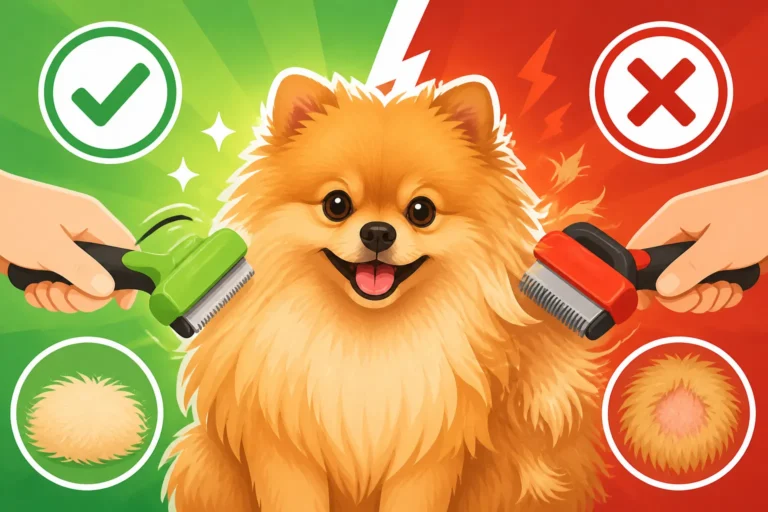
It’s important to understand that clippers cut all hairs to the same short length. This is fundamentally different from a thorough brush-out or de-shedding, which removes only loose undercoat while preserving the guard hairs. The uniformity of the clip is what creates that plush, even "teddy bear" texture, but it also disrupts the natural structure of the double coat.
What It Isn't: More Than Just a Trim
A teddy bear trim is not merely a "tidy up" or a "light trim." It's a substantial removal of a significant portion of your Pomeranian's coat. It goes far beyond Sanitary Trims Between Pomeranian Appointments or simply rounding the feet. While it might not be a "shave down to the skin" (which uses a much shorter blade like a #10 or #40), it still removes enough hair to fundamentally alter the coat's structure and function. This is a critical distinction that many new Pomeranian owners might not fully grasp, often leading to unexpected consequences down the line. It's a style that prioritizes a certain look over the natural health and integrity of the coat.
The Risks and Realities of a Teddy Bear Trim
While the teddy bear trim looks undeniably cute, it carries significant risks for a Pomeranian's coat health and overall well-being. Many experienced groomers and veterinarians strongly advise against this type of clipping due to the potential long-term damage it can cause to a double coat.
Post-Clipping Alopecia and "Coat Blow": A Permanent Change
One of the most concerning and heartbreaking risks of a teddy bear trim is the potential for post-clipping alopecia, often referred to as "coat blow" or "clipping alopecia." This condition means that after being clipped short, the Pomeranian's coat simply doesn't grow back correctly, or sometimes, not at all. What often happens is the soft, woolly undercoat grows back, but the coarser, protective guard hairs either fail to regrow or grow back very sparsely. This results in a patchy, uneven, cottony, and often discolored coat that lacks the stand-off quality and vibrant hue of a healthy Pomeranian.
In some severe cases, this can lead to Black Skin Disease and the Pomeranian Coat That Never Returns, a condition where the skin darkens, and hair loss becomes permanent. This isn't just a cosmetic issue; it means the dog has lost its natural protection. The exact reasons for post-clipping alopecia aren't fully understood, but it's believed to be related to trauma to the hair follicles, particularly in breeds with dense double coats. Once this happens, there's no guarantee the original coat will ever return, which can be devastating for owners who simply wanted a cute, short look. This is why many groomers will refuse to perform a full body clip or teddy bear trim on a Pomeranian, understanding the gravity of Why a Shaved Pomeranian May Not Regrow.
Loss of Natural Insulation: Temperature Regulation Woes
The double coat of a Pomeranian isn't just for show; it's a highly efficient system for regulating body temperature. When you remove a substantial portion of this coat with a teddy bear trim, you effectively strip your dog of its natural insulation.
- In Summer: Many owners mistakenly believe that clipping their Pomeranian short will keep them cooler in hot weather. However, the opposite is often true. The double coat acts like a natural air conditioner, trapping cool air close to the skin and protecting against the sun's harsh rays. Without it, your Pomeranian's skin is directly exposed to the heat, making them more susceptible to overheating and sunburn. Imagine removing the insulation from your house in summer; it wouldn't make it cooler inside! This is a common misconception, and understanding How a Double Coated Pomeranian Handles Summer is vital.
- In Winter: Conversely, in colder weather, the clipped coat can no longer effectively trap warm air, leaving your Pomeranian vulnerable to the cold. They may shiver more easily and require sweaters or coats for even short outings, something a full-coated Pom might not need in moderate temperatures.
Skin Irritation and Sunburn Risk: Vulnerable Skin
When the dense double coat is clipped short, the delicate skin beneath is suddenly exposed to elements it wasn't designed to handle. This can lead to several problems:
- Sunburn: Just like human skin, a Pomeranian's skin can get sunburned, especially lighter-pigmented areas. This can be painful and increases the risk of skin cancer over time. Pet-safe sunscreens are available, but they are a daily hassle that a healthy coat naturally prevents. It's an important consideration when thinking about Protecting a Bald Pomeranian's Skin From Sun.
- Skin Irritation: The clipping process itself can sometimes irritate the skin, especially if the blades are dull or if the dog is sensitive. Furthermore, contact with allergens, rough surfaces, or even insect bites can cause more severe reactions when the skin isn't protected by a dense coat.
- Allergies: For Pomeranians prone to skin allergies, removing the protective coat can make them even more vulnerable to environmental triggers, leading to itching, redness, and discomfort.
It's clear that while the teddy bear trim might seem like a quick fix for a fluffy look, it comes with a heavy price tag in terms of your Pomeranian's health and the long-term integrity of their beautiful coat. This is why considering Whether a Pomeranian Should Ever Be Clipped Short is a serious discussion.
Maintaining a Teddy Bear Trimmed Pomeranian
Despite the risks, some owners choose to maintain a teddy bear trim on their Pomeranian. If you decide to go this route, it's critical to understand that it doesn't mean less grooming in the long run; it simply shifts the type of grooming you'll be doing. You'll need to be diligent about upkeep to prevent matting and other issues in the regrowing coat.
Increased Grooming Frequency: Clippers On Demand
Unlike a natural coat that might require professional grooming every 6-8 weeks for a tidy up and brush-out, a teddy bear trim demands more frequent professional attention. To maintain that short, even, rounded look, your Pomeranian will likely need to visit the groomer every 3-5 weeks. This is because the undercoat tends to grow faster and can become quite dense and prone to matting if not regularly trimmed back.
You'll quickly find that those The 60 to 90 Dollar Pomeranian Grooming Appointment bills add up much faster! Regular clipping prevents the coat from growing out into an awkward, patchy stage that's neither short nor full. Between professional appointments, you'll still need to brush your Pom regularly to prevent any developing mats, especially as the undercoat tries to regain its density.
Specific Skin and Coat Care: Nurturing a Compromised Coat
When a Pomeranian's coat is clipped short, the skin underneath is more exposed and vulnerable. This means you need to be very mindful of the products you use for bathing and coat care.
- Gentle Shampoos and Conditioners: Opt for mild, hydrating shampoos designed for sensitive skin, perhaps those specifically formulated for dogs with dry or compromised coats. Follow up with a good conditioner to help soften the remaining hair and moisturize the skin. You can often find excellent options on Chewy or Amazon, like those containing oatmeal or aloe vera. These products aim to soothe and protect rather than stripping natural oils. You don't want to use anything that would further irritate already exposed skin, so choosing Shampoo That Will Not Flatten a Pomeranian's Coat might not be the primary concern as much as being gentle and moisturizing.
- Moisturizing Sprays: Daily moisturizing sprays can help keep the exposed skin from drying out and can make the clipped coat feel softer. Look for sprays with ingredients like vitamin E or essential fatty acids.
- Sun Protection: If your Pomeranian spends time outdoors, especially during peak sun hours, you absolutely must apply a pet-safe sunscreen to any exposed skin, particularly on the back and nose. This is crucial to prevent sunburn and long-term skin damage, tying back to the need to Protecting a Bald Pomeranian's Skin From Sun.
- Brushing: Even with a short coat, regular brushing is still important. It helps distribute natural skin oils, removes loose hairs (yes, they still shed!), and prevents the undercoat from matting as it grows. A soft slicker brush and a metal comb are usually sufficient. Dryers and Brushes for Grooming a Pomeranian at Home are still essential tools, even if your Pomeranian has a shorter coat.
Maintaining a teddy bear trim is a commitment. It requires constant vigilance and specific care to ensure your Pomeranian remains comfortable and their skin stays healthy, especially since their natural defenses have been significantly reduced.
Alternatives to a Teddy Bear Trim: Embracing the Pom Fluff
If the risks associated with a teddy bear trim give you pause (and they should!), don't worry! There are plenty of ways to keep your Pomeranian looking neat, feeling comfortable, and maintaining the integrity of their beautiful natural coat. It's all about working with their coat, not against it.
Safe Trims for Pomeranians: Tidy, Not Drastic
A good groomer understands how to trim a Pomeranian without compromising the double coat. These safe trims focus on tidying up specific areas to create a polished look while leaving the protective body coat intact.
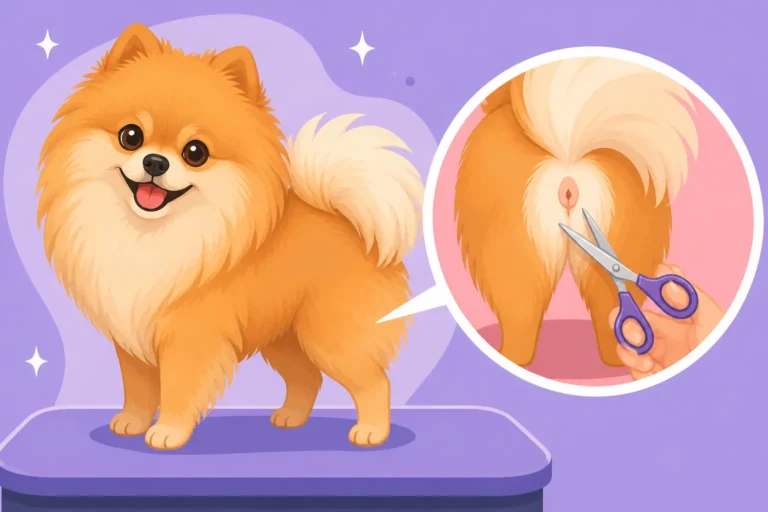
- Sanitary Trim: This involves carefully trimming the hair around the anus and genitals to keep these areas clean and hygienic. It's a must for all Poms, regardless of coat length.
- Paw Pad Trim: The hair between your Pomeranian's paw pads can grow quite long, making them slip on smooth floors and collect debris. Trimming this hair flush with the pads improves traction and cleanliness.
- Foot Rounding: The long feathery hair on a Pomeranian's feet can be trimmed into a neat, rounded "cat paw" shape, which looks adorable and keeps their feet cleaner.
- Ear Tidy: A small amount of hair around the edges of the ears can be lightly scissored to make them appear more defined and keep them from looking shaggy.
- Body Tidy (Feathering): Instead of clipping the entire body, a groomer can use thinning shears or scissors to lightly tidy the longer feathering on the britches, chest, and tail, removing just a small amount of length to create a neater outline without cutting into the dense undercoat or guard hairs. This type of trim respects the natural coat architecture. For more details on what's safe, check out Trims a Pomeranian Can Safely Have.
Regular Brushing and Professional De-shedding: The Golden Rule
The absolute best way to manage a Pomeranian's coat and prevent matting is consistent, thorough brushing at home, supplemented by professional de-shedding treatments.
- Daily Brushing at Home: Pomeranians need to be brushed several times a week, ideally daily, to prevent mats and remove loose undercoat. Use a good quality slicker brush and a metal comb to work through the coat down to the skin, section by section. This is far more effective than clipping for managing shedding and keeping the coat healthy. Learning How Many Times a Week a Pomeranian Is Brushed is key.
- Professional De-shedding: Many groomers offer de-shedding services that involve specialized shampoos, conditioners, and high-velocity dryers to loosen and remove dead undercoat without cutting the guard hairs. This helps keep your Pom cooler in summer by allowing air circulation and reduces shedding around your home. It’s an investment in coat health.
- Dietary Support: A high-quality diet plays a huge role in coat health. Brands like Ollie, which offer fresh, human-grade food, can provide the essential nutrients, healthy fats, and proteins needed for a strong, vibrant coat, which is especially important for maintaining its natural beauty.
Embracing the Natural Look: The True Beauty of a Pom
Ultimately, the natural, full coat is one of the defining characteristics and beauties of the Pomeranian breed. Embracing this look means appreciating the majestic ruff, the glorious tail plume, and the protective, insulating qualities of their double coat. It means understanding that a little bit of regular maintenance through brushing is a small price to pay for a healthy, happy, and stunningly beautiful Pomeranian.
Many owners find immense joy in caring for their Pomeranian's coat, turning grooming sessions into bonding experiences. It's a chance to check their skin, look for any bumps or irritations, and simply spend quality time together.
Here's a comparison of the key aspects between a natural coat and a teddy bear trim:
| Feature | Natural Pomeranian Coat | Teddy Bear Trim (Clipped) |
|---|---|---|
| Appearance | Full, flowing, "stand-off" ruff, feathered britches. | Shorter, uniform length, rounded, puppy-like. |
| Insulation/Protection | Excellent for hot/cold; protects from sun, debris. | Compromised; increased risk of overheating/chilling/sunburn. |
| Grooming Frequency | Daily/several times a week brushing, professional full groom every 6-8 weeks. | Regular brushing, professional clipping every 3-5 weeks. |
| Matting Risk | High if not brushed regularly. | High during regrowth phase, can be difficult to manage. |
| Regrowth | Consistent; sheds dead undercoat. | Potential for uneven, patchy regrowth; post-clipping alopecia. |
| Skin Health | Naturally protected from elements. | More exposed to irritation, dryness, and sun. |
| Overall Health Impact | Supports natural thermoregulation and skin protection. | Can disrupt natural processes, leading to discomfort or dermatological issues. |
Making an informed choice about your Pomeranian's grooming isn't just about aesthetics; it's about their health and comfort. While the teddy bear trim has a certain undeniable appeal, understanding what it truly takes off your Pomeranian and the potential consequences is vital for responsible pet ownership.
Disclaimer
This article is for general informational purposes only and does not constitute professional advice. Laws, prices and regulations vary by location and change over time. Consult a qualified professional for guidance on your specific situation.