Teaching a Pomeranian Puppy to Use Steps
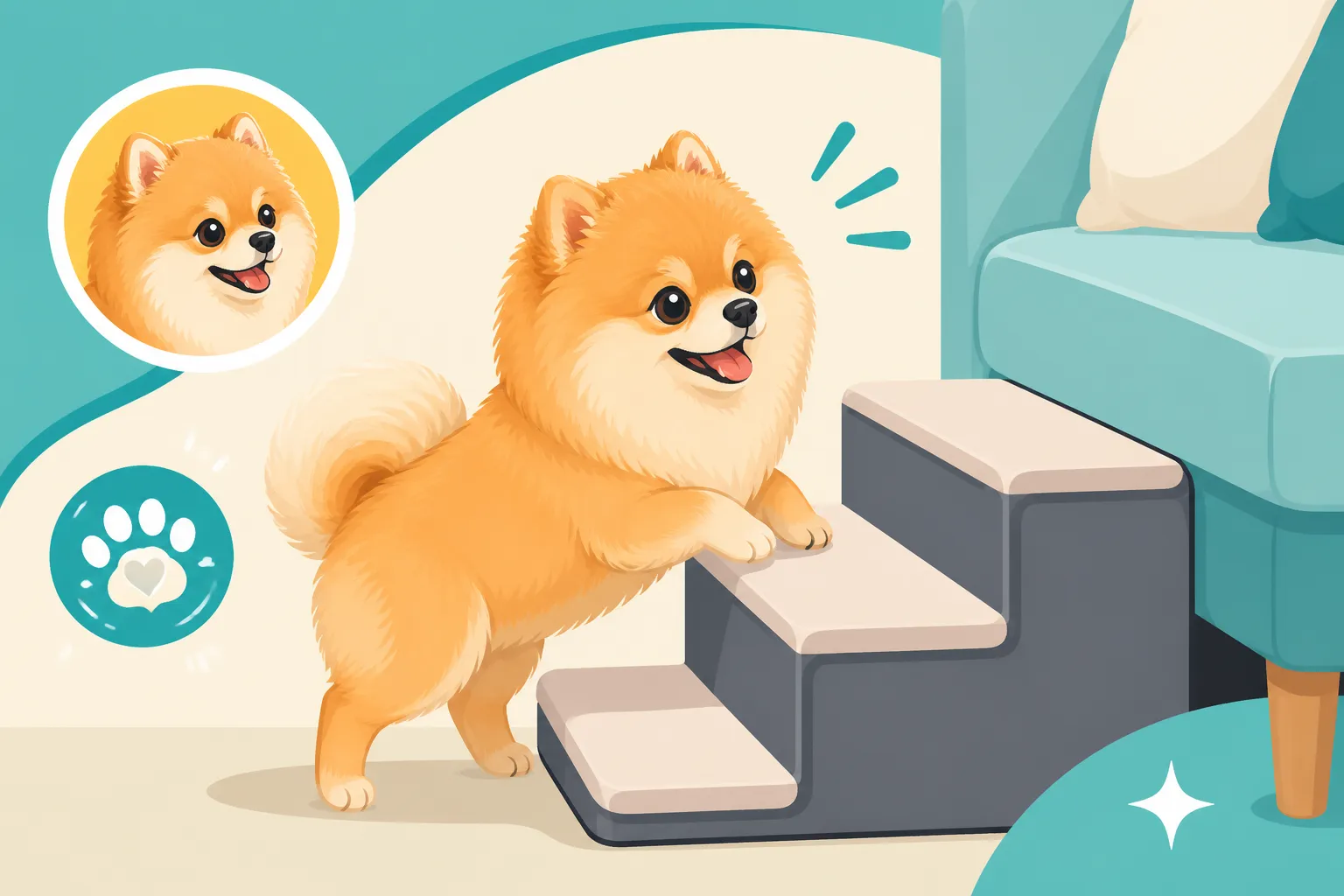
As a Pomeranian parent, you know our little furballs might be small, but they sure think they're mighty! They'll attempt to scale Mount Sofa or leap from the Grand Canyon of your bed without a second thought, often with a thud that makes your heart stop. This enthusiastic, yet sometimes reckless, spirit can lead to painful injuries, especially for tiny growing puppies. This guide will walk you through why teaching your Pomeranian puppy to safely use steps or ramps is absolutely essential, how to choose the best equipment, and a patient, positive way to get them navigating your home like a pro.
Why Teaching Steps is Crucial for a Pomeranian Puppy's Health
It's easy to forget how tiny and delicate a Pomeranian puppy truly is. They're built for speed and fluff, not for high-impact landings. Those adorable little legs and joints are still developing, and a single misstep can have long-lasting consequences. Trust me, you want to get ahead of this, rather than deal with the heartache and vet bills later.
The Risks of Jumping for Little Paws and Joints
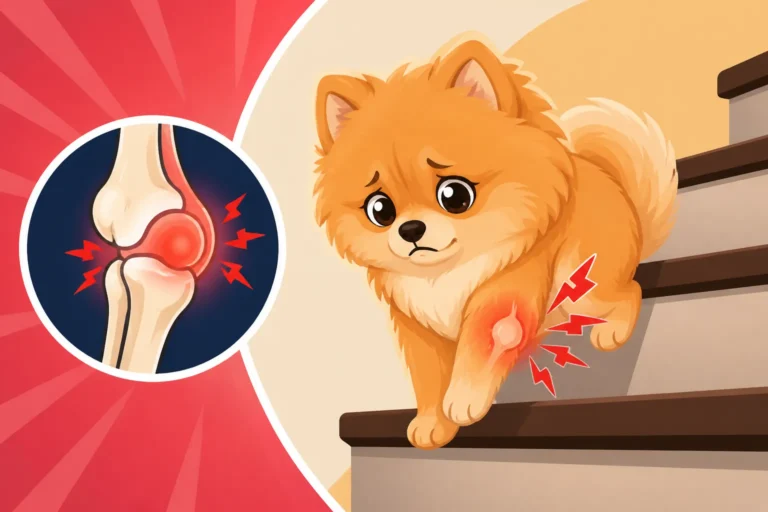
Imagine jumping from a height that's three, four, or even five times your own size – that's what a Pomeranian puppy experiences when it launches itself from your bed or sofa. Their tiny bones, ligaments, and joints simply aren't designed to absorb that kind of shock repeatedly. One of the most common and devastating issues our little Poms face is luxating patellas, or slipping kneecaps. When a puppy jumps, lands awkwardly, or even just steps down too heavily, that kneecap can pop out of place. It's incredibly painful and can become a chronic problem if not managed.
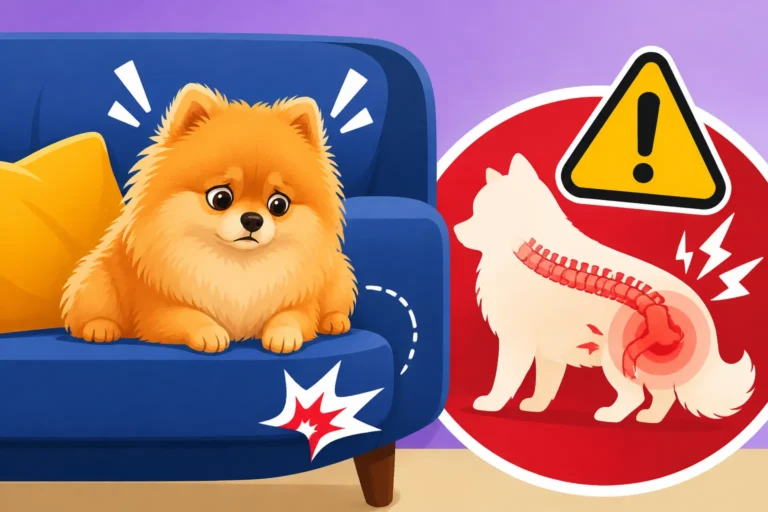
While some Poms are genetically predisposed to this condition, repeated trauma from jumping certainly doesn't help. Instead, it can accelerate the onset or worsen an existing mild case. Over time, that constant stress on the joint can lead to arthritis and significant pain, impacting their mobility and quality of life for years to come. It’s not just knees, either; hips, ankles, and even their delicate spine can be affected by the jarring impact of falls or uncontrolled leaps. It’s why we always talk about Why Jumping Off Furniture Wrecks a Pomeranian's Knees. You might not see the damage immediately, but it's like tiny stress fractures building up.
Preventing Accidents and Building Confidence
Beyond the physical trauma, teaching your Pomeranian puppy to use steps or a ramp is about preventing scary accidents and fostering confidence. A puppy who constantly falls or gets hurt when trying to get on or off furniture can become timid, anxious, or even develop a fear of certain areas of the house. That’s the last thing we want for our spunky little companions!
By providing a safe, predictable way for them to access their favorite cuddle spots, you're giving them independence without the risk. They learn to navigate their environment safely, which builds their motor skills and spatial awareness. Think of it like teaching a child to use stairs instead of jumping out of their crib. It's a fundamental life skill that prevents injuries and allows them to explore their world confidently. It also means you won't always have to be their personal elevator, which is a relief for your back and for their sense of self-reliance. This is part of Building a Pomeranian's Independence, empowering them to move safely through their own home.
Choosing the Right Steps or Ramp for Your Pomeranian Puppy
Before you even begin training, the first and most critical step is selecting the appropriate equipment. Not all pet steps are created equal, and what works for a larger dog certainly won't cut it for a petite Pomeranian. We need something designed with their tiny stature, short legs, and sometimes fragile build in mind.
What to Look for in Puppy-Friendly Steps
When you're browsing for steps or ramps – whether you're looking on a site like Amazon or checking out local pet stores – keep your Pomeranian puppy's unique needs at the forefront.
- Height and Step Rise: This is paramount. Look for steps with a low rise between each platform, ideally no more than 4-6 inches. A tall rise forces them to jump or strain, defeating the purpose. The overall height should be sufficient to comfortably reach the top of your sofa or bed without any extra vertical effort.
- Step Depth: The steps need to be deep enough for your puppy to place all four paws on comfortably without feeling like they're going to tumble off the front or back. Shallow steps are tricky and can lead to falls.
- Non-Slip Surface: This is non-negotiable. Look for carpeted steps, textured fabric, or rubberized treads. A slick surface, even if it looks pretty, is a huge accident waiting to happen. Little paws need grip, especially when they're still mastering coordination.
- Stability: The steps must be solid and heavy enough not to wobble or slide when your puppy uses them. Flimsy, lightweight steps will scare them and make them reluctant to try again. Look for wide bases or anti-slip pads on the bottom.
- Material and Durability: Steps come in various materials:
- Foam: Often lightweight, soft, and easy for puppies to use due to the gentle incline. Look for high-density foam that holds its shape.
- Plastic: Can be durable but ensure the steps have good traction. They might be lighter, so check for stability.
- Wood or Metal: These are typically more robust but must have carpeted or rubberized treads securely attached. They tend to be heavier and more stable.
Consider how easy they are to clean, too. Accidents happen with puppies, so removable, washable covers are a huge plus.
Steps vs. Ramps: Pros and Cons for Poms
The great debate! Should you get steps or a ramp? Both have their merits, and the best choice often comes down to your individual Pomeranian puppy and your home setup.
- Steps: Generally preferred for dogs that are comfortable with a stair-like motion. They can take up less floor space than a ramp.
- Ramps: Often a gentler option, as they provide a continuous incline with no gaps between levels. This can be fantastic for puppies with very short legs or those prone to knee issues. They remove any "step-over" or "jump-up" action entirely.
Here's a quick comparison to help you weigh the options for your tiny friend:
| Feature | Pet Steps | Pet Ramp |
|---|---|---|
| Ease of Use | Requires more coordination; each step is a separate maneuver. | Smooth, continuous incline; less impact on joints. |
| Joint Impact | Still some minor impact on knees and hips with each step, though less than jumping. | Minimal impact, ideal for puppies predisposed to Slipping Kneecaps in a Five Pound Pomeranian. |
| Space Required | Generally more compact, taking up less horizontal floor space. | Tends to be longer to ensure a gentle incline, requiring more floor space. |
| Stability | Needs to be very sturdy; wobbly steps can be frightening. | Must be stable at both ends; can slide if not properly secured or weighted. |
| Puppy Comfort | Some puppies take to steps quickly; others might find them intimidating. | Often preferred by hesitant puppies or those with shorter legs, as it feels more natural. |
| Safety | Good non-slip treads are essential for preventing slips and falls. | Continuous non-slip surface is crucial to prevent sliding backward or forward. |
For a small Pomeranian puppy, a ramp often presents a lower risk of injury and can be easier to master, especially if they are particularly tiny or have a delicate build. However, if space is a concern, well-designed, low-rise steps with deep platforms can be equally effective. You might even find Ramps for a Pomeranian That Jumps Off the Sofa in a variety of styles to suit your décor.
Step-by-Step Guide to Training Your Pomeranian Puppy
Now that you've got the perfect steps or ramp, it's time for the fun part: teaching your little Pom how to use them! Remember, patience is key here. Pomeranians are smart, but they're also sensitive and can be easily discouraged if you rush them or get frustrated. Keep it positive, keep it fun, and always use high-value treats.
Making the Steps Inviting and Safe
Before you even ask your puppy to touch the steps, make them a positive presence in their environment.
- Placement is Everything: Put the steps right up against the furniture your puppy wants to access, whether it's the sofa or your bed. There should be no gap, or just a tiny one, that they could fall into. If the steps are wobbly, secure them. If they slide, put a non-slip mat underneath. Safety first!
- Scent Association: Make the steps smell good and familiar. Rub a favorite blanket or toy on them. You can even strategically place a tiny, irresistible treat (like a pea-sized piece of cooked chicken or cheese) on the first step, then the second, and so on. Let them discover these "treat deposits" on their own without pressure.
- Positive Reinforcement Zone: For the first few days, just leave the steps there. Whenever your puppy shows any interest in them – sniffing, looking, walking near – offer quiet praise and a tiny treat. Don't push them to climb yet. We want them to associate the steps with good things, not stress. This is where a company like BAXTER & Bella, known for their comprehensive puppy training programs, would emphasize positive reinforcement right from the start.
Keep training sessions short – just a few minutes at a time. A Pomeranian puppy's attention span is pretty short, so aiming for Training Session Length for a Pomeranian that's brief and frequent is much more effective.
Luring and Rewarding Initial Exploration
Once your puppy seems comfortable having the steps in their space, you can start gently encouraging them to interact.
- The irresistible Lure: With your puppy on the floor, hold a high-value treat (something they really love, like a tiny bit of boiled chicken, cheese, or even a specialized training treat) just above the first step. Let them sniff it. As soon as one paw, or even just their nose, touches the step, say a cheerful "Yes!" or "Good!" and immediately give them the treat. Don't wait for them to climb.
- One Step at a Time: Repeat this, gradually moving the treat slightly higher, encouraging them to put two paws on the first step. Reward instantly. If they put all four paws on the first step, even better! Celebrate that with extra praise and a jackpot of a few treats.
- No Pressure, Just Patience: If your puppy hesitates, don't force them. Never pick them up and place them on the steps. This can create fear and defeat the whole purpose. Simply move the treat away, try again later, or make the treat even more enticing. Some days they'll be superstars; other days, they might need a gentle break. Remember that consistency over time is far more important than speed.
You're teaching them that interacting with the steps leads to wonderful things. Finding The Reward a Pomeranian Actually Cares About is crucial here!
Gradually Increasing the Challenge
As your puppy gets comfortable with the first step, you can slowly expand their understanding.
- Moving Up: Once they're confidently putting all four paws on the first step, start luring them to the second step in the same way. Hold the treat slightly higher, rewarding them for each paw, then two paws, then all four. Work your way up the entire set of steps or ramp.
- Coming Down Safely: This is often the trickier part! Once they're at the top, sit on the sofa or bed next to them. Hold a treat at the top of the first step down, then move it to the second, then to the floor. Lure them down slowly, rewarding them at each landing. It's vital they learn to go down just as carefully as they go up. Many puppies will try to jump off the top if not guided.
- Practice, Practice, Practice: Do several short training sessions throughout the day. Always end on a positive note. Once they're confidently using the steps both up and down, start phasing out the constant luring. Instead of holding the treat, point to the steps, then reward them when they initiate the climb. Eventually, the steps themselves should be the cue.
- Generalization: Once they're pros with one set of steps, if you have other pieces of furniture you want them to access safely, repeat the process with new steps or ramps. Consistency across all access points reinforces the behavior. Just like you teach a puppy to sit in the kitchen, then the living room, then outside, they need to learn the stairs apply everywhere.
Common Challenges and Troubleshooting
Even with the best intentions and the perfect steps, you might run into a few bumps in the road. Don't worry, these are completely normal. Every puppy learns at their own pace, and some are just naturally more hesitant than others.
Puppy Refusal or Fear of the Steps
It's common for a small puppy to be wary of new objects, especially something that looks like it requires effort or feels unstable. Your Pomeranian might just stand there, tail tucked, refusing to approach, or even back away when you try to lure them.
- Go Back to Basics: If your puppy shows fear, you've likely moved too fast. Stop trying to make them climb. Just put the steps in place and ignore them, occasionally dropping a treat near the steps when your puppy isn't looking. Let them discover the positive association. Over time, their curiosity will usually win out.
- Make it Playful: Instead of just luring with treats, try rolling a favorite toy (small enough for a Pomeranian, like a soft ball or a crinkly toy) onto the first step, then letting them retrieve it. The joy of play can sometimes override hesitancy. For a highly motivated Pom, Puzzle Toys Small Enough for a Pomeranian can also make the steps more appealing if you hide a treat on one.
- Check the Steps: Is there anything about the steps themselves that might be scary? Are they wobbly? Are the treads too slick? Do they make a strange noise? Sometimes a small adjustment or a more secure placement can make all the difference. Remember, their world is bigger than ours, and a slight tremor might feel like an earthquake to them.
- Your Tone Matters: Keep your voice light, cheerful, and encouraging. Never scold or show frustration if they don't cooperate. Your puppy picks up on your emotions, and a stressed owner creates a stressed puppy.
Jumping Off Instead of Using Steps
This is a classic Pomeranian move! You’ve taught them to go up the steps, and then they get to the top and decide a dramatic leap from the sofa is far more efficient than going down the way they came. This completely defeats the purpose and is still a risk to their joints.
- Leash Management (Temporarily): For the first few weeks, keep a lightweight house leash on your puppy when they're on the furniture (under supervision, of course). When they want to get down, gently guide them to the steps with the leash and lure them down with a treat. Don't pull or drag, just guide. This physical guidance combined with positive reinforcement teaches them the correct path.
- Block Off Jump Zones: If possible, arrange your furniture so there aren't easy jump-off points. Put cushions or even small pet gates around areas that aren't near the steps to make jumping less appealing or impossible.
- Be Proactive: Watch your puppy closely. As soon as you see them preparing to jump, gently redirect them to the top of the steps. Say "Steps!" or "Down!" (whatever cue you choose) and lure them down. Prevention is always better than correction after the fact.
- Manage the Environment: Don't leave your puppy unattended on high furniture until you are absolutely certain they will use the steps every single time. This might mean keeping them in a puppy-proofed area or a playpen when you can't supervise directly.
Maintaining Consistency and Generalization
Training isn't a one-and-done deal. To ensure your Pomeranian puppy consistently uses the steps, everyone in the household needs to be on the same page.
- Family Rules: Make sure every family member, houseguest, or pet sitter knows the rule: no letting the puppy jump, always guide them to the steps. Inconsistency will confuse your puppy and make the training take much longer.
- Regular Practice: Even once your puppy is proficient, continue to practice occasionally. This reinforces the behavior and keeps it fresh in their mind. You might even have them demonstrate for a treat now and then.
- Anticipate Needs: Remember, a Pomeranian puppy has a tiny bladder and needs frequent potty breaks. They can't "hold it" for long periods. If they’re on the bed or sofa and need to go, they might jump in desperation. Make sure you’re taking them out regularly, especially after meals and naps. This ties into Feeding a Pomeranian Puppy Often Enough to Stay Safe and understanding their unique physiological needs.
- Praise, Praise, Praise! Every time your puppy chooses the steps independently, reward them with calm praise and affection. They love to please you, and positive reinforcement will solidify this good habit for a lifetime.
By patiently teaching your Pomeranian puppy to use steps, you're investing in their long-term health and confidence. You're setting them up for a lifetime of happy, pain-free access to all their favorite cozy spots, without the worry of injuries. It's a small effort with huge rewards for both of you.
Disclaimer
This article is for general informational purposes only and does not constitute professional advice. Laws, prices and regulations vary by location and change over time. Consult a qualified professional for guidance on your specific situation.