Teaching a Pomeranian to Settle in a Pen
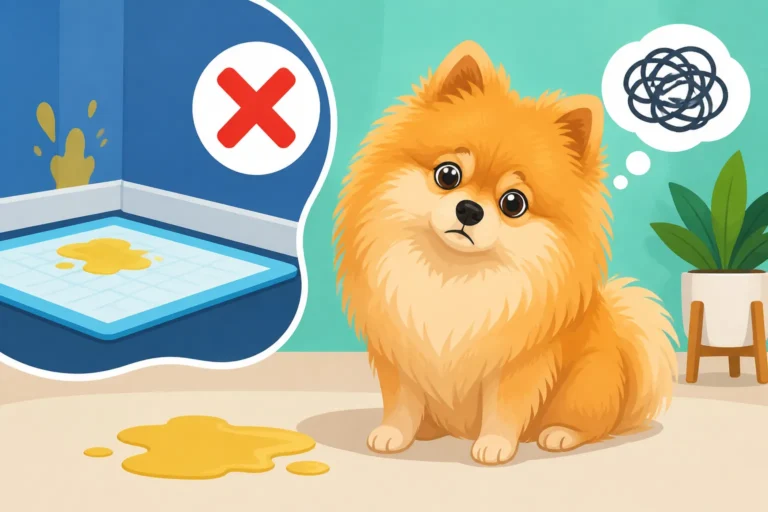
It’s a scene many Pomeranian owners know all too well: you set up a cozy pen, hoping to give your tiny companion a safe, dedicated space, only for them to turn into a vocal protestor the moment they’re inside. The whining, the barking, the desperate little paws scrabbling at the sides – it’s heartbreaking, frustrating, and often leaves us wondering if we’re doing something wrong. This guide is here to help you navigate those noisy moments and teach your Pomeranian to not just tolerate, but truly settle and feel secure in their pen.
Understanding Why Your Pomeranian Resists the Pen
Before we dive into training, it’s crucial to understand why your sweet Pom might be resisting their pen. It's rarely out of spite; more often, it's a mix of natural instincts, learned associations, and unmet needs. Validating these feelings in your dog can really shift your approach to training.
The Natural Instinct to Protest Confinement
Pomeranians, for all their small size, carry a strong heritage from their Spitz ancestors. These dogs were never meant to be confined; they were working dogs, often herding, guarding, or even pulling sleds in their larger forms. While our modern Poms are decidedly more lap-oriented, that independent, free-roaming spirit is still very much alive, buried deep in their DNA. Being enclosed, even in a comfortable space, can trigger a primal feeling of being trapped or separated from their "pack" – that's you!
It's easy to take their protests personally, feeling like they don't want to be away from you, or that you're somehow failing them. But remember, this isn't a judgment on your love or care. It's often just a natural reaction to a situation that goes against their ingrained desire for freedom and companionship. They thrive on being part of the action, on being close to their people. So, when they're suddenly behind bars, even pretty ones, their instinct is to vocalize and try to get back to what feels normal and safe: being with you. This feeling of missing out, or FOMO, is very real for them.
Previous Negative Associations with the Pen
Sometimes, our best intentions can inadvertently create negative associations. Think about it: when do you usually put your Pomeranian in their pen? Is it only when you’re leaving the house for work, or heading out for groceries? Is it when they’ve done something "bad" like chewing on the furniture, and you need a time-out space? If the pen consistently signals your departure or a consequence, it's no wonder your Pom views it with apprehension, if not outright dread.
Imagine if every time you went to a certain room in your house, something unpleasant happened – a chore you hated, an argument, or just the feeling of being left alone. You’d probably start to dislike that room, right? It’s the same for your Pomeranian. If the pen is only used as a tool for your convenience or as a form of punishment, they learn to associate it with isolation and negativity. They don't understand that you're trying to keep them safe; they just feel lonely, abandoned, or confused. We need to actively work to reframe the pen as a positive, inviting place, filled with good things, not a sad place where they're always left behind.
Unmet Needs and Energy Levels
A bored or under-exercised Pomeranian is a busy Pomeranian, and a busy Pomeranian is far less likely to settle peacefully in a pen. Just because they're small doesn't mean they don't have energy to burn, both physical and mental. If you expect them to go from a high-energy play session or a stimulating walk directly into a pen without a chance to wind down, you're setting them up for failure. Their little brains will still be buzzing, and their bodies will still be ready for action.
Think about it: how often do you truly tire your Pomeranian out before pen time? Are they getting enough walks, even if they're short and sweet? Are they engaging in mental stimulation through puzzle toys, training sessions, or even just exploring the yard? A Pomeranian with pent-up energy will likely channel that into barking, digging at bedding, or trying to escape the pen. They're not being "naughty"; they're simply trying to relieve their boredom and expend energy in the only ways they know how while confined. Make sure you’re providing ample opportunities for both physical and mental enrichment throughout their day. Games That Tire a Pomeranian Indoors can be incredibly helpful here.
Creating a Positive Pen Environment
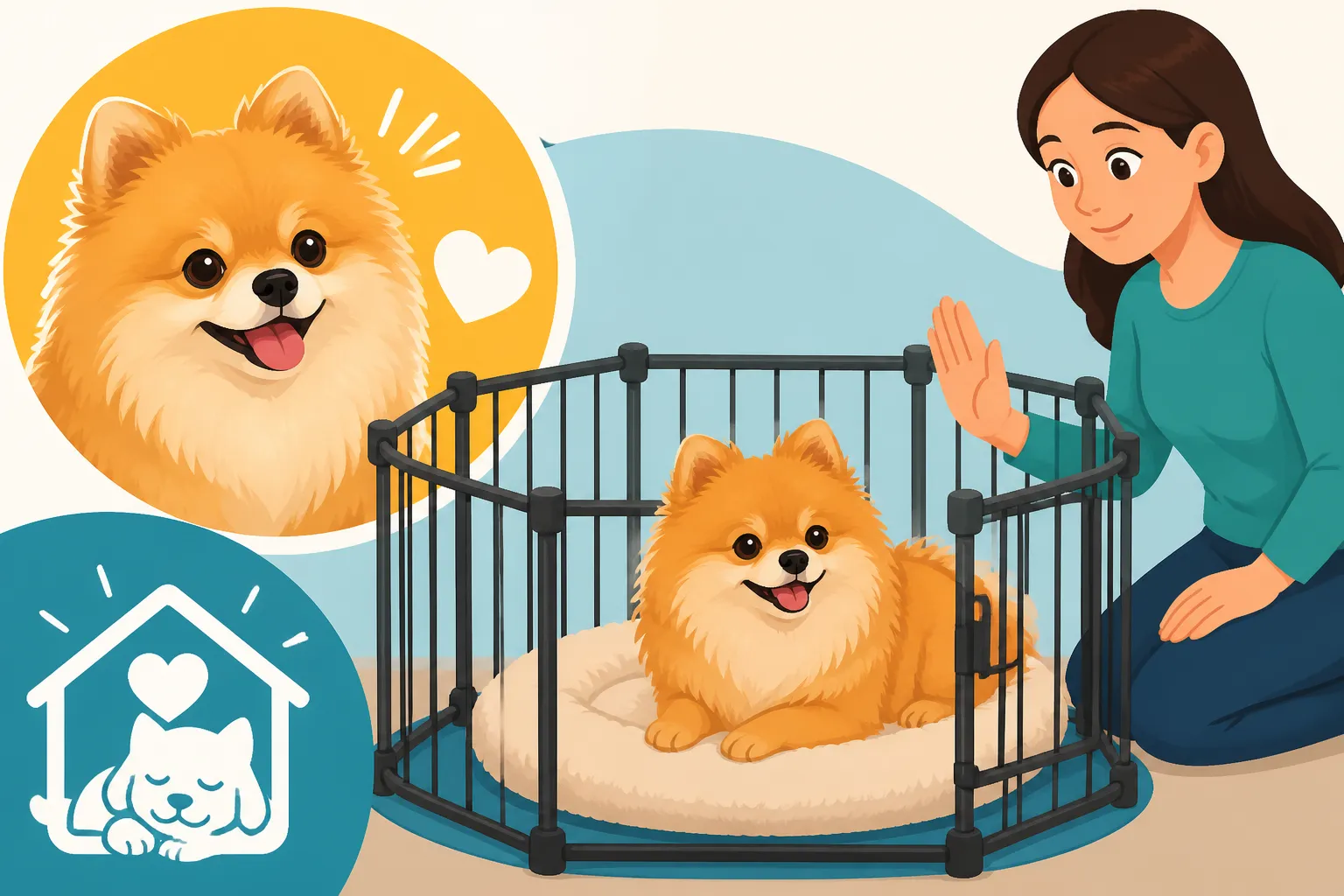
The key to helping your Pomeranian settle in their pen lies in transforming it from a perceived prison into a cherished den. This takes thoughtful setup and consistent positive reinforcement.
Choosing the Right Pen and Location
The pen itself plays a huge role in your Pomeranian's comfort. It shouldn't feel like a vast, empty space, nor should it be so cramped they can't stretch out. For a Pomeranian, a pen that allows them to have a comfy sleeping area, a water bowl, and perhaps a small designated potty spot (especially for puppies) is ideal. They typically weigh between three and seven pounds, so a pen designed for small breeds is important, ensuring the bar spacing is safe and they can't squeeze through or climb over easily.
When it comes to location, resist the urge to stash the pen away in a laundry room or spare bedroom where they’ll feel isolated. Initially, place the pen in a central area of your home, like the living room or kitchen, where you spend a lot of time. This helps your Pom feel like they're still part of the family, observing the action, rather than being banished. As they become more comfortable, you can experiment with moving it to a quieter spot if desired, but always start with proximity. Consider sturdy wire pens that offer good visibility, but make sure the wire gauge isn't too thin that they could bend it with persistent effort.
Making the Pen a Cozy Den
Once you have the pen, it's time to make it an irresistible retreat. Think of it as their private apartment within your home. Start with super soft, comfortable bedding. This could be a plush dog bed, a favorite blanket, or even an old t-shirt that smells like you. Familiar scents can be incredibly comforting.
Next, stock it with safe, engaging toys. Think about a few different types: a durable chew toy for when they need to gnaw, a soft plush toy for comfort, and especially a puzzle toy or a KONG-type toy stuffed with a treat like peanut butter or yogurt. These can keep them occupied for a good chunk of time, making pen time a positive, rewarding experience. You can find a fantastic selection of small, durable toys perfect for Poms on Amazon, ensuring they have something safe and stimulating to do. Just ensure any toys are size-appropriate to avoid choking hazards. Make sure they always have access to fresh water in a spill-proof bowl that can't be easily tipped over or dragged around.
Finally, and this is key, make the pen the place where all good things happen. Feed your Pomeranian their meals in the pen. Give them high-value treats only when they're inside the pen. Occasionally toss a treat into the pen just for them to discover, even when you're not planning to close them in. This builds a powerful positive association.
Gradual Introduction and Positive Reinforcement
You wouldn't throw a child into a new school on the first day without preparation, and the same goes for your Pomeranian and their pen. Never, ever force them into the pen. This will only create fear and resentment. Instead, use lures and positive reinforcement.
Start by simply opening the pen door and tossing a super delicious treat inside. Let them walk in, eat it, and walk right back out if they want to. Don't close the door. Repeat this many times over several days. The goal is for them to willingly enter the pen, seeing it as a source of good things. Once they're entering readily, start saying a consistent cue word like "kennel" or "bed" as they go in, followed by the treat.
When they’re comfortable going in and out, begin closing the door for just a second or two, then immediately opening it and rewarding them. Gradually increase the duration of door closure, always rewarding calm behavior, even if it's just a moment of quiet. The reward isn't just for being silent; it's for showing any sign of relaxation. If they start to whine or scratch, wait for a pause, even a breath, then release and reward. This teaches them that silence, even brief, earns a reward, while protesting does not.
Step-by-Step Training for Settling
Now that the pen is a positive space, it's time to systematically teach your Pomeranian to settle down for longer periods. Patience is your most important tool here.
The "In and Out" Game
This simple game is powerful for building positive associations and reducing anxiety around confinement. The premise is easy: you want your Pomeranian to view the pen door opening and closing as no big deal.
Start by tossing a treat into the pen. When your Pom goes in to retrieve it, praise them calmly ("Good dog!"), and immediately let them come back out. Don't even close the door at first. Repeat this a few times. Then, as they go in for the treat, gently close the door for just one second, then open it and let them out, giving another treat outside the pen. The key is that the "in" and "out" are fluid and easy. They learn that going in doesn't always mean staying in for a long time. The door isn't a permanent barrier; it's a momentary pause. This exercise builds confidence and makes the pen a less intimidating place. It's about building a solid foundation of trust before asking them to stay for extended periods.
Extending Stay Times with Distraction
Once the "in and out" game is solid, you can start extending the time your Pomeranian spends inside the pen. This is where high-value, long-lasting distractions become your best friend.
First, ensure your Pom has gone potty and has had some exercise. Then, give them their special, high-value chew or a frozen puzzle toy when they enter the pen. Puzzle Toys Small Enough for a Pomeranian are excellent for this. As they settle down to enjoy their treat, sit quietly nearby, perhaps reading a book or watching TV. Don't engage with them, just be present. The goal is for them to focus on their treat, not on you.
Gradually, start to move further away. First, to another chair in the room, then across the room, then into another room for just a minute or two. Always return before they start to fuss, even if it's just a tiny sigh of contentment you're rewarding. The timing of your return and release is critical. You want to reward the calm behavior, not the anxious vocalization. If they start to whine, wait for a momentary pause, then return. This teaches them that calm behavior gets your attention and release, while crying does not. For puppies, remember How Small a Pomeranian Puppy's Bladder Is; they can't hold it for long, so short, frequent pen times are essential.
Dealing with Crying and Barking
This is often the hardest part for owners, because no one likes to hear their beloved Pom in distress. However, it's absolutely vital to stick to one golden rule: never let your Pomeranian out of the pen when they are actively crying, barking, or scratching. If you do, even once, you've just taught them that protesting is the way to get out, and they will only escalate their efforts next time.
When your Pom starts to fuss, resist the urge to immediately go to them. Wait for a break in their vocalization. It might be just one second of silence, a deep breath, or a pause between barks. The instant they are quiet, that's when you approach the pen calmly, praise them, and let them out. This reinforces that silence is the behavior you want.
You might experience what's called an "extinction burst." This is when the behavior actually gets worse before it gets better. Your Pom tries harder to get your attention because their usual methods aren't working. It feels awful, but if you can push through this phase with consistency, you will succeed. Think of it like a child throwing a tantrum; if giving in works once, they'll try it again.
For some dogs, using a "settle" command on a mat outside the pen first can transfer nicely to the pen. BAXTER & Bella, known for their positive reinforcement approach, often advocate for teaching a strong "place" or "settle" command. This teaches dogs to relax in a designated spot, a skill that's invaluable for pen training. Once they understand "settle" on a mat, you can introduce that mat into the pen. This helps them understand the behavior of settling, not just the location. If your Pom is especially prone to separation anxiety, you may want to also read Whether Crate Time Helps an Anxious Pomeranian.
Building Independence Beyond the Pen
The pen is a fantastic tool, but it's part of a larger strategy to help your Pomeranian feel independent and secure, whether you're home or away. You don't want the pen to be the only place they learn to be alone.
Think about building their overall independence. This means practicing short periods of alone time even when they're not in the pen. For instance, put them in a different room with a chew toy while you do chores in another part of the house. Don't make a big fuss when you leave or return. The goal is to make your departures and arrivals as uneventful as possible. This helps your Pomeranian understand that your presence isn't constant, but your return is always assured.
Gradually extend these periods of alone time, both in and out of the pen. A dog that can happily entertain themselves for a short while, even when you're just in the next room, is a dog that will cope better when genuinely left alone. This holistic approach to Building a Pomeranian's Independence makes the pen just one part of their comfortable, confident life. If your Pomeranian struggles greatly with being left alone at all, check out The Pomeranian That Cannot Be Left Alone for more targeted advice.
Common Pitfalls and Troubleshooting
Even with the best intentions, training can sometimes hit roadblocks. Recognizing common pitfalls and having strategies to overcome them can make all the difference.
Over-reliance on the Pen
It's easy to fall into the trap of using the pen as a crutch. While it's an invaluable tool for management, especially with puppies or for short periods of confinement, it shouldn't be the only solution for managing your Pomeranian's energy or behavior. If your Pom spends a significant portion of their day in the pen, it can lead to frustration, boredom, and a reluctance to enter it.
The pen should always be used in conjunction with a robust schedule of exercise, mental stimulation, and training. A well-exercised Pomeranian who has had their needs met is much more likely to settle peacefully. Think of the pen as a safe, temporary space, not a permanent holding area. Ensure your Pom has plenty of opportunities for walks, playtime, and training sessions throughout the day. The Routine a Pomeranian Needs Every Day is crucial for their well-being and helps with pen training. It helps them predict their day, reducing anxiety and making transitions smoother.
Ignoring Health or Comfort Issues
Sometimes, a Pomeranian's refusal to settle isn't behavioral; it's physical. Before you assume it's just "being stubborn," rule out any underlying comfort or health issues. Is the pen too hot or too cold? Poms have thick double coats, and can overheat easily if their pen is in direct sun or a stuffy room. Conversely, if it's drafty, they might be shivering.
Does your Pom need to potty? A puppy especially can't hold it for long, and being forced to soil their sleeping area can be incredibly distressing. If they're constantly whining and haven't just been out, take them for a quick potty break, then immediately back to the pen. Don't make it a play session. If their bedding is uncomfortable or they're showing signs of pain or discomfort (limping, excessive licking, unusual panting), a vet visit is in order. Underlying anxiety can also manifest as an inability to settle. If you suspect deeper anxiety, consult with your vet or a certified professional dog trainer.
Inconsistency in Training
Inconsistency is the silent killer of many training efforts. If one family member adheres strictly to the "don't let them out when crying" rule, but another gives in after five minutes because they can't bear the noise, your Pomeranian will quickly learn which person to manipulate. They're smart, and they'll always try the strategy that has worked before.
It’s crucial that everyone in the household is on the same page and follows the same rules. Have a family meeting, discuss the training plan, and agree on how to respond to pen protests. Short, frequent training sessions (5-10 minutes, several times a day) are far more effective than one long, exhausting session. Poms have limited attention spans, and you want to end each session on a positive note before they get bored or frustrated. If you're wondering how long they can focus, take a look at Training Session Length for a Pomeranian. Remember, patience, consistency, and a positive attitude are your best allies in teaching your Pomeranian to love their pen.
| Training Step | Action | Key Benefit |
|---|---|---|
| Preparation | Choose appropriate pen, locate centrally, furnish with comfy bed, water, and stimulating toys. | Establishes pen as a safe, inviting, and positive space from the start. |
| Positive Association | Feed meals, give high-value treats, and offer puzzle toys only inside the pen. | Links pen entry with rewarding experiences, reducing negative perceptions. |
| "In and Out" Game | Toss treats in, let Pom enter/exit freely, gradually adding brief door closures with immediate release. | Builds confidence that the pen is not a trap; entry doesn't mean long stay. |
| Extend Stay (Supervised) | Offer long-lasting chews/puzzles, sit quietly nearby, gradually move further away, always rewarding calm. | Teaches Pom to self-entertain and relax in the pen while you're present. |
| Handling Protests | Never release when crying/barking. Wait for a moment of silence, then release and reward. | Teaches silence as the means to freedom, preventing reinforcement of fussing. |
| Consistency | Ensure all family members follow the same rules; use short, frequent training sessions. | Prevents confusion, accelerates learning, and solidifies desired behavior. |
Disclaimer
This article is for general informational purposes only and does not constitute professional advice. Laws, prices and regulations vary by location and change over time. Consult a qualified professional for guidance on your specific situation.