Whether a Pomeranian Tolerates Ear Cleaning
For many Pomeranian parents, the thought of cleaning those tiny, fluffy ears can bring a wave of anxiety. It's a tricky dance – you want to keep your beloved Pom healthy and comfortable, but their ears can be incredibly sensitive, leading to wriggling, protests, and even a quick snap if they feel threatened. This guide is here to walk you through understanding your Pomeranian's ear-cleaning tolerance, how to make the process as stress-free as possible, and when it's time to call in the professionals.
The Truth About Pomeranians and Ear Cleaning: It's Often a Battle
Let's be honest, getting a tiny, spirited Pomeranian to sit still for anything they don't want to do can feel like a monumental task. Ear cleaning is often at the top of that list. Unlike some larger, more placid breeds, Poms are acutely aware of what's happening to them, and any discomfort or perceived invasion of their personal space can lead to a less-than-cooperative attitude. It's not that they're being "bad," it's often a mix of sensitivity, past experiences, and just plain not understanding why you're poking around their ears.
Why Poms Can Be Sensitive About Their Ears
Pomeranians, by their very nature, are often quite delicate creatures, both physically and emotionally. Their ears, while upright and typically less prone to moisture-related issues than floppy ears, are still packed with sensitive skin and cartilage. Imagine someone poking around your ear canal with a cold liquid and then trying to rub it – it can feel intrusive! Their small size also means everything is amplified; a gentle touch to a large dog might feel like a big push to a tiny Pom. If they've had a negative experience in the past, even something as simple as a forgotten scratch or a slightly too-cold ear cleaner, they'll remember it and associate the process with discomfort. This memory can build up, making future attempts even harder.
Moreover, their erect ears, while generally good for ventilation, still have that wonderful, fluffy fur around the base and sometimes inside the ear canal opening. This fur, while adorable, can sometimes trap a little bit of dust or debris, leading to a subtle itch or irritation that makes them even more protective of the area. It’s important to approach this delicate task with extreme patience and a soft touch, understanding that their initial resistance is often rooted in genuine discomfort or fear, not defiance.
Reading Your Pomeranian's Cues During Ear Handling
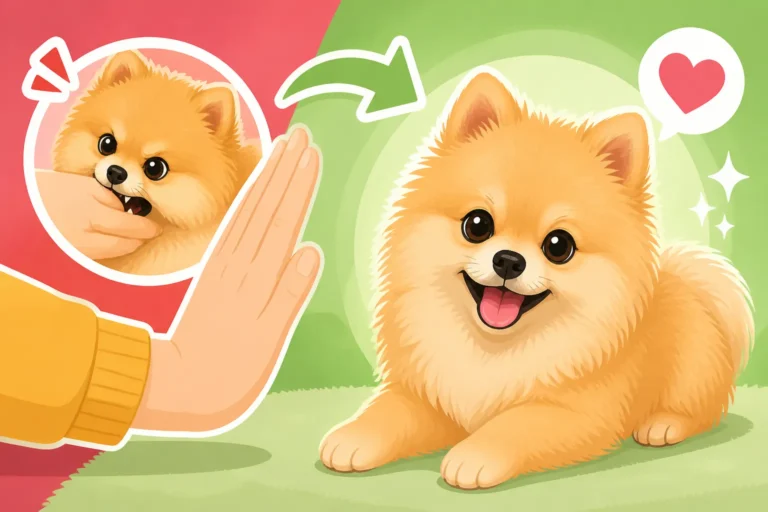
Before you even reach for the cleaner, pay close attention to your Pomeranian's body language. They communicate volumes with subtle signals. Are their ears flattened back against their head? Is their tail tucked? Are they turning their head away, lip licking, or yawning excessively? These are all signs of stress or discomfort. If you push past these early warnings, you might encounter more obvious protests like pulling away, low growls, or even a quick snap. It's crucial to respect these cues and stop or adjust your approach.
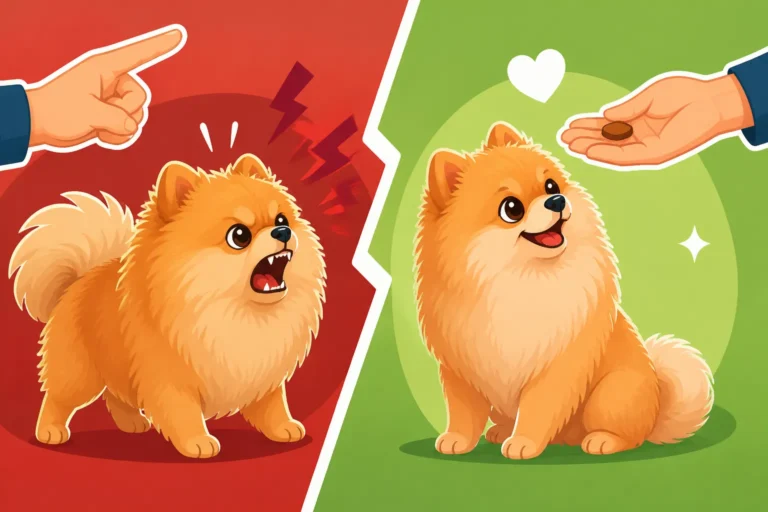
Ignoring these signals can erode trust and make future grooming sessions, including simple brushing or even just a cuddle, much more difficult. Every interaction is a building block for your relationship. If your Pom learns that their warnings are ignored, they might escalate their communication, which no one wants. Take a moment to pause, reassure them, and perhaps even offer a high-value treat to try and change their emotional state. Understanding and responding to their body language is the first, most important step in making ear cleaning (or any grooming) a more positive experience for both of you. You want your Pomeranian to trust you, especially when you're doing something that might feel a little strange or uncomfortable to them.
The Importance of Starting Early and Building Positive Associations
If you have a Pomeranian puppy, consider yourself lucky—you have a clean slate! The absolute best time to start getting them used to ear handling is when they're tiny and still soaking up the world like sponges. Begin with very short, gentle sessions. Simply touch their ears, lift the flap, and peek inside, then immediately give them a super delicious treat and lots of praise. Don't even introduce cleaner yet! The goal is to make them associate ear handling with wonderful things, like their favorite bit of chicken or a spoonful of peanut butter (xylitol-free, of course!).
As they grow, gradually increase the duration and intensity. Maybe you gently rub the base of their ear for a few seconds, then treat. Then you might use a dry cotton ball to gently wipe the outer flap, followed by more treats and praise. The key is never to push past their comfort level and always end on a positive note. This process is called desensitization and counter-conditioning, and it's incredibly effective. A strong foundation built on positive associations in puppyhood can make all the difference in preventing future struggles with grooming. Remember, consistency is more important than speed. These early experiences will shape their entire lives. You can find excellent resources on puppy socialization and handling through reputable online training programs.
Essential Tools and Techniques for a Less Stressful Ear Cleaning Routine
Once you've started building that positive foundation, or if you're trying to improve an existing routine, having the right tools and knowing the best techniques can make a huge difference. You want everything to be as comfortable and efficient as possible, reducing the time your Pom has to endure something they might not love.
Choosing the Right Ear Cleaner and Supplies for Your Pomeranian
When it comes to ear cleaning, quality matters, especially for sensitive Pomeranian ears. First and foremost, always use a veterinary-approved ear cleaner. Avoid anything with alcohol, harsh chemicals, or strong perfumes, as these can irritate the delicate skin inside the ear canal. Your vet can recommend a gentle, non-stinging solution that is appropriate for routine cleaning. You might even find some excellent, vet-recommended options available on platforms like Amazon, but always check with your vet first to ensure it's suitable for your specific dog.
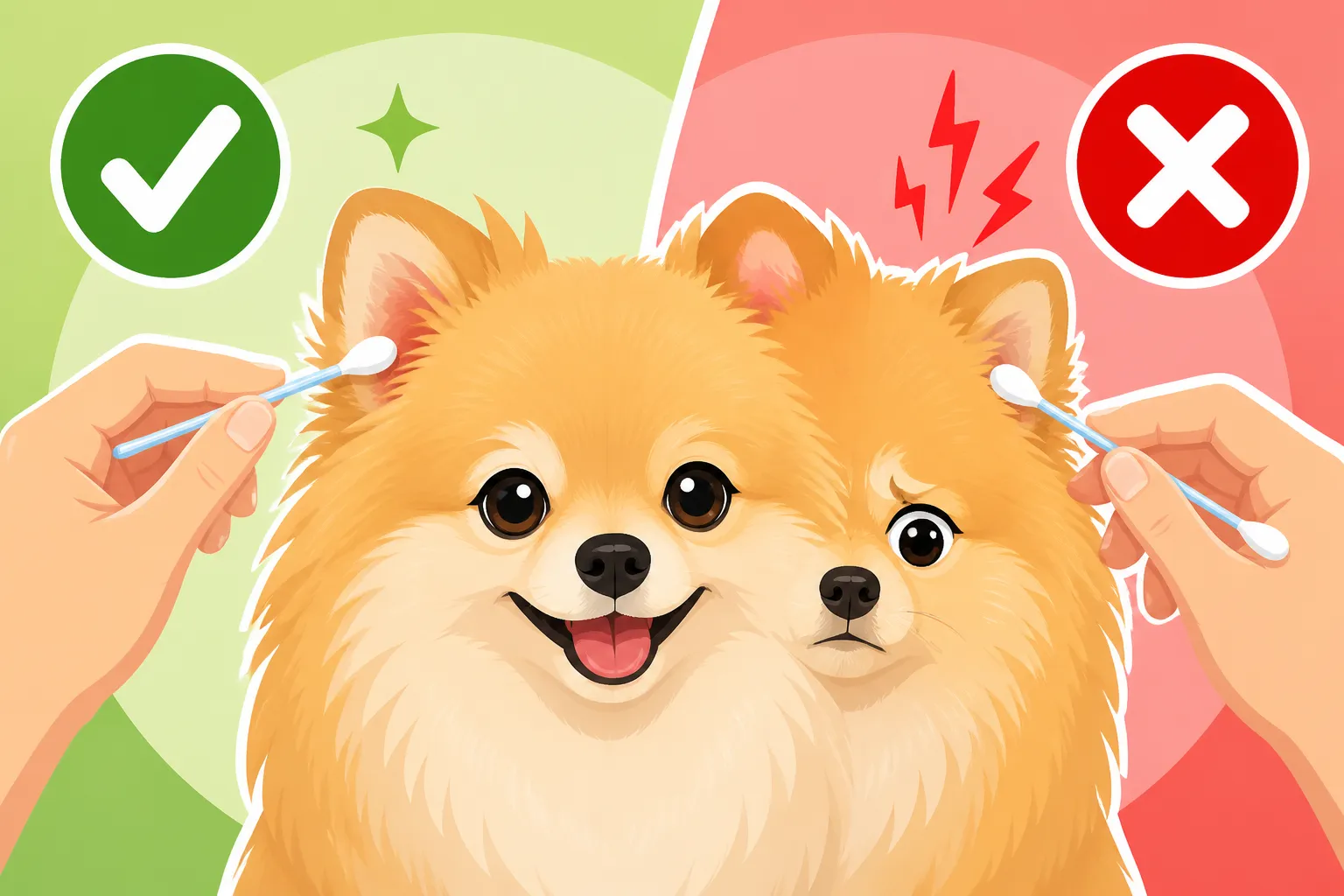
For wiping, cotton balls are your best friend. They are soft, absorbent, and less likely to cause irritation than rougher materials. Absolutely avoid cotton-tipped swabs (Q-tips) for cleaning inside the ear canal. The ear canal in dogs is L-shaped, and using a Q-tip can push debris further down, potentially damaging the eardrum or packing wax in tighter, leading to infections. Q-tips should only be used for cleaning the visible folds and crevices of the outer ear flap, never for anything that goes into the canal itself. Having a ready supply of treats is also non-negotiable – high-value treats that your Pom absolutely adores will be your secret weapon.
Step-by-Step: A Gentle Approach to Pomeranian Ear Cleaning
Okay, deep breath! Here’s a step-by-step guide to tackling ear cleaning as gently as possible:
- Gather Your Supplies: Have your vet-approved ear cleaner, cotton balls, a towel, and a generous stash of high-value treats within arm's reach. You don't want to be fumbling around while holding a wiggly Pom.
- Choose a Calm Environment: Pick a quiet room with good lighting where your Pomeranian feels safe and secure. Avoid noisy areas or times when there's a lot of commotion.
- Calm Your Pom: Start with some gentle petting and reassurance. If your Pom is particularly anxious, try wrapping them in a soft towel, leaving their head exposed, or having a second person gently hold them. This can make them feel more secure and prevent too much wriggling.
- Positioning: Gently hold your Pomeranian close to your body. You might find it easiest to sit on the floor with them in your lap, or have them on a non-slip surface like a mat on a counter, if they're comfortable with that.
- Lift the Ear Flap: Gently lift their ear flap to expose the ear canal. Take a moment to look for any redness, swelling, discharge, or foul odor. If you see any of these, stop and contact your vet. This is also a good opportunity to check on the condition of their delicate skin.
- Apply Cleaner: Carefully squirt the vet-approved ear cleaner directly into the ear canal. Don't be shy; you need enough to fill the canal. Your Pom probably won't love this part – it might feel cool or strange.
- Massage the Base of the Ear: This is key! Gently massage the base of the ear (where it meets the head) for about 20-30 seconds. You should hear a squishy sound as the cleaner breaks up wax and debris. This part should feel good to your Pom, almost like a scratch.
- Allow Them to Shake: Step back and let your Pomeranian shake their head. This helps to dislodge the loosened debris. Have your towel ready to catch any flying cleaner!
- Wipe Clean: Take a fresh cotton ball and gently wipe away any visible cleaner and debris from the inner surface of the ear flap and the entrance to the ear canal. Remember, only wipe what you can see. Do not poke the cotton ball deep into the ear canal. Repeat with fresh cotton balls until they come out clean.
- Treat and Praise: Shower your Pomeranian with enthusiastic praise and give them several high-value treats. Make it a celebration! This reinforces the positive association.
If your Pomeranian gets stressed or starts protesting loudly, take a break. You can always do one ear today and the other tomorrow, or even just focus on massaging the ear and then rewarding them, gradually building up to the full cleaning. Training Session Length for a Pomeranian should be short and positive, especially for potentially stressful tasks like this.
Desensitization and Counter-Conditioning: Making Ear Cleaning a Positive Experience
Sometimes, a full ear cleaning feels like a wrestling match. This is where desensitization and counter-conditioning become your superhero tools. The goal isn't just to get through the cleaning, but to actually change your Pomeranian's emotional response from dread to something more neutral, or even positive.
Start with very small steps, often so small that your Pom barely notices. Perhaps it's just reaching for the ear cleaner bottle without even opening it, then immediately giving a treat. Or gently touching their ear for one second, then treat. The key is to pair the "scary" or "unpleasant" stimulus (the ear cleaner, the touch) with something your Pom absolutely loves (a favorite treat, a specific toy).
You'll gradually increase the duration and intensity of the ear handling over many, many short sessions. For example:
- Day 1: Touch ear, treat. Repeat 5 times.
- Day 2: Lift ear flap, treat. Repeat 5 times.
- Day 3: Gently rub base of ear for 2 seconds, treat. Repeat.
- Day 4: Briefly bring the cleaner bottle near, treat. Repeat.
- Day 5: Apply a tiny bit of cleaner to a cotton ball and gently wipe outer ear, treat.
Never move to the next step until your Pomeranian is completely comfortable with the current one, showing no signs of stress. This takes patience, but it pays off in spades. If you're struggling with this process, online training programs, like those offered by BAXTER & Bella, often have excellent modules on cooperative care and desensitization that can guide you through the steps with professional advice and encouragement. Consistency and high-value rewards are your allies in transforming ear cleaning into a tolerable, or even acceptable, part of your routine. This consistent positive reinforcement is crucial for all grooming, as discussed in The Pomeranian That Screams During Brushing.
When to Seek Professional Help or Vet Intervention for Pomeranian Ears
Sometimes, no matter how much positive reinforcement you offer, something just isn't right with your Pomeranian's ears. It's critical to know when to put down the cotton balls and pick up the phone to call your veterinarian. Self-treating an underlying issue can lead to more serious problems and prolonged discomfort for your little companion.
Recognizing Signs of Ear Infections or Other Issues
A normal Pomeranian ear should be clean, pale pink, and free of odor. There might be a tiny bit of light-brown wax, which is normal, but anything beyond that is a red flag. Here are some signs that indicate your Pomeranian might have an ear infection or another underlying problem:
- Redness or Swelling: The skin inside the ear flap or canal appears inflamed.
- Excessive Discharge: Yellow, green, black, or bloody discharge.
- Foul Odor: A strong, yeasty, or unpleasant smell coming from the ear.
- Constant Head Shaking: Your Pom is frequently shaking their head, trying to dislodge something.
- Excessive Scratching: They are persistently scratching at their ears with their paws.
- Pain or Sensitivity: Yelping, growling, or snapping when you touch their ears.
- Holding Head to One Side: Tilting their head, especially if it's consistently to one side.
- Scabs or Hair Loss: Around the ear due to scratching.
If you observe any of these symptoms, do not attempt to deep clean the ear yourself. You could push infection deeper or cause significant pain. A quick visual check is fine, but leave the treatment to the professionals.
Why a Vet Visit is Crucial for Suspected Problems
Ear infections in dogs, particularly small breeds like Pomeranians, can be caused by various factors, including bacteria, yeast, ear mites, foreign bodies (like a grass awn), or allergies. Without proper diagnosis, you're just guessing. A veterinarian will use an otoscope to look deep into the ear canal, beyond what you can see at home, and can often take a swab to examine under a microscope to identify the exact culprit (mites, yeast, bacteria).
Trying to treat an infection at home with over-the-counter remedies might mask the symptoms, allowing the infection to worsen and potentially lead to more serious conditions like middle or inner ear infections, which can affect balance and even hearing. Your vet can prescribe appropriate medication, such as ear drops, oral antibiotics, or anti-inflammatories, tailored to the specific type of infection or issue. They can also explore underlying causes, like allergies, that might be contributing to recurrent ear problems. Getting your Pomeranian through an exam calmly is part of what vets are trained for, even when the area is painful. Getting a Pomeranian Through an Exam Calmly is an important skill your vet can help reinforce.
Considering Professional Groomers for Routine Maintenance
If, despite all your best efforts, your Pomeranian simply will not tolerate at-home ear cleaning, or if you find yourself hesitant to perform the task regularly, a professional groomer can be an excellent resource for routine maintenance. Most reputable groomers offer ear cleaning as part of their standard grooming package. They are experienced in handling all sorts of temperaments and have techniques to make the process as quick and efficient as possible.
However, it's vital to remember that groomers are for routine cleaning of healthy ears, not for treating infections. If you suspect an infection, always see your vet first. A groomer should refuse to clean an ear that shows signs of infection and will refer you to a vet. Discuss your Pomeranian's sensitivity with the groomer beforehand so they can take extra precautions and use a gentle approach. For some Poms, the consistency of a groomer handling their ears during regular appointments can actually help build tolerance over time. This can be a smart addition to your overall The Grooming Bill Nobody Warns a Pomeranian Owner About.
Long-Term Strategies for Pomeranian Ear Health
Keeping your Pomeranian's ears healthy isn't just about cleaning them when they look dirty; it's about establishing habits and being aware of factors that contribute to ear health. Proactive care can prevent many common issues and ensure your Pom stays comfortable and happy.
Consistent Routine and Positive Reinforcement
The single most effective long-term strategy for Pomeranian ear health and your Pom's tolerance to care is consistency paired with positive reinforcement. It's not enough to just clean their ears once a month; you need a routine. This might mean a quick daily visual check of their ears while you're petting them, followed by a treat. Or perhaps a weekly session of gently lifting the ear flap, giving a quick sniff, and then offering praise and a chew toy. These small, frequent, and positive interactions keep them accustomed to having their ears handled and allow you to spot any potential problems early.
Even if you only do a full cleaning once a month (or as recommended by your vet), maintaining a consistent pattern of positive ear checks helps reinforce that this is a normal, non-threatening activity. Always make sure to reward good behavior generously. Remember, you're building a lifetime of trust and cooperation, not just getting through one task. This routine thinking applies to their overall care, as outlined in The Routine a Pomeranian Needs Every Day.
Environmental Factors and Preventing Ear Issues
While Pomeranians with their erect ears are generally less prone to ear infections than floppy-eared breeds, environmental factors can still play a role. Humidity, for example, can create a warm, moist environment that yeast and bacteria love. If you live in a particularly humid climate, or if your Pomeranian somehow manages to get water in their ears (perhaps during a bath, or a very rare swim if they enjoy it), ensuring their ears are thoroughly dried afterwards is crucial. Gently blot the outer ear with a soft towel or cotton ball.
Additionally, consider the hair around their ears. While you should never pluck ear hair unless specifically advised by your vet (as it can irritate the follicles and cause infection), sometimes the long, fluffy guard hairs around the ear entrance can occasionally block airflow or trap debris. A professional groomer can carefully trim these external hairs to keep the area tidy and help with air circulation, but again, this should only be done by a professional to avoid irritation or injury.
Understanding Your Pomeranian's Breed-Specific Ear Needs
Pomeranians possess those wonderful, small, erect ears that stand proudly atop their heads. This ear type is a definite advantage compared to the long, pendulous ears of some other breeds, which often create a warm, moist environment perfect for bacterial and yeast growth. The erect nature of a Pom's ears allows for much better air circulation, which naturally helps keep the ear canals drier and healthier.
However, this doesn't mean their ears are maintenance-free. Their luxuriant double coat extends right up to and around their ears, and sometimes even a little bit into the ear canal opening. This fur can act like a magnet for dust, small bits of debris, or even burrs if they're playing outdoors. While the fur helps protect the inner ear, it also requires you to be diligent in checking for anything that might get trapped. A gentle visual inspection during your daily petting sessions is usually sufficient. Pay attention to any mats that might form behind the ears, as these can pull on the delicate ear skin and cause discomfort. Regular brushing, as covered in How Many Times a Week a Pomeranian Is Brushed, should always include the area around the ears to prevent matting. By understanding these specific characteristics of your Pomeranian's ears, you can tailor your care routine to best suit their needs and keep them comfortable for years to come.
| Characteristic | Signs of a Healthy Pomeranian Ear | Signs of an Ear Problem |
|---|---|---|
| Appearance | Pale pink, clean, smooth, no redness | Red, swollen, crusty, irritated skin |
| Odor | Odorless or very faint, neutral smell | Strong, foul, cheesy, or yeasty odor |
| Discharge | Minimal light brown wax, dry | Yellow, green, black, bloody, or excessive discharge |
| Behavior | No scratching, shaking, or head tilting | Persistent head shaking, ear scratching, rubbing ear on furniture |
| Temperature/Touch | Normal body temperature, not sensitive to touch | Hot to the touch, painful or sensitive when touched |
Disclaimer
This article is for general informational purposes only and does not constitute professional advice. Laws, prices and regulations vary by location and change over time. Consult a qualified professional for guidance on your specific situation.