Training Session Length for a Pomeranian
It's a common scenario: you're excited to teach your fluffy Pomeranian new tricks, maybe even get them to stop that incessant barking, but after just a few minutes, their eyes glaze over, or they wander off as if you're speaking a foreign language. This can be incredibly frustrating, leaving you wondering if you're doing something wrong or if your little Pom is just exceptionally stubborn. This guide will dive deep into the ideal training session length for a Pomeranian, helping you understand their unique attention spans and how to structure training for maximum success and minimal stress for both of you.
Why Short and Sweet Wins with a Pomeranian's Brain
Pomeranians, with their lively intelligence and independent Spitz heritage, aren't built for marathon training sessions. If you've ever tried to make your Pom focus for ten, fifteen, or even twenty minutes straight, you've likely encountered a wall of disinterest, tail wags turning into yawns, and an overall sense of "Are we done yet?" This isn't a sign of naughtiness; it's simply how their little brains are wired. They thrive on novelty, quick bursts of engagement, and positive reinforcement, much like a tiny, furry scholar with ADHD.
Think about it from their perspective. They're small dogs in a big world, constantly processing sounds, smells, and movements that might go unnoticed by us. Their alert nature means they're always "on," which can lead to quick overstimulation during prolonged periods of focused work. Forcing them past their natural attention limit often backfires, turning what should be a fun, bonding experience into a chore. Instead of learning, they might start to resent the training, or even worse, develop negative associations with the commands you're trying to teach. This is particularly important when considering subjects like Whether a Pomeranian Is Stubborn or Just Bored – often, what seems like stubbornness is simply boredom or mental fatigue.
Their ancestral roots as companion dogs, rather than working dogs requiring sustained focus on complex tasks, further explain this. While intelligent, their role was more about charming their humans than performing intricate, repetitive actions for extended periods. Understanding this inherent trait is the first step to successful training. We're not trying to change their fundamental nature, but rather, work with it.
The Ideal Length: How Long Can a Pom Really Focus?
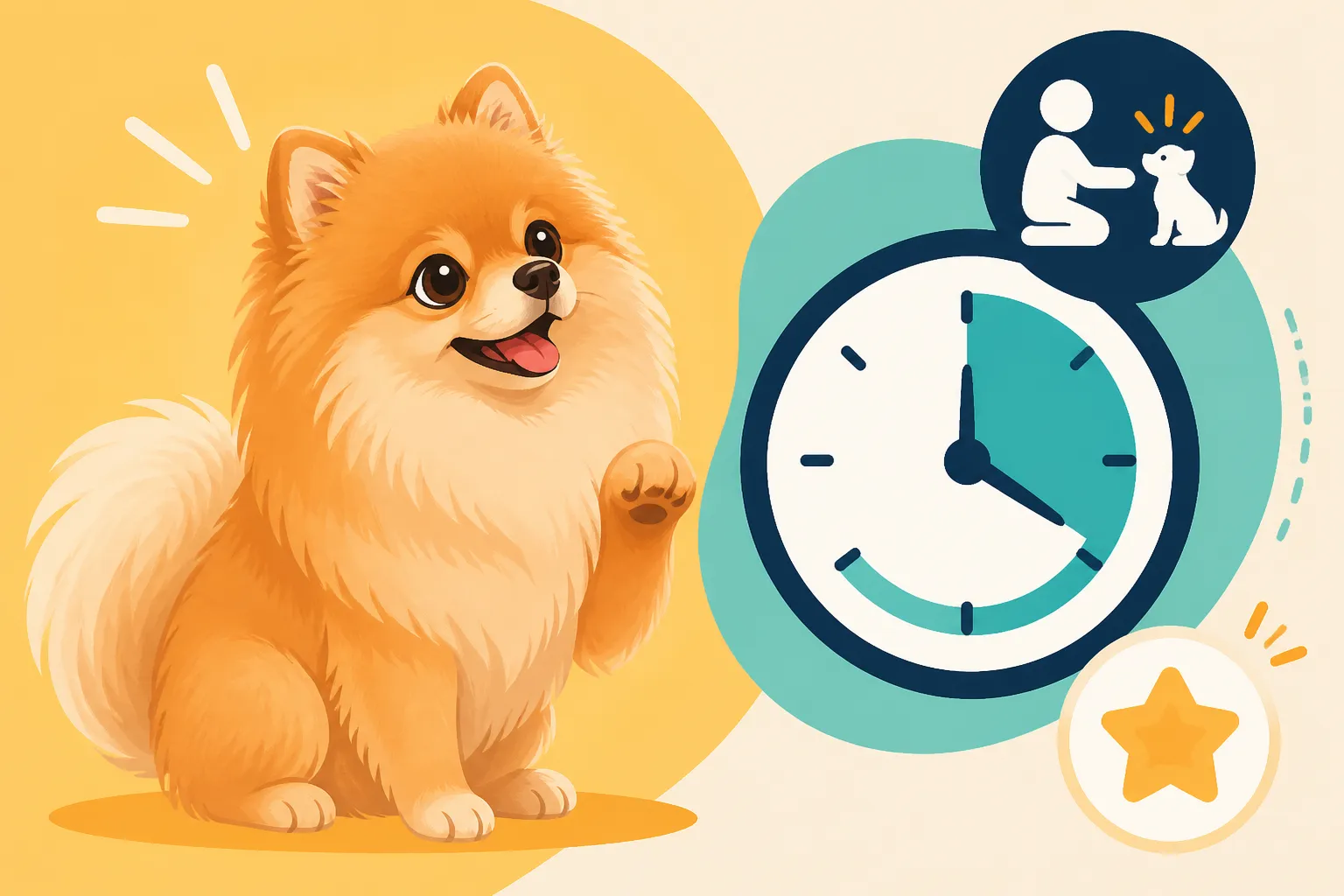
So, if long sessions are out, what's the sweet spot? For most Pomeranians, especially puppies and young adults, training sessions should be remarkably brief. We're talking minutes, not double-digit minutes.
Puppy Poms: Tiny Brains, Tiny Windows
A Pomeranian puppy's attention span is incredibly short, akin to a toddler's. You might get a solid 1-2 minutes of focused attention from a young puppy before their mind starts to wander. As they grow a little, say to 4-6 months, this might stretch to 3-5 minutes. The key here is quality over quantity. In these brief windows, aim for high-value rewards and simple commands. Think about foundational skills like "sit," "stay" for a second, or a quick recall. These early sessions are more about introducing the concept of learning and making it a positive, exciting experience. Remember, The Week a Pomeranian Puppy Can Start Learning can be very early, but those initial sessions should be almost imperceptibly short.
Adult Poms: A Bit More Stamina, Still Not a Marathon Runner
Even an adult Pomeranian, whether they're a spry two-year-old or a mellow senior, typically maxes out around 5-7 minutes of intense, focused training. Some highly motivated Poms might push it to 10 minutes on a really good day, especially if the activity is super engaging, like a fun trick they love or a new puzzle toy. However, asking for more than this consistently will likely lead to frustration on both sides.
The beauty of these short sessions is that you can have several of them throughout the day. Instead of one long, draining session, aim for 3-5 micro-sessions. One could be first thing in the morning, another before lunch, one after a walk, and perhaps a final one before bed. This keeps things fresh, prevents boredom, and reinforces learning without overwhelming your Pom. This approach also integrates well with The Routine a Pomeranian Needs Every Day.
| Pomeranian Age Group | Typical Focus Span (Single Session) | Recommended Daily Sessions | Example Activities |
|---|---|---|---|
| Puppy (8-16 weeks) | 1-3 minutes | 5-7 short bursts | "Sit," name recognition, gentle leash introduction, targeting. |
| Young Adult (4-18 months) | 3-7 minutes | 3-5 short bursts | Basic obedience, simple tricks, 'leave it,' polite greetings. |
| Adult (1.5+ years) | 5-10 minutes | 2-4 short bursts | Advanced tricks, scent work games, refining existing commands. |
| Senior (10+ years) | 2-5 minutes | 1-3 gentle bursts | Reviewing known commands, gentle mental stimulation with puzzles. |
Reading Your Pomeranian: When to Call it Quits (or Change Tactics)
The most effective training isn't about sticking rigidly to a stopwatch; it's about being observant and responsive to your Pomeranian's cues. They communicate their engagement (or lack thereof) quite clearly if you know what to look for.
Signs of Disengagement
Your Pom will tell you when they've had enough. Look for these common signals:
- Yawning or Lip Licking: These can be subtle stress signals, indicating they're feeling overwhelmed or bored.
- Looking Away or Turning Their Head: If they're actively avoiding eye contact or simply staring into space, their brain has checked out.
- Sniffing the Ground Intently: While sniffing is natural, if they suddenly become very engrossed in an imaginary scent on the floor during a training session, it's often a displacement behavior.
- Excessive Scratching or Grooming: Another displacement behavior that says, "I don't want to do this anymore."
- Wandering Off: The most obvious sign. If they walk away and start playing with a toy or just exploring, you've lost them.
- Lack of Enthusiasm for Treats: If even their favorite high-value reward doesn't elicit a quick, eager response, their motivation is gone. This is a critical point, as The Reward a Pomeranian Actually Cares About is usually very strong.
- Increased Barking or Nipping: For some Poms, frustration manifests as undesirable behaviors.
The moment you see these signs, it's time to end the formal session. End on a positive note, even if it's just a simple "sit" they know perfectly, give them a reward, and a cheerful "all done!" This helps maintain a positive association with training. Pushing past these cues only teaches your Pom that training is tedious and something to be avoided.
Changing Tactics: Making Training More Engaging
If you find your Pomeranian disengaging quickly, don't despair! It might be less about their attention span and more about the delivery.
- Vary Your Rewards: Are you always using the same treat? Try different kinds, or switch to a favorite toy. Sometimes a quick game of tug or chase is a better reward than food.
- Switch Locations: A new environment, even just a different room in the house or the backyard, can add novelty and pique their interest.
- Introduce New Tricks: Keep it fresh! If you're drilling the same command repeatedly, they'll get bored. Integrate new, simple challenges regularly.
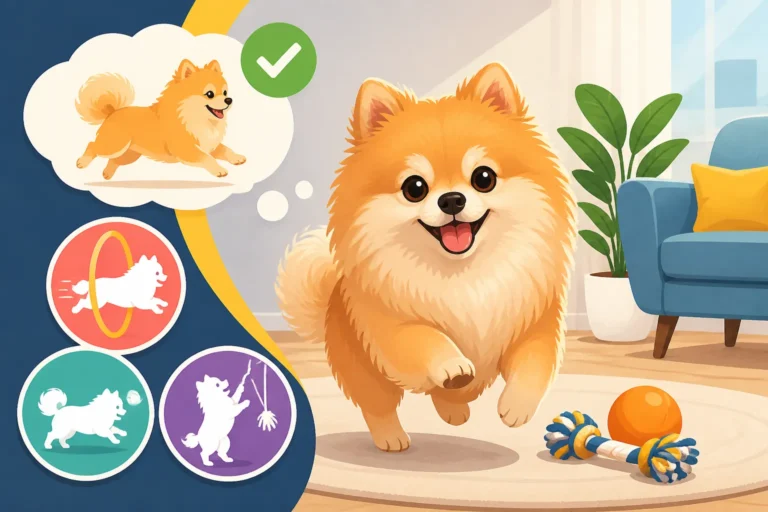
- Play Training Games: Transform training into a game. Hide-and-seek, where they have to find you for a treat, can incorporate recall in a fun way. Puzzle Toys Small Enough for a Pomeranian are also fantastic for mental stimulation.
- Enthusiasm is Contagious: Your energy impacts theirs. If you're bored or frustrated, they'll pick up on it. Keep your voice cheerful and your movements lively.
Remember, training isn't just about formal sessions. Many valuable lessons happen throughout the day. Teach "wait" before going through a door, or "off" when they jump on furniture. These aren't "sessions" but moments of incidental training that add up significantly.
Maximizing Micro-Sessions: Making Every Minute Count
Since long training sessions aren't a Pomeranian's forte, the trick is to make every short interaction impactful. This means being prepared, clear, and consistent.
The Power of Positive Reinforcement and Clarity
Pomeranians respond best to positive reinforcement. Harsh corrections or yelling can be detrimental, causing them to shut down or become fearful. Instead, focus on rewarding the behaviors you want to see. A tiny, high-value treat (like a pea-sized piece of cooked chicken or cheese), a happy verbal marker like "Yes!", or a clicker (a wonderful tool readily available on Amazon) signals to them precisely what they did right. Whether Marker Training Holds a Pomeranian's Attention is a strong 'yes' for Poms, as it provides instant feedback.
Keep your commands clear and consistent. Everyone in the household should use the same words and hand signals for each command. This prevents confusion and speeds up learning. For instance, if you're working on 'sit,' don't sometimes say 'sit down' or 'hup.' Stick to 'sit.'
Integrating Training into Daily Life
The true magic happens when you weave training into the fabric of your day, beyond designated "sessions."
- Mealtime Manners: Ask for a "sit" or "stay" before putting down their food bowl.
- Doorway Etiquette: Practice "wait" before they burst through the door, preventing escapes and teaching patience.
- Grooming Prep: Short bursts of positive reinforcement during grooming. Even just touching their paw for a second and giving a treat can build tolerance for nail trims, which is essential for Poms.
- Walk Time: Use your walks for short bursts of loose-leash training or practicing "heel" for a few steps before releasing them to sniff. Walking a Pomeranian on a Fragile Windpipe means a good harness and calm walks are paramount, and training helps.
If you're following an online puppy course, such as those provided by BAXTER & Bella, you'll find that their modules are often designed to be broken down into these manageable chunks, understanding that dogs learn in short, positive bursts. They typically provide structured ways to approach new concepts in bite-sized pieces that suit a small dog's attention span.
By adopting this "micro-session" approach, you respect your Pomeranian's natural limits while still making significant progress. You'll build a stronger bond, foster a love for learning, and enjoy a much happier, better-behaved companion. Remember, training is an ongoing conversation, not a one-time lecture.
Disclaimer
This article is for general informational purposes only and does not constitute professional advice. Laws, prices and regulations vary by location and change over time. Consult a qualified professional for guidance on your specific situation.