Boarding a Pomeranian While You Travel
Leaving your beloved Pomeranian when you travel can feel like a monumental task, riddled with anxiety about their well-being, comfort, and safety. It's not just about finding someone to feed them; it's about ensuring their fragile little bodies, often opinionated personalities, and specific needs are met with the utmost care while you're away. This guide will walk you through everything you need to consider to make the best decision for your tiny companion, ensuring peace of mind for both of you.
Understanding Your Pomeranian's Unique Needs While You're Away
Pomeranians, despite their small stature, come with big personalities and some very specific care requirements. When you're planning to travel, understanding these nuances is the first step to choosing the right temporary home for them. It's not a one-size-fits-all situation; what works for a Golden Retriever won't necessarily work for a Pom.
The Emotional Impact of Separation
Pomeranians often bond very strongly with their human companions. This deep attachment can make separation a genuine challenge. Many Poms are prone to separation anxiety, which can manifest as excessive barking, destructive chewing, or even house-soiling when left alone. Imagine your tiny friend, used to your constant presence, suddenly in a new environment with unfamiliar faces and routines. It's a huge adjustment, and it can be stressful. The Pomeranian That Cannot Be Left Alone touches on how deeply these little dogs can feel abandonment. We often think of our Poms as resilient, but their emotional sensitivity is real and needs to be accounted for when considering boarding.
This emotional sensitivity means that the environment they're in during your absence needs to be as comforting and consistent as possible. A loud, bustling kennel might overwhelm a shy Pomeranian, while a quiet home environment could be exactly what they need. It's about minimizing the shock of your absence and providing a sense of security. Even if your Pomeranian usually copes well with short periods alone, a longer absence in a new place is a different beast entirely. You might notice Signs a Pomeranian Has Separation Anxiety more acutely when they're in an unfamiliar place.
Physical Vulnerabilities and Health Concerns
Pomeranians are toy breeds, and their small size makes them physically delicate. This isn't just about being cute; it means they are more susceptible to injury. A playful rough-and-tumble with a larger, boisterous dog can lead to serious harm, something you wouldn't want to risk. Their bones are tiny, and even a fall from a short height can cause problems like Slipping Kneecaps in a Five Pound Pomeranian.
Beyond their fragility, Poms are also prone to certain health issues that require careful management. Conditions like tracheal collapse, which causes a distinctive honking cough, can be exacerbated by excitement or stress, or even by improper leash handling. The Honking Cough of a Pomeranian's Collapsing Windpipe is a serious concern. If your Pom is prone to blood sugar crashes, especially if they are a puppy or very small adult, they need regular feeding and monitoring. Blood Sugar Crashes in a Pomeranian Puppy are a very real danger. Any caregiver needs to be fully aware of these potential issues and trained to respond appropriately. This is where investing in pet insurance, like a policy from Healthy Paws, can provide significant peace of mind, knowing that unexpected vet bills will be covered even if you're out of the country.
Grooming and Dietary Requirements
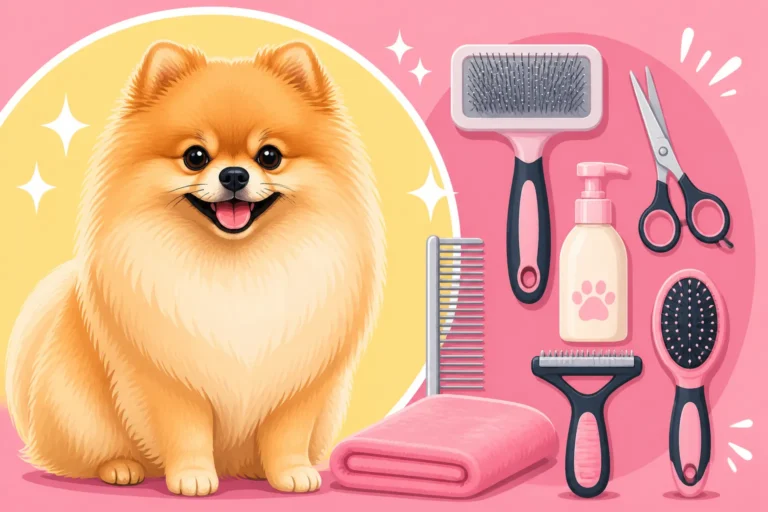
That magnificent double coat of a Pomeranian isn't just for show; it's a vital part of their health and comfort. It requires regular brushing to prevent mats and tangles, especially behind the ears, in the armpits, and on their britches. Neglecting their coat for even a few days can lead to uncomfortable and painful mats that are difficult to remove. A good boarding facility or sitter should be prepared to maintain their coat or at least ensure it doesn't become a matted mess. The Grooming Bill Nobody Warns a Pomeranian Owner About can be substantial if neglected.
Pomeranians also have specific dietary needs. They eat very small amounts, but often. Young puppies, in particular, need frequent meals to prevent hypoglycemia. Even adult Poms benefit from a consistent feeding schedule. Their small mouths and delicate digestive systems mean that sudden changes in food can lead to upset stomachs. It's often best to provide your Pom's regular food, whether it's a specific kibble you get from Chewy or a fresh food delivery service like Ollie, to maintain consistency. Any caregiver needs to be meticulous about feeding schedules and portion sizes to ensure your Pom remains healthy and happy. Feeding a Dog That Weighs What a Pomeranian Weighs is a precise science, not a casual scoop.
Exploring Your Pomeranian Boarding Options
When it comes to boarding your Pomeranian, you have several choices, each with its own set of pros and cons. It's crucial to weigh these options against your Pom's individual personality, health, and your own budget and comfort level.
Professional Boarding Kennels
Professional kennels are often the first thing people think of when "boarding" comes up. These facilities typically offer structured environments with various amenities.
Pros of Professional Kennels
- Supervision: Reputable kennels usually have staff on-site 24/7, providing constant supervision. This can be reassuring, especially if your Pomeranian has health concerns or tends to get into mischief. You know there's always someone watching.
- Safety Protocols: Established kennels have protocols for emergencies, including vet access. They usually require up-to-date vaccinations, which protects your Pom from exposure to common illnesses.
- Exercise and Socialization (Carefully Monitored): Many kennels offer playtimes, sometimes in group settings, or individual walks. For a well-socialized Pomeranian who enjoys other small dogs, this can be a benefit. However, for Poms, group play must be small dog only and supervised to prevent injury.
- Variety of Services: Some kennels offer add-on services like grooming, training refreshers, or extra cuddle time. This can be a real bonus, especially if you want your Pom to come home pampered or with a few new tricks.
Cons of Professional Kennels
- Stress and Anxiety: For sensitive Pomeranians, the kennel environment can be overwhelming. The noise of many dogs, unfamiliar smells, and being confined to a run can lead to significant stress, barking, and anxiety. This is especially true for Poms who struggle with The Pomeranian That Cannot Be Left Alone.
- Risk of Injury: Even in small-dog-only playgroups, accidents can happen. A rambunctious terrier or a slightly larger small breed could inadvertently injure your delicate Pomeranian. Their tiny size makes them vulnerable.
- Exposure to Illness: Despite vaccination requirements, a kennel environment with many dogs can increase the risk of your Pom catching a kennel cough or other contagious illnesses.
- Lack of Individual Attention: While supervised, your Pomeranian might not receive the one-on-one attention they're used to. This can be tough for Poms who thrive on constant human interaction.
In-Home Pet Sitters
Hiring a professional pet sitter to stay in your home or to visit your home multiple times a day is a popular alternative to kennels.
Pros of In-Home Pet Sitters
- Familiar Environment: Your Pomeranian gets to stay in their own home, surrounded by familiar sights, sounds, and smells. This significantly reduces stress and anxiety. They get to sleep in their own bed and use their own potty spots.
- One-on-One Attention: A dedicated pet sitter provides personalized care and attention, often adhering strictly to your Pom's routine. This is ideal for Poms who crave companionship.
- Reduced Exposure to Illness: Your Pom isn't exposed to other dogs, minimizing the risk of contagious diseases.
- Home Security: If the sitter stays overnight, your home benefits from being occupied, adding an extra layer of security while you're away.
Cons of In-Home Pet Sitters
- Cost: This is often the most expensive option, especially for overnight stays. However, for a high-needs Pom or for long trips, many owners find the cost worth the peace of mind.
- Availability: Good pet sitters, particularly those who do overnight stays, can book up quickly, especially during peak travel seasons. You need to plan well in advance.
- Trust and Vetting: You are trusting someone with your pet and your home. Thorough vetting, including background checks, references, and insurance, is absolutely essential. Don't skimp on this step.
- Limited Emergency Response: While a good sitter will have emergency plans, they might not have the same immediate access to veterinary care or multiple staff members as a professional kennel in a crisis.
Doggy Daycare with Overnight Stays / Home Boarding
Some doggy daycares offer overnight stays, often in a more home-like setting than traditional kennels. There are also individuals who offer home boarding, taking a limited number of dogs into their personal homes.
Pros of Home Boarding / Daycare Overnights
- Socialization (If Appropriate): For Poms who genuinely enjoy the company of other small, well-behaved dogs, this can provide a social outlet.
- More Home-Like Feel: These environments are often less sterile and more comfortable than traditional kennels, offering a balance between supervision and a cozy atmosphere.
- Reduced Stress: Being in a home environment with fewer dogs can be less stressful than a large kennel, particularly if the hosts are experienced with toy breeds.
- Smaller Scale: Typically, these options host fewer dogs at a time, allowing for more individual attention than a large kennel.
Cons of Home Boarding / Daycare Overnights
- Risk of Injury: Again, even in a home setting, if there are other dogs, there's always a risk of injury to a small Pomeranian. Ensure any other dogs are appropriately sized and temperament-tested.
- Vetting is Key: Just like with pet sitters, you need to thoroughly vet home boarders. Check references, visit the home, and observe the interactions with other dogs if applicable.
- Variable Quality: The quality of these services can vary widely, from highly professional to very informal. You need to do your homework to find a reputable provider.
- Limited Space: Depending on the setup, your Pomeranian might still have limited personal space, especially if the home boarder takes multiple dogs.
Here's a quick comparison of popular boarding options for your Pomeranian:
| Feature | Professional Kennel | In-Home Pet Sitter (Overnight) | Home Boarding (Sitter's Home) |
|---|---|---|---|
| Environment | Commercial, often many dogs | Your Pomeranian's own home | Sitter's home, usually fewer dogs |
| Stress Level for Pom | Potentially High (noise, new smells) | Low (familiar surroundings) | Moderate (new but quiet environment) |
| Individual Attention | Limited, but supervised | High, personalized care | Moderate to High, depending on ratio |
| Risk of Illness | Higher (exposure to many dogs) | Very Low | Low (exposure to few dogs) |
| Risk of Injury | Moderate (group play, larger dogs) | Very Low | Low to Moderate (other dogs in home) |
| Cost | Moderate | High | Moderate |
| Availability | Good, but busy during holidays | Can be limited, book in advance | Can be limited, book in advance |
| Emergency Protocols | Typically well-established | Depends on individual sitter | Depends on individual sitter |
| Grooming/Feeding | Adheres to basic schedule | Strictly adheres to your routine | Adheres to your routine |
Preparing Your Pomeranian for Boarding
Once you've chosen the best boarding option for your Pomeranian, thorough preparation is key to a smooth transition and a happy stay. This isn't just about packing their bags; it's about setting them up for success both emotionally and physically.
The Trial Run: A Must-Do for Poms
Seriously, don't skip this. For most Poms, especially if it's their first time away or if they're particularly sensitive, a trial run is non-negotiable. This means booking a single night or even just a day of daycare at the chosen facility or with the chosen sitter. It serves several crucial purposes:
- Acclimatization: It allows your Pomeranian to get used to the new environment, the smells, the sounds, and the people (or other dogs) without the added stress of you being truly "gone." It makes the longer stay feel less daunting.
- Assessing Comfort: You can observe how your Pom reacts. Do they come home exhausted but happy? Or are they withdrawn, anxious, or showing signs of stress? This helps you confirm if it's truly the right fit. Whether a Pomeranian Copes With a Long Work Day at daycare, for example, might become clear after a trial.
- Caregiver Assessment: It gives the caregiver a chance to get to know your Pomeranian's personality, quirks, and specific needs firsthand. They can identify any potential issues before you leave for an extended period. Perhaps your Pom doesn't like sharing toys, or they have a very particular way they want their treats.
- Addressing Issues: If issues arise during the trial, you have time to address them or even find an alternative solution before your departure. Maybe you discover your Pom needs more frequent potty breaks than initially discussed, or that a specific toy from Chewy helps them settle.
Packing Your Pomeranian's Comfort Kit
Think of this as your Pom's "survival kit" for their time away. Familiar items can provide immense comfort in a new place.
- Food and Treats: Always pack enough of your Pomeranian's regular food for the entire stay, plus a little extra for emergencies. A sudden diet change can lead to an upset stomach. If you use a fresh food service like Ollie, ensure the boarder understands how to store and serve it. Include their favorite small treats, especially if they are used for training or comforting.
- Medications and Instructions: If your Pomeranian is on any medication, pack it clearly labeled with detailed, written instructions (dosage, frequency, method of administration). Include contact information for your vet and a clear emergency plan. For Poms prone to Blood Sugar Crashes in a Pomeranian Puppy, always pack some glucose syrup.
- Bedding: A familiar bed or blanket that smells like home can be incredibly comforting. It provides a safe, recognizable spot in an unfamiliar room.
- Toys: Pack a couple of your Pom's absolute favorite toys. These aren't just for play; they can be security objects, helping to reduce anxiety.
- Harness and Leash: Ensure you provide a properly fitted harness (rather than a collar, which can threaten a Pomeranian's delicate windpipe) and a sturdy leash. Harnesses Fitted for a Pomeranian's Windpipe are crucial.
- Grooming Tools: If your Pom requires daily brushing, provide a slicker brush and comb, along with instructions. This is especially important for maintaining their luxurious double coat and preventing mats.
- Emergency Contact Information: Provide multiple emergency contacts, including your vet, a trusted friend or family member who knows your Pom, and your own travel itinerary and phone numbers.
- Veterinary Records: Have a copy of your Pomeranian's vaccination records and any relevant medical history on hand for the caregiver. This is vital for quick access in an emergency. It's also a good idea to confirm if your pet insurance, like Healthy Paws, covers out-of-network vets if needed.
Discussing Expectations and Routines
A thorough conversation with your chosen caregiver is paramount. Don't assume anything.
- Routine: Detail your Pomeranian's daily routine – feeding times, potty breaks (and where they prefer to go), walk schedules, nap times, and any specific cues or commands they respond to. Be specific about The Routine a Pomeranian Needs Every Day.
- Grooming: Discuss how often their coat needs brushing and any special grooming needs.
- Health and Behavior: Share any health concerns, allergies, anxieties, or behavioral quirks. Does your Pom get anxious around strangers? Are they food protective? Do they bark excessively at certain noises? Whether a Pomeranian Barks When Left Alone is a common concern.
- Contact Plan: Establish how often you'd like updates (photos, texts, videos) and how the caregiver should reach you in an emergency.
- Emergency Plan: Outline a clear emergency plan, including which veterinary clinic to use, how to handle minor issues (e.g., upset stomach), and what steps to take in a serious situation. Make sure they know about specific Pomeranian vulnerabilities, like Anesthesia Risk in a Four Pound Pomeranian if any emergency surgery were ever needed.
By taking these proactive steps, you can significantly reduce the stress for both you and your Pomeranian, allowing you to enjoy your travels knowing your furry family member is in capable and caring hands.
Disclaimer
This article is for general informational purposes only and does not constitute professional advice. Laws, prices and regulations vary by location and change over time. Consult a qualified professional for guidance on your specific situation.