Whether a Pomeranian Breeder Takes a Dog Back
It's incredibly tough when you find yourself in a situation where you might need to rehome your beloved Pomeranian, especially after envisioning a lifetime together. Life throws curveballs, and sometimes, for reasons beyond your control, keeping your furry friend becomes genuinely impossible. This guide will walk you through whether a reputable Pomeranian breeder typically takes a dog back, what to expect, and what your options are.
Understanding the Breeder's Responsibility and Contract
When you acquire a Pomeranian puppy from a responsible breeder, you're not just getting a pet; you're often entering into a lifelong relationship with someone who deeply cares about the welfare of the dogs they bring into the world. Good breeders understand that circumstances can change, and they typically have provisions in place for the return of their dogs. This isn't just a nicety; it's a hallmark of ethical breeding practices.
The "Take Back" Clause: What to Look For
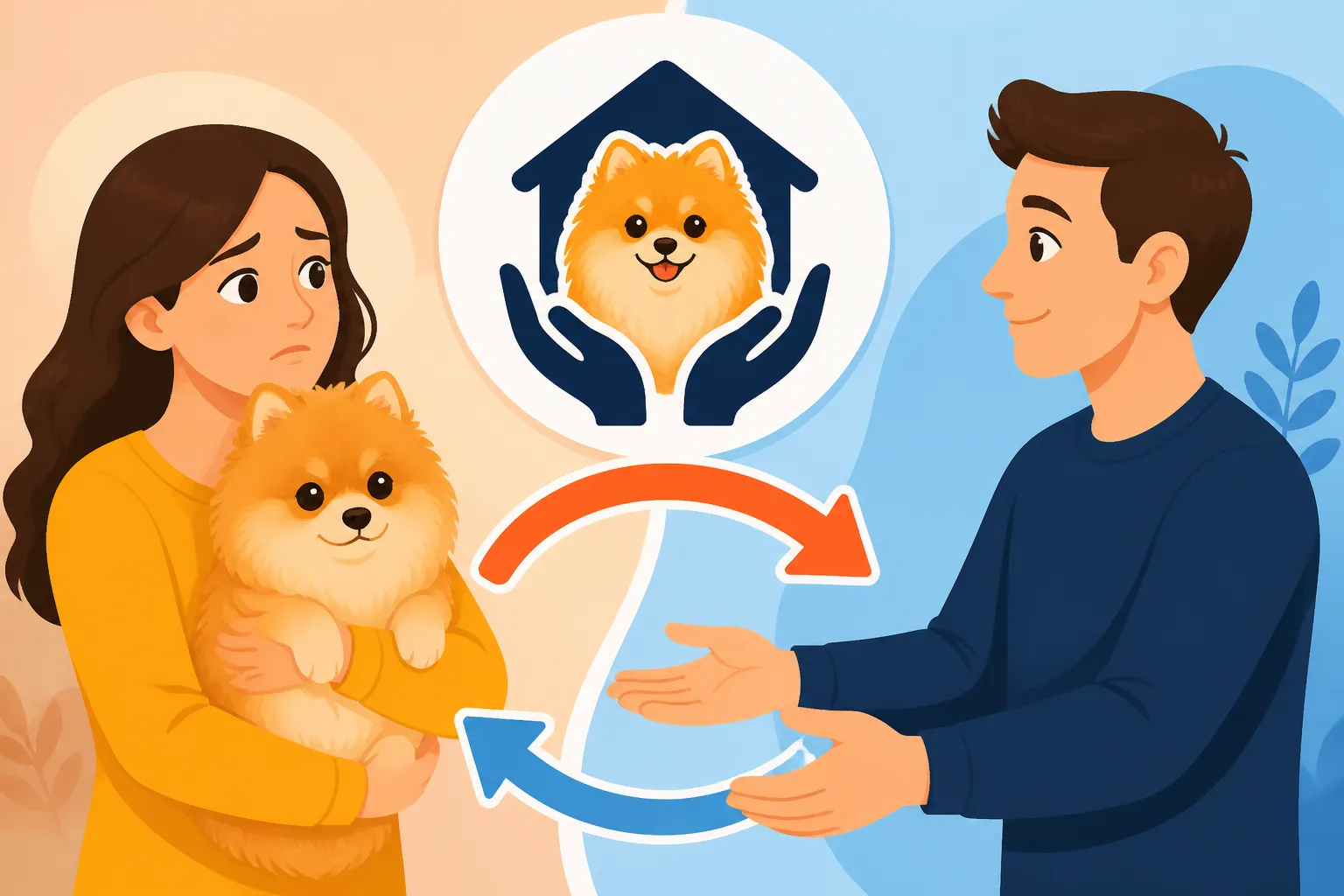
The contract you signed when you originally acquired your Pomeranian puppy is the absolute first place to look. A well-written, ethical breeder contract almost always includes a "take back" or "right of first refusal" clause. This clause legally obligates you, the owner, to contact the breeder first if you ever need to rehome your Pomeranian. It prevents their dogs from ending up in shelters, with unknown third parties, or in situations where their welfare might be compromised. For example, some contracts explicitly state that if you can no longer care for the dog, you must return it to them, or at the very least, allow them to approve any new potential home. This provision is designed to protect the dog throughout its entire life, not just during its puppyhood. It shows the breeder's commitment to the long-term well-being of every dog they breed.
Why Responsible Breeders Insist on Returns
Responsible breeders aren't just selling puppies; they're investing their heart and soul into improving the breed, ensuring good health, and stable temperaments. They know their bloodlines, their dogs' personalities, and their potential health predispositions. If a dog needs to be rehomed, they want to be involved to ensure it goes to a suitable family that understands the unique needs of a Pomeranian. They often have waiting lists or networks of approved homes ready for older dogs, or dogs that need a different environment. This system acts as a safety net, safeguarding the dog from the potential trauma and uncertainty of ending up in a generic shelter where staff may not understand the nuances of the breed, like the sensitive respiratory systems we discuss in The Honking Cough of a Pomeranian's Collapsing Windpipe. Furthermore, it reflects a deep ethical commitment to the animals they've bred, viewing them as lifelong responsibilities.
The Legal vs. Ethical Obligation
While a signed contract makes the "take back" clause a legal obligation, for many breeders, it's also a profound ethical one. They feel responsible for every life they've brought into the world. Legally, if you breach the contract by rehoming the dog without their consent or returning it, a breeder could pursue legal action, though this is rare and usually a last resort. More commonly, the ethical breach is what truly hurts the relationship and the breeder's trust. They want to know where their dogs are, that they're safe, and that they're thriving. It’s part of the comprehensive care and support system they offer, from advising on Feeding a Pomeranian That Weighs Five Pounds to discussing any behavioral quirks. Understanding this dual layer of obligation—both legal and moral—is crucial when considering what steps to take.
Common Scenarios Leading to Rehoming
Life is unpredictable, and sometimes, even with the best intentions, circumstances arise that make keeping a pet challenging or impossible. It's important to recognize that these situations are often beyond an owner's control, and there's no shame in seeking help.
Unforeseen Life Changes
One of the most common reasons owners consider rehoming a pet is due to unforeseen life changes. This could be anything from a sudden job relocation to an apartment complex with strict "no pets" rules, a new spouse or partner who is severely allergic, or a significant financial hardship that makes proper care, including quality food from places like Chewy, incredibly difficult. Sometimes, a new baby arrives, and despite all efforts, the family simply cannot manage the demands of a small child and a high-energy Pomeranian, especially one that might bark a lot, which we explore in Why a Pomeranian Barks at Everything That Moves. These aren't cases of owners not loving their pets; rather, they are often heartbreaking decisions made when an owner feels they can no longer provide the best possible environment for their dog. A good breeder understands these complexities and prefers to be a part of the solution rather than see their dog suffer.
Health or Behavioral Challenges
Another scenario involves unexpected health issues or behavioral challenges that an owner feels unequipped to handle. A Pomeranian might develop a serious condition like Slipping Kneecaps in a Five Pound Pomeranian requiring expensive surgery and long-term care, or it might struggle with severe separation anxiety, a topic we cover in The Pomeranian That Cannot Be Left Alone. While some owners have the resources and emotional capacity to manage these issues, others may find themselves overwhelmed. Perhaps the dog develops aggression towards children, making it unsafe in a family home, or chronic barking becomes a serious problem with neighbors. In these instances, a breeder often has experience with similar issues within their lines and can offer invaluable advice, or even take the dog back to work with it themselves or place it in a home better suited to its specific needs. They might even know of insurance options like Healthy Paws that could help with unforeseen medical expenses, making the decision less about cost and more about capacity to care.
Owner Expectations vs. Reality
Sometimes, the mismatch isn't about unforeseen events but about a disconnect between an owner's expectations and the reality of Pomeranian ownership. People might fall in love with the fluffy, adorable appearance of a Pomeranian puppy but underestimate the commitment required for its unique needs. This includes the extensive grooming, which can be quite a surprise as detailed in The Grooming Bill Nobody Warns a Pomeranian Owner About, or the training challenges of a smart, independent Spitz breed. An owner might not realize that a Pomeranian is prone to certain health issues like Dental Disease in a Mouth the Size of a Pomeranian's or that their small size makes them more fragile around active children. When the reality of daily care, veterinary bills, or behavioral management sets in, some owners simply realize they aren't the right fit. A responsible breeder would rather take the dog back and find it a truly compatible home than have it live in a situation where it's not truly happy or well-cared for.
The Process of Returning a Pomeranian to Its Breeder
If you've decided that returning your Pomeranian to its breeder is the necessary step, approaching the situation with transparency, honesty, and preparedness will make the process much smoother for everyone involved, especially your dog.
Initial Contact and Communication
The very first step is to contact your breeder as soon as you realize rehoming is a possibility. Do not wait until the last minute or try to find a new home yourself without their knowledge, especially if your contract dictates otherwise. Be honest and open about your reasons, without excessive guilt or drama. A good breeder will appreciate your honesty and your commitment to doing right by the dog. They are likely more concerned about the dog's well-being than judging your circumstances. Explain the situation clearly, whether it's a new job, a move, or a behavioral issue you can't resolve. This initial conversation is crucial for establishing the next steps. They might ask for details about the dog's current routine, health status, and any behavioral quirks, preparing them to either take the dog back or help facilitate a new placement.
Preparing Your Pomeranian for Return
Once the breeder agrees to take the dog back, or assist in rehoming, there are several steps you can take to prepare your Pomeranian for a smoother transition. Gather all relevant documents: vet records, vaccination history, microchip information, and any registration papers. Write down your dog's daily routine, feeding schedule, preferences for toys or treats, favorite sleeping spots, and any anxieties or triggers. If your dog is on a specific diet, consider providing a small bag of their current food (perhaps from Ollie, if that's what they're used to) to help prevent stomach upset during the transition. Pack any familiar items like their bed, favorite toys, or a blanket with your scent on it; these can provide comfort in a new environment. A recent groom can also make a good impression, demonstrating you've cared for their famous double coat. The more information and familiar items you can provide, the easier the adjustment will be for your Pomeranian.
Financial Considerations
The financial aspects of returning a Pomeranian can vary. In most cases, responsible breeders do not offer a refund for the purchase price, especially if the dog is older or has developed health or behavioral issues. Their priority is the dog's welfare, not recouping costs. Some breeders might offer a partial refund if the dog is still very young and can be rehomed quickly, or if they have a long waiting list. However, it's more common that there is no financial exchange upon return. Instead, consider any expenses incurred in preparing the dog for return (like a vet check-up or necessary grooming) as a final act of care. Be prepared for this outcome and prioritize the dog's future over any financial compensation.
Alternatives to Returning to the Breeder
While returning your Pomeranian to its breeder is often the safest and most responsible option, there might be situations where it's not feasible, or you wish to explore other avenues. It's crucial to approach these alternatives with extreme caution to ensure your Pomeranian's safety and well-being.
Finding a New Home Yourself (with caution)
If your breeder is unable to take the dog back immediately or if your contract allows for it (always check your contract first!), you might consider finding a new home yourself. However, this path is fraught with risks. You must be incredibly diligent in screening potential adopters. Avoid simply giving your Pomeranian away to the first person who expresses interest. Conduct thorough interviews, ask for references, perform virtual home checks, and ideally, have the prospective family meet your dog multiple times. Be wary of anyone who seems too eager, asks few questions, or is unwilling to provide information about their living situation or experience with pets. The goal is to find a loving, stable, and permanent home that understands the needs of a small breed like a Pomeranian. Remember, places like Chewy offer resources on pet care, but ultimately, the new owner's commitment is key.
Reputable Breed-Specific Rescues
Breed-specific rescues, such as local Pomeranian rescue groups, are an excellent alternative if your breeder cannot take your dog back. These organizations specialize in the breed, understand their specific health and behavioral needs, and have networks of foster homes and approved adopters. They are dedicated to finding appropriate placements for Pomeranians and often provide extensive vetting processes for potential new owners. You can usually find these groups through online searches, breed club websites, or local veterinary clinics. These rescues are equipped to handle various situations, including those with health challenges that might require specific management, or behavioral issues. While there may be a waiting list, surrendering your dog to a reputable rescue ensures it will be well-cared for and placed thoughtfully, often with continued support for the new family. This is a much safer option than using online classifieds or social media.
Utilizing Pet-Sitting and Daycare Services for Temporary Needs
Sometimes, the need for rehoming is not permanent but arises from a temporary crisis, such as a short-term relocation, an illness requiring hospitalization, or a period of intense work travel. In such cases, exploring temporary solutions like professional pet-sitting services or quality doggy daycares can be invaluable. Many professional pet sitters specialize in small breeds and can provide personalized care in your home or theirs. Similarly, small-dog-only daycares offer a safe and stimulating environment for your Pomeranian during the day, preventing loneliness and providing exercise. Brands like Healthy Paws, while insurance, highlight the importance of proactive care and planning, including resources for temporary care. Don't forget to consider trusted friends or family members who might be willing to help out during a temporary challenging period. These options can help bridge the gap and allow you to keep your beloved companion through a difficult time, avoiding the need for rehoming altogether.
Rehoming Options Comparison Table
| Option | Pros | Cons | Typical Financial Outcome | Best For |
|---|---|---|---|---|
| Returning to Breeder | Safest for dog; breeder knows lines; often contractually required | No refund likely; can be emotionally difficult for owner | Generally no refund | When breeder contract specifies; ethical choice for dog's welfare |
| Breed-Specific Rescue | Expertise in breed; thorough vetting of new homes; safe environment | May have waiting lists; no refund expected | Generally no refund | If breeder unavailable; ensures specialized care and placement |
| Self-Rehoming (Carefully) | You choose new family; direct oversight | High risk of poor placement; time-consuming screening; emotional | Possible small rehoming fee, but rare | If breeder/rescue unavailable and you can commit to rigorous screening |
| Friends/Family | Familiar environment; trusted caretakers | May not be equipped for long-term; potential strain on relationships | No financial exchange | Short-term temporary needs; highly trusted individuals |
| Professional Pet Sitter/Daycare | Temporary solution; keeps dog with you; professional care | Can be costly for extended periods; not a permanent rehoming option | Daily/weekly fees | Temporary crises; maintaining dog in your household |
Disclaimer
This article is for general informational purposes only and does not constitute professional advice. Laws, prices and regulations vary by location and change over time. Consult a qualified professional for guidance on your specific situation.