What a Pomeranian’s Breath Says About Its Gums
There’s nothing quite like a sweet snuggle from your fluffy Pomeranian, until that little yawn hits you with a wave of less-than-pleasant odor. Many of us owners tend to dismiss it as "just doggy breath," but in reality, that smell is often the first, most glaring warning sign that something serious is amiss with your precious pup's oral health, especially concerning their gums. This guide will walk you through what your Pomeranian's breath is truly telling you and how to ensure their dental well-being.
The Alarming Truth About Your Pomeranian's Bad Breath
That distinct, often potent, smell emanating from your Pomeranian’s mouth isn’t just an unfortunate quirk of dog ownership. More often than not, it's a direct indicator of developing dental disease, particularly issues with their gums. Ignoring it means potentially allowing a preventable problem to escalate into something much more painful and costly, impacting not just their mouth but their overall health.
When "Doggy Breath" Becomes a Red Flag
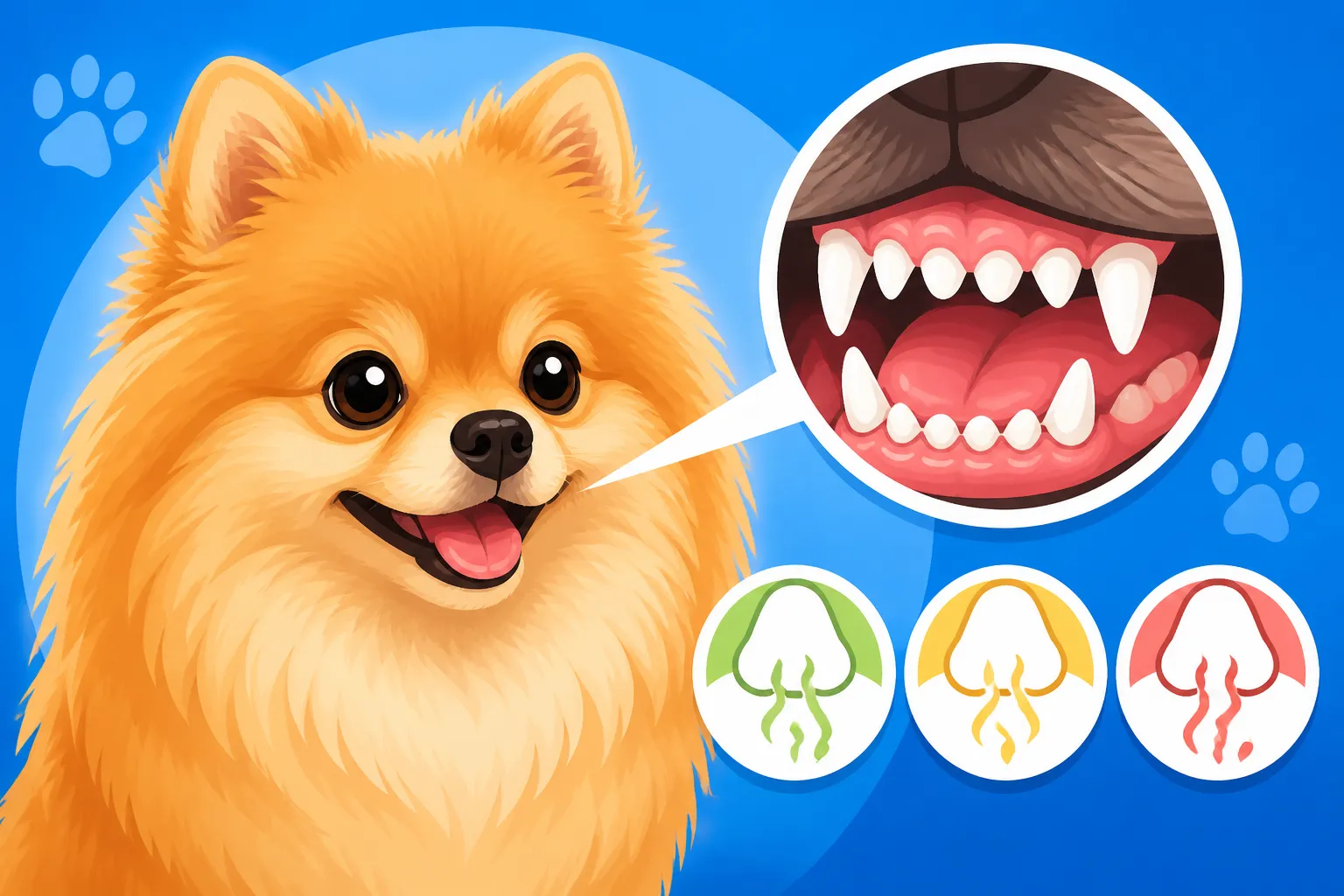
Let's be real, no dog's breath smells like a bed of roses. There's a certain natural canine scent, a faint earthiness, that's generally considered normal. But when that scent graduates from subtly "doggy" to overtly offensive – think rotten fish, decaying matter, or a truly sour stench – that's your cue to pay close attention. This shift isn't just about an unpleasant odor; it's the gaseous byproduct of bacteria thriving in plaque and tartar, actively attacking your Pomeranian's gum tissue and teeth. Many owners tell me they initially try to ignore it, or buy some doggy breath spray, hoping it will magically disappear. But the spray only masks the problem; it doesn't solve it. The underlying issue, usually gum inflammation or infection, continues to worsen beneath the surface.
When you notice a truly foul odor, it's often linked to the progression of periodontal disease. This isn't just about bad breath; it's about the erosion of healthy tissue and bone. Imagine having a persistent, painful toothache or gum infection and trying to go about your day – your Pomeranian feels this too, even if they're masters at hiding discomfort. The truth is, if you can smell their breath from more than a few inches away, you’re almost certainly dealing with bacteria that need to be addressed. It's a clear signal that the delicate balance of their oral microbiome has been disrupted and harmful bacteria are winning the battle.
The Silent Culprit: Plaque and Tartar Buildup in Tiny Mouths
The primary cause of that noxious breath is plaque, a sticky film of bacteria, food particles, and saliva that constantly forms on your Pomeranian's teeth. If not removed daily through brushing or chewing, this plaque hardens into tartar (calculus) within a mere 24 to 48 hours. Tartar is rough and porous, providing even more surface area for bacteria to cling to and multiply. Unlike plaque, tartar cannot be brushed away; it requires professional dental cleaning under anesthesia to remove. And this is where the real trouble for your Pomeranian's gums begins.
Pomeranians, with their famously small mouths, are particularly susceptible to this buildup. Their teeth are often crowded, making it incredibly difficult for their owners to adequately clean every surface and for natural chewing to dislodge food particles. This crowded environment creates perfect little nooks and crannies where plaque and tartar can accumulate undisturbed, especially around the gum line. The constant presence of these bacterial colonies irritates the gums, leading to inflammation and infection – the hallmark of gum disease. You might not see the plaque or tartar easily beneath their fluffy lips, but the bacteria are hard at work, slowly destroying the supporting structures of their teeth. Without intervention, this process is relentless. This is also why many owners ask, "Whether a Pomeranian needs its teeth brushed daily?". The answer, unequivocally, is yes, to fight this relentless buildup.
Unpacking the Stages of Pomeranian Gum Disease
Understanding the progression of gum disease, also known as periodontal disease, is crucial because the earlier it's caught, the more effectively it can be treated and even reversed. For Pomeranians, due to their unique oral anatomy, this understanding is even more critical.
From Gingivitis to Periodontitis: What's Happening Beneath the Gums
Gum disease is a progressive condition, typically categorized into four stages, each more severe than the last. The bad breath you notice is a symptom that worsens with each stage.
Stage 1: Gingivitis
This is the earliest and most reversible stage. It's characterized by inflammation of the gums, caused by plaque buildup along the gum line. You might notice redness and slight swelling of the gums, and perhaps a faint, but definitely noticeable, unpleasant odor. At this stage, there's no attachment loss (meaning the gums haven't pulled away from the teeth), and no bone loss. With proper care, including thorough professional cleaning and diligent home care, gingivitis can often be completely reversed.
Stage 2: Early Periodontitis
At this stage, the inflammation has started to affect the tissues supporting the teeth. The gums may appear more red and swollen, and they might bleed easily. The bad breath will be more pronounced. Critically, there's now minor attachment loss and some early bone loss, meaning the gum tissue is starting to recede and pockets are forming between the tooth and gum. While irreversible bone loss has begun, aggressive professional cleaning and treatment can often prevent further progression and save the affected teeth.
Stage 3: Moderate Periodontitis
This is where things become significantly more serious. The bad breath will be very strong and persistent. You'll likely see pronounced redness, swelling, and bleeding of the gums. There's significant attachment loss (25-50%) and moderate bone loss. Deep pockets will have formed around the teeth, providing ideal breeding grounds for bacteria. Pomeranians at this stage might show signs of pain when eating, or even paw at their mouth. Dental radiographs (X-rays) are essential to assess the extent of bone loss. Treatment often involves scaling and root planing, and sometimes extractions of severely affected teeth.
Stage 4: Advanced Periodontitis
This is the most severe and painful stage. The breath will be horrific. Gums will be severely inflamed, swollen, bleeding, and receding dramatically. There will be extensive attachment loss (over 50%) and severe bone loss. Teeth might be visibly loose, missing, or have exposed roots. Infections can spread beyond the mouth, affecting vital organs like the heart, liver, and kidneys. Your Pomeranian will likely be in considerable pain, struggling to eat. Treatment almost always involves extracting multiple teeth, potentially requiring complex surgical procedures. Prevention is always better than facing such a critical stage.
Here's a quick reference table for easier understanding:
| Stage of Gum Disease | Symptoms (including breath) | Gum/Bone Health | Treatment Approach |
|---|---|---|---|
| Gingivitis (Stage 1) | Mild bad breath, red/swollen gums | Reversible inflammation, no bone loss | Professional cleaning, diligent home care |
| Early Periodontitis (Stage 2) | Moderate bad breath, bleeding gums | Minor attachment/bone loss, some pocketing | Aggressive cleaning, root planing, home care |
| Moderate Periodontitis (Stage 3) | Strong bad breath, very red/swollen, pain | Significant attachment/bone loss, deep pockets | Deep cleaning, extractions of severely affected teeth |
| Advanced Periodontitis (Stage 4) | Horrific breath, loose/missing teeth, pain | Extensive attachment/bone loss, widespread infection | Multiple extractions, advanced surgical procedures |
Why Pomeranians are Particularly Prone
It’s not just bad luck that many Pomeranians end up with dental issues; there are some inherent reasons why they are predisposed to gum disease. Their small stature means they have tiny jaws, yet they possess the same number of teeth as a much larger dog. This often leads to teeth being crammed together, overlapping, or rotated, creating tight spaces that are nearly impossible to clean effectively, either through natural chewing or home brushing. These crowded conditions are a breeding ground for plaque and tartar. Owners are often surprised at the severity when they ask, "Why a Pomeranian's teeth crowd and rot?".
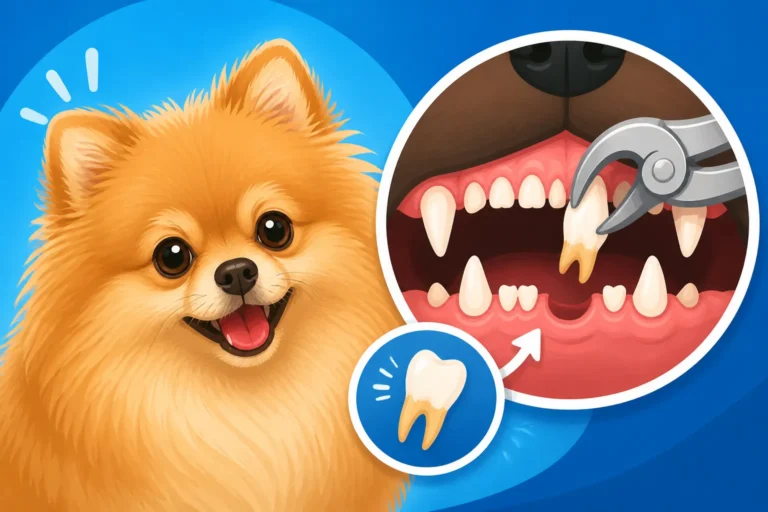
Furthermore, Pomeranians are known for retaining their puppy teeth (deciduous teeth) longer than they should. When puppy teeth don't fall out naturally and adult teeth erupt alongside them, it creates a "double row" of teeth. This traps food and debris even more effectively, accelerating plaque and tartar buildup and making cleaning almost impossible. This condition, often leading to a need for "Pulling a Pomeranian's Retained Canines," is a common factor in early onset periodontal disease for the breed. If these issues aren't addressed early, the stage is set for a lifetime of dental challenges.
Beyond Odor: Other Critical Signs of Oral Distress
While bad breath is usually the first thing owners notice, it's vital to recognize that it's often accompanied by other subtle or overt symptoms. These additional clues can help you gauge the severity of the problem and prompt you to seek veterinary attention even faster. Don't wait for your Pomeranian to be visibly suffering; they are incredibly stoic creatures.
Behavioral Changes and Eating Habits
A Pomeranian experiencing oral pain or severe gum disease might show subtle shifts in their behavior that an attentive owner can pick up on. You might notice they suddenly become pickier with their food, perhaps shying away from hard kibble or refusing certain treats they once loved. Instead, they might favor softer foods or try to gulp down their kibble without much chewing. If you observe them struggling to chew, dropping food from their mouth, or only chewing on one side, these are all strong indicators of dental discomfort. Some Poms might start pawing at their mouth or rubbing their face against furniture or your leg, trying to alleviate an itch or dull a persistent ache.
Moreover, a once playful Pomeranian might become more subdued, less eager to engage in tug-of-war or play with chew toys. The pain can make them irritable or even withdrawn, especially if you try to touch their face or open their mouth. Sometimes, they might even start drooling excessively, or you might notice blood-tinged saliva on their toys or bedding. These behavioral changes are their silent pleas for help, signalling that the foul breath isn't just an annoyance, but a symptom of genuine pain.
Visible Clues and Systemic Impacts
Beyond behavioral cues, there are several visible signs of gum disease that you can look for during a gentle examination of your Pomeranian's mouth – if they allow you. The most obvious is the appearance of their gums. Healthy gums should be a pale pink color, firm, and hug tightly around the teeth. Gums that are bright red, swollen, or appear to be receding (pulling away from the tooth surface, exposing the root) are clear indicators of gingivitis or more advanced periodontal disease. You might also see pus around the gum line or notice visible tartar buildup, especially on the back teeth, appearing as a brownish-yellow crust.
However, the impact of gum disease isn't limited to the mouth. The bacteria from infected gums can enter the bloodstream, traveling to other organs and causing more serious systemic health problems. This is a crucial, often overlooked, aspect of dental care. Chronic infections in the mouth can lead to issues like endocarditis (inflammation of the heart lining), kidney disease, and liver problems. So, that persistent bad breath isn't just about a stinky mouth; it's a potential gateway to serious health complications for your Pomeranian, making regular dental care an integral part of their overall longevity. Pet insurance providers like Healthy Paws often highlight the importance of preventive care, understanding these widespread health implications.
Proactive Steps: Safeguarding Your Pomeranian's Oral Health
Knowing the risks is one thing, but taking proactive steps to safeguard your Pomeranian’s oral health is where true responsible pet ownership shines. The good news is that with dedication and consistency, you can significantly reduce their risk of severe gum disease and keep their breath smelling fresher.
The Daily Routine: Brushing, Dental Chews, and Water Additives
The single most effective way to prevent plaque from turning into tartar and leading to gum disease is daily tooth brushing. Yes, daily! For a tiny Pomeranian mouth, this might sound daunting, but it's absolutely crucial. Start by getting your puppy used to having their mouth handled and a special pet toothbrush or finger brush gently rubbed on their gums. Use dog-specific toothpaste; human toothpaste is not safe for dogs. Focus on the outside surfaces of the teeth, especially where the gums meet the tooth, as this is where plaque accumulates most rapidly. Even a minute of gentle brushing can make a world of difference. Many owners wonder, "What a Pomeranian's breath says about its gums" as a sign of neglect, but with proper brushing, you can shift that narrative.
Beyond brushing, incorporating vet-approved dental chews into their routine can provide some mechanical abrasion to help reduce plaque. Look for products with the Veterinary Oral Health Council (VOHC) seal, which indicates they meet standards for plaque and/or tartar control. Be mindful of sizing; you need chews small enough for your Pomeranian to safely manage without choking. Some water additives are also available that can help reduce bacteria in their drinking water, offering an additional layer of protection, though they are never a substitute for brushing. Remember, consistency is key. Even if your Pomeranian isn't thrilled about brushing at first, with patience, positive reinforcement, and making it a routine, it can become a tolerable, even enjoyable, part of their day.
Professional Care: Regular Vet Check-ups and Dental Procedures
Despite your best efforts at home, professional dental care remains an indispensable part of your Pomeranian’s oral health strategy. Just like humans, dogs need regular dental check-ups and cleanings. Your veterinarian can assess your Pomeranian’s oral health during routine examinations, identifying early signs of gum disease or other issues like retained puppy teeth, which often require intervention such as "The Age a Pomeranian Should Lose Its Baby Teeth". The American Veterinary Dental College recommends annual dental check-ups, and professional cleanings under anesthesia as needed. These cleanings allow the vet to thoroughly scale away tartar above and below the gum line, polish the teeth, and probe for gum pockets – areas that are impossible to reach with a toothbrush.
For Pomeranians, who often develop significant tartar quickly, a professional cleaning might be necessary every one to three years, sometimes even more frequently depending on their individual needs and home care regimen. Many owners worry about the anesthesia for small dogs, especially when considering "Anesthesia Risk in a Four Pound Pomeranian". However, modern veterinary anesthesia protocols are very safe, with pre-anesthetic bloodwork, IV fluids, and continuous monitoring greatly minimizing risks. The benefits of a healthy mouth far outweigh the minimal risks of anesthesia. These procedures, while an investment, can save your Pomeranian from pain, tooth loss, and more serious systemic illnesses down the line. It's also worth noting that pet insurance plans, like those offered by Healthy Paws, can be incredibly helpful in offsetting the costs of these essential procedures, potentially covering a significant portion of what "What Insurance Pays Toward a Pomeranian Dental" might entail. By combining diligent home care with regular professional veterinary attention, you’re giving your Pomeranian the best chance at a long, healthy, and happy life free from the discomfort of gum disease.
Disclaimer
The information provided in this article is for general informational purposes only and is not a substitute for professional veterinary advice. Always consult with a qualified veterinarian regarding your Pomeranian's health, diagnosis, and treatment plan.