Whether a Pomeranian Can Eat With Missing Teeth
It's incredibly worrying when you notice your beloved Pomeranian starting to struggle with their meals, especially if you suspect missing teeth are the culprit. Many Pom parents find themselves agonizing over whether their little companion can still get proper nutrition and enjoy mealtime without a full set of pearly whites. This comprehensive guide is here to reassure you and provide practical, empathetic advice on how to adapt your Pomeranian's diet and care to ensure they thrive, even with a gappy grin.
Understanding Dental Health in Pomeranians
Pomeranians, with their adorable, compact size, unfortunately, come with a predisposition to certain dental woes. It's not uncommon for these tiny dogs to experience tooth loss, sometimes far earlier than you might expect. Understanding why this happens is the first step in addressing the issue and making sure your little fluffball stays healthy and happy.
Why Pomeranians Are Prone to Tooth Loss
Let's be real, those tiny mouths are just not built for the number of teeth they're supposed to house. Imagine trying to fit a full set of adult human teeth into a child's mouth – that's often what's happening inside a Pomeranian's jaw. This overcrowding is a major factor. When teeth are crammed together, they create tiny crevices that are perfect breeding grounds for plaque and tartar. It becomes incredibly difficult to keep them clean, even with diligent brushing. This inherent structural issue makes Pomeranians highly susceptible to Dental Disease in a Mouth the Size of a Pomeranian's, which is a leading cause of premature tooth loss.
Beyond the physical constraints, genetics also play a significant role. Some Pomeranian lines are simply more prone to weaker enamel, poor tooth alignment, or faster progression of gum disease. Without consistent and effective dental care from a young age, this genetic predisposition can lead to a cascade of problems, often culminating in the need for extractions. It's a frustrating reality, but it's something many Pom owners face. The fact that their tiny teeth often crowd and rot is a challenge we have to proactively manage.
Common Causes of Missing Teeth
When we talk about missing teeth in Pomeranians, the overwhelming majority of cases can be traced back to periodontal disease. This isn't just a bit of bad breath; it's a serious infection of the gums and bone that support the teeth. It starts with plaque, hardens into tartar, and then creeps under the gum line, silently destroying the bone holding the tooth in place. By the time you notice a loose tooth or a foul odor (which you can learn more about by reading What a Pomeranian's Breath Says About Its Gums), the disease is often quite advanced, and extraction becomes the only viable option to prevent further pain and infection spreading throughout the body.
Trauma is another, albeit less common, cause. A fall, an accidental kick, or even rough play with a larger dog can dislodge or break a tiny Pomeranian tooth. While less frequent, these acute injuries can lead to immediate tooth loss. Lastly, we have to consider retained deciduous teeth, or "baby teeth." Pomeranians often fail to lose these baby teeth naturally, leading to a situation where both adult and baby teeth occupy the same socket. This double set of teeth exacerbates overcrowding, traps food particles, and accelerates the onset of periodontal disease, often necessitating the removal of the persistent baby teeth, or even the adult ones if significant decay has already occurred. This issue is so common that understanding The Baby Canines a Pomeranian Fails to Lose is crucial for any Pom owner.
How Missing Teeth Affect a Pomeranian's Eating
It might seem obvious that missing teeth would impact eating, but the nuances are often overlooked. It's not just about the pain; it's about the mechanics of how your Pomeranian processes food and the potential nutritional deficiencies that can arise if they can't eat properly.
Challenges with Different Food Textures
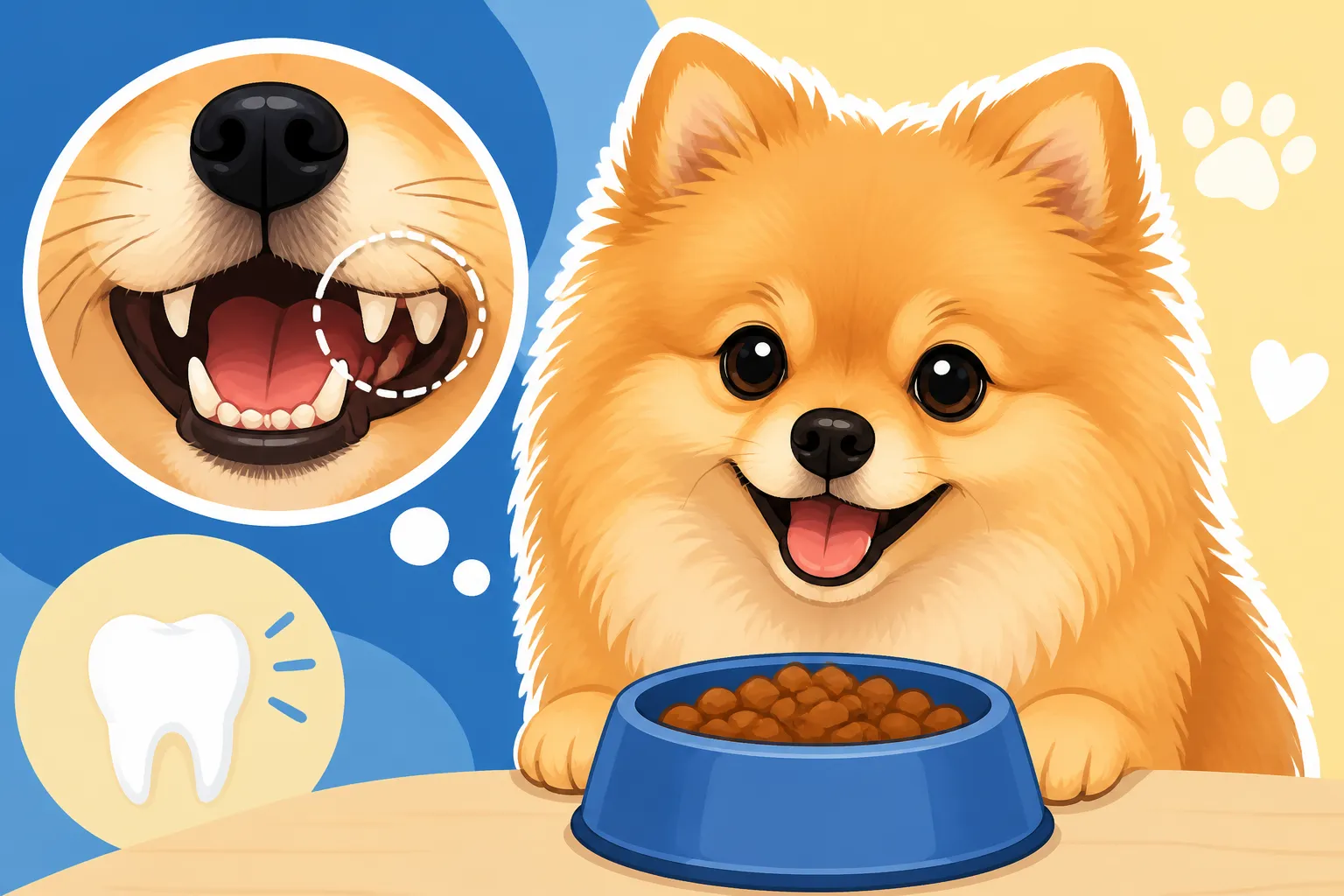
Think about how you eat a steak versus a bowl of soup. Different textures require different dental strategies. For a Pomeranian with a full set of teeth, the incisors might tear, the canines grip, and the molars grind. When some of these tools are missing, especially molars, their ability to process harder foods like dry kibble is severely compromised. They might try to swallow kibble whole, which can lead to choking or indigestion, or they might simply give up trying to chew it altogether. This isn't just inconvenient; it can be downright painful if they try to chew with sensitive gums or remaining teeth that are already compromised. Many owners notice their Poms dropping kibble or struggling to pick it up, which is a clear indicator that their usual diet is no longer working.
Wet food, on the other hand, presents fewer physical barriers. It can be lapped up or gently gummed, requiring little to no actual chewing. This often makes it the preferred option for Poms with significant tooth loss, but relying solely on certain types of wet food might not always provide the full nutritional profile they need, which we'll delve into shortly. The key is recognizing that their ability to chew and process food has fundamentally changed, and our approach to feeding them must change with it.
Signs Your Pomeranian is Struggling to Eat
Sometimes, our little Poms are incredibly stoic, and they won't always cry out in pain. Instead, they'll show subtle signs that they're struggling. One of the most common indicators is changes in their eating habits. You might notice them approaching their food bowl with enthusiasm, only to eat a few bites and then walk away, or they might take an unusually long time to finish a meal. Dropping food, chewing exclusively on one side of their mouth, or suddenly preferring only soft treats over their regular kibble are all big red flags.
Beyond the food bowl, look for other physical signs. Weight loss is a serious concern, as inadequate food intake over time can lead to a decline in overall health. You might also notice increased drooling, pawing at their mouth, or a reluctance to let you touch their face. Bad breath, even with missing teeth, can indicate residual infection or further gum issues. If your Pomeranian, usually a food-motivated little dynamo, starts showing disinterest, it's a clear signal that something is amiss, and it's time to investigate. Don't dismiss these signs; they are your Pom's way of telling you they're in discomfort.
Adapting Your Pomeranian's Diet for Missing Teeth
The good news is that having missing teeth doesn't mean your Pomeranian can't enjoy their meals or get all the nutrients they need. It just means you need to be a little more creative and proactive in how you approach their diet.
Transitioning to Softer Foods
The most straightforward adjustment is to switch to softer food options. This could mean a complete transition to canned wet food, which is easy to lap up and swallow. When choosing wet food, look for high-quality options that are complete and balanced for small breeds. If your Pom still enjoys the flavor of their dry kibble, but struggles with the texture, you can rehydrate it by adding warm water or low-sodium chicken broth and letting it sit for 10-15 minutes until it softens into a mush. This makes it much easier to consume without chewing.
For Poms with very sensitive mouths or extensive tooth loss, homemade purees can be a godsend. Cooked chicken or lean ground beef blended with sweet potato, pumpkin, or green beans can create a nutritious and palatable meal. Always ensure any homemade food is balanced and cooked thoroughly without seasoning or ingredients toxic to dogs. Remember, the goal is to make eating comfortable and enjoyable again. Many owners find success experimenting with different brands and textures until they find what their Pom readily accepts. This also ties into advice on Softening Food for a Senior Pomeranian, as dental issues often become more prevalent with age.
| Food Type | Pros | Cons | Recommendation for Poms with Missing Teeth |
|---|---|---|---|
| Dry Kibble | Convenient, promotes dental health (if chewed) | Difficult to chew, painful for sore gums, choking hazard | Rehydrate with warm water/broth until soft; choose very small kibble if any teeth remain. |
| Wet Canned Food | Easy to eat, palatable, high moisture content | Can be less calorie-dense, some Poms get messy | Excellent primary option; look for complete and balanced formulas. |
| Fresh/Cooked | Highly palatable, digestible, customizable | Requires preparation, needs careful balancing of nutrients | Good for supplementing or as a primary diet if vet-approved and balanced. |
| Raw Food | Can be palatable, promotes some dental health (bones) | Risk of bacterial contamination, requires careful handling, choking hazard (bones) | Generally not recommended due to chewing difficulties and increased health risks without proper knowledge. |
Nutritional Considerations and Supplements
When you're altering your Pomeranian's diet, it's crucial to ensure they're still getting all the essential nutrients. Softer foods can sometimes be less calorie-dense than their dry counterparts, meaning your Pom might need to eat a bit more to maintain their weight. Monitor their body condition closely – you should be able to feel their ribs without pressing hard, but they shouldn't be visibly bony. If you're going the homemade route, it's highly advisable to consult with your veterinarian or a veterinary nutritionist to ensure the diet is complete and balanced. Simply feeding chicken and rice long-term, for example, is not sufficient.
Supplements can also play a role, but always discuss these with your vet first. For instance, fish oil can support skin and coat health, and some joint supplements might be beneficial for older Poms. However, the most important "supplement" is often just a high-quality, balanced diet that your Pom can actually consume without pain. Focusing on foods rich in high-quality protein, which is essential for maintaining muscle mass and general health, is key. You might recall learning about The Protein a Pomeranian's Coat Needs in another article, and this remains important for their overall well-being.
Eating Aids and Techniques
Sometimes, it's not just what they eat, but how they eat. For Poms with missing teeth, especially if they've also lost some of their front teeth, scooping up food can be challenging. Elevated food bowls can make a huge difference, allowing them to reach their meal more comfortably without stooping or straining their neck. The height should be appropriate for their small stature.
You might also find that smaller, more frequent meals throughout the day are easier for them to manage than one or two large ones. This reduces the amount of food they need to process at any given time. If your Pom is particularly struggling, or if they have other health issues, gentle hand-feeding might be necessary to encourage them to eat. Creating a calm, quiet eating environment, free from distractions, can also help your Pom relax and focus on their meal. Remember, mealtime should be a positive experience, not a source of stress or pain.
Ongoing Care for a Pomeranian with Dental Issues
Living with a Pomeranian who has missing teeth is an ongoing journey that requires consistent attention to their oral health and overall well-being. It's not just about managing the immediate problem; it's about preventing further complications and ensuring their comfort for the long haul.
Regular Veterinary Check-ups and Proactive Measures
Even if your Pomeranian has had several teeth extracted, regular veterinary check-ups remain absolutely essential. These visits allow your vet to assess the remaining teeth and gums for any new signs of disease or discomfort. They can also monitor for other health issues that often accompany aging, like thyroid problems or kidney disease. Think of it as proactive health management, not just reactive treatment.
It's tempting to think that once the bad teeth are out, the dental problems are over, but that's rarely the case with Pomeranians. The conditions that led to the initial tooth loss often persist, threatening any remaining teeth. Your vet can advise on preventative measures to safeguard what's left, and sometimes this might even include discussing future professional dental cleanings under anesthesia, even for older Poms. It’s a common worry for owners about the anesthetic risk in a small dog, and discussing Whether an Old Pomeranian Should Have a Dental with your vet can provide clarity on the balance of risks and benefits. When considering such procedures, providers like Healthy Paws can often help with coverage for necessary dental work, which is a relief for many families.
Maintaining Oral Hygiene with Fewer Teeth
While daily brushing might seem less critical with fewer teeth, maintaining oral hygiene is still incredibly important. The focus shifts from brushing every tooth to keeping the gums healthy and cleaning any remaining teeth. Your vet can show you how to gently brush your Pomeranian's gums and the surfaces of any remaining teeth using a soft finger brush or a tiny, soft-bristled toothbrush. This helps remove plaque buildup and stimulates gum tissue, improving circulation and reducing inflammation.
In addition to gentle brushing, dental rinses and water additives designed for dogs can be helpful. These products often contain ingredients that inhibit bacterial growth and freshen breath. While they don't replace mechanical cleaning, they can certainly complement your efforts. The goal is to keep the oral environment as clean and healthy as possible to prevent further periodontal disease and ensure your Pom's comfort. Even a partially toothless Pomeranian benefits from consistent oral care, as detailed in guides like Brushing a Pomeranian's Teeth Every Day.
Managing Pain and Discomfort
Perhaps the most critical aspect of caring for a Pomeranian with missing teeth is ensuring they are free from pain and discomfort. Dental pain can be chronic and insidious, affecting their quality of life in ways we don't always immediately recognize. If you suspect your Pomeranian is in pain – perhaps they're reluctant to eat, have a grumpy demeanor, or are generally less active – it's vital to speak with your vet immediately.
Your veterinarian can prescribe pain medication, such as anti-inflammatory drugs, to manage any discomfort. They can also explore other avenues if the pain is severe or ongoing. Sometimes, what looks like dental pain could be referred pain from another issue. Regular dental check-ups, as mentioned, are key to catching potential problems before they escalate. With the right care and attention, your Pomeranian can continue to live a full, happy life, enjoying their meals and playtime, even if they're a little short on teeth. Remember, companies like Healthy Paws offer pet insurance plans that can significantly help manage the costs of such ongoing treatments and vet visits, easing the financial burden on concerned pet parents.
Disclaimer
Please remember that this article is intended for informational purposes only and should not be taken as professional veterinary advice. Always consult with a qualified veterinarian regarding your Pomeranian's specific health concerns and before making any changes to their diet or care routine.