Arthritis in a Pomeranian at Ten
Seeing your beloved Pomeranian start to slow down and show signs of discomfort, especially as they reach that respectable age of ten, can be heartbreaking and frankly, a bit scary. It's a common worry among Pom parents to wonder if those little hesitations or stiffness after a nap mean something more serious. This comprehensive guide is here to walk you through understanding arthritis in your senior Pomeranian, how to spot the signs, and what you can do to keep them comfortable and happy.
Understanding Arthritis in Your Senior Pomeranian
It’s a tough truth that as our Poms age, just like us, their bodies start to feel the effects of years of running, playing, and just being adorable, active dogs. Arthritis, or osteoarthritis, is a significant concern for many senior pups, and recognizing it early is key to managing their comfort and quality of life.
What is Canine Arthritis and Why Poms Get It
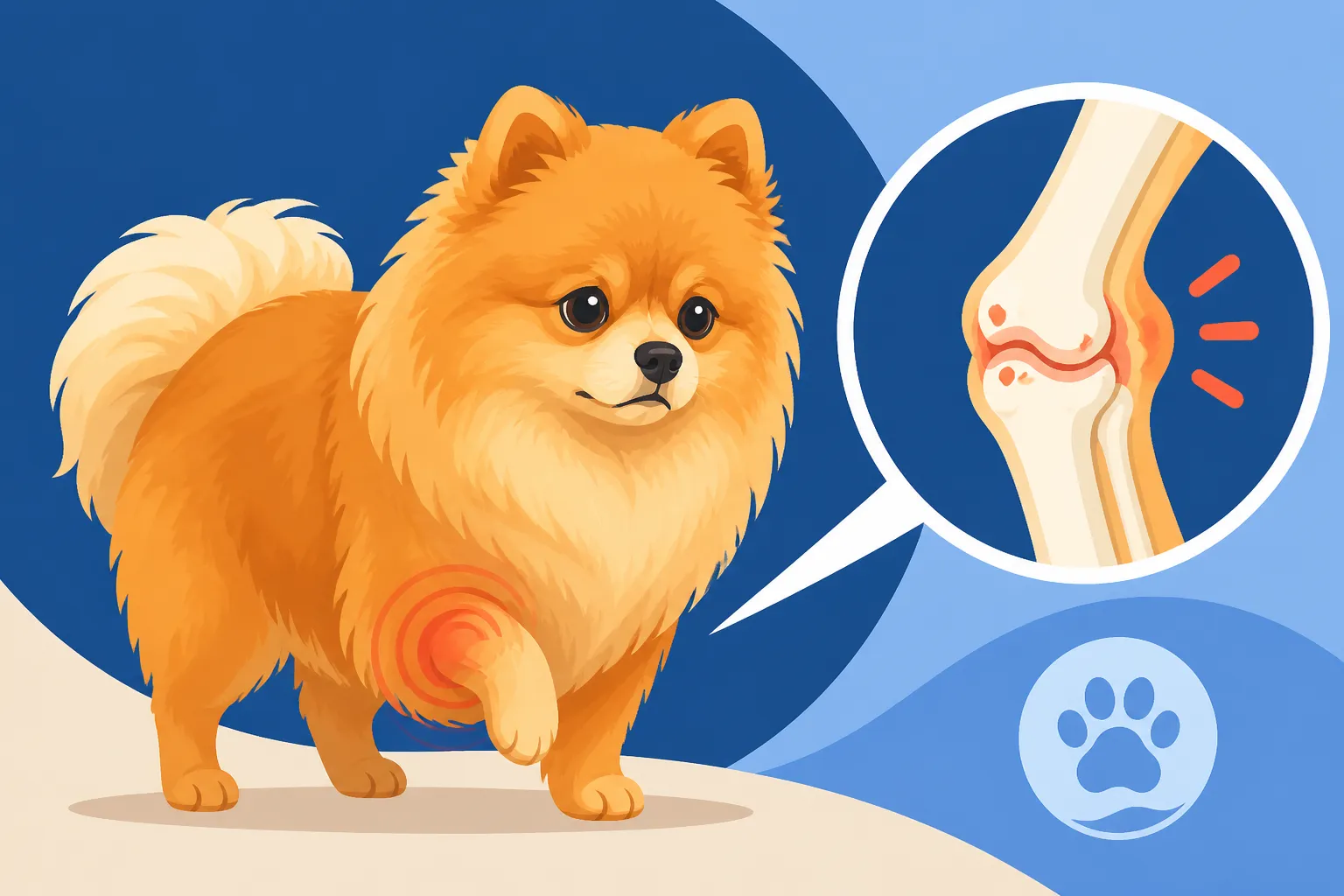
At its heart, canine arthritis is a progressive and painful condition where the protective cartilage in a dog's joints starts to break down. This smooth tissue usually acts as a cushion between bones, allowing for easy, frictionless movement. When it erodes, bones start to rub against each other, leading to inflammation, pain, stiffness, and reduced mobility. Think about how your own knees might ache on a cold day, but amplify that for your little Pom whose entire skeletal structure is so much smaller and more delicate.
Pomeranians, despite their small size, are not immune to this. In fact, certain factors can make them quite susceptible. Genetics play a big role; some Poms are simply predisposed due to their lineage. Past injuries, even seemingly minor ones from their younger, more boisterous days, can set the stage for arthritis later on. Conditions like luxating patella, where the kneecap slips out of place, are notoriously common in smaller breeds, and even if it was corrected or managed when they were younger, that joint often bears the brunt of early wear and tear, making it a prime candidate for arthritis in their golden years. This wear and tear, combined with the general aging process and the cumulative stress on their tiny joints, really adds up by the time they reach double digits.
Recognizing the Subtle Signs of Joint Pain
One of the biggest frustrations for Pomeranian owners is that our Poms are often masters of masking pain. Their instinct is to hide discomfort, and their small size means their symptoms can be incredibly subtle at first. You might not see obvious limping right away, which is what many people expect. Instead, look for more nuanced changes in their behavior. Are they hesitating before jumping on the couch, where they once leaped without a second thought? Maybe they're taking longer to settle into a comfortable position for a nap, or perhaps they're slower to get up after lying down for a while.
You might notice a general reluctance to engage in activities they once loved, like playing fetch or going for longer walks. Some Poms might become a little irritable when handled, especially if you touch a sore spot, or they might snap if another pet or child bumps into them unintentionally. Even their grooming habits can change; reaching certain parts of their body to scratch or lick might become too painful, leading to matting or changes in their coat. Pay attention to how they walk; sometimes it's not a limp, but a slight stiffness, a different carriage of their tail, or a more careful, deliberate gait. These seemingly small shifts are crucial indicators that something is amiss, signaling it's time to consider The First Signs a Pomeranian Is Aging.
Common Joints Affected in Older Pomeranians
While arthritis can technically affect any joint, some areas are far more common culprits in aging Pomeranians. Understanding these specific vulnerabilities can help you communicate more effectively with your vet and observe your Pom for targeted symptoms.
The knees are often top of the list, largely due to the breed's predisposition to luxating patellas. If your Pom has ever had a "skip" in their step or a history of knee issues, that joint will almost certainly be one of the first to show arthritic changes. Even if their luxating patella was a low grade and managed without surgery, years of that kneecap moving incorrectly can lead to significant cartilage damage over time. Slipping Kneecaps in a Five Pound Pomeranian is a challenge for many owners.
The hips can also become arthritic. While hip dysplasia is more commonly associated with larger breeds, smaller dogs can suffer from it, or simply from general wear and tear in the hip joint, leading to pain in the lower back and hind legs. You might see difficulty with stairs or getting into a sitting position.
Less common but still possible are the elbows and spine. Spinal arthritis can manifest as stiffness in the neck or back, difficulty turning, or even neurological symptoms if nerve compression occurs. Any joint that has experienced repeated stress, minor trauma, or congenital abnormalities throughout their life is a potential target for arthritic development as they get older.
Getting a Diagnosis and Creating a Care Plan
Once you've noticed those subtle changes, the next crucial step is getting your vet involved. Self-diagnosing is never a good idea, as many conditions can mimic arthritis, and a proper veterinary assessment is indispensable.
The Importance of a Veterinary Examination
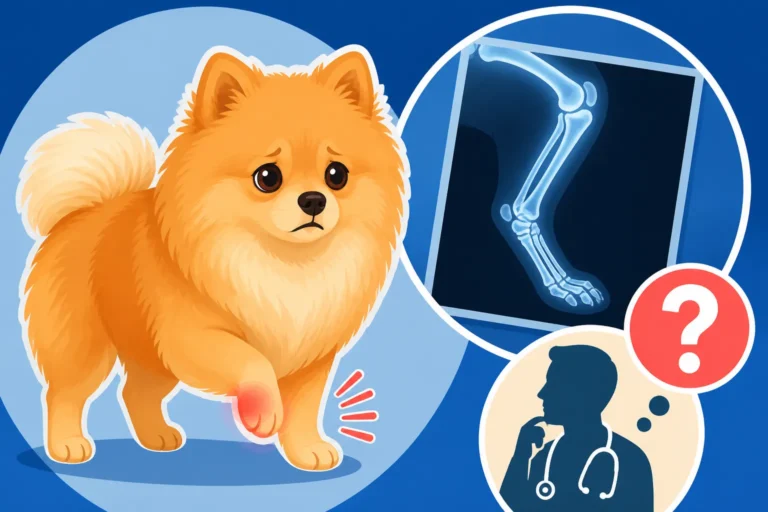
When you bring your ten-year-old Pom in for their check-up, be prepared to describe everything you've observed, no matter how small or insignificant it might seem. Your vet will perform a thorough physical examination, carefully palpating each joint, checking for swelling, pain, and range of motion. They’ll also observe your Pomeranian’s gait and posture. This initial hands-on assessment is often the first big clue.
Beyond the physical exam, your vet might recommend X-rays. These images allow them to visualize the bone structure and joint spaces, revealing classic signs of arthritis like bone spurs (osteophytes), joint space narrowing, and changes in bone density. They’ll also want to rule out other conditions that could be causing similar symptoms, such as neurological issues, soft tissue injuries, or even other age-related diseases. This is also a good time to discuss comprehensive wellness care, something an organization like Healthy Paws would highly recommend, ensuring you're covered for unexpected medical needs. The Checkup Schedule a Pomeranian Should Keep should include thorough evaluations for joint health as they age.
Tailoring a Management Strategy for Comfort
Once arthritis is confirmed, the good news is that there’s a lot we can do to manage the pain and improve your Pomeranian’s quality of life. There's no single "cure" for arthritis, but a multi-modal approach, combining various strategies, is usually the most effective. Your vet will work with you to tailor a plan specifically for your Pom, taking into account their overall health, the severity of their arthritis, and any other existing conditions.
This plan will likely include a combination of:
- Medication: To manage pain and inflammation.
- Nutritional supplements: To support joint health.
- Weight management: To reduce stress on affected joints.
- Physical therapy: To improve strength and flexibility.
- Environmental modifications: To make their home more comfortable and accessible.
It's a dynamic process, meaning what works today might need adjustment in six months. Regular follow-ups with your vet are essential to monitor your Pom’s progress and tweak the plan as needed. This comprehensive approach is all about keeping your furry friend as pain-free and mobile as possible for the rest of The Twelve to Sixteen Years a Pomeranian Lives.
Daily Management and Lifestyle Adjustments for Arthritic Poms
Living with an arthritic Pomeranian means making some thoughtful adjustments to their daily routine and environment. It’s about more than just medication; it’s about a holistic approach to their comfort and well-being.
Pain Management and Anti-Inflammatory Options
The cornerstone of arthritis management is often medication to reduce pain and inflammation. Non-steroidal anti-inflammatory drugs (NSAIDs) are commonly prescribed by veterinarians. Brands like Rimadyl, Metacam, and Galliprant are examples you might encounter. These medications work by targeting the inflammation that causes pain, much like how ibuprofen works for humans, but it's vital to use only veterinary-prescribed NSAIDs, as human versions can be toxic to dogs.
Your vet will determine the appropriate dosage and frequency, and often, blood tests will be recommended periodically to monitor your Pom’s liver and kidney function, as these medications can sometimes have side effects. In addition to NSAIDs, other pain relievers like gabapentin or amantadine might be used, either alone or in conjunction with NSAIDs, especially for more severe or chronic pain. Sometimes, a course of therapeutic injections, such as polysulfated glycosaminoglycans (PSGAGs) like Adequan, might be recommended to help protect cartilage and reduce inflammation directly within the joint.
It's a common concern that giving daily medication might impact a small dog's system. That's why your vet's guidance is so critical, and regular follow-ups ensure that the medications are doing more good than harm. Don't be afraid to ask about all the options, and share any concerns you have about side effects.
Nutritional Support and Weight Management
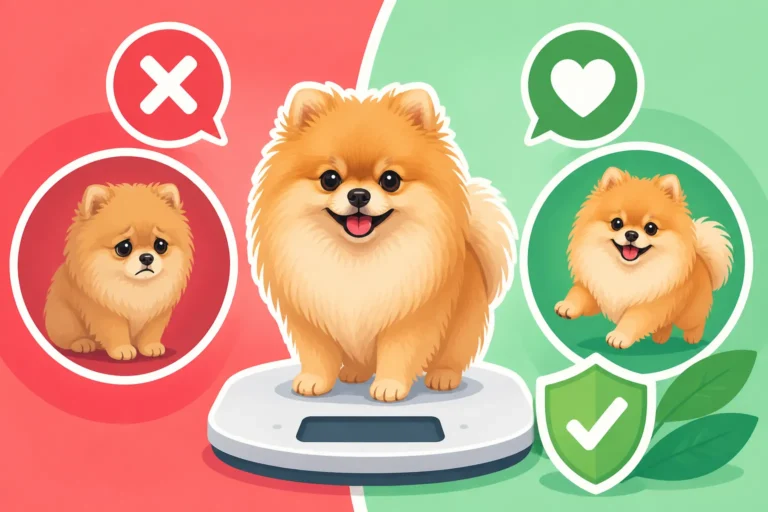
One of the most impactful things you can do for an arthritic Pomeranian is to help them maintain a healthy weight. Even an extra pound on a small dog like a Pom is equivalent to a significant amount of extra stress on human joints. Exercise a Pomeranian Needs to Stay Trim for sure. It's truly incredible how much difference just a quarter-pound can make in terms of their comfort and mobility. Your vet can help you determine the ideal weight for your Pom and develop a diet plan to achieve it.
Beyond weight, certain nutritional supplements can play a supportive role in joint health. Glucosamine and chondroitin are perhaps the most well-known. These compounds are natural components of cartilage and are thought to help slow its breakdown and support repair. Many owners swear by their effectiveness, and they are generally very safe. Omega-3 fatty acids, found in fish oil, are also powerful natural anti-inflammatories that can help reduce joint pain. You can find these supplements in chewable form or as liquids that can be added to food. Some premium dog foods specifically formulated for senior dogs or joint support will include these ingredients, making it easier to ensure your Pom is getting them. Always discuss any supplements with your vet before adding them to your Pom's regimen, as they can interact with other medications or might not be suitable for every dog. This preventative approach is part of Keeping a Pomeranian Going Past Fourteen.
Creating an Arthritis-Friendly Home Environment
Making your home a safe and comfortable haven for your arthritic Pomeranian is paramount. Imagine trying to navigate your house with aching joints – every jump, every slippery floor, every high step becomes a challenge.
- Ramps and Steps: Invest in small ramps or steps to help your Pom access favorite spots like the couch or your bed. This eliminates the need for painful jumping and protects their joints from impact. Products like PetSafe CozyUp Ramps or similar options designed for small breeds are excellent. Many companies offer Ramps and Steps Sized for a Pomeranian specifically for tiny breeds.
- Orthopedic Beds: A high-quality orthopedic dog bed provides superior support and cushioning, alleviating pressure on sore joints. Look for beds with memory foam that conforms to their body. These beds can make a huge difference in how stiff they feel after a long nap.
- Non-Slip Surfaces: Slippery floors (hardwood, tile) are a hazard for arthritic dogs. They can easily lose their footing, leading to falls and exacerbating joint pain. Place non-slip rugs or runners in high-traffic areas, especially where they get up from rest or enter/exit rooms. You can also get paw grips or special socks for their feet if they tolerate them.
- Easy Access to Essentials: Ensure food and water bowls are easily accessible without too much bending. Elevated bowls can sometimes help, especially if they have neck or back pain. Similarly, make sure their potty spot is easy to reach, especially if they're experiencing incontinence or have difficulty getting up quickly.
- Warmth: Many arthritic dogs benefit from warmth, especially in colder months. A cozy sweater, a heated bed on a low setting, or simply ensuring their sleeping area is draft-free can provide immense comfort.
These small changes might seem minor, but they collectively contribute to significantly improving your Pomeranian's daily comfort and independence, helping them navigate their world with less pain. For instance, guiding them gently onto a ramp instead of letting them jump off the sofa can prevent injury, especially as their ligaments and tendons become less resilient. For more ideas, consider reading Helping an Old Pomeranian Onto the Couch.
Gentle Exercise and Physical Therapy
While it might seem counterintuitive, gentle, consistent exercise is crucial for arthritic dogs. It helps maintain muscle strength, supports joint flexibility, and prevents stiffness. The key word here is gentle. High-impact activities, long runs, or intense play sessions are out.
Instead, think about:
- Short, frequent walks: Instead of one long walk, try two or three shorter, leisurely strolls throughout the day. This keeps their joints moving without overtaxing them. Walk on soft surfaces like grass rather than pavement.
- Controlled leash exercise: Keep them on a leash to prevent sudden bursts of running or jumping.
- Swimming (Hydrotherapy): If accessible, hydrotherapy in a heated pool can be incredibly beneficial. The buoyancy of the water takes pressure off the joints while allowing for full range of motion. Many specialized canine rehabilitation centers offer this.
- Passive Range of Motion (PROM) exercises: Your vet or a certified canine physical therapist can teach you how to gently move your Pom's joints through their natural range of motion. This can help prevent stiffness and improve circulation.
- Massage: Gentle massage around affected joints can increase blood flow and ease muscle tension.
Always listen to your Pomeranian. If they seem tired or show signs of increased pain during or after exercise, stop and rest. The goal is to keep them mobile and comfortable, not to push them. Consistency is more important than intensity. Some pet insurance providers, like Healthy Paws, even offer coverage for rehabilitation therapy, making these valuable treatments more accessible. This ongoing support can make a huge difference, particularly if your Pom has a The Skip in a Pomeranian's Back Leg that becomes problematic.
Looking Ahead: Long-Term Care and Quality of Life
Caring for an arthritic Pomeranian is an ongoing journey that requires patience, observation, and a willingness to adapt. Your goal is to maximize their quality of life for as long as possible, ensuring their golden years are as comfortable and joyful as they deserve.
Regular Monitoring and Adapting Your Approach
Arthritis is a progressive condition, meaning it will likely worsen over time, albeit at varying rates for different dogs. This is why regular veterinary check-ups are so important. Your vet will want to see your Pomeranian every 3-6 months, or more frequently if symptoms change, to assess their pain levels, monitor their response to medication, and make any necessary adjustments to their care plan.
You, as their devoted owner, are the best observer of their daily comfort. Keep a journal of their good days and bad days. Note any new behaviors, changes in appetite or sleep patterns, or increased difficulty with certain activities. This information is invaluable to your vet. Don’t be afraid to advocate for your Pom. If you feel their pain isn’t adequately controlled, speak up. The aim is to find the right balance of interventions to keep them comfortable without compromising their overall health. For some, addressing Whether a Pomeranian Can Live With a Grade Two Knee might become a more pressing issue over time.
The Emotional Toll on Owners and How to Cope
Caring for a senior dog with a chronic, painful condition like arthritis can take an enormous emotional toll. It's perfectly normal to feel overwhelmed, sad, frustrated, or even guilty. Watching your once-vibrant Pomeranian struggle can be heartbreaking. You might feel like you're constantly weighing their comfort against potential side effects of medication, or worrying about their future.
It's crucial to acknowledge these feelings and allow yourself to experience them. You are doing a wonderful job providing care and love to your furry family member. Seek support from your vet, who can offer practical advice and emotional understanding. Connect with other pet owners who are going through similar experiences – online forums or local senior pet groups can be a great source of empathy and shared wisdom. Don't forget to take care of yourself too; a burnt-out caregiver isn't good for anyone. Remember, the love and comfort you provide are priceless, and they make all the difference to your Pomeranian.
Arthritis Treatment and Management Options for Pomeranians
| Treatment Type | Description | Common Examples / Approaches | Benefits | Considerations |
|---|---|---|---|---|
| NSAIDs | Non-steroidal anti-inflammatory drugs to reduce pain and inflammation. | Carprofen (Rimadyl), Meloxicam (Metacam), Grapiprant (Galliprant) | Rapid pain relief, reduced swelling. | Requires veterinary prescription. Potential side effects on liver/kidneys; regular blood monitoring is essential. Should not be mixed with other NSAIDs or certain steroids. |
| Other Pain Modifiers | Medications that target different pain pathways or work synergistically with NSAIDs. | Gabapentin (neuropathic pain), Amantadine (chronic pain modulation), Tramadol (opioid pain reliever, often used for acute pain or as an adjunct). | Can provide relief for specific types of pain or enhance NSAID effectiveness. | May cause sedation or gastrointestinal upset. Dosing needs careful management. |
| Joint Supplements | Oral supplements designed to support cartilage health and reduce inflammation. | Glucosamine, Chondroitin, MSM, Omega-3 Fatty Acids (fish oil). | Supports joint structure, reduces inflammation, generally safe for long-term use. | Effects can be subtle and take weeks to appear. Quality and concentration vary widely between brands. Always check with your vet for appropriate dosages, especially regarding Whether Joint Support Helps a Pomeranian's Knees. |
| Therapeutic Injections | Injections given directly into the joint or subcutaneously to lubricate or reduce inflammation. | Polysulfated Glycosaminoglycans (PSGAGs – e.g., Adequan), Hyaluronic Acid, Corticosteroids (less common due to side effects). | Direct action on joints, can provide sustained relief. | Administered by a vet. PSGAGs require a series of injections. Corticosteroids have significant potential side effects with long-term use. |
| Weight Management | Maintaining an ideal body weight through diet and controlled exercise. | Portion control, feeding a vet-recommended low-calorie or senior diet, healthy treats. | Significantly reduces stress on all joints, improves mobility. | Requires consistent effort from owner. Can be challenging if Pom is a picky eater or accustomed to larger portions. |
| Environmental Mods | Adjustments to the home environment to ease movement and prevent injury. | Ramps/steps for furniture, non-slip rugs on hard floors, orthopedic beds, elevated food/water bowls. | Prevents painful jumps/falls, provides cushioning for rest, improves accessibility. | Requires investment in specific products. May need some training for Pom to use ramps/steps. |
| Physical Therapy / Rehab | Structured exercises and modalities to improve strength, flexibility, and mobility. | Hydrotherapy (underwater treadmill), therapeutic exercises, massage, laser therapy, acupuncture. | Builds muscle, improves range of motion, reduces pain without medication. | Requires commitment to sessions, potentially expensive. Needs a certified canine rehabilitation therapist. Pet insurance, like Healthy Paws, may cover some rehab costs. |
| Surgery | Surgical intervention to correct joint abnormalities or severe damage. (Less common for primary arthritis management in senior Poms unless underlying cause, like severe patellar luxation, is present). | Total joint replacement (rare in Poms), FHO (Femoral Head Ostectomy – also rare), or procedures to correct severe luxating patella that is causing extreme pain or inability to bear weight. This might be considered if Whether a Pomeranian's Kneecap Needs Surgery is deemed unavoidable. | Can provide significant, lasting pain relief and improved function in severe cases. | Invasive, expensive, involves recovery time. Anesthesia risk is higher for older dogs. Usually considered only after conservative management fails, unless for specific, correctable issues. |
Disclaimer
The information provided in this article is for general informational purposes only and is not a substitute for professional veterinary advice. Always consult with a qualified veterinarian for any health concerns or before making any decisions related to your Pomeranian's medical care.