Whether Excitement Sets Off a Pomeranian’s Cough
That sudden, alarming hack or honk from your little Pomeranian when they get overly excited can be incredibly frightening and confusing. You might wonder if it's just a quirk of their personality or a sign of something more serious brewing beneath all that fluff. This guide is here to unravel the mystery behind why excitement often triggers a Pomeranian's cough, offering a deep dive into the underlying causes and practical steps you can take to help your beloved companion.
Understanding the Pomeranian Cough Beyond Just Excitement
It's tempting to think that a cough appearing during a moment of pure joy is simply a reaction to their overflowing enthusiasm, but for Pomeranians, it often points to a delicate underlying anatomical vulnerability. Their tiny frames house surprisingly delicate systems, and understanding these can illuminate why excitement becomes a trigger.
The Anatomy of a Pomeranian's Delicate Windpipe
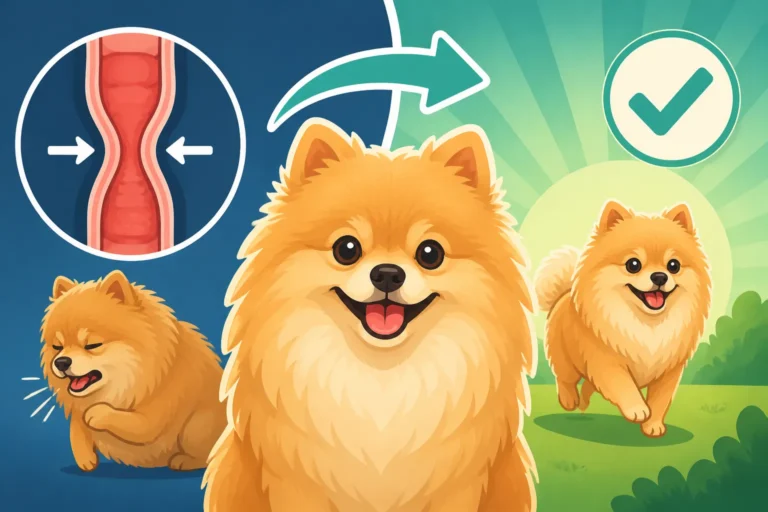
Imagine a vacuum cleaner hose; it's designed to be rigid, right? Now picture that hose collapsing in on itself every time the vacuum is turned on. That's a bit like what happens with a collapsing windpipe, or trachea, in a Pomeranian. The trachea is a tube made of C-shaped cartilage rings that connect the throat to the lungs. In many small breeds, including our beloved Poms, these cartilage rings can be weaker than they should be, or they can soften over time. This condition is called tracheal collapse.
When these rings weaken, the trachea can flatten, obstructing the airway. It’s not always a full collapse; sometimes it’s just a partial flattening that reduces airflow significantly. This narrowing forces the dog to work harder to breathe, and the friction of air moving through a compromised tube irritates the lining, leading to that distinctive cough. Think of trying to breathe through a pinched straw – it's difficult and uncomfortable. For a Pomeranian, this delicate structure is a significant part of their predisposition to coughing, and it's something many owners find themselves grappling with. Learning more about The Honking Cough of a Pomeranian's Collapsing Windpipe can provide further insight into this common condition.
Common Causes of Coughing in Pomeranians
While tracheal collapse is a prime suspect when excitement is a trigger, it’s crucial to remember that a cough can stem from various sources in a Pomeranian. It's not always a one-size-fits-all diagnosis. For instance, sometimes it’s simply a reverse sneeze, which sounds terrifying but is usually harmless – a kind of snorting fit as they try to clear something from their nasal passages. Then there are environmental irritants, like dust, smoke, or even strong perfumes, which can make any dog cough, let alone a tiny Pom with sensitive airways.
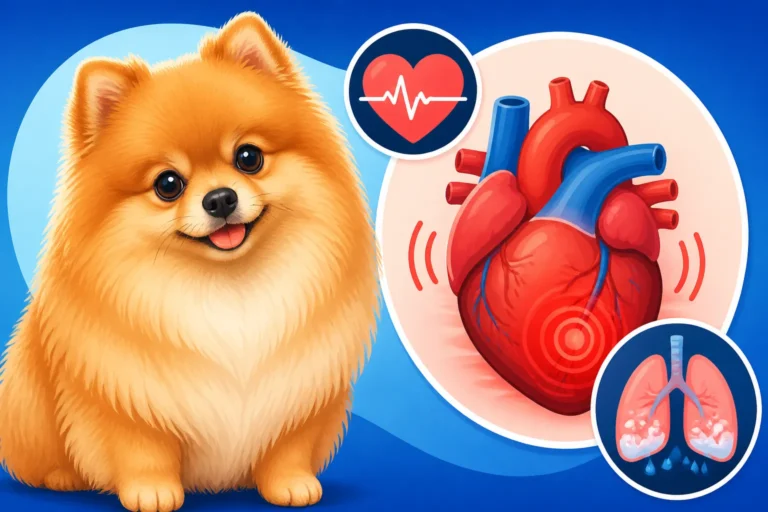
Beyond these, we must consider more serious issues. Allergies can cause respiratory irritation and coughing, much like they do in humans. Heart conditions, particularly those affecting older dogs, can lead to fluid buildup in the lungs, resulting in a persistent cough. Even dental problems, which are incredibly common in Poms due to their small mouths, can lead to secondary infections that manifest as a cough. This is why a vet visit is always paramount to get a proper diagnosis, rather than assuming it's just a simple excitement cough. Understanding The Heart Defect Found in Pomeranian Puppies or Dental Disease in a Mouth the Size of a Pomeranian's can help owners be proactive about their pet's health.
Why Excitement Triggers a Pomeranian's Cough
Now that we understand the delicate nature of a Pomeranian's windpipe and other potential culprits, let's zero in on why that burst of joy can so often lead to a coughing fit. It’s not that their happiness itself is the problem; rather, it’s the physiological changes that accompany that excitement.
The Physiological Response to Over-Stimulation
When your Pomeranian gets excited, their body undergoes several rapid changes. Their heart rate increases, their breathing becomes faster and more shallow, and their muscles tense up. For a dog with a compromised trachea, this sudden increase in respiratory effort is like throwing gasoline on a fire. The faster, more forceful inhalation and exhalation puts immense pressure on those weak tracheal rings.
Imagine you're trying to talk while running a marathon. Your voice might become strained, your throat might feel scratchy, and you'd be gasping for air. For a Pomeranian with a delicate windpipe, that surge of excitement and rapid breathing can cause the trachea to temporarily collapse even further, triggering a severe cough as their body tries desperately to clear the obstruction and restore normal airflow. The increased excitement can also cause muscles around the throat to contract, further narrowing the airway. It’s a vicious cycle where excitement leads to harder breathing, which then exacerbates the tracheal issue, leading to a cough, which can then cause more distress and further coughing.
Real-Life Scenarios of Excitement-Induced Coughing
You’ve probably seen it countless times. The moment you walk through the door after a long day, your Pom might launch into an enthusiastic greeting, complete with tail wags, happy dances, and suddenly, that tell-tale honking cough. The doorbell ringing, signaling a visitor, can have the same effect. They become instantly over-stimulated, their tiny lungs working overtime, and cough, cough, hack!
Another common scenario is during playtime. A vigorous game of fetch or a wrestling match with another small, gentle dog can easily lead to a coughing spell. Car rides, too, can be a huge source of excitement for many Poms – the new sights, smells, and anticipation can trigger a bout of coughing. Even preparing their favorite meal, with all the associated smells and sounds, can sometimes set them off. It’s these moments of heightened emotion and physical activity that often prove too much for their fragile airways. This type of cough often differs from something like The Sound a Pomeranian Makes When Its Trachea Collapses, but they can be related.
Managing Excitement-Induced Coughing in Your Pomeranian
While you can't eliminate joy from your Pomeranian's life (and who would want to?), you can certainly manage the situations that trigger their excitement-induced cough. It's all about proactive care and making their environment as supportive as possible.
Environmental and Behavioral Adjustments
The first line of defense often involves making some smart adjustments around the house and in your interactions. When you come home, try to keep your greeting calm and low-key. Instead of immediate exuberant hugs, enter quietly, give them a moment to approach you, and offer gentle petting. Wait until they've settled a bit before engaging in more intense affection. For doorbell alerts, consider desensitizing them to the sound or using alternative alerts (like a visual cue for visitors) to reduce the sudden burst of excitement. You can also train them to go to a designated "settle" spot when the doorbell rings, rewarding calm behavior.
During playtime, keep sessions shorter and less intense. Instead of frantic chasing, opt for calmer games like hide-and-seek with treats, or gentle tug-of-war (always being mindful of their neck). If they have canine companions, ensure play is supervised and never overly rough. If they get particularly excited by other dogs, consider Whether a Pomeranian Needs a Small Dog Only Daycare to reduce risks. For car rides, make them as routine and calm as possible, perhaps with a favorite blanket or toy, and consider short, frequent trips to get them used to it without the frantic anticipation.
Support and Medical Interventions
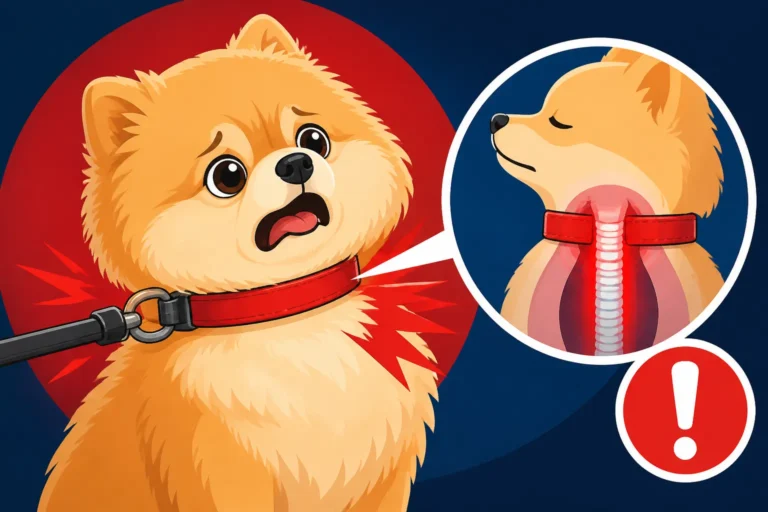
Beyond behavioral changes, there are practical tools and medical approaches that can offer relief. One of the most critical is switching from a collar to a harness for walks. A collar puts direct pressure on the trachea, and even a slight tug can trigger a severe coughing fit in a dog with a collapsing windpipe. A harness distributes pressure across their chest and shoulders, completely bypassing the neck. There are many excellent harnesses designed specifically for small dogs, providing comfort and safety. You can learn more about Why a Collar Threatens a Pomeranian's Windpipe to understand this crucial point.
Environmental humidity can also play a role. Dry air can irritate airways, so running a humidifier, especially during dry winter months or in arid climates, can be beneficial. Your veterinarian might also suggest certain medications to help manage tracheal collapse symptoms. These could include cough suppressants to reduce the frequency and severity of coughing, bronchodilators to open up airways, or anti-inflammatory drugs to reduce irritation. For long-term management, certain supplements for cartilage support might also be recommended. Remember, these are discussions to have with your vet. When considering the costs of these ongoing treatments, pet insurance from providers like Healthy Paws can be a real lifesaver, helping to cover regular medication or specialist consultations.
When to Seek Veterinary Attention for a Coughing Pomeranian
While an occasional excitement cough can often be managed at home with the tips above, there are definite red flags that should send you straight to your vet. It's always better to be safe than sorry when it comes to your Pomeranian's delicate respiratory system.
Recognizing Red Flag Symptoms
If your Pomeranian's cough changes in character, frequency, or severity, it’s time to call the vet. This includes a cough that becomes constant, sounds more wet or gurgly, or is accompanied by gagging or vomiting. If the coughing fits last for a long time, or if your Pom seems distressed, struggles to breathe, or starts to turn blue around the gums or tongue, these are immediate emergencies. Difficulty breathing, lethargy, loss of appetite, or a fever combined with a cough are also serious warning signs.
A cough that occurs even when your dog is calm and resting is another indicator that the underlying issue might be worsening or that there's a different, more serious problem at play, such as heart disease or a lung infection. Any time your dog’s quality of life is clearly impacted – they’re reluctant to play, eat, or move around – it warrants professional attention. It’s also wise to consider that sometimes The Snorting Fit That Frightens Pomeranian Owners might just be a reverse sneeze, but other times it could be something more concerning.
Diagnostic Procedures and Treatment Options
When you bring your coughing Pomeranian to the vet, they will typically start with a thorough physical examination, paying close attention to their breathing and listening to their heart and lungs. They'll also ask for a detailed history of the cough – when it started, what triggers it, how long it lasts, and what it sounds like.
To get a clearer picture, diagnostics often include chest X-rays, which can reveal signs of tracheal collapse, heart enlargement, or fluid in the lungs. In some cases, a more advanced procedure called a tracheoscopy, where a tiny camera is inserted into the windpipe, might be recommended to directly visualize the extent of tracheal collapse. Blood tests can help rule out infections or other systemic illnesses. If a heart condition is suspected, a cardiac ultrasound (echocardiogram) might be performed.
Treatment options will depend entirely on the diagnosis. For tracheal collapse, management often involves a combination of medication (as mentioned above) and lifestyle changes. In severe cases, surgical options, such as placing a tracheal stent, might be considered, though this is a complex and often last-resort procedure with its own risks. For other conditions like heart disease, specific cardiac medications would be prescribed. If it’s an infection, antibiotics might be necessary. It’s a journey that requires close collaboration with your vet, and having pet insurance from a reliable provider like Healthy Paws can ease the financial burden of these diagnostic tests and long-term treatments, ensuring your Pom gets the best care possible.
| Trigger/Condition | Signs & Symptoms | Management Strategies | When to See a Vet |
|---|---|---|---|
| Excitement | Sudden honking cough during greetings, play, car rides. | Calm greetings, controlled play, harness instead of collar, desensitize to triggers (doorbell). | If cough worsens, becomes constant, or is accompanied by breathing distress. |
| Tracheal Collapse | Dry, harsh, "goose-honk" cough, especially with excitement, pulling on collar, heat. | Harness, weight management, humidifiers, avoid smoke, medication (cough suppressants, bronchodilators). | If breathing distress, blue gums, lethargy, or if medical management isn't working. |
| Heart Disease | Persistent cough (often worse at night/rest), lethargy, reduced exercise tolerance. | Heart medications, low-sodium diet, regular vet check-ups. | Any new or worsening cough, breathing difficulty, fainting. |
| Allergies/Irritants | Sneezing, runny nose/eyes, skin itching, occasional cough. | Identify and remove irritants, air purifiers, vet-prescribed antihistamines/steroids. | If severe allergic reaction, persistent discomfort, or difficulty breathing. |
| Kennel Cough | Dry, hacking cough, often sounds like something stuck in throat. Highly contagious. | Rest, humidifiers, cough suppressants (vet-prescribed), antibiotics for secondary infections. | If cough persists, worsens, or if dog becomes lethargic or develops a fever. |
Disclaimer
The information provided in this article is for general informational and educational purposes only and is not a substitute for professional veterinary advice. Always consult with a qualified veterinarian for any health concerns or before making any decisions related to your Pomeranian's health and treatment plan.