The First Signs a Pomeranian Is Aging
It’s a bittersweet moment when you start noticing little changes in your beloved Pomeranian, those subtle shifts that whisper of passing time. That once boundless energy might be a little less, or their playful pounce not quite as high. It can be heartbreaking to see your vibrant companion begin to slow down, but recognizing these first gentle signs that your Pomeranian is heading into their golden years is crucial for adapting their care and cherishing every moment. This guide is all about helping you understand what to look for, so you can provide the best possible support as your Pom ages gracefully.
Subtle Shifts in Movement and Physical Appearance
As Pomeranians age, just like us, their bodies start to undergo a transformation. These aren't always dramatic, sudden changes, but rather a collection of subtle clues that your once spry pup is entering a new chapter. Paying close attention to these minor alterations can help you address potential issues early and keep your Pom comfortable.
Decreased Mobility and Stiffness
One of the most common initial signs of aging you'll notice in your Pomeranian is a change in their movement. They might not be jumping onto the sofa with the same effortless leap they once did, or perhaps they hesitate before tackling a few steps. It’s not necessarily that they can’t do it, but that it might be causing them a little discomfort. You might observe a slight stiffness, especially after they've been napping or resting for a while. That eager dash to the door might be replaced with a more deliberate trot.
This reduced mobility can often be a subtle indicator of conditions like developing arthritis, which is common in older dogs, or even the progression of pre-existing issues like Luxating Patellas and Torn Cruciates in a Pomeranian. Imagine waking up with achy joints; that's often what your Pom might be feeling. They might start avoiding rough-and-tumble play with younger dogs, preferring gentler interactions, or spending more time observing rather than participating. Providing soft, supportive bedding and considering ramps or steps to their favorite resting spots can make a huge difference, helping them conserve energy and avoid strain.
Changes in Coat Texture and Condition
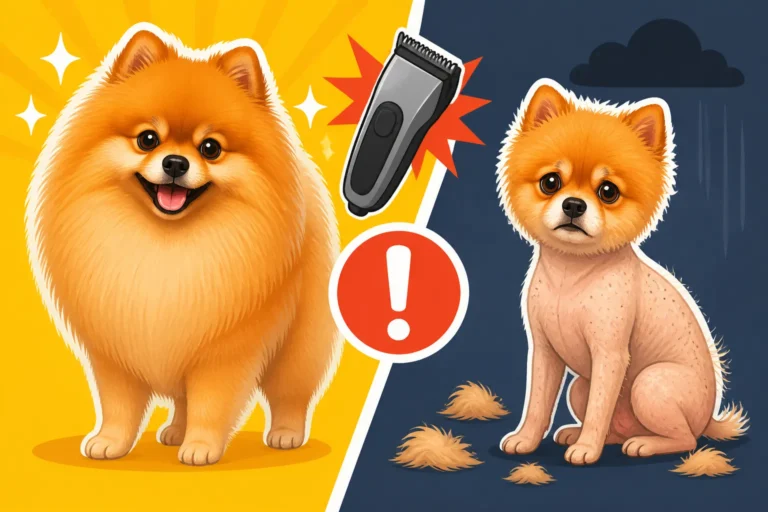
Your Pomeranian’s glorious double coat is one of their most defining features, and it too will undergo changes with age. You might notice that the coat isn't quite as dense or plush as it once was. Sometimes, the vibrant color might seem to dull slightly, or you might spot a few more grey hairs, particularly around their muzzle or eyes. It's not uncommon to observe The Age a Pomeranian's Coat Starts to Thin, especially on their hindquarters or around their ears.
Beyond thinning, the texture of the hair can change, becoming a bit coarser or, conversely, finer and more prone to matting if not meticulously brushed. Regular grooming becomes even more vital during these years, not just for appearance but for comfort. Mats can pull on their delicate skin, causing pain and irritation. While some thinning is natural, significant or patchy hair loss could also point to underlying health issues, like a slowing thyroid. If you're seeing more than just a subtle change, it’s always wise to consult your vet.
Dental Health Indicators
Pomeranians are notoriously prone to dental issues due to their small mouths and crowded teeth, and this problem often becomes more pronounced with age. One of the first signs you might notice is increasingly bad breath, far beyond typical "dog breath." This strong odor is often a direct result of plaque and tartar buildup, leading to gum disease. You might also spot visible tartar, which looks like a yellow or brown crust along the gum line, or inflamed, reddish gums that bleed easily.
Your Pom might become pickier about their food, or start dropping kibble from their mouth. They might even avoid chewing hard toys or treats they once loved. These are all clues that chewing is causing them pain. Left unchecked, Dental Disease in a Mouth the Size of a Pomeranian's can lead to tooth loss, jaw infections, and even systemic health problems as bacteria from the mouth enter the bloodstream. Regular veterinary dental cleanings become even more essential in these later years, often requiring anesthesia. It's a worry many owners face, and exploring pet insurance options like Healthy Paws can help cover the costs of these crucial procedures.
Eye and Ear Adjustments
The keen senses of your younger Pomeranian might also start to show subtle signs of diminishing. With their eyes, you might observe a slight cloudiness, a condition known as lenticular sclerosis, which is a normal age-related change and usually doesn't impair vision significantly. However, more pronounced clouding or a bluish tint could indicate cataracts, which can affect their sight. Pay attention if your Pom starts bumping into furniture in dim light or seems more hesitant navigating unfamiliar spaces, as these could be signs of Clouding Eyes in a Pomeranian Past Ten.
For their ears, you might notice they're not quite as responsive to sounds they once instantly reacted to. Perhaps they don't jump at the doorbell anymore, or they need a louder tone of voice to get their attention. While it can be frustrating to repeat commands, remember that partial hearing loss is a common part of aging. You can adapt by using more hand signals alongside verbal cues, keeping them safe, and approaching them gently so you don't startle them.
Changes in Daily Habits and Personality
Aging isn't just about physical changes; it significantly impacts a Pomeranian’s daily routines, energy levels, and even their endearing little personalities. What might seem like stubbornness or a new quirk could actually be a sign of their evolving needs as seniors.
Altered Energy Levels and Sleep Patterns
The most noticeable shift in an aging Pomeranian is often a general winding down of their energy. The zoomies become less frequent, their play sessions shorter, and they might opt for a cozy nap instead of chasing a ball. While they still enjoy a walk, the pace might be slower, and they might tire more quickly. It's not that they've lost their spirit entirely, but their bodies simply can't sustain the same level of activity.
This also translates into changes in their sleep patterns. You might find them sleeping more deeply during the day, curled up in their favorite sunbeam. However, some older Poms experience more restlessness at night. They might pace, seem disoriented, or even wake up and wander, indicating that their internal clock is a bit off. This can be particularly distressing for owners who find their once-solid sleeper now struggles through the night. If you notice An Old Pomeranian That Wanders at Night, it's a sign that their sleep-wake cycle might be disrupted, and it's worth discussing with your vet. Creating a consistent, calming bedtime routine and ensuring they've had appropriate, gentle exercise during the day can sometimes help.
Behavioral Sensitivity and Cognitive Changes
As Pomeranians age, some can become more sensitive or even irritable. They might be less tolerant of boisterous children or other pets, preferring peace and quiet. A Pom that once loved being picked up might now grumble or even snap if handled roughly or unexpectedly, especially if they have aches and pains. It’s important to remember that these changes are often rooted in physical discomfort or a heightened sense of vulnerability, not a sudden change in their love for you.
Beyond sensitivity, some older Pomeranians may experience cognitive dysfunction, akin to canine dementia. This can manifest in various ways, such as disorientation – they might get "stuck" in corners or stare blankly at walls. House-training might regress, with accidents happening indoors despite years of perfect behavior. They might also show changes in their interactions with family members, sometimes seeming less engaged or, conversely, becoming more clingy. If your Pom seems to forget familiar routines or An Old Pomeranian That Stops Responding to Its Name, it’s not always just hearing loss. These cognitive shifts can be perplexing and upsetting, but understanding them allows for greater patience and specialized care.
House Training and Routine Shifts
Even the most impeccably house-trained Pomeranian might start having accidents as they age. This isn't usually an act of defiance, but rather a consequence of a weaker bladder, decreased muscle control, or simply not being able to "hold it" as long as they once could. They might not give you the same urgent signals, or they might simply forget where they're supposed to go, especially if cognitive function is declining.
You might find yourself needing to take them out more frequently, including more often during the night. Adapting your routine to accommodate their needs is key. Utilizing puppy pads in easily accessible areas or re-establishing a very strict potty schedule can help minimize accidents and reduce stress for both of you. It’s a return to puppyhood in some ways, requiring patience and understanding. Any sudden and significant increase in urination or thirst, however, should always be checked by a vet, as it could signal underlying medical conditions like kidney issues or diabetes.
Understanding Emerging Health Concerns in Senior Pomeranians
As our beloved Poms enter their senior years, maintaining their health becomes even more critical. Many common health issues become more prevalent with age, and recognizing their early signs is paramount. Regular veterinary check-ups are no longer just an annual formality but an essential part of their ongoing care.
Appetite and Weight Management
Changes in appetite and weight can be significant indicators of an aging Pomeranian's health. You might notice your Pom becoming a bit pickier about their food, or their once-enthusiastic eating habits might dwindle. This could be due to painful teeth, which we discussed earlier, making chewing uncomfortable. It could also be a sign of a diminished sense of smell or taste, or even more serious underlying health issues. If you're observing Feeding an Old Pomeranian With Few Teeth becoming a struggle, switching to softer foods or adding warm water to kibble might help.
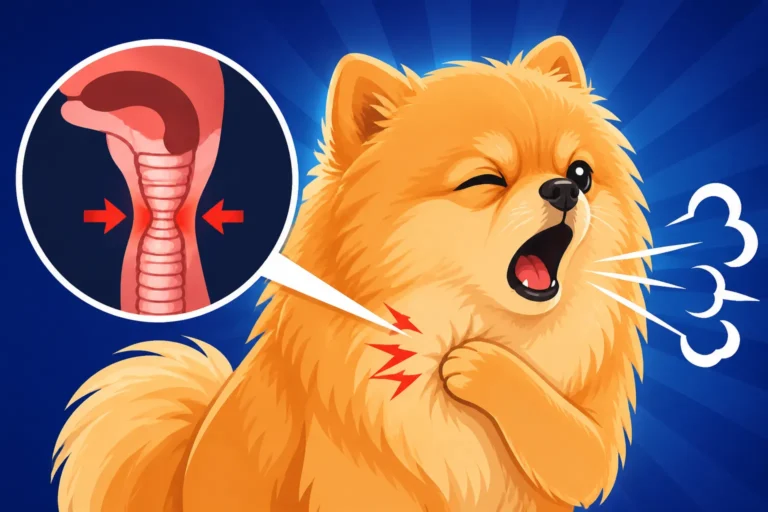
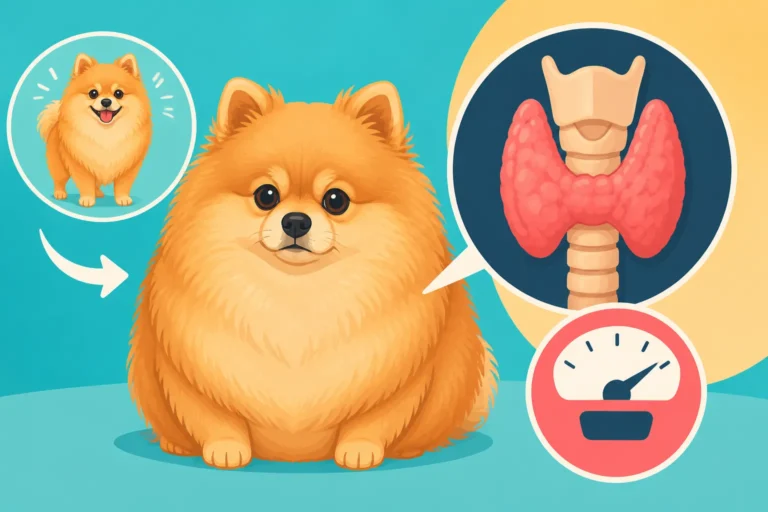
Conversely, some Poms might experience weight gain due to decreased activity levels and a slowing metabolism. Even a small amount of extra weight on a tiny Pomeranian frame can put undue stress on their joints, heart, and lungs, exacerbating conditions like The Honking Cough of a Pomeranian's Collapsing Windpipe. If you're concerned about Whether a Pomeranian's Weight Gain Is Thyroid related, a vet visit is in order. Monitoring their weight regularly and adjusting their diet and exercise (gentle, consistent walks are best) are crucial for keeping them at a healthy weight and promoting their overall well-being.
Increased Thirst and Urination
One of the less obvious, but highly important, signs of aging can be an increase in both thirst and urination. While some increased potty breaks are normal due to a weaker bladder, a significant and persistent increase in how much your Pomeranian drinks and how often they need to go could be a red flag. This can be a symptom of several serious health conditions, including kidney disease, diabetes, or even Cushing's disease, which are more common in older dogs.
If you find yourself refilling their water bowl much more frequently, or if they're having accidents indoors despite a consistent potty schedule, it's vital to bring this to your veterinarian's attention immediately. Early detection and intervention for these conditions can often lead to better management and a higher quality of life for your senior Pom. Don't dismiss these changes as "just old age"; they warrant a professional evaluation.
Early Warning Signs for Common Ailments
Beyond the general signs of aging, older Pomeranians are more susceptible to certain health conditions. Being aware of these and their early warning signs can help you advocate for your pet.
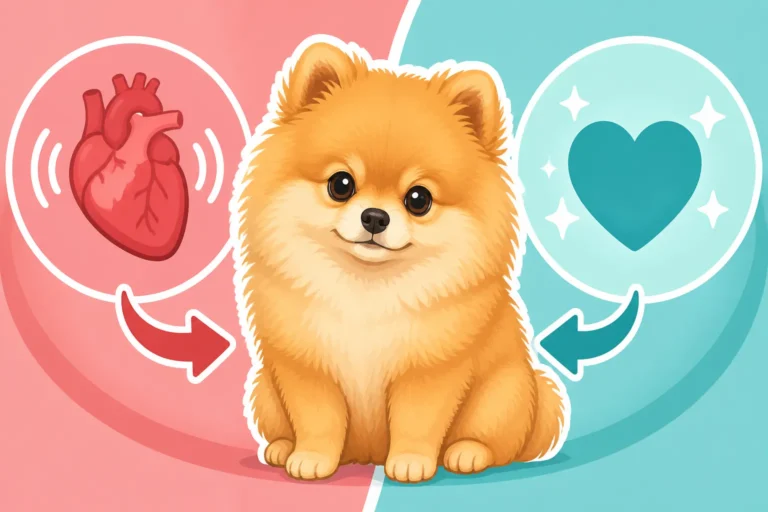
- Heart Disease: A subtle cough, especially at night or after exercise, can sometimes be an early sign of heart issues, rather than just tracheal collapse. Lethargy and reduced stamina can also be indicators. Regular vet check-ups should include listening to their heart for murmurs.
- Cancer: While scary, early detection of lumps, bumps, or unexplained weight loss, changes in appetite, or persistent lameness can be crucial. Perform regular "petting exams" at home to feel for anything unusual. If you find a new lump, don't panic, but get it checked by your vet promptly.
- Thyroid Issues: As mentioned earlier, unexplained weight gain or loss, thinning coat, lethargy, or skin changes could point to an underactive thyroid, which is treatable with medication.
- Dental Disease Complications: We've covered the basics, but remember that severe dental disease can lead to abscesses, bone loss, and even systemic infections if not addressed.
It's a lot to keep track of, and the costs associated with diagnosing and treating these conditions can quickly add up. This is where having comprehensive pet insurance, like a plan from Healthy Paws, can offer invaluable peace of mind, allowing you to make medical decisions based on what’s best for your beloved Pomeranian, rather than worrying about the financial strain. Staying on top of The Checkup Schedule a Pomeranian Should Keep is non-negotiable in their senior years, as catching these issues early can truly prolong and improve their quality of life. The Year a Pomeranian Starts Needing More attention to these details usually falls between ages 7 and 9, making careful observation key to Keeping a Pomeranian Going Past Fourteen.
| Sign of Aging | Potential Cause(s) | What to Observe | When to See a Vet |
|---|---|---|---|
| Reduced Mobility | Arthritis, joint pain, luxating patellas | Stiffness, hesitation to jump, slower walks | Persistent lameness, signs of pain, sudden weakness |
| Coat Thinning/Dullness | Natural aging, thyroid issues, nutritional deficiency | Patchy loss, dull coat, dry skin | Excessive hair loss, skin irritation, changes in weight |
| Bad Breath | Dental disease, gum infection | Yellow/brown tartar, red/bleeding gums, difficulty eating | Persistent bad breath, loose teeth, pain while eating |
| Cloudy Eyes | Lenticular sclerosis, cataracts | Bluish haze, bumping into objects, hesitancy in dim light | Sudden vision loss, redness, discharge, pain |
| Increased Sleep/Lethargy | Natural aging, pain, heart disease, thyroid issues | Longer naps, less enthusiasm for play, reduced stamina | Sudden extreme lethargy, loss of appetite, persistent cough |
| Nighttime Restlessness | Cognitive decline (dementia), discomfort, bladder issues | Pacing, whining, disorientation, accidents overnight | Persistent restlessness, severe disorientation, distress |
| Increased Thirst/Urination | Kidney disease, diabetes, Cushing's disease | Frequent water bowl refills, more potty breaks, accidents | Any significant and persistent increase in either |
Disclaimer
This article is intended for informational purposes only and is not a substitute for professional veterinary advice. Always consult with your veterinarian for any health concerns or before making any decisions about your Pomeranian's care.