The Causes of Death Recorded in Pomeranians
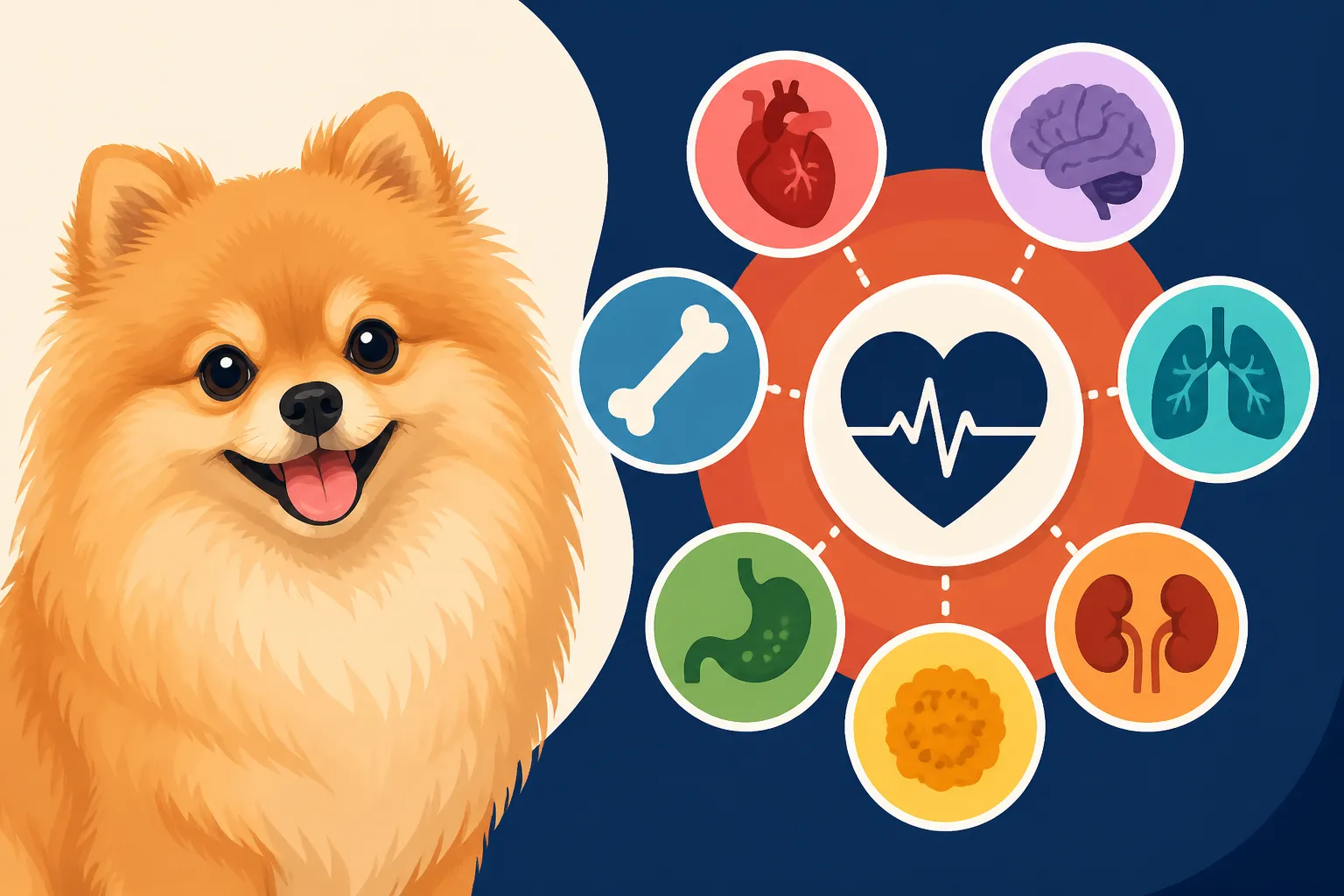
It’s a heartbreaking thought, isn’t it? Imagining the day you might have to say goodbye to your beloved Pomeranian, or perhaps wondering what silent dangers could be lurking. While we all wish our furry companions could live forever, understanding the most common causes of death in the breed can empower us to take proactive steps, spot warning signs, and ultimately, give them the best chance at a long, healthy life. This guide will walk you through the various conditions and situations that most commonly lead to the loss of a Pomeranian, offering insights into prevention and timely intervention.
Common Health Conditions That Can Lead to Loss
Pomeranians, like all breeds, have certain predispositions that, while not always fatal, can become life-threatening if not managed appropriately. Their small size and specific genetic makeup contribute to particular vulnerabilities that every owner should be aware of.
Cardiac Issues and Their Progression
Heart disease is a significant concern for Pomeranians, often quietly progressing for years before noticeable symptoms appear. These conditions can ultimately lead to congestive heart failure, which is a common cause of death, especially in older Poms.
One of the most frequently diagnosed cardiac conditions in older Pomeranians is degenerative mitral valve disease (DMVD). This occurs when the mitral valve, one of the valves separating the heart's chambers, thickens and fails to close properly, leading to a backflow of blood. Initially, your vet might just hear a The Heart Murmur Heard on a Pomeranian Puppy during a routine check-up, which can be alarming. While some puppy murmurs resolve, an adult-onset murmur, particularly in a small breed like a Pomeranian, often indicates this progressive disease. As the condition worsens, the heart has to work harder, leading to enlargement and eventual fluid buildup in the lungs or abdomen. You might notice your Pomeranian coughing, especially at night, experiencing exercise intolerance, or showing a decreased appetite. Catching these signs early and working with your vet on a management plan, which often includes medications to support heart function and reduce fluid retention, can extend their quality of life. For instance, regular check-ups can help monitor progression, and specialized cardiac diets might be recommended.
Another, though less common, cardiac issue, especially in puppies, is Patent Ductus Arteriosus (PDA). This is a congenital defect where a blood vessel, normally open during fetal development, fails to close after birth. This results in abnormal blood flow, placing immense strain on the heart and lungs. Untreated, PDA can lead to early heart failure and is often fatal in the first year of life. Fortunately, if diagnosed early, PDA can often be surgically corrected, offering a full recovery and a normal lifespan. This highlights why thorough veterinary examinations for puppies are so critical.
Respiratory Concerns: Collapsing Trachea and Lung Disease
Pomeranians are notoriously susceptible to respiratory problems, primarily due to their delicate airways. These issues can range from chronic irritation to acute, life-threatening crises.
Perhaps the most well-known respiratory issue in Pomeranians is tracheal collapse. This condition involves the weakening of the cartilage rings that support the windpipe, causing it to flatten and obstruct airflow. Owners often describe the classic symptom as a distinctive "honking" cough, similar to a goose. Initially, this might only happen during excitement or when pulling on a collar, but as the condition progresses, the cough can become constant and debilitating. Severe tracheal collapse can lead to significant breathing difficulties, oxygen deprivation, and can ultimately be fatal, especially during periods of stress, heat, or infection. While management often involves medication to suppress the cough and reduce inflammation, and the use of a harness instead of a collar, sometimes the disease progresses to a point where intervention is less effective. Understanding The Honking Cough of a Pomeranian's Collapsing Windpipe is paramount for early intervention.
Beyond tracheal collapse, Pomeranians can also suffer from other lung diseases, such as chronic bronchitis or even pneumonia. Older Pomeranians, particularly those with existing heart conditions, are more susceptible to respiratory infections that can quickly escalate. Symptoms like persistent coughing, wheezing, lethargy, and labored breathing should always be taken seriously and warrant an immediate vet visit. Obesity can also significantly exacerbate respiratory problems, as excess weight puts additional pressure on the chest cavity and lungs, making it harder for these small dogs to breathe comfortably. This is why maintaining a healthy weight for your Pomeranian is not just about aesthetics, but a critical part of their overall respiratory health.
Neurological Conditions and Age-Related Decline
While perhaps less common than cardiac or respiratory issues, certain neurological conditions can also contribute to a Pomeranian's demise, particularly in very young or very old dogs.
Hydrocephalus, or "water on the brain," is a condition more frequently seen in toy breeds like Pomeranians. It's often congenital, meaning puppies are born with it, and involves an excessive buildup of cerebrospinal fluid within the brain. Severe cases can cause developmental delays, seizures, blindness, or coordination problems, and can tragically be fatal in early puppyhood. Puppies with severe hydrocephalus may never thrive, and their quality of life can be severely compromised. Responsible breeding practices aim to screen for and avoid perpetuating this devastating condition.
Seizures can occur in Pomeranians for various reasons, including idiopathic epilepsy, brain tumors, or metabolic imbalances. While a single seizure might not be immediately life-threatening, recurring severe seizures can indicate serious underlying neurological disease. If left uncontrolled, status epilepticus (continuous seizures) can lead to brain damage or death. Working closely with a veterinarian to identify the cause and manage seizures with medication is crucial for these dogs.
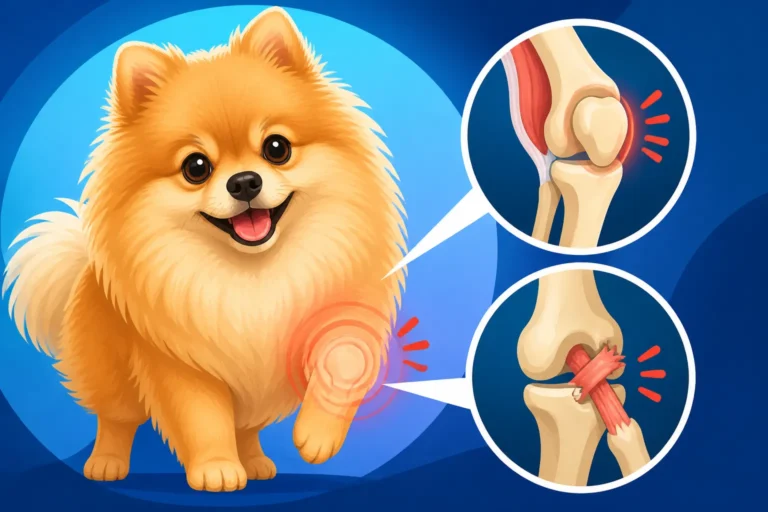
As Pomeranians enter their senior years, typically around The Year a Pomeranian Starts Needing More, age-related decline can sadly become a cause of death. This isn't a single disease, but a culmination of multiple organ systems gradually failing. Cognitive dysfunction syndrome, similar to Alzheimer's in humans, can lead to disorientation, anxiety, and changes in sleep patterns. Joint issues like Slipping Kneecaps in a Five Pound Pomeranian can become debilitating arthritis, severely impacting mobility. Organ failure, particularly kidney or liver disease, is also common in very old dogs. While we can’t stop aging, supportive care, pain management, and specialized diets can help make their twilight years as comfortable as possible. Ultimately, the decision of when a Pomeranian's quality of life has diminished beyond recovery is one of the hardest an owner can face, often leading to euthanasia as a compassionate choice.
Cancer and Its Prevalence in Pomeranians
Cancer is an unfortunately common cause of death in dogs, especially as they age, and Pomeranians are no exception. The specific types of cancer can vary, but the impact is always significant.
Common Cancer Types Seen in the Breed
Just like in humans, cancer in dogs is a complex disease with many forms. For Pomeranians, while no specific type is exclusively breed-specific, they can be susceptible to many of the cancers seen in other small breeds. Mammary tumors are a significant concern for intact female Pomeranians, highlighting the importance of spaying. These tumors can be benign or malignant, and early detection through regular palpation of your dog's abdomen is crucial.
Other common cancers include lymphomas, which affect the lymphatic system, and various types of skin cancers, sometimes appearing as unusual lumps or bumps. Internal organ cancers, such as those affecting the liver, spleen, or gastrointestinal tract, can be more challenging to detect early, often only presenting with vague symptoms like weight loss, lethargy, or decreased appetite. A lump that appears suddenly, a wound that won't heal, or any unusual swelling should always be examined by a veterinarian promptly. Early diagnosis and intervention can dramatically improve prognosis for many forms of canine cancer.
The Impact of Age on Cancer Risk
It's a stark reality that cancer risk increases with age. As our Pomeranians grow older, their cells have had more opportunities for mutations to occur, making them more prone to developing various types of cancer. Most canine cancer diagnoses occur in dogs over the age of six or seven. For a breed that can live How Long a Well Bred Pomeranian Actually Lives, often reaching well into their teens, many will encounter a cancer diagnosis at some point in their senior years.
Treating cancer in small, older dogs like Pomeranians presents its own set of challenges. Their delicate systems may not tolerate aggressive chemotherapy or extensive surgeries as well as larger, younger dogs. The smaller body mass means dosages need to be meticulously calculated, and recovery from procedures can take longer. However, advancements in veterinary oncology mean that many cancers can be managed, and quality of life can often be extended with appropriate treatments, whether it's surgery, chemotherapy, radiation, or palliative care. This is an area where financial planning, perhaps through pet insurance like Healthy Paws, can make a real difference in allowing owners to pursue the best possible care without undue financial strain.
Accidents, Acute Incidents, and Puppy Vulnerabilities
Sometimes, even with the best care, a Pomeranian's life can be cut short by sudden, unforeseen events or acute health crises that escalate rapidly. Their small stature, while endearing, also makes them inherently more fragile and susceptible to certain dangers.
Traumatic Injuries and Household Hazards
The delicate bones and small bodies of Pomeranians make them particularly vulnerable to traumatic injuries that can quickly become fatal. Falls are a huge concern. A simple jump off a sofa, bed, or even a human's lap can result in broken legs, spinal injuries, or dangerous head trauma. What might be a minor bump for a larger dog can be devastating for a five-pound Pomeranian. It's why so many Pomeranian owners invest in pet steps or ramps to protect their dogs from these common household risks. Similarly, being accidentally stepped on or dropped is a tragic reality that can lead to severe internal injuries or death.
Interactions with larger dogs, even those known to be gentle, pose a significant risk. A playful nip or an accidental bump from a bigger dog can inflict serious harm on a Pomeranian. This is why vigilance in multi-dog households and careful introductions in public spaces are non-negotiable. Furthermore, small objects that might just be "chew toys" for bigger dogs can be choking hazards for a Pomeranian. Accidental ingestion of toxins, such as human medications, household cleaners, or certain foods (like chocolate or xylitol), can also lead to acute, life-threatening poisoning due to their small body mass and metabolism. Securing all potential hazards out of reach is paramount for these curious, tiny explorers.
Hypoglycemia in Puppies and Other Acute Emergencies
Pomeranian puppies, especially those on the smaller side or considered "teacup," are highly susceptible to hypoglycemia, or dangerously low blood sugar. This is because their tiny bodies have less fat and muscle reserves, making them less able to regulate their blood glucose levels, particularly if they miss a meal or get stressed. A Blood Sugar Crashes in a Pomeranian Puppy can happen quickly and, if not addressed immediately, can be fatal.
Symptoms include lethargy, weakness, wobbliness, shivering, and in severe cases, seizures or collapse. If you suspect your puppy is experiencing hypoglycemia, rubbing a small amount of corn syrup or honey on their gums can provide a quick sugar boost and is often life-saving, but immediate veterinary attention is always necessary. This vulnerability underscores the importance of feeding Pomeranian puppies frequently and ensuring they are kept warm and stress-free.
Other acute emergencies that can lead to sudden death include severe allergic reactions (anaphylaxis), sudden organ failure, or complications from infectious diseases like parvovirus in unvaccinated puppies. While some of these are rare, knowing the signs of distress and having immediate access to veterinary care can be the difference between life and death. This is another scenario where having pet insurance, such as through Healthy Paws, can prevent owners from having to make agonizing choices based on financial constraints during an emergency. The ability to approve urgent diagnostics or life-saving procedures without delay is invaluable.
The Role of Genetics and Responsible Breeding
While accidents and illness play a major role, the genetic foundation of a Pomeranian significantly influences their overall health and lifespan. Responsible breeding practices are crucial in minimizing the risk of inherited conditions that can shorten a dog's life.
Inherited Conditions and Their Lifespan Impact
Pomeranians, like many purebred dogs, are predisposed to certain inherited conditions. We've touched on some already, like congenital heart defects (PDA) and patellar luxation (Slipping Kneecaps in a Five Pound Pomeranian). While a slipping kneecap itself isn't usually fatal, severe grades can lead to chronic pain, mobility issues, and in rare cases, complications from surgery or the impact on overall well-being might necessitate difficult decisions.
Another inherited concern is Alopecia X, often referred to by owners as Black Skin Disease and the Pomeranian Coat That Never Returns. While not fatal, it can sometimes be a sign of underlying hormonal imbalances that, if left undiagnosed, might lead to other health issues. More severely, some of the issues associated with "teacup" breeding, where breeders intentionally breed for minuscule size, can lead to a host of health problems that significantly impact Whether a Smaller Pomeranian Lives a Shorter Life. These tiny dogs can have fragile bones, underdeveloped organs, difficulty regulating body temperature, and increased susceptibility to hypoglycemia, liver shunts, and even hydrocephalus. These conditions often mean a shorter, more challenging life for the dog and higher veterinary bills for the owner. Understanding What Teacup Breeding Costs a Pomeranian goes beyond the purchase price; it's a long-term health investment.
The Importance of Health Clearances
The single most impactful step an owner can take to ensure their Pomeranian has the best chance at a long, healthy life is to acquire a puppy from a responsible, reputable breeder. Such breeders are dedicated to the health of their lines and invest in comprehensive health clearances for their breeding dogs. These clearances involve screening for genetic predispositions to conditions common in the breed, such as patellar luxation, heart conditions, and eye problems.
A breeder committed to health will be transparent about their dogs' health testing results, often providing documentation from organizations like the Orthopedic Foundation for Animals (OFA) for knees and hearts, and the Canine Eye Registry Foundation (CERF) for eyes. They prioritize breeding healthy dogs with sound temperaments over chasing rare colors or extremely tiny sizes. While no breeder can guarantee a dog will never develop a health issue, these proactive steps significantly reduce the likelihood of inherited diseases that can lead to pain, suffering, and a premature end to a Pomeranian's life. This responsible approach directly contributes to Poms living out The Twelve to Sixteen Years a Pomeranian Lives or even longer, happy and active lives.
Understanding Causes of Death in Pomeranians
To give you a clearer picture, here's a general overview of common causes of death across different life stages in Pomeranians. Keep in mind this is a generalization, and individual dogs will vary greatly.
| Life Stage | Common Causes of Death | Typical Symptoms |
|---|---|---|
| Puppy (0-1 year) | Hypoglycemia, Congenital Heart Defects (e.g., PDA), Severe Hydrocephalus, Parvovirus, Accidental Trauma | Lethargy, Weakness, Shivering, Seizures, Persistent Cough, Labored Breathing, Vomiting, Diarrhea, Developmental Delays |
| Adult (1-8 years) | Traumatic Accidents (falls, stepped on), Poisoning, Uncontrolled Seizures, Early-Onset Organ Failure, Some Cancers | Acute pain, Lameness, Vomiting, Diarrhea, Disorientation, Lumps, Weight Loss |
| Senior (8+ years) | Congestive Heart Failure, Various Cancers, Kidney Disease, Liver Disease, Neurological Decline, Complications from Tracheal Collapse | Chronic Cough, Exercise Intolerance, Lumps, Weight Loss, Increased Thirst/Urination, Disorientation, Weakness, Labored Breathing |
This table illustrates the shift in risk factors as a Pomeranian ages. While puppies are vulnerable to metabolic and congenital issues, adults are more at risk from accidents, and seniors face the natural progression of age-related diseases. This also means that as your Pomeranian ages, the veterinary care they need shifts. Regular senior check-ups, often twice a year, become vital to catch conditions like cancer or organ disease early. Managing chronic conditions like heart disease or Managing a Pomeranian's Windpipe Without Surgery becomes a priority to maintain their comfort and extend their life.
Disclaimer
The information provided in this article is for general informational purposes only and does not constitute veterinary advice. Always consult with a qualified veterinarian for any health concerns or before making any decisions about your Pomeranian's care.