The Snorting Fit That Frightens Pomeranian Owners
That sudden, alarming snorting sound from your beloved Pomeranian can be truly terrifying. One moment they're happy and playing, the next they're making these strange, gasping noises, almost like they can't breathe. It's a common worry for many Pom owners, and this guide is here to walk you through exactly what a snorting fit is, what causes it, how to help your little friend when it happens, and when it’s time to call the vet.
Understanding the Pomeranian Reverse Sneeze
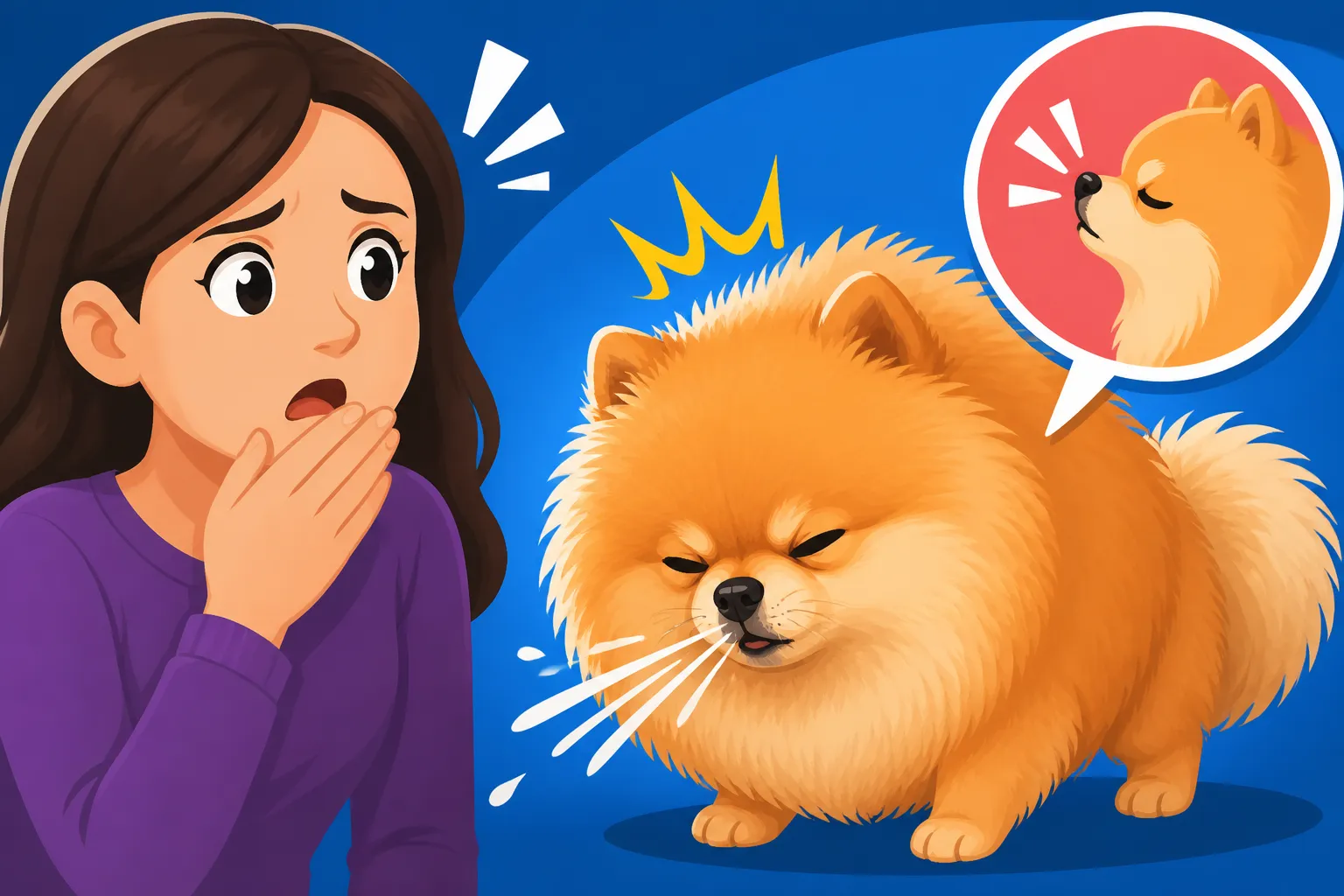
The "snorting fit" you're likely witnessing is medically known as a reverse sneeze, or paroxysmal respiration. It's a startling event where your Pomeranian rapidly and repeatedly inhales air through their nose, often accompanied by snorting, gagging, or honking sounds. While it looks and sounds quite dramatic, it’s usually not life-threatening and is generally caused by an irritation in the nasal passages, throat, or pharynx.
What a Reverse Sneeze Looks and Sounds Like
Imagine your Pomeranian suddenly stops what they're doing, their neck extends, and their chest rapidly contracts and expands. Their eyes might bulge a little, and they might look genuinely distressed. The sound is distinctive: a series of loud, rapid snorts or gasps, almost like they're trying to suck something back in through their nose. It's often described as a goose honking or a pig snorting, which is why owners often call it a "snorting fit." This can last anywhere from a few seconds to a minute or two, feeling like an eternity when you're watching your little one struggle. It’s a very different sound from a normal sneeze, which involves expelling air, or The Honking Cough of a Pomeranian's Collapsing Windpipe that can be a deeper, harsher honk.
The entire episode can be quite unsettling for both you and your Pomeranian. They might dart their head around, paw at their face, or even seem confused or panicked. It's vital to remember that while it looks severe, they are almost always still getting enough air. The panic you might feel is perfectly normal, as it’s hard to watch your small dog go through something so visually and audibly distressing. Once the fit passes, your Pom will usually shake it off and go back to normal as if nothing happened, which can be a huge relief.
The Mechanism Behind the Snort
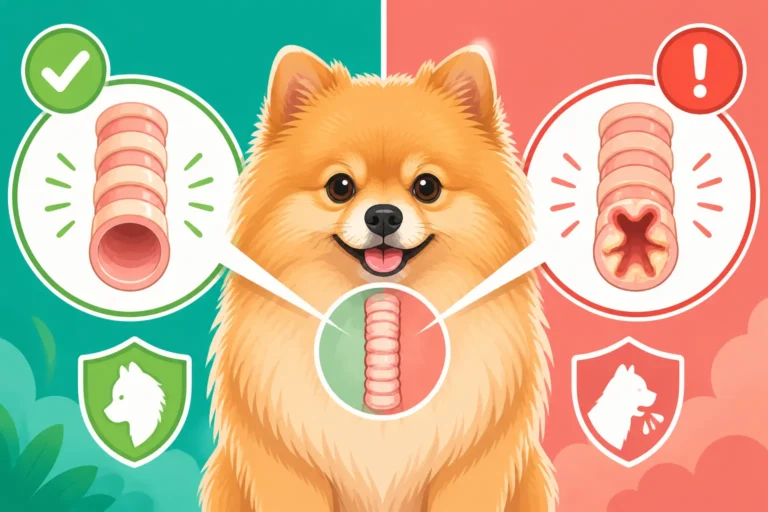
So, what's actually happening inside your Pomeranian's tiny airways during a reverse sneeze? Essentially, it's an involuntary reflex, similar to a regular sneeze but in reverse. Instead of exhaling forcefully, your Pom is trying to clear an irritant by inhaling forcefully and rapidly. This causes the soft palate—the soft tissue at the back of the roof of the mouth—to spasm. When this soft palate spasms, it temporarily blocks the trachea (windpipe) or causes it to narrow, creating those distinctive snorting and gasping sounds.
This reflex is often triggered by something irritating the upper respiratory tract. Think of it like a human getting something stuck in their throat and trying to clear it, but through the nose. Because Pomeranians have such small airways and often a slightly elongated soft palate (brachycephalic characteristics, even if subtle in Poms), they can be more prone to these episodes than larger breeds. Their anatomy just makes them a bit more susceptible to these kinds of involuntary spasms. It’s important to understand the physiology to realize that while it’s dramatic, it’s usually a self-resolving issue.
Common Triggers for Pomeranian Snorting Fits
Identifying what sets off your Pomeranian's reverse sneezes can be incredibly helpful in managing and potentially preventing them. Many factors, both environmental and internal, can irritate those sensitive airways and trigger a snorting fit. Keeping a mental note or even a small log of when these episodes occur can help you pinpoint specific patterns.
Environmental Irritants and Allergens
Just like us, Pomeranians can be sensitive to things in their environment. Dust, pollen, mold, and even certain strong scents can act as irritants. Imagine walking into a cloud of dust after vacuuming, or your Pomeranian sniffing around a dusty corner; that sudden inhalation of particles can easily trigger a reverse sneeze. Seasonal allergies, much like those that give us itchy eyes and runny noses, can manifest as increased reverse sneezing in dogs. If you notice these fits occurring more during certain times of the year, it could be a clue that pollen or other seasonal allergens are the culprits. You might even notice your Pomeranian showing other signs of discomfort, like scratching or pawing at their face more often.
Beyond natural allergens, household products are often overlooked triggers. Air fresheners, strong cleaning supplies, scented candles, or even certain perfumes can be highly irritating to a Pomeranian's delicate respiratory system. Their noses are far more sensitive than ours, and what might be a pleasant aroma to you could be an overwhelming irritant to them. Think about it: they're much closer to the ground, where chemicals and dust tend to settle. Consider switching to unscented, pet-safe cleaning products and avoiding diffusers or sprays in areas your Pom frequents.
Excitement, Exercise, and Sudden Movements
Sometimes, the simplest things can set off a reverse sneeze. Intense excitement is a huge one for many Pomeranians. When they get super happy and worked up—like when you come home after a long day, or it's dinnertime, or they're about to go for a walk—their breathing patterns change rapidly. They might inhale sharply, leading to that tell-tale spasm. This is especially true for energetic Poms who tend to get really vocal and bouncy when they're thrilled.
Vigorous exercise, or even just a sudden change in activity level, can also be a trigger. If your Pomeranian goes from a calm nap to a burst of zoomies, or if they pull hard on the leash during a walk, the sudden intake of air can be enough to start a snorting fit. It's not uncommon to see a Pom suddenly stop mid-play with a reverse sneeze, only to resume playing seconds later. This rapid change in air pressure or throat conformation is often the underlying cause in these scenarios. Pay attention to how The Sound a Pomeranian Makes When Its Trachea Collapses might differ from a simple reverse sneeze if exercise consistently brings on breathing issues.
Collars, Leash Pulling, and Throat Pressure
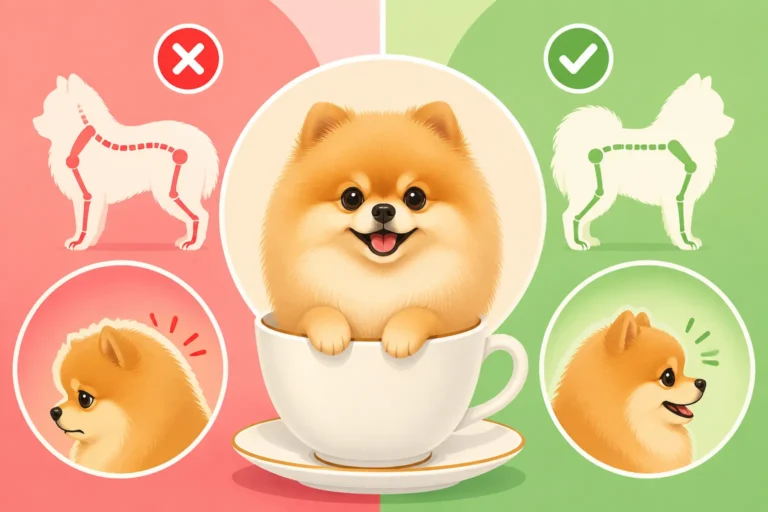
This is a big one for small breeds like Pomeranians, who often have sensitive throats. The delicate structure of their neck and trachea means that pressure from a traditional collar can easily irritate the area, especially if they pull on the leash. Even a slight tug can press against their windpipe, which can be a trigger for a reverse sneeze. Over time, constant pressure can contribute to more serious issues like Why a Collar Threatens a Pomeranian's Windpipe.
This is precisely why many veterinarians and experienced Pomeranian owners strongly recommend using a harness instead of a collar for walks. A harness distributes pressure across the chest and shoulders, completely bypassing the throat and neck. If your Pom frequently experiences snorting fits during or after walks, switching to a well-fitting harness could make a significant difference. Many brands offer harnesses specifically designed for small breeds, ensuring a comfortable and secure fit without any pressure on their sensitive windpipe.
What to Do When Your Pomeranian Has a Snorting Fit
Witnessing your Pomeranian in the midst of a reverse sneeze can be genuinely distressing, but knowing how to respond calmly and effectively can make a huge difference for both of you. The goal is to help them relax and clear whatever irritation is causing the reflex.
Remaining Calm and Offering Reassurance
First and foremost, it's crucial for you to stay calm. Your Pomeranian is incredibly attuned to your emotions. If you panic, they'll sense it and become even more distressed, which can prolong the episode. Speak to them in a soothing, gentle voice. Kneel down to their level, reassure them that everything is okay, and stroke them gently. Often, the sheer surprise and confusion of the episode can make them anxious, and your calm presence can be the most effective intervention.
Avoid grabbing them or trying to force their head into a specific position, as this can add to their stress. Instead, just be there, offering quiet comfort. Many Pomeranians will seek out their owner during these moments, looking for comfort and safety. Let them lean into you, or gently hold them if they seem to want it, but always prioritize keeping them calm and allowing them to breathe naturally.
Gentle Interventions to Halt the Episode
While reverse sneezes usually resolve on their own, there are a few gentle techniques you can try to help speed up the process. These methods work by either helping to dislodge the irritant or by interrupting the spasm reflex.
One common and often effective method is to gently massage your Pomeranian's throat. Lightly rub the area under their chin and down their neck. This action can help to relax the throat muscles and interrupt the spasm. You don't need to apply much pressure, just a gentle, rhythmic stroke. Some owners find that gently stroking from the top of the head down the nose can also be effective.
Another widely recommended technique is to gently cover their nostrils for a second or two, or gently close their mouth. This encourages them to swallow, which can help clear the irritant or reset the soft palate. Be very careful not to obstruct their breathing for more than a quick moment. Alternatively, you can try blowing a puff of air gently into their face. This often causes them to swallow, which can have the same effect. Offering a small, tempting treat can also encourage swallowing and help stop the fit, though this is best done after the most intense part of the episode has passed. The act of licking and swallowing can often be enough to interrupt the cycle.
A less common, but sometimes effective, method is to try and open their mouth wide and press down gently on their tongue. This is a bit more invasive and should only be attempted if your dog is tolerant and not stressed by it, as a struggling dog might accidentally bite. The idea is to stretch the throat and pharynx, potentially relieving the spasm. However, for most owners, the gentler methods of throat massage or encouraging swallowing are sufficient and less stressful for the dog.
When a Snorting Fit Might Be Something More Serious
While most Pomeranian reverse sneezes are harmless and resolve quickly, it’s important for owners to distinguish them from other, more serious respiratory issues. Knowing the difference, and recognizing red flags, can help you decide when a vet visit is truly necessary.
Differentiating From Other Respiratory Issues
Pomeranians, being a small breed, are unfortunately prone to several respiratory conditions that can mimic or be confused with a reverse sneeze. The most common and concerning is The Honking Cough of a Pomeranian's Collapsing Windpipe. A collapsing trachea presents as a dry, harsh, goose-like honking cough, especially when excited, pulling on a leash, or drinking water. While it can sound similar to a snorting fit, a collapsing trachea cough is usually more persistent, often triggered by physical activity, and may worsen over time. The sound is typically an exhale cough, whereas a reverse sneeze is an inhale snort.
Another condition is kennel cough, which is a highly contagious upper respiratory infection. Kennel cough usually presents as a strong, dry, hacking cough, often followed by a retching sound, as if the dog is trying to clear something from its throat. It's often compared to a "honking" sound, but generally different from the deep, rapid inhalations of a reverse sneeze. You can learn more about Telling a Pomeranian's Trachea From Kennel Cough to understand the nuances. If your Pom is coughing frequently, especially if it's accompanied by other symptoms like lethargy, fever, or nasal discharge, it's definitely time to see the vet.
Finally, some heart conditions can cause coughing in older Pomeranians, as can fluid in the lungs. However, these usually present as a moist cough, often worse at night or after exercise, and would likely be accompanied by other signs of illness like reduced energy, exercise intolerance, or changes in gum color. The key is to pay close attention to the sound, the frequency, duration, and any accompanying symptoms.
Red Flags That Warrant a Vet Visit
While a single, isolated reverse sneeze isn't usually cause for alarm, certain signs indicate that it’s time to consult your veterinarian. These are the red flags you should watch out for:
- Increased Frequency or Severity: If your Pomeranian starts having reverse sneezes much more often than usual, or if the episodes are becoming longer, louder, or more intense, it's a good idea to get them checked. This could suggest a worsening underlying irritation or a new trigger.
- Difficulty Breathing After the Fit: While a reverse sneeze looks like difficulty breathing during the event, your Pom should return to normal breathing immediately afterward. If they continue to struggle, pant excessively, or their gums appear bluish or pale (a sign of oxygen deprivation), seek emergency veterinary care immediately.
- Other Symptoms Present: If the snorting fits are accompanied by other signs of illness, such as nasal discharge, persistent coughing, loss of appetite, lethargy, fever, sneezing, or pawing at their face constantly, these could point to an infection, allergies, or another medical condition.
- Persistent Gagging or Choking: If your Pomeranian seems to be genuinely choking or gagging on something, rather than just doing a reverse sneeze, they might have something lodged in their throat. This is an emergency.
- Onset in Older Poms: While reverse sneezes can happen at any age, a sudden onset in an older Pomeranian, especially if they haven't had them before, warrants a vet visit to rule out other conditions. This is especially true if there are other signs of aging or illness.
- Changes in Vocalization: Any new or unusual sounds beyond the typical reverse sneeze, or a persistent change in their breathing even when not having a fit, should be investigated.
Your vet will likely perform a thorough physical exam, listen to their heart and lungs, and possibly recommend further diagnostics like X-rays of the chest and trachea to rule out things like a collapsing trachea or other lung issues. Sometimes, a scope of the nasal passages or throat might be necessary if a foreign object or mass is suspected.
Preventative Measures for Pomeranian Owners
While you can't always completely eliminate reverse sneezes, there are many proactive steps you can take to reduce their frequency and impact on your Pomeranian. A little effort in their environment and daily routine can go a long way in supporting their respiratory health.
Managing Environmental Triggers
Controlling the environment your Pomeranian lives in is one of the most effective ways to prevent snorting fits caused by irritants. Start by thinking about air quality. Regularly vacuuming with a HEPA filter vacuum can significantly reduce dust, dander, and pollen in your home. Washing bedding frequently, both yours and your Pomeranian's, also helps to minimize dust mites and allergens.
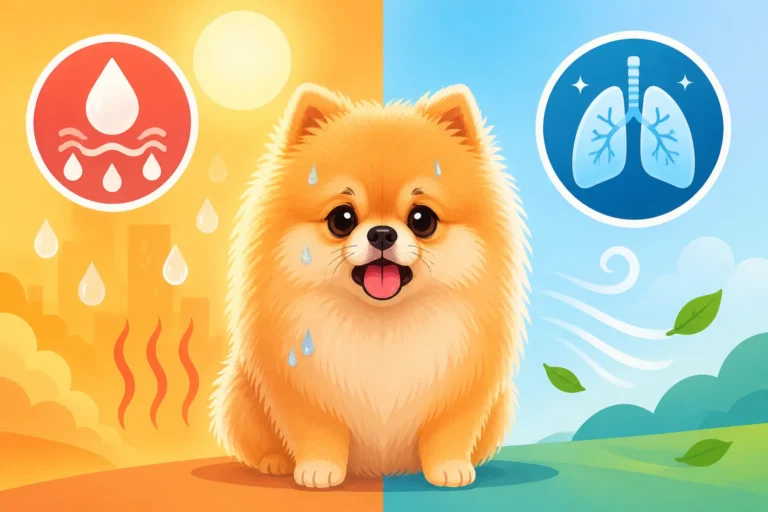
Consider investing in a good quality air purifier for the rooms your Pomeranian spends the most time in. These can filter out airborne irritants, making the air cleaner and less likely to trigger a sensitive airway. Avoid using strong chemical cleaners, air fresheners, scented candles, or incense in your home, as the fumes and particles can be highly irritating. Opt for natural, unscented, pet-safe alternatives whenever possible. Even something as simple as Humidity and a Pomeranian's Breathing can play a role, so maintaining a comfortable humidity level with a humidifier or dehumidifier, depending on your climate, might also help.
During allergy seasons, you might also consider wiping down your Pomeranian's face and paws after outdoor excursions to remove any pollen they might have picked up. This can prevent them from inhaling or ingesting these allergens once back inside. If you suspect specific allergies, your vet might recommend antihistamines or other allergy management strategies.
Proper Equipment and Handling
As discussed earlier, the right equipment is paramount for a Pomeranian’s delicate throat. Always use a harness for walks, rather than a collar. This eliminates pressure on the trachea and greatly reduces the risk of triggering a reverse sneeze due to leash pulling or sudden movements. There are many excellent harnesses available designed specifically for small breeds, ensuring a secure and comfortable fit. Look for brands like Puppia or Buddy Belt, which are known for their quality and small-dog friendly designs. You can find detailed advice on Harnesses Fitted for a Pomeranian's Windpipe to make an informed choice.
Beyond walking equipment, be mindful of how you pick up and handle your Pomeranian. Always support their chest and hindquarters, avoiding any pressure on their neck or abdominal area. Rough handling, even accidental, can sometimes lead to a snorting fit if it causes a sudden intake of breath or puts stress on their throat. Teach children how to properly interact with and hold a small dog to prevent accidental injury or distress.
Regular Vet Check-ups
Even if your Pomeranian only has occasional reverse sneezes, regular veterinary check-ups are vital. These routine visits allow your vet to monitor your dog's overall health, listen for any changes in their breathing or heart, and catch potential issues early. Your vet can confirm that what you're observing is indeed a harmless reverse sneeze and not a symptom of a more serious condition.
During these visits, you can discuss any concerns about the frequency or severity of the fits. Your vet might suggest specific diagnostic tests, especially if they hear anything unusual during the physical exam, or if your dog is older. For instance, sometimes a routine pre-anesthetic bloodwork for a dental cleaning might reveal an underlying issue. Whether a Pomeranian Needs Pre-Anesthetic Bloodwork is a conversation you should always have with your vet, particularly for small breeds, as it provides a baseline understanding of their health.
If your Pomeranian is prone to severe or frequent fits, or if they have other health conditions, your vet might recommend more frequent check-ups. Maintaining a strong relationship with your veterinarian is your best defense against potential health problems and ensures you have expert guidance when you need it most.
Living with a Pomeranian Prone to Snorting Fits
Having a Pomeranian who occasionally experiences snorting fits can be a bit nerve-wracking, but with understanding and preparation, you can ensure both you and your furry friend live comfortably and confidently. It’s all about creating a supportive environment and knowing when to act.
Long-Term Management and Peace of Mind
For most Pomeranians, reverse sneezes are just a quirky part of their personality and don't require specific medical treatment. The best long-term management involves minimizing known triggers, as discussed above. This means keeping their environment clean, avoiding irritants, using a harness, and being mindful of situations that cause extreme excitement. Consistent use of a harness, for example, is a simple change that can have a profound impact on reducing incidents triggered by collar pressure.
It's also about adjusting your own mindset. Once your vet has confirmed that your Pomeranian's snorting fits are indeed harmless reverse sneezes and not indicative of a more serious issue, you can relax a bit. Knowing that they are still breathing and will quickly recover can help alleviate your anxiety during an episode. Many owners find it helpful to simply sit with their dog, gently stroke them, and talk calmly until the fit passes. Over time, you’ll learn your Pom’s specific cues and rhythms, making these moments less frightening. Consider discussing Managing a Pomeranian's Windpipe Without Surgery with your vet if you're concerned about general throat health.
When to Consider Pet Insurance for Respiratory Issues
While a typical reverse sneeze might not incur significant vet bills, more serious respiratory conditions that can mimic or be confused with reverse sneezes certainly can. Conditions like a collapsing trachea, severe allergies requiring medication, or even heart conditions that impact breathing can lead to extensive diagnostic tests, specialist consultations, and ongoing treatments. These costs can quickly add up, becoming a significant financial burden for pet owners.
This is where pet insurance can offer immense peace of mind. A good pet insurance policy, like those offered by Healthy Paws, can help cover a large percentage of unexpected veterinary bills, including those for diagnostics, specialist care, and medications related to respiratory issues. If your Pomeranian is diagnosed with a condition like a collapsing trachea or severe asthma, the expenses for managing The Cost of Managing a Pomeranian's Trachea Long Term can be substantial. Having insurance means you can make decisions based on your Pomeranian's health needs, rather than your wallet.
It’s always best to get pet insurance when your dog is young and healthy, before any pre-existing conditions are noted. Most policies won't cover conditions that were diagnosed or showed symptoms before the policy started or during a waiting period. Research different providers and their coverage plans for chronic conditions, and consider a provider like Healthy Paws, which is known for comprehensive coverage. Even if your Pomeranian just has "minor" reverse sneezes now, you'll be prepared if something more serious develops down the line.
| Symptom / Condition | Reverse Sneeze (Paroxysmal Respiration) | Collapsing Trachea (Tracheal Collapse) | Kennel Cough (Bordetella) |
|---|---|---|---|
| Sound | Rapid, loud snorting/gasping inhalations; "goose honk" often used. | Dry, harsh, persistent "goose honk" cough, usually on exhale. | Dry, hacking, often forceful cough, sometimes followed by retching. |
| Trigger | Excitement, irritants, quick movements, collar pressure. | Excitement, exercise, pulling on leash, drinking, heat. | Exposure to other infected dogs, viral/bacterial infection. |
| Duration | Seconds to 1-2 minutes; resolves quickly. | Can last for several minutes; often chronic. | Can last days to weeks; can be persistent. |
| Appearance | Neck extended, chest contracts, eyes may bulge, looks distressed. | Neck extended, may paw at throat; appears in discomfort. | May hunch over, retch; otherwise may appear normal or lethargic. |
| Recovery | Immediate return to normal activity. | May continue to cough or struggle for a bit, often tired. | May continue to cough, possibly lethargic, runny nose. |
| Urgency for Vet | If frequent, severe, or accompanied by other symptoms. | Always warrants vet attention for diagnosis and management. | If severe, prolonged, or with other symptoms; highly contagious. |
Disclaimer
The information provided in this article is for general informational purposes only and is not a substitute for professional veterinary advice. Always consult with a qualified veterinarian for any health concerns or before making any decisions related to your Pomeranian's health or treatment.