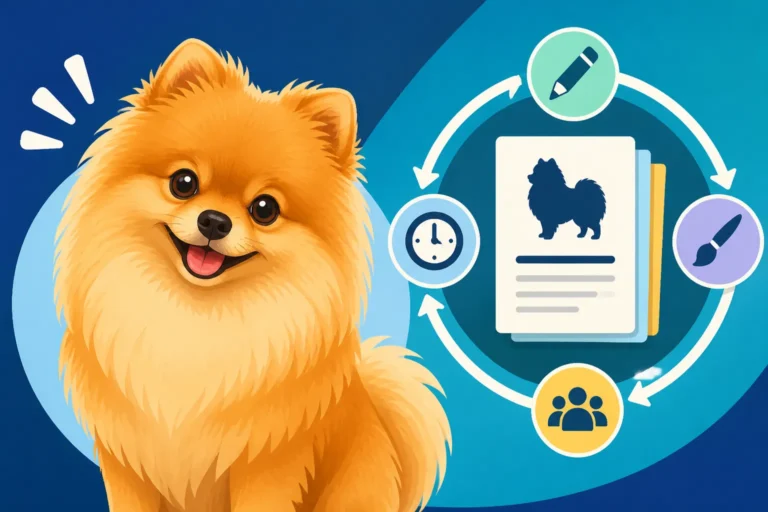
Whether a Pomeranian Suits Someone Living Alone
Living alone does not automatically rule out a Pomeranian, but it does mean you’ll need a realistic plan for company, bathroom breaks, exercise, and barking. These bright little dogs can make affectionate companions, yet many struggle when left alone for long stretches. This guide helps you weigh the fit and build a routine that works for both of you.
Is a Pomeranian a good dog for someone who lives alone
Why the breed can suit solo living
Pomeranians often enjoy staying close to their people. If you work from home, have a flexible schedule, or spend a good part of the day at home, a Pom may fit naturally into your routine. They’re small enough for many apartments and can get meaningful activity through walks, play, and training without needing a large yard.
Their size can also make everyday logistics easier. A carrier may help with safe travel, and a small dog can often settle comfortably in a modest home. But small doesn’t mean no maintenance: Pomeranians need regular coat care, training, attention, and veterinary care like any other dog.
A solo owner may also find that a Pom’s alertness is useful company. Many Pomeranians notice movement and sounds quickly, though that same trait can lead to frequent barking at hallway noise, visitors, or people passing a window. If you live in an apartment or share walls, it’s worth considering how you’ll teach calm behavior and manage triggers. For a closer look at the household setting, see Whether a Pomeranian Suits Apartment Living.
Why living alone can make the fit harder
The main challenge is not being single; it’s how many hours your dog would spend without company and whether you can provide dependable care. A Pomeranian that is left alone for long periods every day may become distressed, bark, have accidents, or chew household items. Others may cope well with gradual training and a predictable routine, but individual dogs vary.
Puppies usually need more frequent bathroom trips, supervision, and social learning than settled adults. If you’re away for a full workday, consider who can check in and when, rather than assuming a young dog can simply adapt. An adult dog may be a more practical choice for someone with a busy schedule, especially when its temperament and history with alone time are known. The question of workday absences deserves its own careful plan: Whether a Pomeranian Can Be Left During Work Hours.
A single person also has to think through backup care. What happens if you’re sick, delayed at work, or need to travel? A reliable friend, sitter, walker, or boarding arrangement can make solo ownership much more manageable. Without that support, ordinary disruptions can become stressful for both you and your dog.
The daily routine a solo owner should be ready to provide
Plan for company and bathroom breaks
Before bringing home a Pomeranian, map a realistic weekday. Include time for a morning bathroom trip, meals, a walk or play, and another chance to go outside before bedtime. If you’re away for several hours, arrange a check-in based on the dog’s age, health, training, and comfort with being alone. A young puppy generally needs more frequent attention than a healthy adult.
For example, imagine leaving home early and returning after a long shift. A quick walk before work may not cover the entire day, particularly for a puppy or a dog still learning house training. A midday visit from a trusted person can provide a bathroom break and a little interaction. On the other hand, someone working remotely may be able to offer more frequent breaks but still needs to schedule focused work and teach the dog that brief separations are normal.
Consistency helps, but a rigid schedule isn’t always possible. Build in a backup option for days when traffic, weather, or an unexpected meeting throws off your plans. For more ideas about what a steady schedule can look like, read The Routine a Pomeranian Needs Every Day.
Make alone time a learned skill
It’s easy to assume that a dog who follows you from room to room is automatically comfortable being alone. Those are different things. Practice short, calm separations while you’re still at home: step behind a door briefly, return without making a big event of it, and gradually increase the time if your dog remains relaxed. A safe pen or comfortable resting area can help, provided it is introduced positively and never used as punishment.
Offer a calm activity before you leave, such as a safe food puzzle or a familiar chew suited to your dog. Keep departures and returns low-key, and avoid making a long goodbye the emotional high point of the day. If your Pom becomes panicked, barks continuously, scratches at doors, or cannot settle, simply extending the time away may make the problem worse. Ask your veterinarian or a qualified behavior professional for guidance. These signs can point to a deeper issue: Signs a Pomeranian Has Separation Anxiety.
Gradual independence is useful even if you’re usually home. It helps your dog rest comfortably while you shower, take out the trash, or run a short errand. Practical training matters more than expecting a companion dog to be happy in constant contact. You can explore the process in Building a Pomeranian's Independence.
What solo Pomeranian ownership asks of you
The trade-offs to consider
A Pomeranian can be a lovely companion for someone living alone, but the relationship can also become demanding if the dog relies on you for every moment of comfort. It helps to compare the everyday advantages with the responsibilities before deciding.
| Potential advantage | What to plan for |
|---|---|
| Small size can suit a compact home | Small dogs still need walks, play, training, and veterinary care |
| A close, people-oriented companion | Some Pomeranians find long or sudden separations difficult |
| Activity can include indoor games and short outings | Barking at sounds or passersby may need patient training |
| A routine can be shaped around one person | Backup care matters when work or life plans change |
| Adult dogs may have a more established personality | Ask about the individual dog’s health, habits, and alone-time history |
Grooming is another regular commitment. A Pomeranian’s coat needs brushing and attention to prevent tangles, and some owners rely on a professional groomer for help. You’ll also need to keep up with nail care, dental care, and routine health appointments. A supply checklist can prevent small tasks from being forgotten; for example, Chewy may be one place an owner looks for basics such as a suitable brush or dog toothpaste, while a veterinarian or groomer can help identify what fits the individual dog.
Think about your own energy and schedule, too. If you often travel, work unpredictable hours, or prefer to make plans at the last minute, decide who can care for your dog before you commit. A sitter who knows your dog’s routine, food, and handling preferences can make an absence easier. If you’re considering daycare, look for a setting that understands toy-sized dogs and provides safe supervision rather than assuming every group environment will suit a Pom.
Match the dog’s needs to your real life
No breed description can tell you exactly how one particular dog will handle solitude. Ask breeders or rescue caregivers specific questions: How does the dog behave when left in a safe space? Does it settle after a short adjustment, or show signs of distress? Is it comfortable with visitors, grooming, and being handled? For a rescue dog, ask what is known about its previous home and daily habits, while remembering that a new environment can change behavior.
An adult Pomeranian with a known, steady temperament may be a better fit for some solo owners than a puppy. A puppy can still work if you have time for supervision, training, and frequent breaks, but it’s a substantial commitment. Avoid choosing based only on looks or the hope that a dog will adapt to a schedule that already leaves little room for care.
It also helps to think past the first few exciting weeks. A Pomeranian may need more support as it ages, including adjustments to exercise, grooming, and home access. If you’re unsure whether the breed’s delicate size would work in your household, Whether a Pomeranian Is Too Fragile for a Family Home covers practical safety considerations that can also matter in a one-person home. And if your concern is specifically that your dog might never settle alone, The Pomeranian That Cannot Be Left Alone explores that challenge in more detail.
How to decide before bringing one home
Use a realistic readiness check
Before you bring home a Pomeranian, write down how the dog’s day would work on an ordinary weekday—not just on a quiet weekend. Include bathroom breaks, companionship, exercise, grooming, and time for training. Then consider what changes when you have a late meeting, feel unwell, or need to be away overnight.
A few questions can make the decision clearer:
- How long would the dog regularly be alone, and who could provide a check-in if needed?
- Can you give a puppy frequent supervision, or would an adult dog be more practical?
- Are you prepared to address barking with training and environmental changes?
- Do you have a backup caregiver and a plan for travel or emergencies?
- Can you budget time for coat care, dental care, exercise, and veterinary visits?
If you have not owned a dog before, try to spend time with Pomeranians in everyday settings—not only during a short visit when they’re excited. Ask an owner about the less glamorous parts, such as early-morning bathroom trips, brushing, and managing alert barking. A rescue group or responsible breeder may also help you think through whether a particular dog’s needs match your routine.
Set up your home and support network
Prepare a quiet resting area where your dog can relax without being disturbed. Remove hazards, keep food and household products out of reach, and use barriers to prevent access to unsafe stairs or furniture where a small dog could fall. Choose toys and chews that are appropriate for your dog’s size and chewing habits, and supervise new items until you know how your dog uses them. Chewy may be useful for finding everyday supplies such as a small-dog harness or puzzle toy, but fit and safety matter more than buying a large collection of gear.
For walks, use equipment that fits securely and handle your dog gently. A Pomeranian should not be allowed to pull against a collar as a routine walking method; a well-fitted harness can reduce pressure on the neck. Keep walks and play suited to the individual dog’s age, health, and comfort. How Far a Pomeranian Can Walk in a Day offers more context on exercise expectations.
Finally, start practicing your routine before you need it to work perfectly. Teach brief separations, introduce a resting area gradually, and reward calm behavior. Ask a sitter to meet your dog before an urgent situation arises. A small supply of familiar food, cleaning items, and grooming essentials can also make a caregiver’s job easier; Chewy is one possible source for restocking those basics if that fits your shopping routine.
Living alone can be compatible with Pomeranian ownership when you can provide companionship, patient training, and reliable backup care. The best match is not simply a dog that looks right for your home, but one whose needs fit the life you can consistently offer.
Disclaimer
This article is for general informational purposes only and does not constitute professional advice. Laws, prices and regulations vary by location and change over time. Consult a qualified professional for guidance on your specific situation.