Whether a Pomeranian’s Coat Grows Back After Alopecia X
It's absolutely heartbreaking to look at your beautiful Pomeranian and see patches of their glorious double coat disappearing, or worse, their skin turning dark and bald. This isn't just a cosmetic issue for us owners; it's a gut punch, a constant worry, and a question mark hanging over our beloved fluffy companions. This guide is here to shed light on Alopecia X, often known as Black Skin Disease, and help you understand the complex realities of whether your Pomeranian's coat can truly grow back after this frustrating condition.
Understanding Alopecia X and Its Impact on the Pomeranian Coat
When you first notice your Pomeranian's once-luxurious coat starting to thin, or patches of fur falling out, it’s natural to feel a wave of panic. Is it allergies? Something serious? For many Pom owners, this distressing hair loss eventually leads to a diagnosis of Alopecia X, a condition as puzzling as its name suggests. It's not just hair loss; it's a fundamental change to their skin and appearance.
What Exactly is Alopecia X?
Alopecia X is a peculiar dermatological condition primarily affecting plush-coated breeds, with Pomeranians being particularly susceptible. It's characterized by a progressive loss of hair, which often starts subtly on the hindquarters or flanks, and eventually spreads to the torso, neck, and sometimes even the tail. What makes it even more distinctive, and frankly, alarming for owners, is the accompanying hyperpigmentation – the skin where the hair once was gradually darkens, often turning a charcoal grey or black. This is precisely Why Pomeranian Owners Call Alopecia X Black Skin Disease, as the darkened skin is often a more striking feature than the hair loss itself.
Unlike many other skin conditions, Alopecia X itself is generally not painful or itchy for your Pomeranian. They aren't scratching at the bald spots or showing signs of discomfort; it’s largely a cosmetic issue, albeit one that can severely impact an owner's peace of mind. The texture of any remaining hair might change, becoming coarser or more brittle, and the new hair, if it grows, might be sparse, thin, and of a different quality. The condition typically manifests in young to middle-aged adult dogs, usually between one and ten years old, though it can appear earlier or later. The Age Alopecia X Usually Appears in a Pomeranian can vary, but it's rarely seen in very young puppies or very old seniors.
Why Pomeranians are Prone to Alopecia X
The exact cause of Alopecia X remains something of a medical mystery, which is why it's often referred to as "Alopecia X" – the "X" signifies its unknown origin. However, what we do know points strongly to a genetic predisposition. Pomeranians, along with other northern breeds like Alaskan Malamutes and Samoyeds, are genetically programmed in a way that makes them more susceptible. It’s believed to involve an abnormality in the hair follicle cycle, where hair follicles essentially go dormant and stop producing hair, rather than cycling through growth and rest phases normally.
While not a classical hormonal disease like hypothyroidism or Cushing's disease, Alopecia X is often linked to atypical adrenal gland hormone imbalances or sex hormone imbalances. This is why veterinarians will typically run a series of tests to rule out other, more treatable conditions first. You might find your vet suggesting tests to rule out common hormonal issues, as conditions like Telling Alopecia X From Cushing's in a Pomeranian or an underactive thyroid can present with similar symptoms of coat loss. Research has also indicated that there's a strong familial component, meaning if a parent dog had Alopecia X, their offspring are at a higher risk. This suggests Whether Alopecia X Runs in Pomeranian Lines is a significant consideration for breeders and prospective owners.
The lack of a definitive cause makes treatment and regrowth efforts all the more challenging, but understanding that it's often an inherent genetic predisposition can help owners come to terms with the condition, knowing it's not a result of anything they did wrong in their care.
The Complexities of Coat Regrowth Post-Alopecia X
Once you have a diagnosis of Alopecia X, the immediate and most pressing question for many owners is, "Will my Pomeranian's beautiful coat ever grow back?" It’s a natural query, fueled by hope and the desire for your dog to look their best. Unfortunately, the answer is rarely straightforward, and often hinges on a delicate balance of factors, including the individual dog's response and the chosen course of action.
The Unpredictable Nature of Regrowth
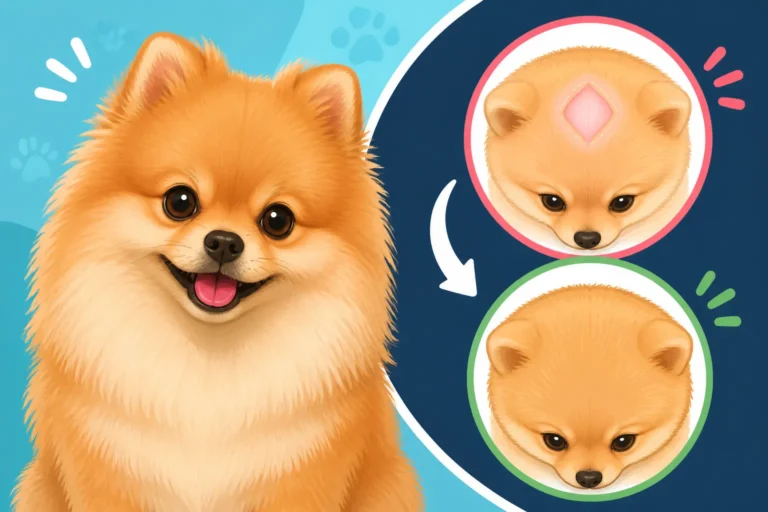
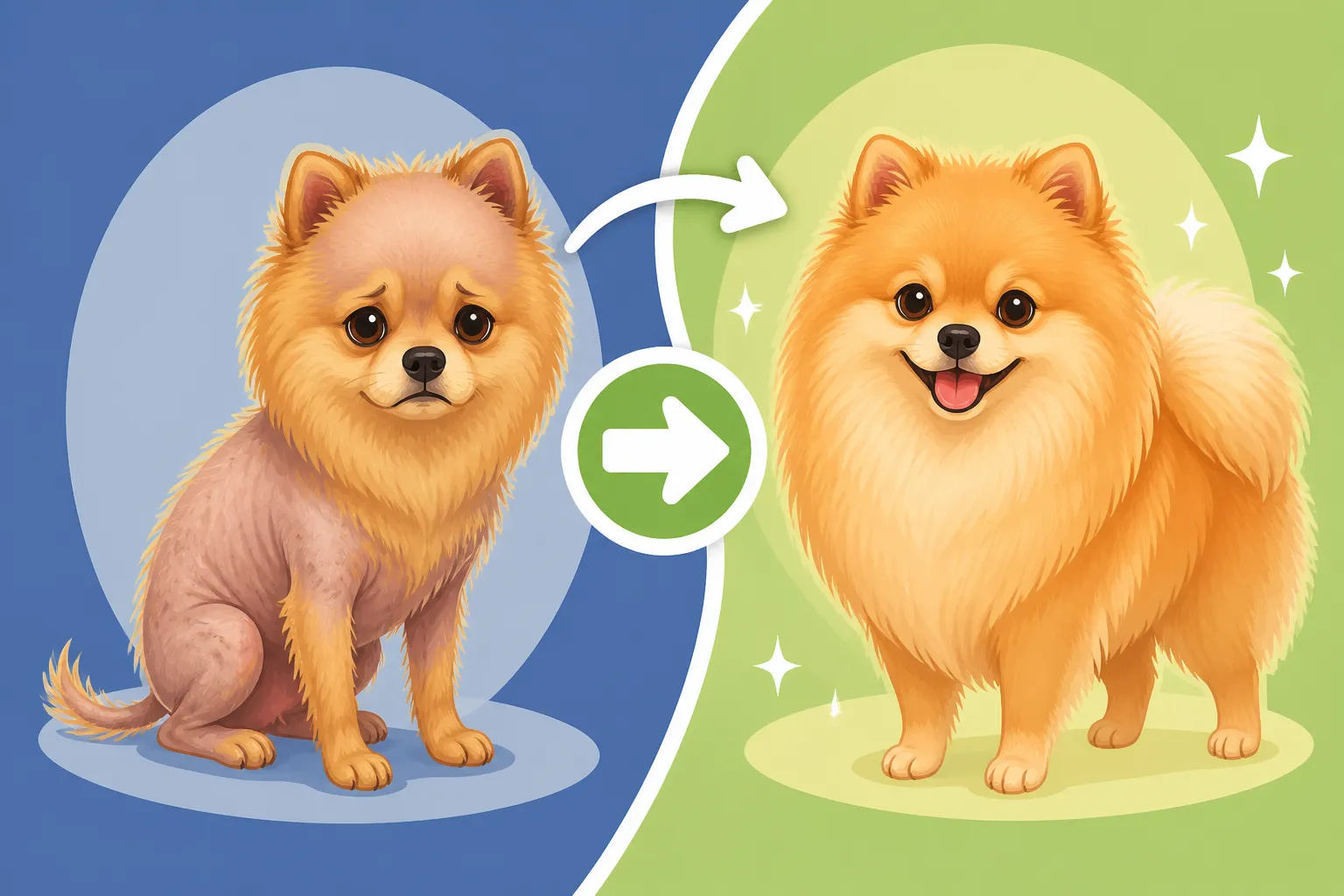
The most frustrating aspect of Alopecia X is the unpredictable nature of coat regrowth. Unlike hair loss from, say, a temporary stressor or a localized skin infection, the hair follicles affected by Alopecia X often enter a prolonged, sometimes permanent, resting phase. This means they simply stop producing new hair. While some treatments can stimulate regrowth, it's rarely a full, uniform return of the original double coat.
Imagine expecting a dense, fluffy cloud, and instead getting a thin, patchy mist. That's often the reality. Some Pomeranians might experience partial regrowth, with wispy, cotton-like hair appearing in previously bald areas. Others might grow back a short, sparse coat that feels different from their original plush fur. And for a significant number of Poms, despite various interventions, the coat may not return at all. The expectation that Whether a Pomeranian's Coat Grows Back After Alopecia X will be a resounding "yes" can lead to disappointment, which is why managing expectations is so important for your own emotional well-being. It's a journey of patience, observation, and often, acceptance.
Factors Influencing Whether the Coat Returns
The likelihood and quality of coat regrowth after Alopecia X are influenced by several variables:
- Individual Dog's Response to Treatment: This is perhaps the biggest wildcard. What works for one Pomeranian might have no effect on another. Some dogs respond favorably to specific supplements or medications, while others show no change whatsoever. It's often a process of trial and error under veterinary guidance.
- Duration and Severity of Hair Loss: If Alopecia X is caught early and hair loss is minimal, there might be a slightly better chance of stimulating some regrowth. However, if the condition has been present for a long time and large areas are completely bald with hyperpigmented skin, the follicles may be more stubbornly dormant or even damaged, making regrowth less likely.
- Age of Onset: While not a guarantee, some anecdotal evidence suggests that dogs diagnosed at a younger age might have a marginally better chance of responding to treatment, compared to older dogs whose follicles may have been dormant for a longer period.
- Overall Skin Health: Maintaining healthy, moisturized skin, free from secondary infections, is crucial. If the skin is dry, irritated, or compromised, it provides a less hospitable environment for any potential hair regrowth.
- Initial Diagnostic Accuracy: Ensuring that Alopecia X is indeed the correct diagnosis, and that other underlying conditions like thyroid imbalances or Cushing's have been definitively ruled out, is paramount. Treating the wrong condition will obviously yield no results for hair regrowth.
Understanding these factors can help you approach the situation with a more realistic and informed perspective, focusing on what you can control and accepting what you cannot.
Common Approaches and Their Effectiveness for Coat Regrowth
When facing Alopecia X, many owners understandably want to explore every possible avenue for coat regrowth. There are several common approaches, ranging from surgical intervention to medicinal and topical treatments. Each comes with its own set of expectations, potential benefits, and sometimes, unpredictable outcomes.
Neutering and Spaying as a Factor
One of the most discussed and debated interventions for Alopecia X is neutering (for males) or spaying (for females). The theory behind this approach is that because Alopecia X is believed to have a component related to sex hormone imbalances, removing the primary source of these hormones might normalize the hair growth cycle.
It's a strange paradox, as sometimes neutering can actually trigger or worsen coat loss in Pomeranians. For instance, some intact male Pomeranians develop Alopecia X only after being neutered, with the coat loss starting in the months following the surgery. This is why Whether Neutering Triggers Coat Loss in a Pomeranian is a common concern among owners and veterinarians.
However, in other cases, neutering or spaying an intact dog who has already developed Alopecia X can, surprisingly, lead to coat regrowth. This usually happens within a few months of the procedure. The regrowth, if it occurs, can be variable – sometimes a full coat returns, other times it's partial or of a different texture. For dogs who are already neutered or spayed when they develop Alopecia X, the situation is even more complex, as this option is no longer available. In these instances, veterinarians sometimes explore the use of sex hormone therapy (e.g., testosterone or estrogen replacement), but this carries its own risks and requires careful monitoring due to potential side effects.
Medicinal and Supplement-Based Treatments
Beyond addressing sex hormones, several other medicinal and supplementary treatments have been tried with varying degrees of success:
-
Melatonin: This over-the-counter supplement is often one of the first lines of treatment recommended by vets for Alopecia X. Melatonin is a hormone that regulates sleep cycles, but it's also thought to have an impact on hair follicle cycles. It’s believed to help restart the growth phase in dormant follicles. Many owners report some success, with hair returning in varying degrees, sometimes thin and fuzzy, sometimes more substantial. However, Whether Melatonin Regrows a Pomeranian's Coat is not a guaranteed "yes" for every dog. Success rates are quite variable, and it can take several months to see any effect. Dosing must be carefully managed with your vet, and it's generally a very safe option with minimal side effects, primarily drowsiness.
-
Trilostane (Vetoryl): This medication is typically used to treat Cushing's disease, a condition involving overproduction of adrenal hormones. Since Alopecia X can sometimes involve atypical adrenal hormone imbalances, Trilostane is occasionally used off-label. It works by inhibiting adrenal hormone production. While it can be effective for some dogs, it requires very careful monitoring with regular blood tests, as it can have significant side effects if not dosed correctly, including lethargy, vomiting, and even adrenal crises. This is generally reserved for cases where other treatments have failed and a vet suspects an adrenal component.
-
Growth Hormone Therapy: Historically, bovine growth hormone was used to stimulate hair growth. However, its use has largely fallen out of favor due to potential side effects like diabetes, acromegaly, and other metabolic disturbances. It's rarely recommended or available for Alopecia X today.
-
Supplements (Omega Fatty Acids, Biotin, etc.): While not direct treatments for Alopecia X, supplements like omega-3 and omega-6 fatty acids (found in fish oil) and biotin can support overall skin health and coat quality. They help maintain skin barrier function and reduce inflammation, which can create a more favorable environment for any potential regrowth. However, they are generally supportive rather than curative for Alopecia X.
The Impact of Proper Grooming and Skin Care
Even if your Pomeranian doesn't regrow a full coat, diligent and appropriate grooming and skin care are paramount for their comfort and health. This is especially true for the hyperpigmented, bald areas.
- Gentle Handling: Your Pom's skin in affected areas can be delicate and more prone to irritation. Avoid harsh brushing or rubbing, which can further damage dormant follicles or sensitive skin.
- Proper Bathing and Moisturizing: Regular, gentle bathing with a vet-approved moisturizing shampoo can keep the skin clean and hydrated. Follow up with a good quality conditioner or leave-in moisturizer specifically designed for dogs. This is crucial to prevent dryness, flakiness, and itching that can sometimes accompany the condition. Keeping the skin supple makes it more comfortable for your dog and provides a better environment for potential hair growth.
- Avoiding Shaving: It might seem counterintuitive, but never shave a Pomeranian with Alopecia X down to the skin. This is true for any double-coated breed, but especially for those with compromised hair follicles. Shaving can actually prevent the coat from ever growing back properly, even if it wasn't already affected by Alopecia X. Why Shaving a Pomeranian Can End Its Coat is a common pitfall for owners unaware of the unique structure of their dog's fur. The harsh cut can damage the delicate follicles and disrupt the natural growth cycle.
- Sun Protection: For bald areas, sun exposure becomes a real concern. Just like human skin, your Pomeranian's unprotected skin can get sunburned, leading to pain, redness, and potentially increasing the risk of skin cancer over time. This is why Protecting a Bald Pomeranian's Skin From Sun is a non-negotiable part of their daily care routine, especially during warmer months or if they spend time outdoors.
A holistic approach, often combining veterinary treatments with meticulous home care, offers the best chance for managing Alopecia X and potentially encouraging some coat regeneration.
Living with Alopecia X and Managing Expectations
It's natural to feel frustrated and even a little heartbroken when your Pomeranian is diagnosed with Alopecia X. Their signature fluffy coat is such a defining characteristic, and seeing it diminish can be tough. But beyond the aesthetics, it's crucial to remember that your dog is still the same loving companion. Living with Alopecia X is ultimately about ensuring their comfort, health, and happiness, regardless of their fur.
Accepting a "Naked" Pomeranian
One of the most important steps in dealing with Alopecia X is coming to terms with the possibility that your Pomeranian's coat might never return to its former glory. While some dogs do experience partial regrowth with treatment, many remain mostly bald or develop a very sparse, fine coat. It’s important to remember that Alopecia X, in most cases, is purely a cosmetic condition. It doesn't cause pain or discomfort to your dog, and it doesn't generally shorten their lifespan. Whether Alopecia X Hurts a Pomeranian is a common question, and thankfully, the answer is typically no – it's not painful.
Your dog’s quality of life does not depend on the density of their fur. They will still greet you with tail wags, demand belly rubs, and cuddle up on the couch. Focusing on their comfort, mental stimulation, and overall well-being is far more impactful than agonizing over their appearance. Think of it as just another unique trait that makes your Pom special. Many owners find that once they accept this reality, the stress and disappointment lessen, allowing them to fully enjoy their furry (or not-so-furry) friend.
Practical Care for a Bald Pomeranian
While the lack of fur might not bother your Pomeranian, it does mean you'll need to adjust their daily care routine to compensate for their missing natural insulation and protection.
- Sun Protection: Without a dense double coat, your Pom’s skin is highly vulnerable to the sun's harmful UV rays. This means applying dog-specific sunscreen to exposed areas, especially the back, belly, and ears, whenever they're going to be outdoors. Even better, invest in lightweight, breathable sun shirts or UV-protective clothing. These not only shield their skin but also provide a cute way to dress up your "naked" Pom.
- Warmth in Colder Weather: Conversely, a bald Pomeranian will feel the cold much more acutely than one with a full coat. During autumn and winter, or even in air-conditioned homes, sweaters and coats become essential. Look for soft, comfortable materials that won't irritate their sensitive skin. Ensure they have warm, cozy beds indoors, away from drafts.
- Skin Moisturizing: The hyperpigmented skin associated with Alopecia X can sometimes become dry, scaly, or flaky. Regular application of a veterinary-approved moisturizing cream or oil can help keep their skin supple and prevent irritation. Ask your vet for recommendations, as human lotions might not be suitable for canine skin. Maintaining healthy skin is vital for comfort and general well-being.
- Regular Vet Check-ups: Even though Alopecia X is mostly cosmetic, regular veterinary check-ups are still important to monitor their overall health and ensure no other issues are developing. Your vet can advise on the best skin care products and any new developments in Alopecia X management. Having reliable pet insurance like Healthy Paws can be incredibly beneficial here. It can help cover the costs of these routine check-ups, diagnostic tests, and any potential treatments or medications your vet recommends for managing Alopecia X and ensuring your Pomeranian stays healthy and comfortable.
The Financial and Emotional Toll
Dealing with Alopecia X isn't just about managing a physical condition; it comes with a significant financial and emotional burden for dedicated Pomeranian owners. From the initial diagnostic journey to ongoing care and potential treatments, the costs and stress can quickly add up.
Diagnostic Journeys and Their Costs
When your Pomeranian starts losing their coat, Alopecia X is often a diagnosis of exclusion. This means your veterinarian will need to systematically rule out other, more common or treatable causes of hair loss before settling on Alopecia X. This diagnostic process can be extensive and, consequently, expensive.
Typically, the initial steps involve a thorough physical examination and perhaps some basic skin scrapings to rule out parasites like mites, or fungal cultures to check for ringworm. If these are clear, your vet will likely recommend blood work to check for systemic issues. This often includes:
- Full Blood Panels: To assess overall health, organ function, and identify any general inflammatory processes.
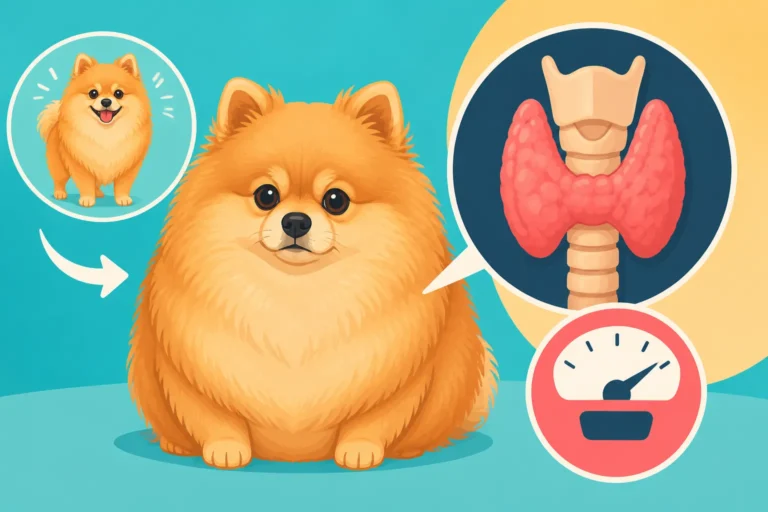
- Thyroid Testing: An underactive thyroid (hypothyroidism) can cause hair loss and dull coats, making it crucial to rule out. Ruling Out Thyroid on a Balding Pomeranian is a standard part of the diagnostic process.
- Adrenal Function Tests: These specialized tests, like an ACTH stimulation test or low-dose dexamethasone suppression test, are performed to rule out Cushing's disease, which also causes hair loss and can sometimes mimic aspects of Alopecia X. Atypical adrenal hyperplasia is also investigated.
- Skin Biopsies: If all other tests are inconclusive, a skin biopsy may be recommended. This involves taking small tissue samples from the affected areas and sending them to a specialized veterinary dermatopathologist for microscopic examination. This is often the definitive step in diagnosing Alopecia X.
Each of these tests adds to the overall cost, and depending on where you live and your veterinary practice's fees, the total for a full diagnostic workup can easily run into hundreds, if not thousands, of dollars. What a Pomeranian's skin workup costs can be a real eye-opener for owners, especially when you're looking at multiple specialized tests. This is precisely where having pet insurance can be a game-changer. A reliable policy from a provider like Healthy Paws can significantly alleviate the financial stress by covering a large percentage of these eligible diagnostic and treatment costs, allowing you to make medical decisions based on what's best for your Pom, rather than what's cheapest.
Supporting Your Pomeranian (and Yourself)
Beyond the financial strain, the emotional impact of Alopecia X on owners is profound. You brought home a fluffy, vibrant Pomeranian, and seeing them lose their signature coat can lead to feelings of sadness, guilt, and helplessness. You might worry about how others perceive your dog, or feel a pang of longing for their former appearance. It’s okay to feel this way. You’re not alone.
- Connect with Support Systems: Many online communities and local breed clubs have forums or groups dedicated to Pomeranian owners dealing with Alopecia X. Sharing experiences, asking questions, and seeing photos of other "naked Poms" thriving can be incredibly validating and comforting. You’ll find solidarity and practical tips from those who truly understand.
- Focus on Their Inner Spark: Remember the personality that shines through, regardless of fur. Engage in activities your Pomeranian loves, whether it's playtime, walks (with appropriate sun/cold protection), or simply cuddling. Their joy and love are unaffected by their coat condition.
- Educate Others: Be prepared to answer questions from curious strangers. A simple, polite explanation that your dog has a harmless skin condition can help avoid awkward encounters and educate others about the breed.
- Lean on Pet Insurance: The peace of mind that comes with knowing you have financial support for your Pomeranian's health needs cannot be overstated. With a partner like Healthy Paws, you can focus on providing the best possible care, whether it's for diagnostics, specialized foods, or protective clothing, without the constant worry of crushing vet bills. This allows you to channel your emotional energy into loving and caring for your Pomeranian, rather than stressing about finances. Ultimately, your love and consistent care are the most powerful treatments you can offer.
| Treatment Option | Potential for Regrowth | Pros | Cons | Considerations |
|---|---|---|---|---|
| Neutering/Spaying | Variable | Can be highly effective in some cases | Unpredictable, may worsen or trigger Alopecia X in others | Only applicable to intact dogs; irreversible. Discuss potential risks with your vet. |
| Melatonin | Variable | Over-the-counter, generally safe, inexpensive | Success rates vary widely, takes months to see results, regrowth often partial/fine | Requires consistent dosing. Minimal side effects (drowsiness). |
| Trilostane (Vetoryl) | Moderate | Can be effective if adrenal component present | Expensive, requires strict veterinary monitoring (blood tests), potential serious side effects | Used off-label; generally reserved for specific cases where other options fail or adrenal issues suspected. |
| Growth Hormone | Low/Historical | Historically used to stimulate growth | Significant side effects (diabetes, etc.), rarely used or available today | Not a common or recommended treatment in modern veterinary medicine. |
| Supportive Care | Low (direct regrowth) | Enhances skin health, comfort | Does not directly induce hair growth, but supports overall well-being and a better environment | Sun protection, moisturizing, proper grooming are essential regardless of other treatments. |
Disclaimer
The information provided in this guide is intended for general informational purposes only and does not constitute veterinary medical advice. Always consult with a qualified veterinarian for any health concerns or before making any decisions about your Pomeranian's care or treatment.