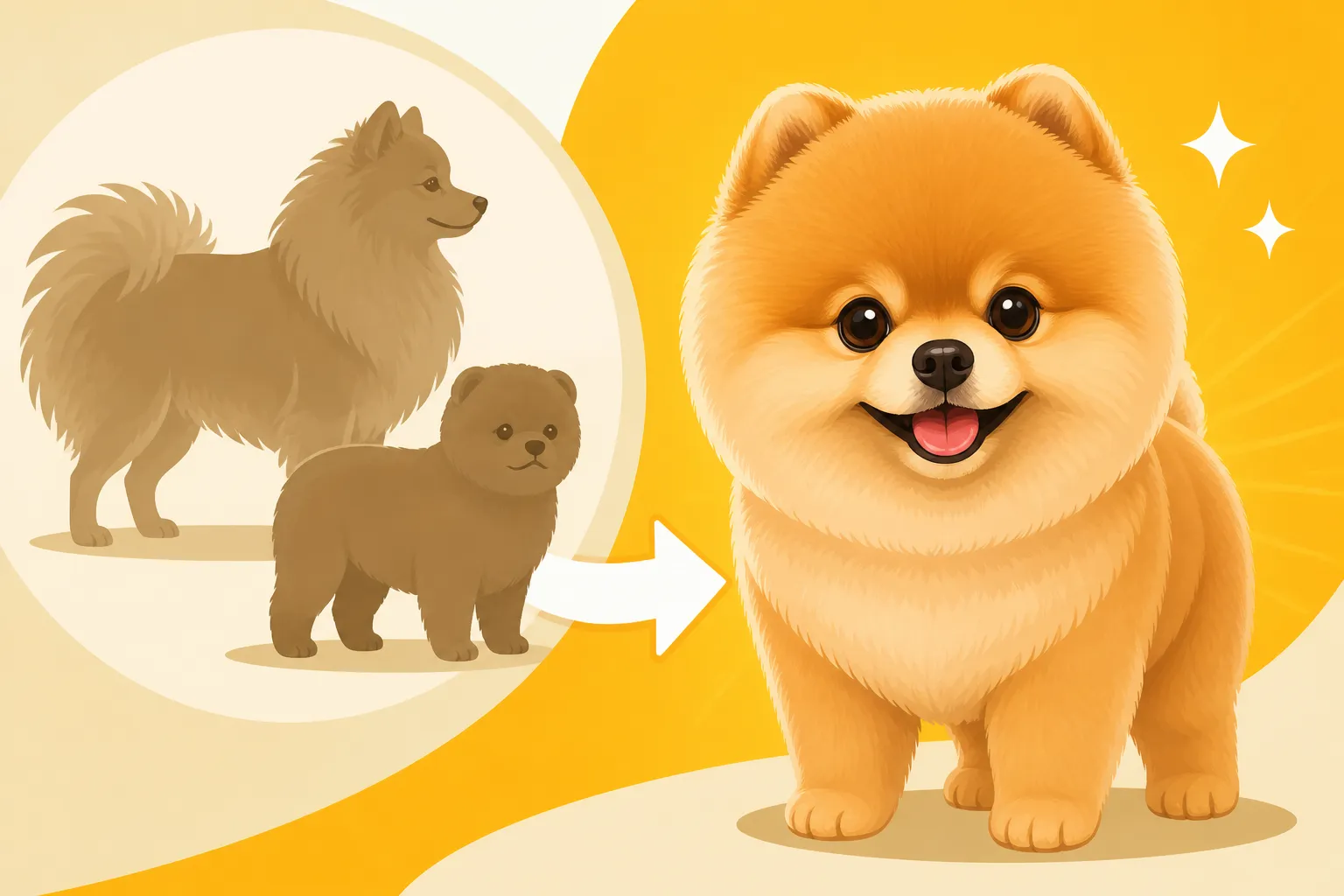
Where the Teddy Bear Pomeranian Look Started
It's completely understandable to see those adorable pictures online of Pomeranians with incredibly round, fluffy faces and think, "That's the look I want!" Many people search specifically for "teddy bear Pomeranians," only to find themselves confused when breed clubs don't recognize the term. This guide is here to unravel the mystery behind the popular "teddy bear" appearance, where it came from, and how it differs from the traditional Pomeranian look, while still helping you understand how to achieve a similar style safely and responsibly.
Decoding the "Teddy Bear" Pomeranian Look
When you see a "teddy bear" Pomeranian, what you're really admiring is a specific grooming style that emphasizes a shorter, rounded face and a generally fluffier, more compact body appearance. It’s not a separate breed, nor is it a distinct genetic type of Pomeranian. Instead, it’s a deliberate stylistic choice made by owners and groomers to give the dog a youthful, toy-like aesthetic reminiscent of a cuddly stuffed animal.
This look often involves trimming the hair around the face, ears, and body to create softer lines and a less angular profile than the traditional "fox-like" face that is characteristic of the breed standard. The goal is to maximize the impression of roundness and fluffiness. Think of it less as a "breed" and more as a "haircut" that has gained immense popularity, particularly on social media. While absolutely adorable, it's important to differentiate this trendy appearance from the actual breed characteristics.
What Constitutes the "Teddy Bear" Aesthetic?
The core elements of the "teddy bear" look revolve around certain grooming choices that highlight a more rounded, plush appearance. Firstly, the most defining feature is often the facial trim. Instead of the naturally longer muzzle and more defined stop of a traditional Pomeranian, the hair around the muzzle, cheeks, and forehead is carefully scissored to appear shorter and rounder, creating a softer, almost baby-faced effect. This can make the eyes seem larger and more prominent, contributing to that endearing, innocent expression.
Beyond the face, the "teddy bear" look extends to the body. The voluminous double coat is maintained, but often meticulously shaped and tidied. While the breed standard calls for a "stand-off" coat that projects from the body, the "teddy bear" trim might involve subtle shaping to enhance a uniformly fluffy, cloud-like silhouette without sacrificing the integrity of the double coat. The aim is to make the dog look like a perfectly groomed, living toy. It’s about creating an overall impression of softness and roundness, often enhanced by meticulous brushing and styling.
Why This Look isn't a Breed Type
It’s crucial to understand that "teddy bear" is not a recognized breed classification or a genetic variant within the Pomeranian world. The American Kennel Club (AKC) and other major kennel clubs around the globe recognize only one type of Pomeranian, defined by a very specific breed standard. This standard describes characteristics like coat texture, color, ear set, tail carriage, and overall body conformation. The traditional "fox-like" face, for instance, is a hallmark of the breed's Spitz heritage.
The "teddy bear" moniker emerged from popular culture and social media, driven by the desire for a particular aesthetic. It's similar to how people might refer to "designer breeds" or "teacup" dogs – these are terms coined by breeders or the public for marketing or descriptive purposes, but they don't signify a different, officially recognized breed. A Pomeranian styled to look like a teddy bear is still, at its core, a Pomeranian. Misconceptions can arise when people believe they are buying a distinct type of dog rather than a standard Pomeranian that has been groomed in a specific way. This distinction is important for understanding breed health, genetics, and responsible breeding practices. You can learn more about official breed standards in articles like The German Spitz Family a Pomeranian Belongs To and The Pomeranian Against the Other Toy Spitz Breeds.
The Genesis of the "Teddy Bear" Pomeranian Style
The rise of the "teddy bear" Pomeranian look is a fascinating intersection of grooming trends, social media influence, and a general public affection for "cute" aesthetics. It didn't emerge from a kennel club or a historical breeding program, but rather organically from a desire to enhance certain endearing qualities of the Pomeranian.
Before the "teddy bear" trend, many Pomeranian owners focused on maintaining the breed's natural, full, and flowing double coat, often with only light trimming to tidy up the edges and create the characteristic ruff and britches. The traditional show ring emphasizes this natural silhouette. However, as dog grooming evolved and became more stylized, and as the internet provided platforms for sharing adorable pet pictures, new looks began to gain traction.
The Influence of Social Media and Viral Pets
There's no denying that social media played a monumental role in popularizing the "teddy bear" Pomeranian. Dogs like Boo, often referred to as "the world's cutest dog" (though not technically a Pomeranian, but a Pom-mix or Mini American Eskimo Dog often mistaken for a shaved Pom), captured millions of hearts with his impossibly round, plush appearance. While Boo's exact breed and grooming methods were sometimes debated, the look he embodied—that compact, super-fluffy, perpetually puppy-like aesthetic—became aspirational for many small dog owners.
Pomeranians, with their naturally dense double coats and expressive faces, were perfectly suited to emulate this look. Groomers and owners began experimenting with trims that softened their features, creating that unmistakable roundness. Platforms like Instagram and Facebook allowed these images to spread like wildfire, creating a demand for dogs that looked exactly like the viral sensations. This wasn't about breed conformity, but about a visual ideal that resonated deeply with pet lovers worldwide. You can explore the impact of celebrity and viral pets in Famous Pomeranians on Social Media and Whether Boo Was a Typical Pomeranian.
Evolution of Grooming Styles
Historically, Pomeranian grooming focused on enhancing their natural "stand-off" coat and fox-like features. Judges in the show ring still look for this classic silhouette. However, outside the competitive show world, pet grooming has always been more flexible, adapting to owner preferences and practical needs. The "teddy bear" cut, or similar styles like the "lion cut" (though much more drastic and generally discouraged for Poms due to coat damage), are examples of this evolution.
Groomers, responding to client demand, developed techniques to achieve the rounded facial features and tidier body shape without resorting to full shaving, which can be detrimental to a Pomeranian's double coat. This often involves careful scissoring and blending, particularly around the head, ears, and paws. It’s a delicate balance to achieve the desired aesthetic while preserving the health and function of the coat. The art of the groomer became about sculpting, rather than just tidying, transforming the natural Spitz look into something more akin to a fluffy toy. Many reputable groomers offer "teddy bear" specific trims today, knowing it's a popular request. Understanding Trims a Pomeranian Can Safely Have is key here.
"Teddy Bear" vs. the Official Breed Standard
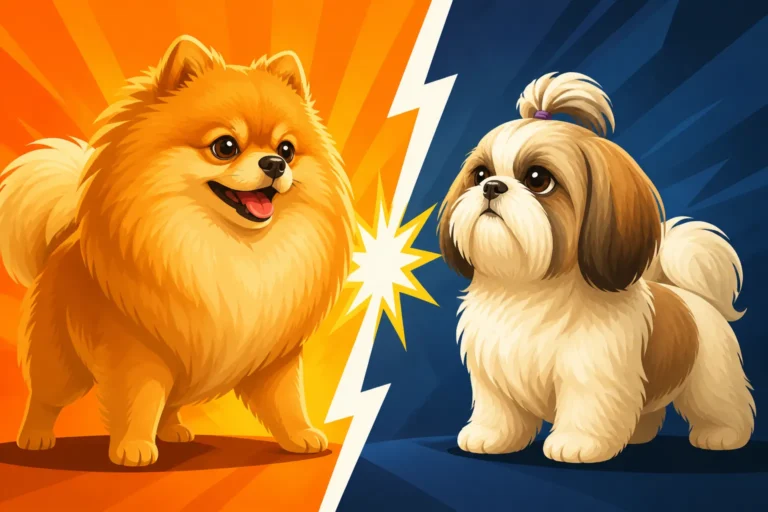
It's really important to distinguish between the popular "teddy bear" aesthetic and the official Pomeranian breed standard, especially if you're interested in showing your dog or are concerned about maintaining breed integrity. While the "teddy bear" look is undeniably cute and highly sought after by pet owners, it often involves grooming choices that would be considered deviations from what is expected in the show ring.
The breed standard, put forth by organizations like the AKC, outlines the ideal physical characteristics of a Pomeranian. This includes specific details about head shape, ear size and set, muzzle length, coat texture, and overall balance. The traditional Pomeranian is meant to have a keen, foxy expression, with ears that are small, erect, and set high on the head, and a medium-length muzzle. The coat is a double coat, with a soft, dense undercoat and long, straight, harsh outer coat that stands off from the body, creating a magnificent ruff and plume tail.
The "teddy bear" cut, by design, alters many of these features to create a softer, more rounded appearance. This is perfectly fine for a cherished pet, but it means that a "teddy bear" groomed Pomeranian would not typically perform well in conformation shows where adherence to the breed standard is paramount.
Key Differences in Appearance
Let's break down the visual discrepancies between the "teddy bear" look and the traditional, show-standard Pomeranian. It's often subtle, but once you know what to look for, the differences become quite clear.
| Feature | Official Breed Standard Pomeranian | "Teddy Bear" Pomeranian Look |
|---|---|---|
| Face Shape | Fox-like, refined, with a distinct stop and medium muzzle length. | Rounded, shorter muzzle, softer lines, giving a "baby doll" or "plush toy" appearance. |
| Ears | Small, erect, set high, often barely visible due to ear tufts. | Often trimmed round and shorter, making them more prominent and contributing to the rounded head. |
| Coat Length | Long, straight, double coat with profuse ruff and britches. | Maintained fluffy, but often scissored shorter and rounded across the body for a more compact, uniform plush look. |
| Overall Impression | Elegant, alert, foxy, with a majestic standoff coat. | Adorable, youthful, cuddly, like a living stuffed animal. |
These differences aren't about one being "better" than the other, but about different aesthetic goals. The standard aims for historical accuracy and breed type, while the "teddy bear" look is about cuteness and trendiness. You might also want to read about Fox Face, Baby Doll and Teddy Bear Pomeranians to understand how these terms relate to facial structure.
Potential Health Considerations of Grooming Choices
While the "teddy bear" trim itself is generally safe, any significant alteration to a Pomeranian's double coat requires careful consideration. The Pomeranian's double coat isn't just for looks; it serves vital functions, including insulation against both cold and heat, and protection from the elements and UV rays. When done improperly, aggressive shaving or clipping that goes too deep into the undercoat can lead to several problems.
One significant concern is "coat blow" or post-clipping alopecia, often referred to by owners as Black Skin Disease and the Pomeranian Coat That Never Returns or Why Pomeranian Owners Call Alopecia X Black Skin Disease. This is when the guard hairs are clipped too short, damaging the hair follicles and disrupting the natural growth cycle. The coat may grow back patchy, discolored, or not at all, leaving the dog vulnerable to sunburn and temperature extremes. Why Shaving a Pomeranian Can End Its Coat discusses this in more detail.
Another issue is the risk of overheating. A properly maintained double coat actually helps a Pomeranian regulate its body temperature in warm weather by trapping a layer of air that insulates against heat. When this protective layer is removed by improper trimming, the dog can be more susceptible to heatstroke. Always ensure your groomer understands double coats and uses appropriate techniques for Pomeranians. Opt for scissoring and tidying rather than close clipping if you want to maintain the "teddy bear" look safely.
Achieving and Maintaining the "Teddy Bear" Look Safely
So, you're set on that adorable "teddy bear" look for your Pomeranian. Great! The good news is that it’s achievable without compromising your dog's health or coat integrity, as long as it's done correctly and with regular maintenance. It all comes down to finding a skilled groomer and committing to a consistent at-home care routine.
Remember, the goal is to shape and tidy the coat, not to shave it down to the skin. A professional groomer who is experienced with double-coated breeds, particularly Pomeranians, will understand how to achieve the rounded, plush look using scissoring techniques that preserve the guard hairs and undercoat. They'll know how to trim the face to create that soft, rounded muzzle and how to shape the body to give that compact, teddy bear silhouette. Don't be afraid to bring in photos of the specific look you like, but also be open to their professional advice on what is healthiest for your individual dog's coat.
Grooming Techniques for the "Teddy Bear" Look
Achieving the "teddy bear" look is a precise art that relies heavily on scissoring and blending, rather than harsh clippers. Here’s what's typically involved:
- Facial Sculpting: This is the most defining part. The groomer will use thinning shears and straight shears to carefully trim the hair around the muzzle, cheeks, and forehead. The aim is to reduce the length and create a soft, rounded contour, making the face appear fuller and more spherical. The hair on the ears might also be tidied and rounded to blend into the overall head shape.
- Body Shaping: Instead of a uniform clip, the body hair is typically scissored to a desired length, usually a bit shorter than the natural full coat, but still long enough to protect the skin and allow the undercoat to function. The groomer will focus on creating a uniform fluffiness and a compact, rounded appearance, often by tidying up the "britches" (hair on the hindquarters) and the "ruff" (hair around the neck) to blend seamlessly.
- Paws and Sanitary Trim: The hair on the paws is usually rounded for a neat finish, and a sanitary trim is performed for hygiene.
It's crucial that the groomer avoids going too short, especially with clippers on the main body, as this can lead to the aforementioned coat issues. Communication with your groomer is key to ensuring they understand your aesthetic goals while prioritizing your Pomeranian's coat health. You can find more specific advice on this in What a Teddy Bear Trim Takes Off a Pomeranian and Tidying a Pomeranian's Face.
At-Home Maintenance and Care
Once your Pomeranian has that fresh "teddy bear" cut, the real work of maintaining it falls to you. This look, while charming, does require consistent at-home grooming to prevent matting and keep your Pom looking its best.
Regular brushing is paramount. Even with a shorter trim, a Pomeranian’s double coat can easily mat if neglected. Aim for brushing at least 3-4 times a week, if not daily, using a good quality slicker brush and a metal comb. The key is to brush all the way down to the skin, not just over the top layer. This prevents mats from forming close to the body, which can be painful and require shaving if severe. How Many Times a Week a Pomeranian Is Brushed offers a deeper dive into brushing frequency.
Bathing should be done as needed, typically every 2-4 weeks, using a dog-specific shampoo and conditioner. Make sure to thoroughly dry the coat afterwards, preferably with a pet-safe blow dryer on a cool setting, while brushing to ensure the hair dries straight and fluffy. Skipping the blow dry or letting the coat air dry can contribute to matting and a less appealing texture. Drying a Pomeranian Without Damaging the Coat provides valuable tips.
Between professional grooming appointments (which you'll likely need every 6-8 weeks to maintain the shape), you'll want to regularly check behind the ears, under the legs, and in the "armpits" for developing tangles. Keeping the face clean, especially around the eyes, will also contribute to that fresh "teddy bear" look. You can find a wide range of suitable brushes, combs, and pet-safe dryers on platforms like Chewy, making it easier to gather all the essentials for your home grooming kit.
Essential Grooming Tools
To keep your "teddy bear" Pomeranian looking perfectly plush between professional grooming appointments, investing in the right tools is essential. A few key items will make all the difference in managing their beautiful coat.
- Slicker Brush: This is your primary tool for detangling and removing loose undercoat. Look for one with fine, bent wire bristles that can penetrate the dense double coat without scratching the skin. Regular use helps prevent mats and keeps the coat fluffy.
- Metal Comb: A good quality, sturdy metal comb with both wide and fine teeth is crucial for checking for mats that the slicker brush might have missed. It also helps to fluff the coat and ensure all tangles are out.
- Pin Brush: While not as aggressive as a slicker, a pin brush can be great for general daily brushing, especially on longer areas, and for fluffing the coat after a bath.
- Blunt-nosed Scissors: These are handy for carefully trimming any stray hairs around the paws or for tidying up the face between professional grooms, but only if you are confident and your dog is calm. Always use extreme caution.
- Pet-Safe De-tangling Spray: A good quality spray can help when working through minor tangles and adds a pleasant scent while making brushing easier.
- High-Velocity Pet Dryer: While optional, a good dryer helps to straighten the coat after a bath and thoroughly dry the dense undercoat, which is vital for preventing skin issues and achieving maximum fluffiness.
You can find all these essential grooming supplies, from high-quality brushes and combs to shampoos and dryers, through online retailers like Chewy. Having these tools readily available will empower you to maintain your Pomeranian's "teddy bear" look at home, ensuring they stay comfortable and gorgeous between visits to the professional groomer. Remember, consistent home care is the foundation of a healthy, beautiful coat, regardless of the style you choose.
Disclaimer
This article is for general informational purposes only and does not constitute professional advice. Laws, prices and regulations vary by location and change over time. Consult a qualified professional for guidance on your specific situation.