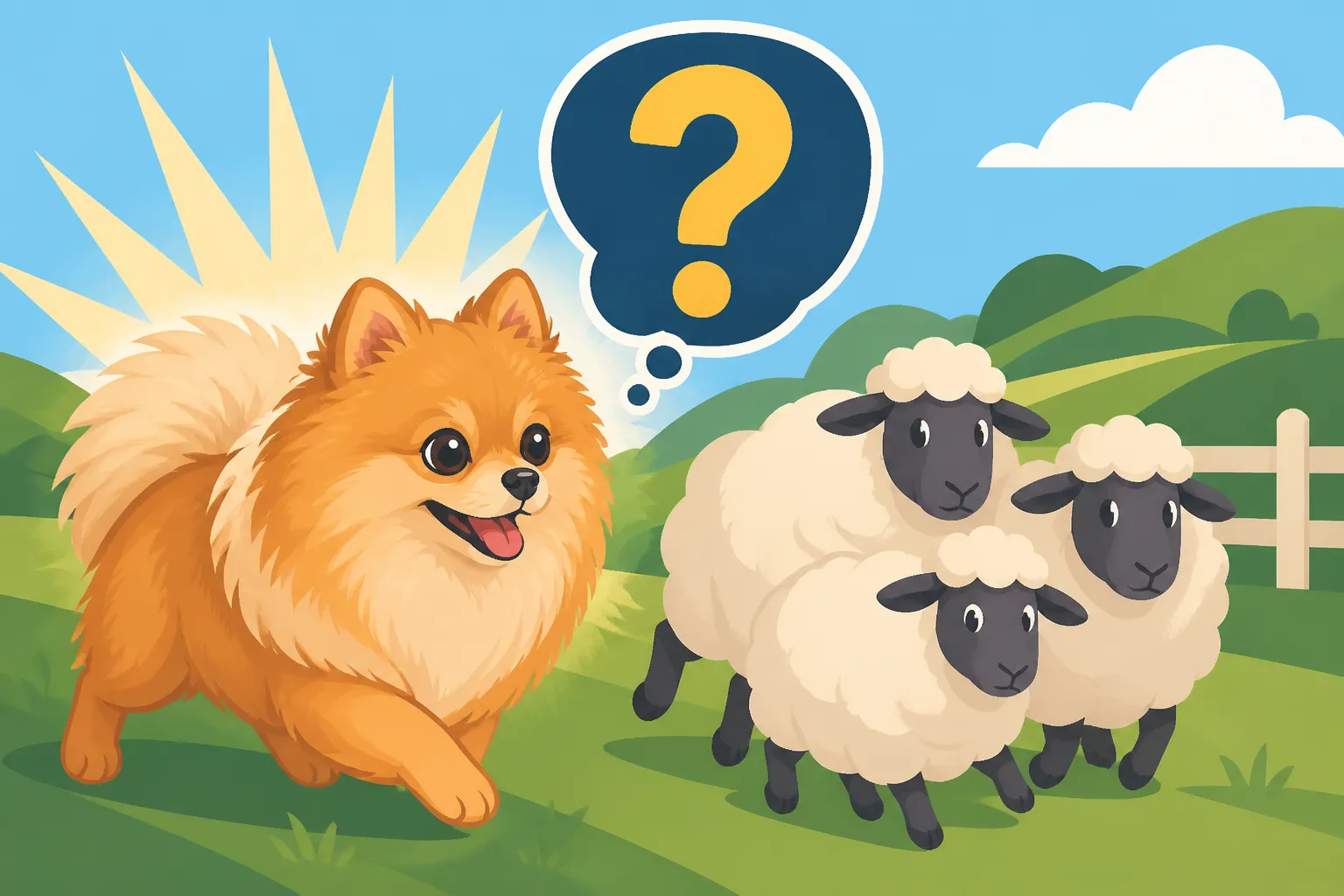
Whether the Pomeranian Herded Anything
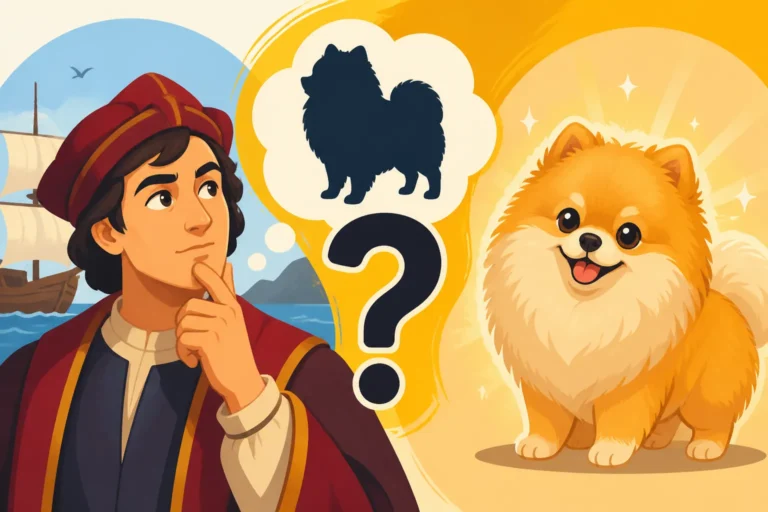
It’s easy to look at our fluffy, pint-sized Pomeranians today and marvel at their vibrant energy and sometimes surprisingly deep bark, then wonder what on earth a dog this small could have possibly done in its past. Many assume that because they're dogs, and dogs have historically served various purposes, that Poms must have had some kind of working role, perhaps even herding. But the truth of their history, while rooted in working ancestors, took a distinctly different path long before they became the lap warmers and companions we know and adore. This guide will walk you through the fascinating journey of the Pomeranian, debunking the myth of their herding past and revealing their true heritage.
Understanding the Pomeranian's Ancestry: A Glimpse into the Spitz Family
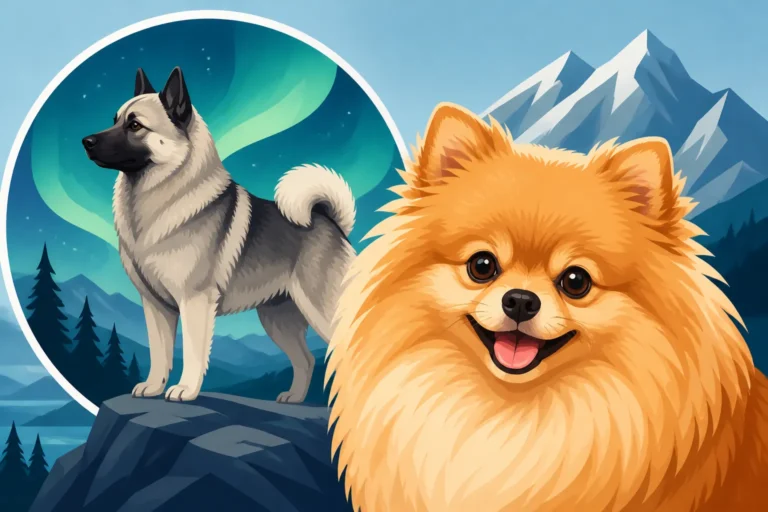
To truly understand the Pomeranian, we have to look back, way back, to their ancient roots within the Spitz family. These are some of the oldest dog breeds, known for their thick double coats, prick ears, and curled tails carried over their backs. When you see a Pomeranian, you're looking at a miniature version of a much larger, more rugged lineage.
The Mighty Northern Roots
Imagine vast, snowy landscapes and hardy people relying on sturdy, intelligent dogs for survival. That's the world from which the Spitz breeds emerged. Their ancestors were true working dogs – pulling sleds, guarding homes and livestock, and assisting in hunts across the Arctic and Northern European regions. Breeds like the Samoyed, Alaskan Malamute, and Siberian Husky are prime examples of these powerful, resilient canines. Even closer to the Pomeranian on the family tree are the larger German Spitz varieties, which were known for their vigilance and often found guarding farms and boats. These larger Spitz dogs possessed the physical prowess and independent spirit necessary for demanding tasks. The Working Spitz the Pomeranian Descends From really highlights this ancestral connection.
While our modern Poms might not be hauling anything heavier than a squeaky toy, that deep, rich history of hardiness and purpose is still embedded in their DNA. It explains their intelligence, their sometimes surprising stubbornness, and their remarkable ability to adapt to different environments. They carry the echoes of these noble, working ancestors, even if their own jobs have changed dramatically.
From the Baltic Coast to Royal Laps
The Pomeranian specifically takes its name from Pomerania, a region historically situated along the Baltic Sea, spanning parts of modern-day Germany and Poland. It's here that the process of miniaturization began. The original Pomeranian-type dogs in this region were not the tiny companions we cherish today. They were much larger, often weighing between 20 to 30 pounds, acting as robust farm dogs, watchdogs, and general companions. They were valued for their alert nature and their ability to keep a watchful eye over property without needing extensive space. Think of them as the alarm system and loyal protector for smallholdings and fishing boats, not herding expansive flocks of sheep. This shift from a larger, more utilitarian dog to a smaller, more refined version didn't happen overnight; it was a gradual process influenced by changing human preferences and breeding choices.
The Evolution of the Pomeranian: From Working Dog to Companion
The path of the Pomeranian from a utilitarian farm dog to a cherished lapdog is a fascinating tale of selective breeding and changing social trends. It shows how human desires can dramatically reshape a breed over time.
The 18th and 19th Century Pomeranian
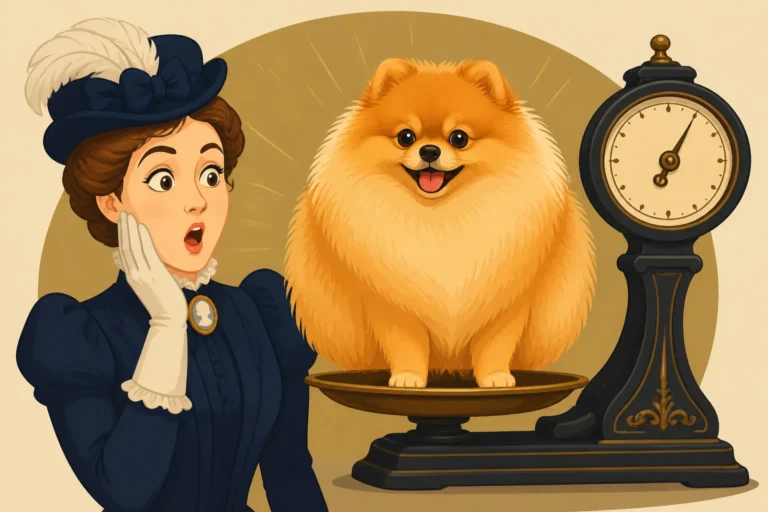
Before the Victorian era, Pomeranians were, as mentioned, substantially larger than their modern counterparts. Historical accounts and artwork depict dogs that could easily be mistaken for a smaller German Spitz. These dogs were quite popular as companions among various social classes, from working families to nobility, particularly in continental Europe. Their primary "job" was often that of a devoted companion and an excellent watchdog. Their keen sense of hearing and propensity to bark made them superb at alerting their owners to strangers or unusual activity. They were not typically assigned specific tasks like herding livestock or retrieving game, but rather provided companionship and security. The Twenty Five Pound Pomeranian of the 1800s provides a vivid picture of these earlier, larger Poms. They were robust, active dogs, quite capable of keeping pace with their owners on long walks or guarding a home with a formidable bark.
Queen Victoria's Influence and the Shift in Breeding Goals
The turning point for the Pomeranian breed came with Queen Victoria of England. She encountered Pomeranians during a trip to Florence, Italy, in 1888 and was instantly smitten with their charm and intelligence. Crucially, she was particularly fond of the smaller specimens she saw. Her favorite Pomeranian, a little sable male named Marco, reportedly weighed around 12 pounds, which was considered quite small for the breed at the time. Queen Victoria, Marco and the Pomeranian outlines this pivotal moment.
Victoria's patronage had an enormous impact. As her dogs gained prominence, breeders across England and beyond began to focus their efforts on producing smaller Pomeranians. This wasn't just a slight reduction; the breed halved in size within a single lifetime, going from dogs that were 20+ pounds to the 3-7 pound range we typically see today. How the Pomeranian Halved in Size in One Lifetime underscores the dramatic transformation. This intense selective breeding for miniaturization essentially solidified the Pomeranian's role as a companion and show dog, moving it further and further away from any ancestral working duties, including the theoretical possibility of herding.
Debunking the Herding Myth: Why Poms Weren't Built for the Task
When we look at the physical attributes and inherent temperament required for herding, it quickly becomes clear why Pomeranians, past or present, were never suited for such a role. It's not about their willingness, but their fundamental design.
Physical Attributes vs. Herding Requirements
Think about the characteristics of classic herding breeds: the Border Collie, Australian Shepherd, or even the Welsh Corgi. These dogs are built for sustained activity, speed, agility, and often possess a low-to-the-ground, sturdy frame. They need strong bones, powerful muscles, and a body type that can withstand miles of running, quick turns, and even the occasional kick from livestock. Their coats, while varying, are typically functional for outdoor work.
Now, consider our Pomeranian. Their delicate skeletal structure, small paws, and limited stride length make them physically unsuited for the arduous demands of herding. Their incredibly dense double coat, while beautiful and excellent for cold weather, isn't designed for navigating thorny bushes or shedding burrs from a sheep pasture; it's more for looking magnificent and staying warm in less demanding environments. A Pomeranian running for hours, dodging animals, or navigating uneven terrain would quickly face exhaustion and a high risk of injury. Their natural gait and overall physical capabilities simply do not align with the requirements of a herding dog. The Three to Seven Pounds a Pomeranian Is Allowed directly highlights their small stature, which is a major disqualifier for strenuous work.
Temperament and Drive: The Herding Instinct
Beyond the physical, the very essence of a herding dog is its instinct. Herding dogs possess a strong "prey drive" but with an inhibited bite. They are driven to gather and control movement, using their eyes, bodies, and sometimes barks to direct animals. This is a complex set of behaviors, refined over centuries of selective breeding. They often exhibit intense focus, high energy, and a natural inclination to work closely with a handler, responding to subtle cues.
Pomeranians, while incredibly intelligent and often eager to please their owners, do not exhibit these specific herding instincts. Their drive is more geared towards companionship, alerting, and sometimes, charming mischief. They are highly attuned to their human families, seeking interaction and attention. While they can be taught many commands and excel in various dog sports, it's not the deep, innate drive to "work" livestock that defines them. A Pomeranian's bark, for example, is primarily for communication and alerting, as seen in Why a Pomeranian Barks at Everything That Moves, rather than a tool for moving a flock. If you put a Pomeranian in a field with sheep, you're more likely to get a confused, possibly playful, and ultimately ineffective attempt at engagement, rather than any semblance of organized herding. Their "work ethic" leans more towards keeping you company on the sofa or making you laugh with their antics.
The True "Work" of a Modern Pomeranian: Companionship and Alertness
While they may not be herding sheep, modern Pomeranians are far from "lazy." They have incredibly important roles in our lives, rooted in their long history as human companions and excellent alert systems.
The Alert Watchdog in a Small Package
Even in their current small size, Pomeranians retain that strong, protective instinct inherited from their larger Spitz ancestors. They are keenly aware of their surroundings and have a surprisingly loud, authoritative bark for such tiny dogs. This makes them exceptional alert dogs. They will let you know if someone is at the door, if a squirrel dares to cross the lawn, or if an unfamiliar noise is heard from down the street. It’s an inherited trait, a natural extension of their historical role as farm guardians and vigilant companions. They take their "job" of protecting their home and family very seriously, even if that protection primarily manifests as a vocal warning. This unwavering dedication to their family is part of their charm and why so many people choose them. Whether a Pomeranian Warns You About Strangers speaks directly to this innate trait. They are small but mighty when it comes to vigilance.
Emotional Support and Daily Joy
In today's world, the most profound and essential "work" a Pomeranian does is providing unwavering companionship and emotional support. They are masters of bringing joy, laughter, and comfort into our lives. Their intelligent and affectionate nature makes them highly intuitive to human emotions. A Pomeranian will often snuggle close when you're feeling down, perform a silly trick to cheer you up, or simply sit quietly by your side, a comforting presence. They thrive on interaction and being part of the family's daily activities. This deep bond and the profound positive impact they have on our mental and emotional well-being are invaluable contributions. For many, their Pomeranian isn't just a pet; they are a vital member of the family, providing unconditional love and endless entertainment. They can quickly become The Pomeranian That Cannot Be Left Alone because of this strong bond and desire for connection. Providing engaging toys, like those found at Chewy, can help keep them entertained and mentally stimulated, enriching their lives as beloved companions.
Modern Pomeranian "Skills" and Activities
Even without a herding background, Pomeranians are incredibly capable and intelligent dogs that excel in a variety of modern activities, proving their versatility and eagerness to engage.
Agility, Obedience, and Trick Training
Don't let their fluffy appearance fool you; Pomeranians are often little powerhouses when it comes to dog sports. Their intelligence, agility, and desire to please (when properly motivated!) make them surprisingly adept at activities like agility, obedience, and rally. They can navigate obstacle courses with surprising speed and precision, learn complex obedience routines, and master an impressive array of tricks. Whether a Pomeranian Enjoys Agility confirms that many Poms absolutely thrive in these environments. These activities not only provide physical exercise but also crucial mental stimulation, which is vital for a breed with a sharp mind. Engaging in these sports strengthens the bond between owner and dog and allows the Pomeranian to channel its energy and intelligence into productive, fun outlets. Training treats from places like Chewy can be excellent motivators for these bright little dogs.
Therapy and Emotional Support Roles
Given their inherent affectionate nature and sensitivity, Pomeranians make fantastic therapy and emotional support dogs. Their small size makes them easy to transport and handle in various settings, from hospitals and nursing homes to schools and airports. They have a calming presence and an uncanny ability to bring smiles to faces, offering comfort and companionship to those in need. A Pomeranian's gentle demeanor and eagerness for gentle interaction can be incredibly therapeutic. Their role here is a natural extension of their long-standing history as dedicated companions, demonstrating their profound capacity for connection and their ability to positively impact human lives beyond simple pet ownership. This important "work" allows their loving personalities to shine and truly make a difference.
| Trait Category | Typical Herding Dog (e.g., Border Collie) | Pomeranian (Modern) |
|---|---|---|
| Size | Medium to large, often 30-60+ lbs | Small, 3-7 lbs |
| Build | Sturdy, muscular, athletic | Delicate, light-boned |
| Coat | Functional, weather-resistant (can vary) | Dense double coat, ornamental |
| Endurance | High, built for sustained activity | Moderate, bursts of energy |
| Instinct | Strong herding/gathering drive, "eye" | Companion-oriented, alert, watchdog |
| Movement | Fast, agile, quick turns, low crouch | Prance, confident trot |
| Primary Role | Livestock management, working partner | Companion, show dog, alert dog |
| Temperament | Highly biddable, focused on task, intense | Intelligent, outgoing, sometimes independent, devoted |
This comparison clearly illustrates the divergence between dogs bred for herding and the beloved Pomeranian. While their distant ancestors shared some common Spitz characteristics, the Pomeranian's journey led it down a path of miniaturization and companionship, a path it has embraced with every fluffy fiber of its being. Understanding this history helps us appreciate our Poms not for what they could have done, but for the incredible companions they unequivocally are. Knowing their history, it becomes clear that while Pomeranians are intelligent and capable, What a Spitz Brain Lets a Pomeranian Learn is more about engaging with their human family and learning tricks than rounding up livestock. When considering their care, it’s worth thinking about How Much Food a Pomeranian Eats in a Month because their small size means their nutritional needs are specific, often requiring specialized small-breed formulas, available at retailers like Chewy. And maintaining their beautiful coat is a constant effort, as discussed in The Stand Off Coat a Pomeranian Must Have and How Much Dander a Pomeranian's Undercoat Releases, requiring regular grooming and the right tools.
Disclaimer
This article is for general informational purposes only and does not constitute professional advice. Laws, prices and regulations vary by location and change over time. Consult a qualified professional for guidance on your specific situation.