Whether the Pomeranian Was Ever a Sled Dog
It's a really common thought, isn't it? You look at your fluffy, spirited Pomeranian, perhaps snuggled on your lap or trotting proudly on a walk, and then you see images of those majestic northern dogs pulling sleds through snow, and you can't help but wonder: "Could my little Pom ever have done that?" This guide will clear up the history and evolution of the Pomeranian breed, separating fact from fiction regarding their ancestral connection to sled dogs, and helping you understand the unique heritage of your tiny companion.
Understanding the Pomeranian's Ancestry: The Spitz Family
To truly understand whether a Pomeranian was ever a sled dog, we need to go back in time, long before they were the small, fluffy companions we know and love today. The Pomeranian's story begins with a much larger, hardier group of dogs: the Spitz family. This isn't just a casual family resemblance; it's a direct lineage that traces back thousands of years.
Tracing Back to Northern Working Dogs
Imagine vast, snowy landscapes and hardy people relying on strong, thick-coated dogs for survival. These were the ancestors of the modern Spitz breeds, dogs built for endurance, cold weather, and various working tasks. These ancient canines were found across the Arctic regions and Northern Europe, serving as hunters, herders, and, yes, even draft animals. They were indispensable to human life in harsh environments, and their physical characteristics – dense double coats, erect ears, and tails carried over their backs – were all adaptations for these demanding roles. The raw, untamed spirit of these dogs is still a tiny ember within your modern Pomeranian.
While these early ancestors of the Spitz family certainly pulled sleds, hunted, and guarded, it's crucial to understand that we're talking about very ancient, generalized working dogs, not the specific breed we now call the Pomeranian. Over millennia, different groups of these Spitz-type dogs began to develop distinct traits based on the regions they inhabited and the specific jobs they performed. This is where the story begins to branch, leading us closer to our beloved Poms.
The Role of the German Spitz in Europe
The direct lineage of the Pomeranian actually comes through the German Spitz family. These dogs weren't quite the massive sled pullers of the Arctic, but they were still robust, medium-to-large sized dogs. They were commonly found guarding homes and farms, herding livestock, and acting as all-around farmhands across Germany and surrounding regions. Think of them as loyal, watchful companions with a strong work ethic, rather than dedicated sled pullers. Their size and build were perfectly suited for patrolling property and alerting their owners to intruders, a trait that still manifests in many Poms today with their famously alert barking! If you've ever wondered The German Spitz Family a Pomeranian Belongs To, you'll see just how varied and capable this family line truly is.
These German Spitz dogs came in a range of sizes, from the larger Wolfspitz (Keeshond) down to the Kleinspitz (Small Spitz) and Mittelspitz (Medium Spitz). The dogs that would eventually become the Pomeranian were on the smaller end of this spectrum, but still significantly larger than what we typically see today. They were prized for their intelligence, courage, and their thick, weather-resistant coats, which kept them comfortable in the varied European climate. They were active, resilient dogs, far removed from the delicate "lap warmers" many people imagine when they think of Poms.
Early Pomeranians: Larger Than You Think
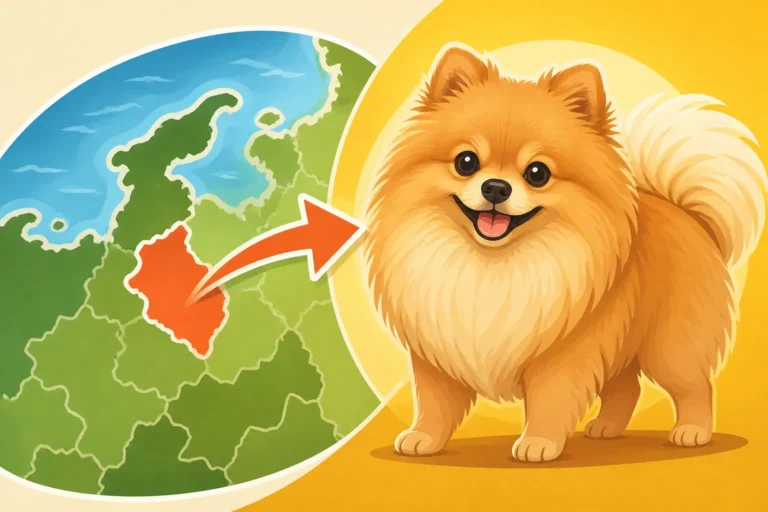
When the breed first began to gain recognition in the region of Pomerania (which is now part of Poland and Germany), these dogs were much larger than the tiny companions we know today. Historical records and illustrations show Pomeranians weighing as much as 20 to 30 pounds, possibly even more. They were solid, sturdy dogs, resembling miniature Keeshonden or American Eskimo Dogs. They were still considered working dogs, though their tasks might have been more about herding sheep or acting as watchdogs for property rather than pulling heavy loads.
These larger Pomeranians were known for their beautiful, abundant coats and their lively, intelligent dispositions. They were dogs of substance, capable of enduring long days outdoors and performing practical tasks. The idea of them being delicate or purely ornamental would have been quite foreign to their early owners. If you're curious, you can learn more about The Twenty Five Pound Pomeranian of the 1800s to truly grasp the scale of this historical difference. It's a striking contrast that really highlights just how much human preference and selective breeding can transform a breed over time.
The Transformation from Work Dog to Lapdog: Queen Victoria's Influence
The dramatic shift in the Pomeranian's size and role owes a tremendous amount to a single, influential individual: Queen Victoria. Her fascination with the breed completely reshaped its destiny, moving it from a robust working companion to a cherished lapdog and show ring star.
The Impact of Royal Patronage on Breed Size
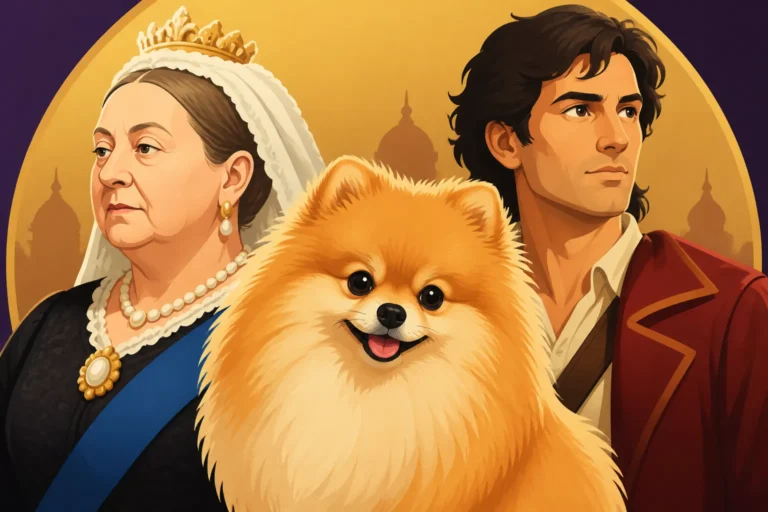
Queen Victoria encountered Pomeranians during a trip to Italy in 1888 and fell absolutely in love with them, particularly a small red sable dog named Marco. Marco weighed a mere 12 pounds, which at the time was considered quite small for the breed. The Queen was deeply taken with his charm and intelligence. Her royal endorsement had an immediate and profound effect on the breed's popularity and direction. Suddenly, what the Queen preferred became the standard of desirability. Everyone wanted a Pomeranian like Marco.
This royal fascination created a huge demand for smaller Pomeranians. Breeders, eager to cater to this new trend and the Queen's preference, began to selectively breed for smaller and smaller individuals within their litters. This wasn't a gradual shift over centuries; it was a relatively rapid transformation driven by fashion and royal influence. The dogs being bred for this new, miniature ideal were quite a departure from their larger, working ancestors, but they still retained that unmistakable Spitz look and intelligent spark. Her personal connection to Marco is a fascinating story, and you can read more about Queen Victoria, Marco and the Pomeranian to understand the full extent of her influence.
Selective Breeding for Miniature Traits
The process of miniaturization was an intensive one, focusing on shrinking every aspect of the dog. Breeders would carefully select the smallest puppies from each litter, breeding them together in hopes of producing even tinier offspring. This practice, while successful in achieving the desired reduction in size, also had significant implications for the breed's overall health and structure. Suddenly, traits that were once beneficial for a working dog – sturdy bones, robust musculature, larger lung capacity – became less prioritized in favor of extreme smallness.
This push towards tinier dogs wasn't without its challenges. The goal was to create a dainty companion, fitting for a lady's lap, rather than a dog that could endure strenuous physical activity. This meant focusing on delicate features, a profuse coat, and a captivating expression. The dramatic change in size occurred relatively quickly, essentially halving the breed's weight within a single generation of dedicated breeding. For an incredible insight into this phenomenon, you might want to explore How the Pomeranian Halved in Size in One Lifetime. It truly was a monumental shift in breeding focus.
The Divergence from Traditional Working Roles
As the Pomeranian became smaller and increasingly refined, its role in society completely transformed. It ceased to be a working dog in any traditional sense. Instead, it became a cherished companion, a status symbol, and a star of the burgeoning dog show circuit. Their intelligence, once used for guarding or herding, was now channeled into learning tricks and charming their human companions. Their dense coats, originally for protection from the elements, became a hallmark of beauty and a source of pride for owners and breeders.
This shift meant that the traits necessary for sledding or other heavy labor were simply no longer selected for. There was no practical reason for a tiny lapdog to possess the strength, endurance, or musculature of a sled dog. Their purpose had changed entirely, and with it, their physical capabilities and design. The idea that a modern Pomeranian, with its delicate bone structure and petite frame, could pull a sled is quite unrealistic given this historical divergence.
The Reality of a Pomeranian's Physical Capabilities
While their ancestors were indeed hardy working dogs, the modern Pomeranian is a far cry from a sled dog. Their physical makeup has been refined over generations to suit a life of companionship, not arduous labor. Understanding their current capabilities is key to providing them with the best care.
Size, Structure, and Energy Levels Today
Today's Pomeranian typically weighs between three and seven pounds, standing only six to seven inches tall at the shoulder. This miniature size dictates their physical capabilities. Their bones are fine, their joints are small, and their overall frame is delicate. While they are energetic and often surprisingly athletic for their size, this energy is best suited for short bursts of play, quick dashes across the living room, or spirited walks rather than sustained, heavy exertion.
Consider the physical demands of pulling a sled: immense strength, incredible endurance, robust skeletal structure, and powerful leg drive. None of these are characteristics of a modern Pomeranian. Their small stature makes them prone to injuries if subjected to excessive stress or impact, such as those associated with pulling heavy loads. Their delightful bouncing gait is adorable but not designed for miles of pulling.
Modern Pomeranians and Their Exercise Needs
Despite their lineage, a modern Pomeranian's exercise requirements are modest. They thrive on regular, short walks, playtime in a securely fenced yard, and interactive indoor games. A couple of 15-20 minute walks a day, combined with some dedicated play, is usually more than enough to keep a healthy Pom physically and mentally stimulated. They absolutely love to explore and can cover surprising distances if given the chance, but it's important to remember their limits.
Over-exercising a Pomeranian can be detrimental, especially given their susceptibility to conditions like The Honking Cough of a Pomeranian's Collapsing Windpipe or Slipping Kneecaps in a Five Pound Pomeranian. Their tiny bodies simply aren't built for prolonged, intense physical activity. Providing them with appropriate exercise means understanding their unique physiological needs, not pushing them to fulfill an ancestral role they were never designed for. Products like those found on Chewy can help you find suitable small-breed harnesses that protect their delicate throats during walks.
Why Sledding is Not Suited for Today's Poms
Putting a modern Pomeranian in a sled-pulling harness would not only be impractical but also incredibly dangerous for the dog. Their fragile windpipes are easily compromised by neck pressure, making traditional pulling harnesses a severe risk. Their small legs and delicate joints are not equipped to bear the strain of pulling any significant weight, let alone a sled. They could suffer severe orthopedic injuries, ranging from luxating patellas to spinal issues.
Furthermore, their small body mass means they struggle with thermoregulation in extreme cold or heat, which are often conditions associated with sledding. While their double coat offers some protection, it's not the same as the specialized coats of true sled dogs designed for sustained exposure to sub-zero temperatures. Their very existence is now about close companionship, warmth, and indoor living, which is a stark contrast to the grueling life of a working sled dog.
Common Misconceptions and Breed Distinctions
It's easy to get mixed up when looking at the broad Spitz family, but understanding the specific characteristics of the Pomeranian and how they differ from other breeds can help clarify their place in the canine world.
Pomeranian vs. Other Spitz Breeds
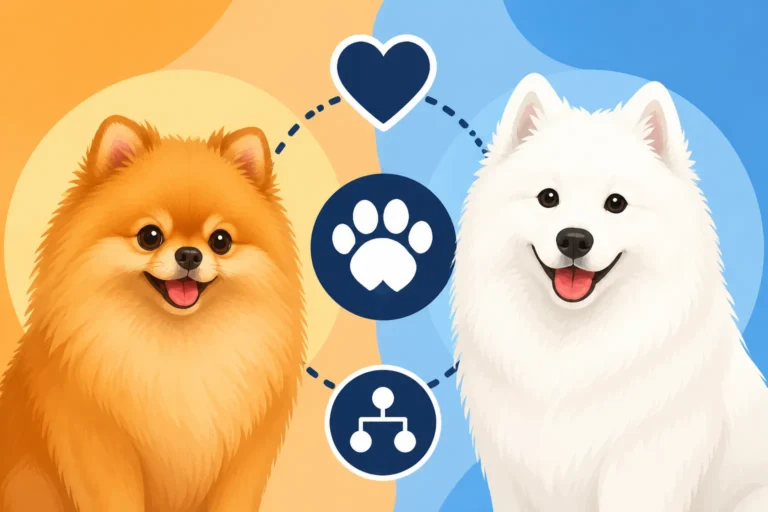
The Spitz family is incredibly diverse, encompassing breeds like the Siberian Husky, Alaskan Malamute, Samoyed, and Keeshond, all of whom have strong historical ties to sledding or other demanding working roles. While the Pomeranian shares the characteristic Spitz traits – a foxy face, erect ears, and a plumed tail carried over the back – their size and temperament set them apart. The sheer difference in scale is the most obvious differentiator. A Siberian Husky can weigh 35-60 pounds, a Malamute even more, while a Pomeranian is a mere fraction of that.
These larger Spitz breeds possess the muscular build, lung capacity, and paw structure necessary for pulling sleds across vast distances. Their dense undercoats and coarse guard hairs are designed for extreme cold. The Pomeranian's coat, while beautiful and double-layered, is more for keeping a small body warm indoors and looking magnificent in the show ring, rather than warding off blizzards on a northern trail. Thinking about Whether the Pomeranian Was Ever a Sled Dog becomes much clearer when you see it in the context of its larger cousins.
| Feature | Pomeranian | Sled Dog (e.g., Husky, Malamute) |
|---|---|---|
| Typical Weight | 3-7 lbs | 35-100+ lbs |
| Height (at wither) | 6-7 inches | 20-28 inches |
| Bone Structure | Fine, delicate | Heavy, robust |
| Musculature | Lean, agile | Powerful, built for endurance |
| Coat Purpose | Warmth, aesthetics, indoor comfort | Extreme cold protection, weather resistance |
| Primary Role | Companion, show dog | Draft work, endurance, guarding |
| Exercise Needs | Short bursts, moderate walks | Sustained, vigorous activity, long runs |
The "Wolf Sable" Coat and its Historical Echoes
Sometimes, a Pomeranian with a "wolf sable" coat might further fuel the idea of a wild, ancient heritage. Wolf sable Poms have a striking appearance, often featuring gray and black guard hairs with a lighter undercoat, sometimes with a darker mask, giving them a distinctly wilder, "wolf-like" look compared to the more common orange or red Poms. This coloring is indeed an echo of their ancestral wild canid roots and the coats of some of the larger, older Spitz types.
However, a coat color, no matter how wild it appears, doesn't revert a dog's physical structure or capabilities back to those of its distant ancestors. A wolf sable Pomeranian is still a Pomeranian, with the same delicate frame, small size, and companionable nature. While the coat can be a beautiful nod to their past, it doesn't mean they possess the strength or instinct for activities like sledding. It's a reminder of where they came from, but not what they are now.
Understanding a Pomeranian's Temperament and Drive
Pomeranians possess many wonderful qualities, including intelligence, liveliness, and a surprising amount of boldness. They are often described as having a "big dog personality" in a small package. They are alert, curious, and can be quite independent, reflecting their Spitz heritage. They are eager to please their owners and can be highly trainable, excelling in obedience and tricks. However, their drive is focused on companionship, communication (often through barking!), and intellectual stimulation rather than physical endurance.
Their courage often manifests as a willingness to stand up to much larger dogs (a trait that needs careful management for their own safety!), or to act as a formidable watchdog, barking at every perceived intruder. This alertness and willingness to defend their territory might be reminiscent of their farm-guarding ancestors, but it's a far cry from the focused, steady drive required for pulling a sled. Their intelligence makes them wonderful companions, capable of understanding complex routines and even learning a myriad of tricks, proving their mental prowess.
The Enduring Spitz Traits in Our Little Poms
Even though Pomeranians have undergone a significant transformation from their larger ancestors, many core Spitz traits still shine through in their personalities and physical characteristics. These are the delightful quirks and features that make a Pom, well, a Pom!
The Independent Spirit and Intelligence
If you've ever owned a Pomeranian, you'll know they have a mind of their own! This isn't stubbornness, but rather a reflection of their intelligent, independent Spitz heritage. While they love their people deeply, they aren't always looking to slavishly please. They can be quite capable of entertaining themselves and making their own decisions, which can sometimes lead to charmingly mischievous behavior. This independence stems from ancestors who often had to make decisions on their own while guarding livestock or property, far from their human handlers.
This intelligence also means they are quick learners, though sometimes they choose not to listen if they think their idea is better! Training a Pomeranian requires consistency, positive reinforcement, and a good understanding of their spirited nature. They excel in activities like agility, trick training, and even rally obedience, showcasing their mental agility. If you're looking for more insights into their unique mindset, you might find Whether Spitz Independence Makes a Pomeranian Difficult to be an illuminating read. This isn't a breed that fades into the background; they are active participants in their household.
The Alert Bark and Guard Dog Instincts
One of the most defining characteristics of a Pomeranian is their incredibly alert nature and their propensity for barking. This isn't just random noise; it's a deeply ingrained instinct from their past as watchdogs. Their ancestors were relied upon to alert their human families to any approaching stranger, perceived threat, or unusual activity on the farm. A small dog, with a big bark, was an excellent alarm system.
Today, your Pomeranian's enthusiastic barking at the mail carrier, a squirrel in the yard, or a leaf blowing past the window is a direct link to that ancestral role. They take their job as family protectors very seriously! While it can sometimes be a challenge to manage, it's important to remember that they're simply doing what their genes tell them to do. This strong guarding instinct, while not related to sledding, is a clear reminder of their working dog roots.
Grooming Needs Reflecting a Working Coat
Take one look at a Pomeranian, and you're struck by that magnificent, abundant double coat. This isn't just for show; it's a direct inheritance from their cold-weather, working ancestors. The dense undercoat provides insulation, trapping warm air close to the body, while the longer, coarser guard hairs protect against moisture and dirt. This type of coat was essential for survival in the harsh environments where their forebears lived.
Because of this incredible coat, Pomeranians require significant grooming to keep it healthy and free of mats. Regular brushing, several times a week, is crucial to prevent tangles and remove loose undercoat. Without proper care, their coat can quickly become a matted mess, leading to skin issues and discomfort. While a true sled dog might have had a more utilitarian, low-maintenance version of this coat, the principle of a dense, protective layer remains the same. If you want to understand the intricate structure, check out The Double Coat That Makes a Pomeranian and Why It Stays On, or delve into The Grooming Schedule a Pomeranian Runs On for practical advice. You'll find a wide array of grooming tools and shampoos at stores like Chewy that cater specifically to double-coated breeds.
Protecting Your Pomeranian: Embracing Their True Nature
Understanding a Pomeranian's history and current capabilities allows us to care for them in a way that honors their heritage while prioritizing their well-being. It's about celebrating the dog they are now, not wishing they were something else.
Appropriate Exercise and Activity for Modern Poms
The key to a happy and healthy Pomeranian is providing them with appropriate levels of exercise. This means regular, moderate activity that engages both their bodies and minds without overtaxing their delicate structures. Short, brisk walks around the neighborhood, playtime with soft toys indoors, or even short training sessions are perfect. They often love puzzle toys and games that challenge their intelligence. Remember, their enthusiasm might exceed their physical limits, so it's up to us to manage their activity levels.
Instead of imagining them pulling a sled, envision them as enthusiastic hiking companions for short, easy trails, or as dedicated participants in indoor games of fetch. They thrive on interaction and mental stimulation, which can be just as tiring as physical exercise for a smart little dog. Ensuring they have safe ways to get on and off furniture, such as ramps or steps, is also crucial to protect their joints, a far cry from the demands of the open trail. You can find excellent small-breed ramps on Chewy to help keep their joints safe.
Nutritional Support for Their Specific Needs
A Pomeranian's diet is another area where understanding their small size is paramount. They have very fast metabolisms for their size and can sometimes be prone to Blood Sugar Crashes in a Pomeranian Puppy, requiring careful feeding schedules. As adults, they don't need a huge volume of food, but what they do eat needs to be nutrient-dense and appropriate for small breeds. Overfeeding, even by a small amount, can quickly lead to obesity, which puts undue strain on their joints and respiratory system, especially given their predisposition to tracheal issues.
Choosing a high-quality kibble formulated for small breeds, or even exploring fresh food options that are carefully balanced, is essential. Monitoring their weight closely and adjusting their portions as needed is part of responsible Pomeranian ownership. If you're unsure how much to feed your tiny companion, a good starting point is How Little Food an Adult Pomeranian Needs. Your veterinarian can provide specific guidance tailored to your individual Pom's needs, ensuring they stay at a healthy weight.
Valuing Their Companion Role Over Historical Fantasies
Ultimately, the most important thing we can do for our Pomeranians is to cherish them for the wonderful companions they are today. They may have a fascinating history rooted in larger, working Spitz dogs, but their evolution has led them to excel in the role of a devoted, lively, and incredibly charming family member. They bring immense joy, laughter, and sometimes a lot of barking into our lives.
Instead of dwelling on whether they could have pulled a sled, let's appreciate the immense heart, intelligence, and personality packed into their small frames. They are loyal, affectionate, and full of character, and those qualities are what make them truly special. Embracing their role as companions means providing them with love, appropriate care, safe environments, and plenty of mental and physical engagement tailored to their modern needs.
Disclaimer
This article is for general informational purposes only and does not constitute professional advice. Laws, prices and regulations vary by location and change over time. Consult a qualified professional for guidance on your specific situation.