How Little Water a Pomeranian Actually Drinks
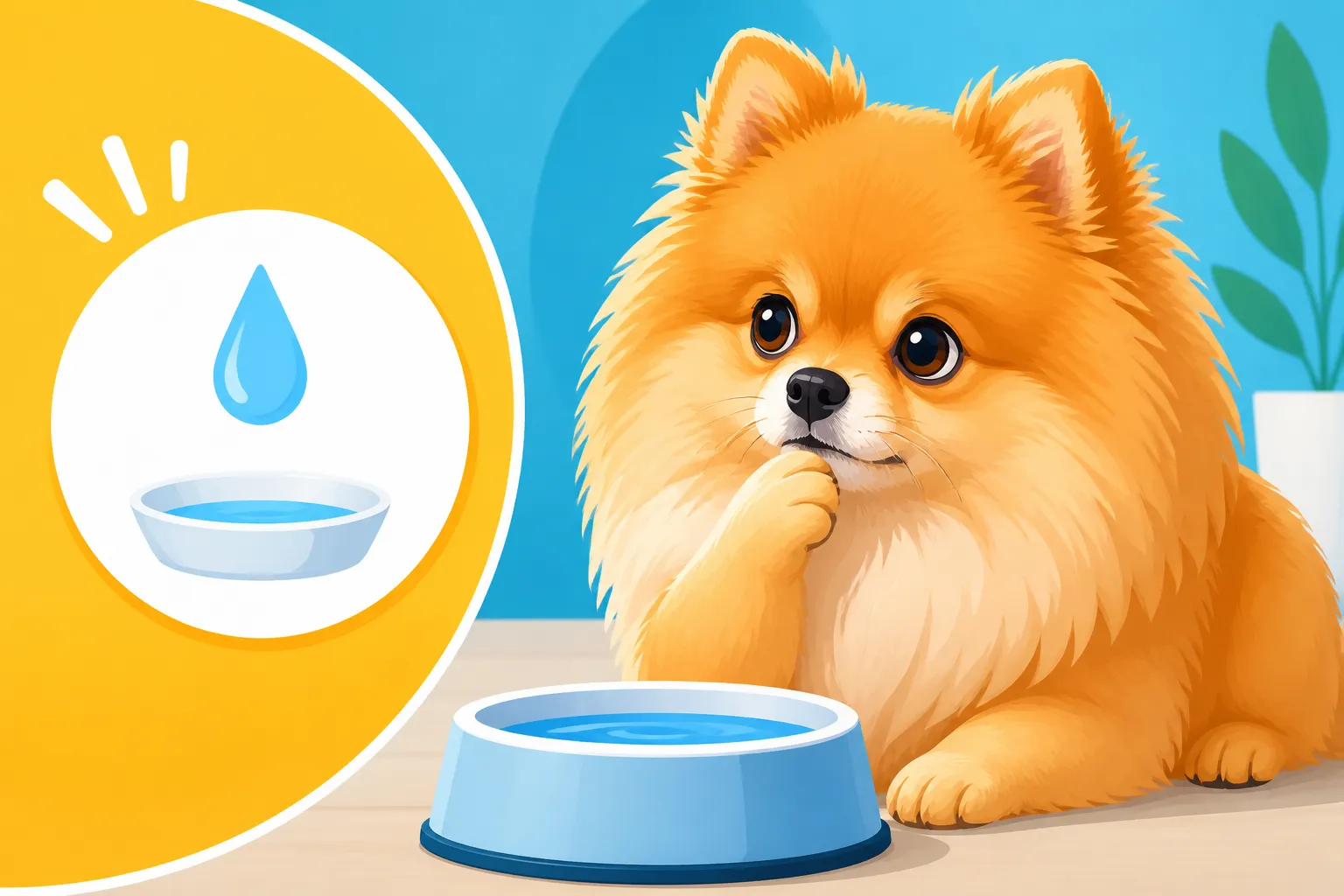
It's a common worry for Pomeranian parents: you look at that tiny water bowl, and it feels like barely a drop has been taken all day. Compared to a bigger dog, your little Pom seems to sip rather than gulp, leading to nagging concerns about whether they're truly getting enough to stay healthy. This guide is here to shed light on how much water a Pomeranian typically needs, what factors change that, and how you can gently encourage healthy hydration for your fluffy companion.
Understanding Pomeranian Hydration Needs
It's easy to project our own hydration needs onto our pets, or to compare our tiny Pomeranian to the Labrador next door who empties its bowl in seconds. But pint-sized dogs have very different requirements and ways of showing their hydration status. Don't let their small sips fool you; it's all about understanding what's normal for them.
Why Small Dogs Seem to Drink Less
The most obvious reason a Pomeranian appears to drink less water than a larger dog is simply their body mass. A tiny four-pound Pom has a significantly smaller internal system to hydrate than a forty-pound Spaniel, let alone a hundred-pound Great Dane. Their metabolic rate, while often higher per pound, means their organs require less overall fluid volume to function efficiently. It's a matter of scale. They also have smaller bladders, so while they may need to go outside more frequently, the volume of urine produced each time is much smaller. This isn't a sign of inadequate drinking; it's simply a reflection of their miniature physiology.
Many owners mistakenly believe that because their Pom isn't emptying a large bowl throughout the day, they must be dehydrated. This isn't necessarily true. What looks like a small amount of water consumption to us might be perfectly adequate for a dog of their size. It’s important to recalibrate our expectations and observe overall health and specific signs of dehydration rather than just the volume of water disappearing from the bowl. A dog whose primary diet is fresh, high-moisture food will naturally drink less from a bowl than a dog on an all-dry kibble diet, for instance.
Factors Influencing a Pomeranian's Water Intake
Several key factors play a role in how much water your Pomeranian will naturally consume, and being aware of these can help you better assess their needs. It’s not a one-size-fits-all situation, even for dogs within the same breed.
First and foremost is their diet. If your Pomeranian primarily eats dry kibble, they will undoubtedly need to drink more water to help process that food and stay hydrated. Kibble contains very little moisture, typically less than 10%. On the other hand, if your Pom enjoys a diet of wet food, home-cooked meals, or fresh food, a significant portion of their daily water intake will come directly from their meals. This is why a Pomeranian on a fresh food diet might seem to drink hardly anything from their bowl, and that can be completely normal. Considering How Little Food an Adult Pomeranian Needs can also tie into how much moisture they are getting from their overall diet.
Activity level is another big one. A spry, active Pomeranian who loves to play fetch in the yard or take long walks (within reason, especially if they have conditions like The Honking Cough of a Pomeranian's Collapsing Windpipe) will naturally need more water than a couch-potato Pom who spends most of its day napping. Exercise increases body temperature and respiratory rate, leading to greater fluid loss. Similarly, the weather plays a huge part. On a hot, humid summer day, your Pom will need significantly more water to regulate their body temperature and prevent overheating than on a cool, crisp autumn morning. It's especially crucial during a Getting a Pomeranian Through a Heat Wave to ensure constant access to fresh water.
Finally, age and overall health status can drastically impact water intake. Puppies, with their higher metabolisms and rapid growth, often need more frequent small drinks. Senior Pomeranians, especially those with conditions like Kidney Disease in an Aging Pomeranian, may have altered thirst mechanisms or need increased hydration to support kidney function. Certain medications can also increase thirst. Always consult your vet if you notice a sudden, drastic change in your Pom's drinking habits, either too little or too much, as it could signal an underlying health issue.
Recognizing Signs of Dehydration in a Pomeranian
It's natural to worry when you see your tiny Pom barely touching their water. Instead of focusing solely on the volume they consume from the bowl, it's far more effective to learn the actual physical signs of dehydration. These clues will tell you much more about your dog's internal hydration status.
Subtle Clues That Your Pomeranian Needs More Water
Dehydration can creep up slowly, and with a small dog like a Pomeranian, the signs can be quite subtle initially. One of the most reliable indicators is checking their gums. Healthy gums should be moist and slick to the touch. If your Pomeranian's gums feel dry, tacky, or sticky, it's a good sign they need more fluids. Gently press on their gums with your finger; the pink color should return almost immediately. If it takes longer than two seconds, they might be dehydrated.
Another clue is a general decrease in energy or unusual lethargy. While Pomeranians love their naps, an uncharacteristic lack of enthusiasm for play, walks, or even mealtime could point to dehydration. They might seem more subdued than usual, or simply less responsive. A classic test for dehydration is checking skin elasticity: gently pull up the skin on the back of your Pom's neck or between their shoulder blades. In a well-hydrated dog, the skin should snap back into place almost instantly. If it retracts slowly and stays "tented" for a moment, your Pom is likely dehydrated. Finally, watch for sunken eyes. While more common in severe cases, the eyes might appear less bright or a bit recessed if your Pom is significantly lacking fluids. This is definitely a red flag.
Serious Dehydration and When to Seek Veterinary Help
While subtle signs are important to catch early, there are situations where dehydration becomes a serious medical emergency, particularly for a small dog like a Pomeranian. If your Pom exhibits extreme lethargy, struggles to stand, or collapses, this is an immediate emergency. Their tiny bodies can rapidly decline without adequate fluid balance.
Vomiting and diarrhea are particularly dangerous because they accelerate fluid loss, making dehydration worse very quickly. If your Pomeranian is experiencing persistent vomiting or diarrhea, especially combined with any of the subtle signs mentioned above, they need veterinary attention promptly. These symptoms, coupled with reduced water intake, create a vicious cycle that can quickly become life-threatening. Another strong indicator of serious dehydration is urine that is dark yellow or amber and highly concentrated. This means their body is desperately holding onto fluid.
If you suspect serious dehydration, don't delay. Administering small amounts of water or electrolyte solution by mouth might help if your dog is conscious and able to swallow, but a vet visit is paramount. Your veterinarian can assess the severity, often by checking blood work and administering subcutaneous fluids or intravenous fluids if necessary. It’s always better to err on the side of caution with small breeds; their small size means their condition can deteriorate far more rapidly than a larger dog. Even regular check-ups, like those covered in What a Pomeranian's Annual Checkup Costs, can help identify underlying health issues that might affect hydration.
Strategies to Encourage Your Pomeranian to Drink More
It can be frustrating when your Pomeranian isn't drinking enough, but there are many gentle and effective ways to encourage better hydration without forcing them. Think about making water more enticing and accessible in their environment.
Making Water Appealing and Accessible
Sometimes, the simplest solutions are the best. Start by placing multiple water bowls in different locations around your home. Your Pomeranian might prefer one spot over another, or simply find it more convenient if water is always within easy reach, whether they're in the living room, bedroom, or kitchen. Experiment with different types of bowls, too. Some dogs prefer ceramic over stainless steel, or vice-versa. Some might even enjoy drinking from a human-style glass in a low-traffic area.
Adding a little something extra can also work wonders. Try dropping a few ice cubes into their water bowl, especially on warmer days. Many Poms find this novelty exciting, and the cool water can be more refreshing. You could also add a very small splash of unsalted chicken or beef broth to their water to make it more flavorful. Just be sure it's low-sodium and specifically formulated for pets, or made from scratch without seasonings.
Consider a pet water fountain, which can be a game-changer for many picky drinkers. The sound of running water and the fresh, circulating supply can be highly appealing to dogs. There are many options available, from simple models to more elaborate ones, and you can find a wide selection of them on platforms like Amazon. The movement and aeration can make the water more attractive than a stagnant bowl. For example, some fountains filter the water, which can improve its taste and purity, making it more desirable for your Pom.
Dietary Adjustments for Better Hydration
What your Pomeranian eats directly impacts how much supplemental water they need. If you're currently feeding a dry kibble diet, one of the easiest ways to boost their overall fluid intake is by incorporating more moisture-rich foods.
Switching to a high-quality wet food, adding some home-cooked meals, or even exploring fresh food delivery services can make a huge difference. Brands like Ollie offer fresh, human-grade meals that are naturally high in moisture, often upwards of 70%. This means your Pom is getting a significant amount of hydration with every bite. If a complete diet change isn't feasible, simply mixing a spoonful of wet food into their dry kibble can increase palatability and provide extra moisture. Feeding a Dog That Weighs What a Pomeranian Weighs often means even small dietary changes can have a big impact.
Another effective strategy for kibble eaters is simply soaking their dry food in water or a low-sodium broth for 10-15 minutes before serving. This not only makes the meal softer and potentially easier to digest for a small mouth, but it also ensures they consume a good amount of liquid with their meal. You can find a variety of high-quality small-breed kibbles suitable for soaking through retailers like Chewy. This method is particularly helpful if your Pomeranian isn't keen on drinking from a bowl directly but will happily lap up soupy food. Just remember to discard any uneaten soaked kibble within a short time frame to prevent bacterial growth.
Monitoring Water Intake and Daily Habits
Keeping a close eye on your Pomeranian's drinking habits doesn't have to be obsessive, but a little observation goes a long way. One simple trick is to measure the amount of water you put in their bowl at the start of the day. Then, before refilling, measure what's left. This gives you a general idea of their daily consumption. Of course, this needs to be adjusted if you have multiple pets or if water is spilled, but it provides a baseline.
Beyond the bowl, observe your Pom's urination frequency and the color of their urine. A well-hydrated dog should be urinating several times a day, and their urine should be a pale yellow. Darker, more concentrated urine is a clear sign they need more fluids. If your Pomeranian is having accidents inside but you've ruled out house training issues (perhaps by revisiting tips in How Many Weeks House Training a Pomeranian Takes), it could be a sign they're drinking less to avoid going outside, which is detrimental to their health.
Establishing a routine can also help. Offer fresh water at specific times, especially after walks, playtime, or waking up from a long nap. Some owners find that offering water in a quiet, calm environment encourages their shy Poms to drink more freely. Always ensure the water is fresh and clean; old, stale water can deter even the thirstiest dog. Regularly cleaning water bowls is crucial, as biofilm can build up and make the water unappealing, not to mention unhygienic.
Potential Health Concerns Related to Hydration
Under-hydration in a Pomeranian isn't just about feeling a bit sluggish; it can have significant long-term health implications for their tiny bodies. Understanding these risks can motivate us to be proactive about their water intake.
Impact on Kidney and Urinary Tract Health
One of the most direct and serious consequences of chronic under-hydration in Pomeranians is the strain it places on their kidneys and urinary tract. When a dog doesn't drink enough water, their urine becomes much more concentrated. This concentrated urine means that waste products and minerals are less diluted, increasing the risk of forming crystals and, eventually, painful bladder stones. These stones can cause severe discomfort, blockages, and require costly surgical intervention.
Concentrated urine also provides a more hospitable environment for bacteria to multiply, making your Pomeranian more susceptible to urinary tract infections (UTIs). UTIs are uncomfortable and, if left untreated, can ascend to the kidneys, leading to more serious infections and even permanent kidney damage. Ensuring your Pom has a constant supply of fresh water and drinks adequately is a primary preventative measure against these frustrating and painful conditions. This is especially true as a Pomeranian ages and their kidneys naturally start to work a little less efficiently.
How Dehydration Affects Overall Pomeranian Well-being
Beyond the urinary system, adequate hydration is fundamental to nearly every bodily function in your Pomeranian. Water is crucial for circulation, transporting nutrients to cells, and removing waste products. Without enough fluid, blood volume decreases, putting extra stress on their tiny hearts, an organ that can already be prone to issues like The Heart Defect Found in Pomeranian Puppies. Dehydration can exacerbate existing conditions and lead to a general decline in vitality.
Furthermore, hydration plays a critical role in organ function, including the digestive system. A dehydrated Pom might experience constipation or have trouble digesting their food properly. Joints, too, rely on sufficient fluid for lubrication and cushioning, so chronic dehydration can contribute to discomfort, especially for a breed already susceptible to Slipping Kneecaps in a Five Pound Pomeranian. Even their beautiful, fluffy coat and delicate skin can suffer, appearing dry and dull if they aren't getting enough water. Basically, every cell, tissue, and organ in your Pomeranian's body needs water to perform its job optimally, making good hydration a cornerstone of their overall health and longevity. It’s also vital for keeping things running smoothly, from their energy levels to preventing conditions like Recognizing a Hypoglycemic Pomeranian by supporting overall bodily function.
Disclaimer
This article is for general informational purposes only and does not constitute professional advice. Laws, prices and regulations vary by location and change over time. Consult a qualified professional for guidance on your specific situation.