Soft Stools in a Pomeranian After a Food Change
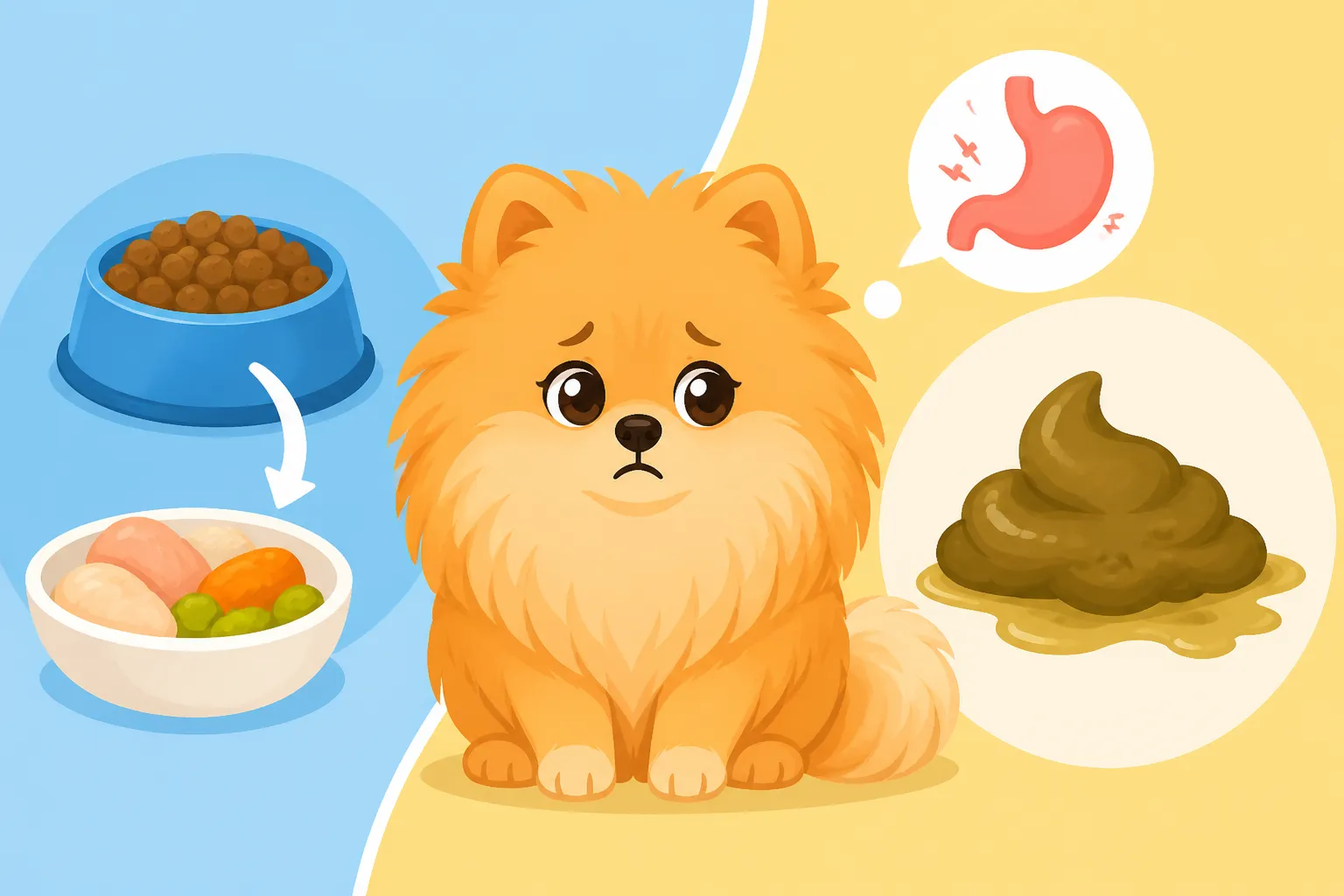
There's nothing quite as alarming for a Pomeranian owner as seeing their tiny companion suddenly experiencing soft, squishy, or even liquid stools after a seemingly innocent switch in their diet. It's a common, frustrating scenario that leaves you wondering if you've made the wrong choice, stressing over your beloved Pom's comfort and health. This comprehensive guide will walk you through why these digestive upsets happen, how to prevent them, and what to do if your Pomeranian develops soft stools after a food change.
Understanding the Pomeranian's Delicate Digestive System
Our little Poms might be bursting with personality, but their small stature often comes with a digestive system that can be surprisingly sensitive. Unlike larger breeds that might shrug off a new ingredient, a Pomeranian's gut can react quite strongly to even minor dietary shifts, leading to anything from mild tummy rumbling to full-blown diarrhea. It's not just about the size of their digestive tract; it's about the intricate balance within.
The Gut Microbiome Reset
Think of your Pomeranian's gut as a bustling city, teeming with billions of microscopic residents – bacteria, fungi, and other microbes – all living in a delicate balance. This community, known as the gut microbiome, plays a crucial role in digestion, nutrient absorption, and even immune function. When you introduce a new food, especially one with different proteins, fats, fibers, or carbohydrate sources, it's like suddenly introducing a whole new population to this city. The existing residents might not be prepared, or the new ingredients might favor the growth of different types of microbes, leading to an imbalance.
This sudden shift can manifest as inflammation, increased gas production, and stools that lose their firm consistency. Your Pom's body is essentially trying to adjust to a novel landscape, and that adjustment period can be bumpy. For a breed as small as a Pomeranian, this 'reset' can be particularly noticeable because their systems have less buffer to absorb the changes compared to a much larger dog. It's why what seems like a small change to us can feel like a seismic event to their tiny insides.
Common Culprits in New Food Formulations
Not all dog foods are created equal, and some ingredients, while perfectly fine for many dogs, can be particularly problematic for a sensitive Pomeranian. High-fat diets, for example, can overwhelm a Pom's pancreas and liver, leading to greasy, soft stools. Certain proteins, like novel meats they've never encountered before (think venison if they've only had chicken), might be difficult for their system to process initially. Even a change in fiber content, whether too much or too little, can disrupt regularity.
Artificial additives, colors, or preservatives, sometimes found in lower-quality foods, can also trigger sensitivities. Furthermore, common allergens like chicken, beef, dairy, or wheat, even if not truly allergic, can sometimes cause digestive upset simply due to the sudden exposure or concentration in a new formula. You might think you're upgrading to a 'better' food, but if it contains a high percentage of an ingredient your Pomeranian isn't used to, or has a different nutritional profile, soft stools can be the unfortunate consequence. Many owners carefully consider Foods That Give a Pomeranian a Bad Stomach to avoid these issues.
The Speed of Change: A Major Factor
One of the biggest reasons for digestive upset after a food change is simply making the switch too quickly. Imagine going from eating bland, familiar meals every day to suddenly feasting on rich, exotic dishes overnight; your stomach would probably stage a protest! The same applies to our Pomeranians. Their digestive enzymes and gut bacteria need time to adapt to new ingredients and different nutrient ratios.
When a new food is introduced abruptly, the digestive system doesn't have a chance to catch up. This can lead to food passing through the system too quickly, without proper digestion and water absorption, resulting in loose stools. It's a classic case of too much, too soon. Even if the new food is ultimately a fantastic choice for your Pom, a rapid transition can sabotage its introduction and leave you dealing with a messy situation. This is why understanding How Little Food an Adult Pomeranian Needs is crucial, as even small portions of new food must be introduced gradually.
The Art of the Slow Switch: Proper Food Transition
Preventing soft stools after a food change largely comes down to patience and a methodical approach. It's not just about what you feed your Pomeranian, but how you introduce it. A slow transition allows your dog's digestive system to gradually adjust, giving their gut microbiome time to adapt to the new ingredients without becoming overwhelmed. This thoughtful process can save you a lot of worry and cleanup.
The Gradual Approach: A Week or More
The golden rule for changing your Pomeranian's food is to do it slowly. Most veterinarians and experienced breeders recommend a transition period of at least 7 to 10 days, but for sensitive Poms, extending this to two weeks or even longer can be beneficial. The basic method involves gradually increasing the proportion of new food while decreasing the old food.
Here's a common breakdown for a 7-day transition:
| Day | Old Food Ratio (%) | New Food Ratio (%) | Observations |
|---|---|---|---|
| 1-2 | 75% | 25% | Monitor for any changes in stool consistency or appetite. |
| 3-4 | 50% | 50% | Stools should remain firm; slight softness might indicate a need to slow down. |
| 5-6 | 25% | 75% | Continue observing for any digestive upset. |
| 7+ | 0% | 100% | If all looks good, fully transition. If not, extend the current ratio. |
If at any point you notice soft stools, diarrhea, vomiting, or a decrease in appetite, slow down the transition. Go back to the previous ratio for a few more days, or even longer, until your Pomeranian's system settles. Sometimes, with a particularly sensitive Pom, you might need to stay at a 25% new food ratio for several days before moving to 50%. It's about listening to your dog's body, not sticking rigidly to a schedule. When Feeding a Dog That Weighs What a Pomeranian Weighs, even small adjustments in quantity are important.
Monitoring for Early Signs
During any food transition, you become a detective, constantly checking for clues about your Pomeranian's digestive health. Stool consistency is your primary indicator, of course. You want to see firm, well-formed stools throughout the entire process. Any softening, even just a little, is a sign to hit the brakes. However, don't just look at the poop; observe your Pom's overall demeanor.
Are they still eating with enthusiasm, or are they showing reluctance towards the new mix? Are they more gassy than usual, or perhaps experiencing stomach gurgling? Changes in energy levels, increased lethargy, or any signs of discomfort like restlessness or straining to defecate are all red flags. Keep a little diary if it helps, noting the ratios and any observations. This diligent monitoring helps you adjust the speed of transition before problems escalate.
When to Slow Down or Stop
Knowing when to adjust your transition pace is key. If you introduce a small amount of new food and your Pomeranian immediately has soft stools, that's a clear signal to revert to the old food entirely for a day or two until their system is back to normal. Then, you can try again with an even smaller amount of the new food – perhaps just a teaspoon mixed in – and maintain that tiny percentage for a longer duration.
There might also be instances where, despite your best efforts and a very slow transition, your Pomeranian simply doesn't tolerate the new food. Perhaps a specific ingredient in the new formula doesn't agree with them. If, after several weeks of careful transition, your Pom consistently shows signs of digestive upset, it might be time to reconsider the new food altogether and look for an alternative. Sometimes, a food just isn't the right fit, and that's okay. Your Pomeranian's comfort and health come first. You might find a wider range of specialty foods on platforms like Chewy that cater to sensitive stomachs.
What to Do When Soft Stools Strike
Even with the most careful transition, sometimes soft stools just happen. It can be incredibly worrying to see your little Pomeranian looking uncomfortable or having accidents. The good news is that for most mild cases of food-change-related soft stools, you can often manage it at home with some simple interventions. However, knowing when to escalate to professional veterinary care is critical, especially with such small dogs who can dehydrate quickly.
Temporary Dietary Adjustments
When your Pomeranian develops soft stools, the immediate goal is to soothe their digestive system and help firm things up. The tried-and-true method is a bland diet. This typically consists of:
- Boiled, plain chicken breast (no skin, no bones, no seasoning): Shredded into small, manageable pieces.
- Plain white rice: Cooked until soft.
The ratio is usually about two parts rice to one part chicken. Offer small, frequent meals throughout the day instead of one or two large ones. This gives their system less to process at once. You can also add a tablespoon of plain, canned pumpkin puree (NOT pie filling, which contains sugar and spices) to their bland meal. Pumpkin is an excellent source of soluble fiber, which can help regulate bowel movements and firm up stools. Many owners find readily available options for these ingredients on Amazon.
Keep your Pomeranian on this bland diet for a few days, or until their stools return to normal and have been consistently firm for at least 24-48 hours. Once their stools are solid again, you can slowly begin reintroducing their regular food (or the old food, if you've decided to abandon the new one) over several days, following the gradual transition method once more. For very sensitive Poms, consider adding a probiotic supplement designed for dogs, which can help repopulate their gut with beneficial bacteria. Whether a Probiotic Settles a Pomeranian's Stomach is a question many owners explore.
Recognizing Warning Signs
While mild soft stools can often be managed at home, there are definite warning signs that indicate a more serious problem and warrant immediate veterinary attention. With a small breed like a Pomeranian, dehydration can occur rapidly, turning a minor issue into a critical one very quickly.
Seek immediate veterinary care if you observe any of the following:
- Vomiting: Especially if it's frequent or severe, as this significantly increases the risk of dehydration.
- Lethargy or Weakness: If your Pom is unusually tired, unresponsive, or can't seem to get comfortable.
- Loss of Appetite: If they refuse to eat even bland food for more than 24 hours. Getting a Pomeranian to Eat When It Refuses can be a major concern, especially if accompanied by soft stools.
- Blood in Stool: Fresh red blood (hematochezia) or dark, tarry stools (melena) are serious indicators.
- Severe Diarrhea: Watery diarrhea that is profuse and uncontrollable.
- Pain or Discomfort: Whining, guarding their abdomen, or showing signs of distress.
- Pale Gums: A sign of dehydration or shock.
- Puppies: Very young Pomeranian puppies are particularly vulnerable to dehydration and hypoglycemia (low blood sugar) with diarrhea. Recognizing a Hypoglycemic Pomeranian is vital.
Don't wait to see if these symptoms improve on their own. A small Pomeranian doesn't have much reserve, and their condition can deteriorate quickly. It's always better to err on the side of caution and get them checked out by a professional. This is part of The Checkup Schedule a Pomeranian Should Keep.
When to Contact Your Vet
Beyond the immediate emergency signs, there are other situations where a call to your veterinarian is warranted even if your Pom isn't critically ill. If the soft stools persist for more than 48-72 hours despite your bland diet efforts, it's time to get professional advice. It could indicate that the food change triggered an underlying issue, or that your Pomeranian has a sensitivity that requires a specialized diet.
Your vet can perform a physical examination, potentially run stool samples to rule out parasites or bacterial infections, and discuss options for managing chronic digestive sensitivity. They might recommend specific prescription diets designed for sensitive stomachs, different probiotic strains, or even discuss allergy testing if food sensitivities are suspected to be more than just a transition issue.
Also, if your Pomeranian has other health conditions, even mild soft stools warrant a vet consultation more quickly. For example, if your Pom is prone to Slipping Kneecaps in a Five Pound Pomeranian or has a history of The Heart Defect Found in Pomeranian Puppies, any stress on their system from digestive upset needs to be managed carefully.
Proactive Measures for Digestive Health
While knowing how to react to soft stools is important, being proactive in maintaining your Pomeranian's digestive health is even better. A healthy gut is a resilient gut, better equipped to handle minor changes and less prone to severe reactions. Establishing good habits and making informed dietary choices can set your Pom up for long-term comfort.
Choosing the Right Food for Your Pomeranian
The foundation of good digestive health starts with selecting a high-quality food. Look for foods specifically formulated for small breeds, as these often have appropriately sized kibble and a nutrient balance suited to their unique metabolic needs. Pay attention to the ingredient list:
- High-Quality Protein Source: The first ingredient should be a named meat protein (e.g., "chicken meal" or "deboned salmon"), not a generic "meat meal" or a grain.
- Digestible Carbohydrates: Rice, oats, and sweet potatoes are often easier to digest than corn or wheat for many dogs.
- Healthy Fats: Essential for skin and coat, but not overly high to avoid overwhelming their system.
- Limited Additives: Avoid foods with artificial colors, flavors, or excessive preservatives.
- Fewer Ingredients: Sometimes, simpler formulas are better for sensitive stomachs.
Consider brands that offer sensitive stomach formulas or limited ingredient diets if your Pomeranian is particularly prone to digestive upset. Fresh food options, like those from Ollie, can also be a good fit for some Poms, but remember that these still need a very slow transition, as their ingredients are different from traditional kibble. It's important to consider Whether a Pomeranian Needs Small Breed Formula as these are often designed with their unique needs in mind.
Probiotics and Supplements
Even with a great diet, some Pomeranians can benefit from additional support for their gut health. Probiotics are beneficial bacteria that can help maintain a healthy balance in the gut microbiome. They can be particularly useful during times of stress, antibiotic use, or, of course, during and after a food change. There are many excellent canine-specific probiotic supplements available, often as powders you sprinkle on food or as chewable treats. You can often find a wide selection of these supplements on Chewy.
Omega-3 fatty acids, often found in fish oil supplements, can also help reduce inflammation throughout the body, including the digestive tract, contributing to overall gut health. Always consult with your veterinarian before adding any new supplements to your Pomeranian's diet, as they can advise on appropriate dosages and ensure there are no contraindications with any existing health conditions or medications. Don't forget to understand The Doses That Are Toxic to a Pomeranian for any supplement or human food.
Consistent Feeding Routines
Pomeranians thrive on routine, and this extends to their mealtimes. Feeding your Pom at the same times each day helps regulate their digestive system, making it more predictable and less prone to upset. Avoid free-feeding, where food is left out all day, as this makes it difficult to monitor how much they're eating and the consistency of their stools. Instead, offer measured meals two or three times a day. For puppies, it might be four times a day, as discussed in Feeding a Pomeranian Puppy Often Enough to Stay Safe.
Sudden changes in meal timing or portion sizes can also trigger digestive upset. If you need to adjust their schedule, do it gradually, just like you would with food. Consistency is also key with treats. While it's lovely to spoil our Poms, too many treats, or treats that are drastically different from their regular diet, can also cause soft stools. Stick to high-quality, easily digestible treats in moderation. Monitoring these habits is part of keeping The Three to Seven Pounds a Pomeranian Should Hold in check, preventing both digestive issues and weight gain.
Remember, patience and attentiveness are your best tools when it comes to your Pomeranian's digestive well-being. By understanding their unique needs and being proactive, you can help keep their little tummies happy and their stools firm.
Disclaimer
This article is for general informational purposes only and does not constitute professional advice. Laws, prices and regulations vary by location and change over time. Consult a qualified professional for guidance on your specific situation.