Softening Kibble for a Pomeranian With Few Teeth
It's heartbreaking to watch your beloved Pomeranian struggle at mealtime, especially when their once-strong teeth are now few and far between. That little face, once so eager for dinner, might now show hesitation, pain, or even outright refusal to eat their kibble. This guide is here to help you navigate those challenges, offering practical and empathetic solutions to soften your Pomeranian's food so they can eat comfortably, enjoy their meals, and continue to get all the vital nutrition they need.
Why Your Pomeranian Might Have Few Teeth
Pomeranians, despite their robust personalities, often face dental challenges throughout their lives. Their small mouths are notoriously prone to issues, and as they age, losing teeth becomes a very real and often painful reality. Understanding why this happens can help you empathize with their struggles and provide the best care.
Age-Related Tooth Loss
Just like humans, dogs experience wear and tear over the years. For many senior Pomeranians, tooth loss is simply a part of the aging process. Years of chewing, even on soft kibble, can take their toll, leading to weakened enamel, loose teeth, and eventually, teeth falling out. It's a natural progression for some, but it can be accelerated by other factors. You might start to notice The First Signs a Pomeranian Is Aging in their eating habits, such as favoring one side of their mouth or dropping food.
This isn't just about appearance; it's about comfort and health. An older Pomeranian with fewer teeth can find it genuinely painful to crunch down on hard kibble. Imagine trying to eat a crunchy snack when your own teeth are sensitive or missing. It's not a pleasant experience, and your little one feels the same way. Their quality of life is directly impacted by how easily they can eat, which is why adapting their diet is so crucial.
Dental Disease as a Primary Cause
Unfortunately, age is often only part of the story. Pomeranians are highly susceptible to dental disease, often starting much younger than many owners realize. Their crowded little mouths provide ample nooks and crannies for plaque and tartar to build up, leading to gingivitis and then periodontitis. This inflammation and infection of the gums and supporting structures of the teeth is the leading cause of tooth loss in dogs. Left untreated, it erodes the bone around the teeth, causing them to loosen and eventually fall out. You can learn more about this prevalent issue in Dental Disease in a Mouth the Size of a Pomeranian's.
Many owners don't realize the severity until their dog is already in significant pain. Bad breath, visibly red or bleeding gums, and a reluctance to eat are all tell-tale signs of serious Gum Disease in a Pomeranian. This isn't just about bad breath; it's a gateway for bacteria to enter the bloodstream, potentially affecting vital organs like the heart and kidneys. Proactive dental care is the best defense, but once teeth are compromised, adaptation is key.
Extractions Due to Poor Dental Health
When dental disease progresses too far, or a tooth is irreparably damaged, extractions become necessary. Vets will often remove teeth that are severely infected, fractured, or so loose they're causing chronic pain, to preserve the overall health of the dog. While it's a tough decision for any owner, knowing that your Pomeranian will be pain-free after a dental procedure is the ultimate goal. However, these extractions mean your dog will have fewer teeth to chew with. Extractions in a Pomeranian's Small Jaw are a common procedure for Poms, often leaving them with significant gaps.
The good news is that dogs adapt remarkably well to missing teeth, especially when their diet is adjusted. After all, a pain-free mouth, even with fewer teeth, is far better than a mouth full of aching, infected ones. Your vet will guide you through the recovery process and discuss dietary changes, emphasizing the importance of soft foods to prevent discomfort at the extraction sites and ensure smooth healing.
Retained Baby Teeth Complications
It might seem counterintuitive, but sometimes the problem starts with teeth that don't fall out. Pomeranian puppies are notorious for retaining their deciduous (baby) teeth, especially their canines. When the adult teeth try to come in alongside these stubborn baby teeth, it creates an overcrowded situation. This overcrowding can lead to food getting trapped, accelerated plaque buildup, and misalignment, all of which contribute to premature dental disease and eventually, tooth loss. If you've ever had to deal with The Baby Canines a Pomeranian Fails to Lose, you know the challenge this presents early on.
These retained baby teeth often need to be surgically extracted by a vet to allow the adult teeth space to grow properly and to prevent future problems. Even after these early interventions, the groundwork for future dental issues might have been laid, meaning diligent home care and regular professional cleanings remain paramount throughout your Pomeranian's life.
The Importance of Softening Kibble for Toothless Poms
Once your Pomeranian has fewer teeth, or if they're showing signs of discomfort, softening their kibble isn't just a kind gesture – it's a vital step in ensuring their health and well-being. It goes beyond mere convenience; it directly impacts their comfort, nutrition, and overall quality of life.
Preventing Pain and Discomfort
The most immediate and obvious benefit of softening kibble is alleviating pain. Imagine trying to eat a hard cracker with a toothache or missing several teeth – it's simply agonizing. Your Pomeranian feels the same way. Hard, crunchy kibble can irritate sensitive gums, poke at exposed tooth sockets, or put undue pressure on the few remaining teeth they have. This discomfort can lead to a dog refusing to eat, pacing around their bowl, or showing signs of anxiety around meal times.
By softening their food, you transform mealtime from a painful chore into a comfortable, enjoyable experience. This not only makes them happier but also prevents a negative association with food, which can sometimes lead to unhealthy weight loss or pickiness. Their little wagging tail should be a sign of anticipation, not apprehension, when dinner is served.
Ensuring Adequate Nutrition
When eating is painful, dogs often don't eat enough. They might pick at their food, eat very slowly, or simply walk away from a full bowl, leading to inadequate caloric intake and potential weight loss. For a small breed like a Pomeranian, every calorie counts. How Little Food an Adult Pomeranian Needs means every bite has to be nutritionally dense and easy to consume. If they're not getting enough, they can quickly become lethargic, their immune system can weaken, and their overall health can decline.
Softening kibble makes it much easier for them to consume their full portion, ensuring they receive all the necessary vitamins, minerals, and protein for energy and health. This is especially important for senior Pomeranians, who may already be dealing with other age-related issues where consistent nutrition is key to maintaining their strength and vitality.
Maintaining Hydration
Many dogs, especially those on a dry kibble diet, don't drink as much water as they should. Soaking kibble in water or broth adds a significant amount of moisture to their diet, which helps keep them properly hydrated. This is beneficial for overall health, supporting kidney function, circulation, and preventing constipation. For smaller dogs, consistent hydration is even more important to maintain their delicate internal balance.
In warmer months, or if your Pomeranian isn't a big water drinker, this added moisture can be a game-changer. It's a simple, passive way to boost their fluid intake without them even realizing it, turning mealtime into a hydrating experience.
Avoiding Further Dental Issues
While softening kibble doesn't replace brushing or professional dental care, it can certainly help prevent further strain on any remaining teeth. If a dog is constantly trying to chew hard food with compromised teeth, it can lead to further fractures, loosening, or accelerated wear. By providing a soft, easy-to-eat meal, you reduce the physical stress on their oral cavity.
This is particularly important after dental surgery or if there are still a few healthy teeth you want to preserve for as long as possible. A softer diet minimizes the risk of chipping or breaking weakened teeth, giving them the best chance to remain healthy for longer. It's a supportive measure that complements ongoing dental care.
Practical Methods for Softening Your Pomeranian's Kibble
The good news is that softening kibble is usually straightforward and doesn't require fancy equipment. There are several effective methods you can try to make mealtime a breeze for your Pomeranian with few teeth.
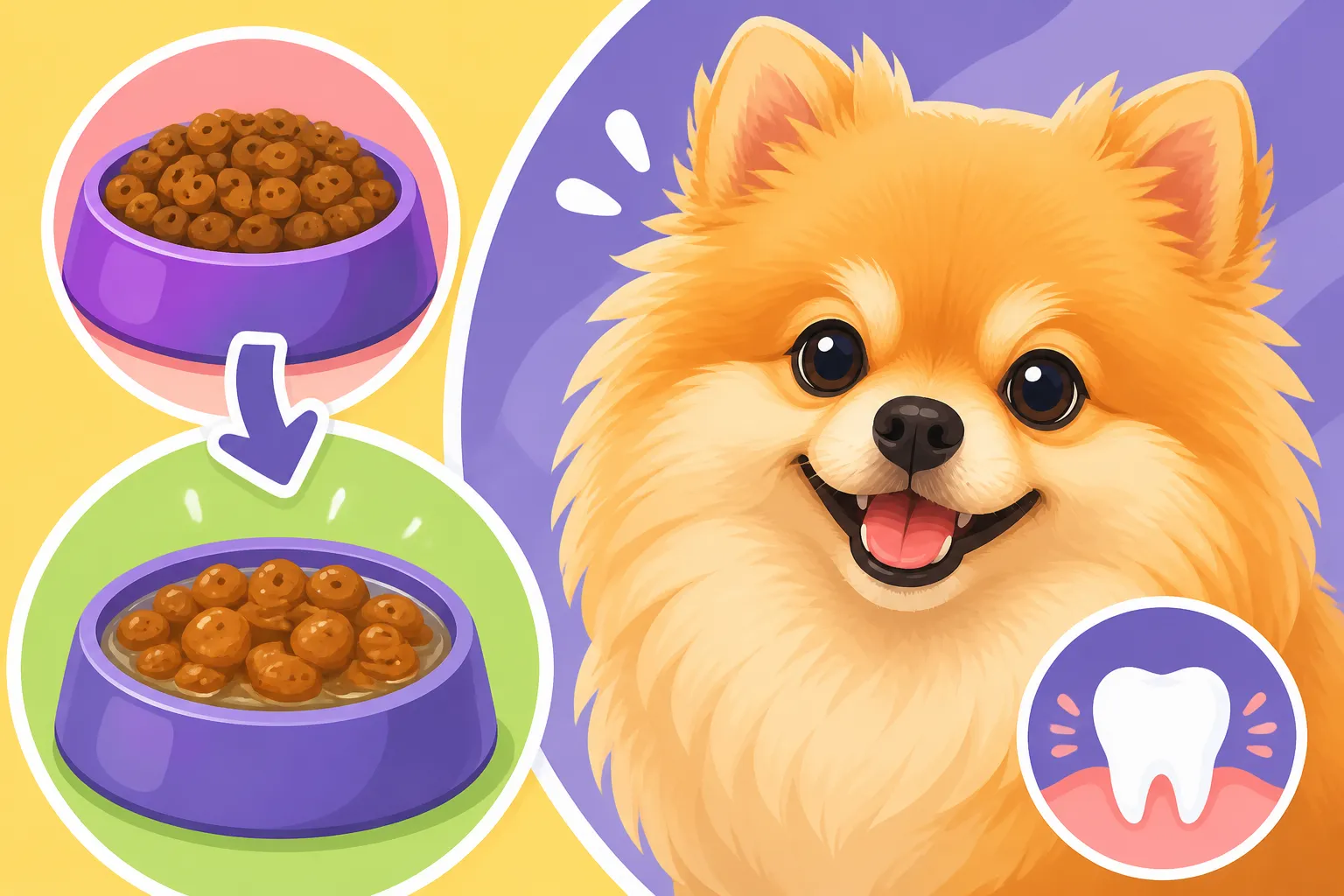
The Warm Water Soak
This is perhaps the most common and easiest method, and often the first one people try when they're Softening Food for a Senior Pomeranian.
How to do it:
- Measure Kibble: Place your Pomeranian's usual portion of kibble into their bowl.
- Add Warm Water: Pour warm (not hot!) water over the kibble until it's just covered. You want the water to be comfortably warm to the touch, not scalding, as extremely hot water can degrade some nutrients.
- Soak Time: Let it sit for 10-20 minutes. The exact time depends on the kibble's density and how soft your Pomeranian needs it. You're aiming for a mushy, easily mashable consistency. For very few teeth, a longer soak might be needed to make it truly soft.
- Check Consistency: Before serving, use a fork to mash a few pieces. If it easily breaks apart or turns into a paste, it's ready. If it's still hard, add a little more water and let it soak longer. You can also mix it up to ensure even softening.
- Enhance Flavor: For picky eaters, consider using low-sodium chicken or beef broth instead of plain water. Just be sure it's pet-safe and doesn't contain onions, garlic, or excessive salt. This can make the softened kibble much more appealing.
This method not only softens the food but also adds vital hydration to their diet. It's cost-effective and doesn't require switching foods entirely, which can be beneficial if your Pomeranian has a sensitive stomach.
Adding Canned or Wet Food
Mixing in wet food is another excellent way to make kibble more palatable and easier to eat. This approach introduces varying textures and often higher moisture content.
How to do it:
- Choose a Quality Wet Food: Select a high-quality canned dog food, preferably one specifically formulated for small breeds or senior dogs, as these often have softer textures and appropriate nutrient profiles. You can find a vast selection on sites like Chewy, including options from various trusted brands.
- Mix with Kibble: Combine your Pomeranian's dry kibble with a portion of wet food. The ratio depends on your dog's preference and how soft the overall meal needs to be. Start with a 1:1 ratio and adjust from there.
- Mash Together: Use a fork or spoon to thoroughly mix and mash the wet food into the dry kibble. This creates a cohesive, softer mixture where the wet food coats and softens the hard bits of kibble.
- Consider Fresh Food Options: Brands like Ollie offer fresh, human-grade dog food that is naturally soft and often comes in a pate-like consistency. While typically more expensive than canned food, it can be a fantastic, highly palatable option that requires no extra softening. It's pre-portioned and delivered, simplifying meal prep.
This method can be particularly appealing to dogs who are reluctant to eat plain softened kibble, as the strong aroma and taste of wet food often tempt even the pickiest eaters.
Blending or Mashing Kibble
For Pomeranians with very few teeth, or extreme sensitivity, a completely smooth consistency might be the only way they can comfortably eat. This is where blending or mashing comes in.
How to do it:
- Soak First: Start by soaking the kibble in warm water or broth as described above. Allow it to soften thoroughly until it's quite mushy.
- Blend: Transfer the soaked kibble (and any remaining liquid) to a blender or food processor. Blend until it reaches a smooth, consistent puree, similar to baby food or a thick soup. You may need to add a little more warm water or broth to achieve the desired consistency.
- Mash Manually: If you don't have a blender, a potato masher or even a sturdy fork can work for smaller portions, especially if the kibble is very well-soaked. Mash until no large lumps remain.
- Serve: Present the smooth mixture to your Pomeranian. This completely eliminates any need for chewing, making it ideal for dogs with severe dental issues or during recovery from extensive extractions.
This method ensures absolute comfort and ease of eating, preventing any potential pain from hard pieces. It's also an excellent way to ensure complete consumption of their meal, which is critical for maintaining their weight and energy levels.
Using Specialized Soft Food Options
Sometimes, the easiest solution is to transition to a diet that is naturally soft from the start. There's a wide range of commercially prepared soft food options designed specifically for dogs with dental issues or who prefer wet food.
Options include:
- Canned Pate or Stews: These are readily available and come in various flavors and formulations. Many reputable brands offer formulas for small breeds or seniors. You can browse extensive selections on platforms like Chewy or Amazon, often with detailed ingredient lists and customer reviews.
- Fresh-Cooked Dog Food: Services like Ollie deliver fresh, gently cooked meals that are inherently soft and easy to chew. These are often made with human-grade ingredients and can be a fantastic option for dogs who have trouble with kibble, even softened.
- Rehydratable Freeze-Dried or Dehydrated Food: These foods come in a dry form but are designed to be rehydrated with water, turning into a soft, palatable meal. They often retain more nutrients than heavily processed kibble and can be a convenient alternative.
When choosing a new food, always introduce it gradually over several days to avoid upsetting your Pomeranian's stomach. Mix a small amount of the new food with their old softened kibble, slowly increasing the proportion until they've fully transitioned.
Considerations Beyond Just Softening
While softening kibble is a huge step, there are other aspects of feeding a Pomeranian with few teeth that deserve attention. These extra considerations can make an even bigger difference in their comfort and well-being.
Monitoring Food Intake
It’s crucial to closely watch how much your Pomeranian is actually eating after you start softening their kibble. Sometimes, even with soft food, they might still not be consuming enough due to lingering discomfort, pickiness, or simply not being used to the new texture. Keep an eye on their bowl to ensure they’re finishing their meals. If they are consistently leaving food behind, or if they seem to be losing weight, it's time to investigate further.
You might need to adjust the consistency of the softened food, try different flavors of broth, or even experiment with a completely different type of soft food. Sometimes, a dog will prefer a blended "slurry" over chunky wet kibble, or vice versa. For an older Pom, consistent nutrition is vital. If you find your senior struggling, consider our guide on Feeding an Old Pomeranian With Few Teeth for more tailored advice. Regularly weighing your Pomeranian can also help you track their intake and ensure they are maintaining a healthy weight.
Regular Vet Check-ups
Adapting their diet is important, but it doesn't replace regular veterinary care. Even with few teeth, ongoing dental health is paramount for any remaining teeth, and general check-ups are essential for monitoring overall health. Your vet can assess the condition of their gums and any remaining teeth, and catch any new issues early. They can also advise on appropriate dietary changes and supplements.
For senior Pomeranians, annual or even semi-annual check-ups are crucial to monitor for other age-related conditions that might impact their appetite or ability to eat. Discussing your Pomeranian's dental history and current eating habits with your vet during The Checkup Schedule a Pomeranian Should Keep can provide invaluable insights and personalized recommendations. They might suggest specific dental chews (if appropriate for their remaining teeth) or water additives to help with oral hygiene.
Bowl Choice and Eating Position
Believe it or not, the type of bowl and how your Pomeranian eats can also make a difference. For dogs with neck or back issues, or those struggling to bend down, an elevated feeding bowl can reduce strain. This is particularly helpful for senior Pomeranians or those with conditions like a collapsing trachea, which can make bending over uncomfortable. However, for most Poms with dental issues, the key is a shallow bowl that allows them easy access to the softened food without bumping their sensitive gums or mouths.
A shallow dish prevents their face from being fully submerged in the food, which can be messy and uncomfortable for a long-haired breed. It also makes it easier for them to lap up softer foods without having to dig. If your Pomeranian has mobility issues, small ramps to their feeding area can also help them get to their food independently and comfortably.
Hydration
Beyond the added moisture from soaking kibble, always ensure your Pomeranian has constant access to fresh, clean water. While softened food contributes to their fluid intake, it shouldn't be their sole source of hydration. A hydrated dog is generally a healthier dog. Consider using a ceramic or stainless steel bowl, which are easier to keep clean than plastic, reducing bacterial buildup.
Some Pomeranians might prefer filtered water, or even a pet fountain, which encourages them to drink more. Regularly topping up their water bowl and giving it a good scrub daily is a simple yet effective way to support their overall health, especially for those who might be eating a less moisture-rich diet or are prone to urinary issues.
Supplements for Overall Health
For Pomeranians with few teeth, especially seniors, discussing certain supplements with your vet can be beneficial. While softening kibble addresses the immediate eating challenge, supplements can support their underlying health. Omega-3 fatty acids, for instance, can help reduce inflammation, which might be beneficial for gum health or joint comfort. Joint supplements containing glucosamine and chondroitin can support aging joints, which might be particularly helpful for Poms also dealing with conditions like Slipping Kneecaps in a Five Pound Pomeranian.
Probiotics can aid in digestion, especially if dietary changes are causing an upset stomach. Always consult your veterinarian before adding any new supplements to your Pomeranian's diet. They can recommend specific products and dosages appropriate for your dog's individual needs and existing health conditions, ensuring you're providing the best possible comprehensive care.
| Method | Pros | Cons | Best For |
|---|---|---|---|
| Warm Water Soak | Easy, inexpensive, adds hydration, familiar taste | Can take time, might not be soft enough for severe cases | Most Poms with mild to moderate tooth loss, general maintenance |
| Adding Wet/Canned Food | Highly palatable, good hydration, varied texture | Can be more expensive, requires careful ingredient selection | Picky eaters, Poms needing extra encouragement to eat |
| Blending/Mashing Kibble | Achieves ultra-soft consistency, no chewing required | Requires equipment (blender), can be messier, changes texture significantly | Severe tooth loss, post-dental surgery, extreme sensitivity |
| Specialized Soft Foods | Convenient, formulated for needs, high palatability | Higher cost, might require full diet transition | Poms who reject softened kibble, owners seeking premium convenience |
Disclaimer
This article is for general informational purposes only and does not constitute professional advice. Laws, prices and regulations vary by location and change over time. Consult a qualified professional for guidance on your specific situation.