Trimming a Pomeranian’s Feet Round
One common struggle Pomeranian parents face is the battle against those adorable, yet often problematic, tufts of fur that sprout between and around their tiny paw pads. These furry slippers might look cute, but they can lead to uncomfortable slipping, hygiene issues, and even painful matting if left unchecked. This guide will walk you through the surprisingly simple steps to safely and effectively trim your Pomeranian's paw hair, giving them a tidy, comfortable, and perfectly round foot that helps them navigate their world with confidence.
Why Trimming Your Pomeranian's Paw Hair Matters So Much
It might seem like a small detail in the grand scheme of Pomeranian grooming, but keeping your little one's paw hair trimmed is incredibly important for their overall well-being. This isn't just about aesthetics; it's about comfort, safety, and health. Imagine trying to walk around your house with long, untamed fur constantly getting in the way – it's no wonder our Poms sometimes struggle!
Preventing Slips and Falls Around the House
One of the biggest, and often overlooked, dangers of overgrown paw hair is the risk of slips and falls. When the fur between their paw pads gets too long, it acts like tiny, slippery cushions, reducing their natural traction on smooth surfaces like hardwood, tile, or laminate floors. This can lead to awkward tumbles, which for a small breed like a Pomeranian, can result in serious injuries, especially to their delicate joints. We want our Poms to zoom around safely, not slide! Regular trims restore that much-needed grip, allowing them to play and move with more stability. Think of it like wearing proper shoes instead of socks on a polished floor.
Beyond just simple slips, repeated impacts from jarring falls can put undue stress on their knees. Many Pomeranians are prone to Slipping Kneecaps in a Five Pound Pomeranian, and anything that minimizes sudden movements or instability can be incredibly beneficial. Keeping those paws neat isn't just about preventing immediate accidents; it's a proactive step in protecting their long-term orthopedic health.
Keeping Paws Clean and Healthy
Long paw hair is also a magnet for dirt, debris, and moisture. Picture those cute little paws after a walk in damp grass or a rainy day – the fur soaks up everything. Mud, tiny pebbles, leaves, and even sticky substances can easily get embedded in the long hair, creating a breeding ground for bacteria or fungus if not cleaned properly. This can lead to skin irritations, infections, or uncomfortable matting between the toes, which can be incredibly painful. Trimming the Fur Between a Pomeranian's Toes can become a very necessary maintenance step.
Furthermore, moisture trapped in dense paw fur can contribute to yeast infections, characterized by redness, itchiness, and a distinct "corn chip" smell. Regular trimming helps air circulate better around the pads, keeping them drier and less hospitable for these unwanted guests. It makes daily paw checks and cleanings much easier, ensuring you can spot any issues before they escalate.
Comfort and Confidence for Your Pomeranian
Ultimately, a well-groomed paw is a comfortable paw. When their paw hair is too long, it can feel awkward and irritating. They might constantly lick or chew at their feet, trying to dislodge the excess fur or whatever might be caught in it. This obsessive licking can lead to secondary skin problems and even hot spots. A clean, trimmed paw means less irritation and more comfort for your furry friend.
When a Pomeranian feels comfortable and secure on their feet, it boosts their confidence. They'll be more willing to explore, play, and interact without the underlying discomfort of tangled fur or the fear of slipping. Imagine how much happier your Pom will be, bounding across the living room without a care in the world, all thanks to a simple paw trim. This attention to detail in their care contributes significantly to their overall quality of life.
Essential Tools for a Successful Paw Trim
Before you even think about picking up those scissors, it's crucial to gather the right tools. Using inappropriate or dull instruments can make the process difficult, stressful for your Pomeranian, and potentially dangerous. Investing in a few quality items designed for dog grooming will make the experience smoother and safer for both of you. You might find a great selection of these tools from online retailers like Amazon or Chewy.
The Right Scissors Make All the Difference
For paw trimming, you absolutely need grooming scissors with blunt, rounded tips. This is not the time to reach for your kitchen shears or pointy craft scissors! Blunt-tipped scissors are designed to prevent accidental pokes and cuts, especially when dealing with a wiggly dog or working in sensitive areas like between the paw pads. They should also be sharp enough to cut through the fur cleanly without pulling or snagging, which can be very uncomfortable for your Pom. Look for stainless steel options that offer precision and durability.
In addition to blunt-tipped scissors, some groomers also like to use small, battery-operated clippers designed for delicate areas. These can be particularly useful for quickly clearing the fur from between the paw pads, especially if your Pomeranian is quite tolerant of the buzzing sensation. However, clippers come with their own learning curve, and it’s important to use them with extreme caution to avoid "clipper burn" or cutting the pads themselves. For most home groomers, good quality blunt-tipped scissors are the safest and most effective choice for beginners.
Beyond Scissors: Combs and Paw Balms
While scissors are the star of the show for trimming, a few supporting actors will make your grooming session much easier. A small, fine-toothed metal comb is invaluable for separating the paw hair and clearing any debris before you start cutting. This allows you to see exactly what you're doing and ensures you don't accidentally cut matted fur that could pull at their skin. Brushing the fur out before trimming also helps you achieve a cleaner, more even cut. A good grooming comb is also essential for general coat maintenance, as detailed in The Slicker and Pin Brush a Pomeranian Needs.
Once the trimming is done, don't forget paw balm! After a trim, especially if you've done a thorough job, your Pomeranian's paw pads might be a little exposed or sensitive. A good quality paw balm can moisturize and protect their pads, preventing them from becoming dry or cracked. Brands often offer soothing, natural balms that are safe if licked. Applying a dab of balm after the trim, and perhaps a gentle paw massage, can also serve as a positive reinforcement, ending the grooming session on a pleasant note for your pup.
Creating a Calm and Safe Grooming Environment
Setting the scene is just as important as having the right tools. Choose a quiet time when your Pomeranian is relaxed, perhaps after a potty break or a short walk when they've burned off some energy. A well-lit area is crucial so you can clearly see the fur you're trimming and avoid any accidents. Using a non-slip surface, like a rubber mat on a table or even sitting on the floor with them, will help keep them steady and prevent them from sliding around during the process.
Have all your tools laid out within easy reach, but out of your Pomeranian's grasp. This minimizes distractions and allows you to focus solely on the task at hand. Keep treats readily available to reward good behavior and make the experience more positive. Some owners even put on calming music or white noise to help soothe their Poms. Remember, patience is key. If your Pom gets stressed or agitated, take a break and try again later. It's far better to do a partial trim safely than to push them too far and risk an injury or create a negative association with grooming. Teaching a Pomeranian to Stand Still for the Brush covers some great techniques for building this tolerance.
| Tool Type | Purpose | Key Features to Look For | Why It's Essential |
|---|---|---|---|
| Blunt-Tipped Scissors | Trimming fur between and around paw pads | Rounded tips, sharp blades, comfortable grip | Safety, precision, prevents accidental nicks |
| Fine-Toothed Comb | Detangling, separating fur, removing debris | Metal, small size, closely spaced teeth | Reveals hidden mats, ensures even trim, cleaner result |
| Paw Balm | Moisturizing and protecting paw pads | Natural ingredients, safe if licked, soothing | Prevents dryness/cracking, positive after-grooming experience |
| Non-Slip Mat | Providing a stable surface during grooming | Rubberized, easy to clean | Prevents slips, keeps Pom steady, reduces stress |
| High-Value Treats | Rewarding good behavior | Small, easily consumable, irresistible to your Pom | Creates positive association, encourages cooperation |
Step-by-Step Guide to Trimming Your Pomeranian's Paws Round
Alright, now that you've got your tools ready and your Pomeranian is in a relaxed mood, let's get down to the actual trimming! Remember, slow and steady wins the race here. Take your time, prioritize safety, and make it a positive experience for your little one. Don't be afraid to take breaks if either of you gets frustrated.
Preparing Your Pomeranian and Their Paws
Before you even think about picking up those scissors, it's vital to properly prepare your Pomeranian. Start with a gentle session of petting and reassurance to get them settled. If they're a bit wiggly, consider wrapping them in a towel, leaving only the paw you're working on exposed. This can provide a comforting 'hug' and limit their movement slightly. Next, use your fine-toothed comb to thoroughly brush out the fur on and around their paw. This helps to remove any tangles, loose hair, or small bits of debris that might be hiding. It also allows you to clearly see the natural lay of the fur and where it needs to be trimmed.
Once the fur is combed, take a moment to gently examine their paw pads. Look for any cuts, scrapes, stickers, or signs of irritation. You might also want to do a quick How Often a Pomeranian's Nails Grow Back check; if their nails are long, it's a good idea to trim them first, as this makes the paw more compact and easier to manage for fur trimming. Make sure the paw is clean and dry; wet fur is harder to cut precisely and can lead to uneven results. If you need to clean their paws, a quick wipe with a damp cloth followed by thorough drying is usually sufficient. Remember to praise them quietly throughout this preparation stage to build a positive association.
The Delicate Art of Trimming Between the Pads
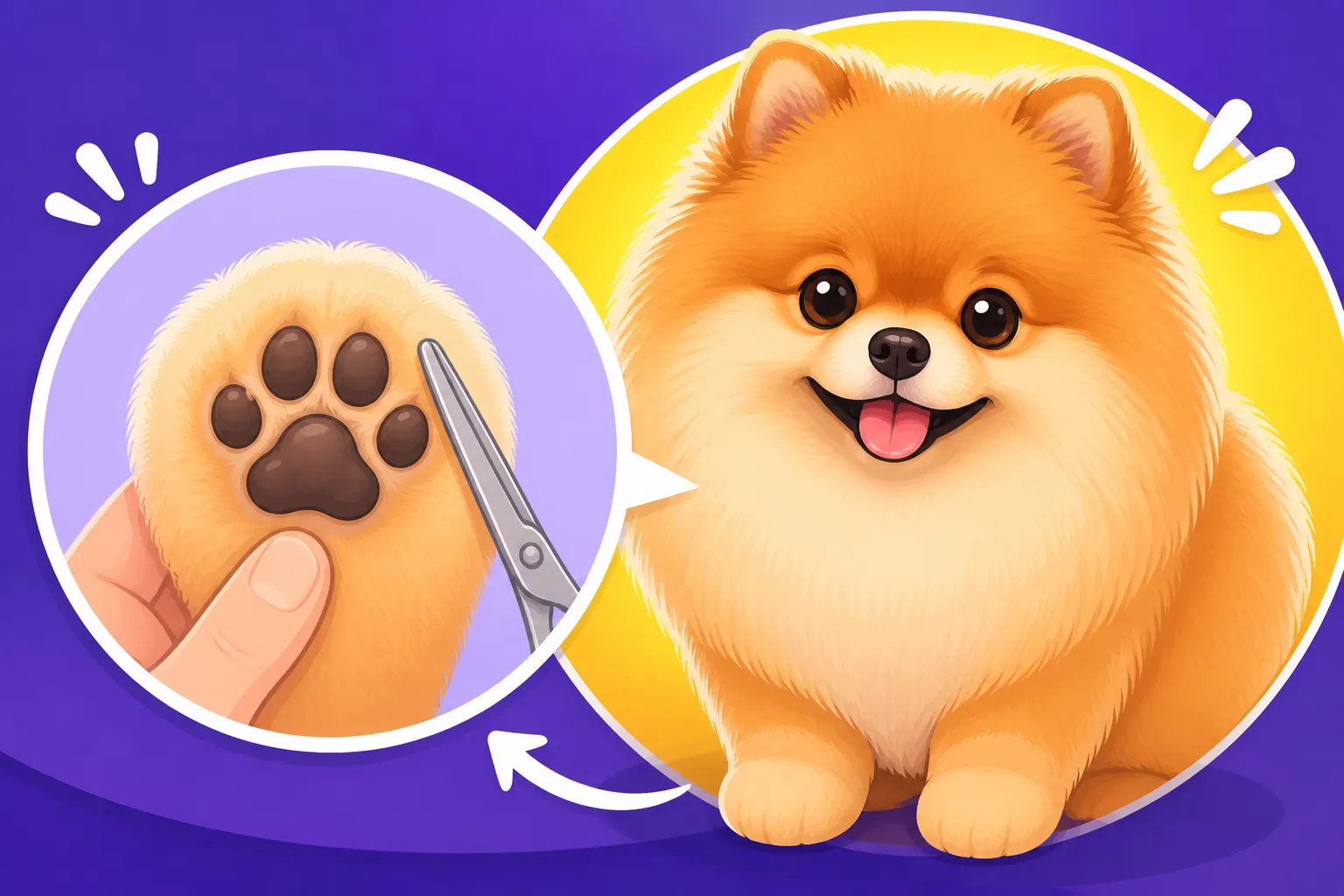
This is arguably the most crucial part of the paw trim for both hygiene and traction. Gently spread your Pomeranian's paw pads apart with your fingers, exposing the fur that grows between them. You'll often find a dense tuft of hair here, especially on double-coated breeds like Poms. Carefully, using your blunt-tipped scissors, snip away the excess fur, making sure to cut it flush with the paw pads. The goal is to remove the hair that extends beyond the pads, creating a flat, clean surface. Always point the scissor tips away from the pads and never cut blindly. You can gently press the pads together slightly to push the fur up, making it easier to see and trim.
Work slowly and methodically, one small snip at a time. It’s better to take off too little and go back for more than to accidentally cut too much or, worse, nick a paw pad. These pads are sensitive, and a cut can be painful and prone to infection. If your Pomeranian is particularly sensitive or has very deep fur between their pads, using small, quiet clippers on a low setting can sometimes be easier, but again, extreme caution is necessary. If you opt for clippers, always run them in the direction of hair growth first, then against it for a closer trim, gently stretching the skin taut to prevent nicks.
Shaping the Fur Around the Paw for that Perfect Round Look
Once the fur between the pads is trimmed, it's time to tackle the hair around the perimeter of the paw to achieve that lovely, rounded "cat foot" look. Hold your Pomeranian's paw gently but firmly, with their toes pointing towards you. You'll see the longer fur that spills out over the top of their paw and around the sides. Use your comb to brush this fur downwards, towards the floor. Then, carefully take your blunt-tipped scissors and trim the excess hair so that it creates a neat, rounded outline that is level with the bottom of their paw pads. Imagine you're trimming a miniature, fluffy mushroom cap.
Again, use small, controlled snips. Avoid cutting straight across in a harsh line; instead, follow the natural curve of the paw to create a soft, rounded appearance. Turn the paw slightly as you work to ensure you get an even trim all the way around. This step not only contributes to the classic Pomeranian look but also helps prevent debris from getting caught in the longer fur around the edges. Step back occasionally and look at the paw from different angles to ensure symmetry and that perfect circular shape. This careful styling ensures a tidy appearance that complements their glorious coat elsewhere, as we discuss in The Double Coat That Makes a Pomeranian and Why It Stays On.
Finishing Touches and Positive Reinforcement
After you've trimmed both between and around the paw pads, take a moment to inspect your work. Gently comb the fur one last time to catch any stray hairs you might have missed. Check for any uneven patches and do a final tidy-up. If your Pomeranian has long fur on their lower legs, you might also want to blend the paw trim smoothly into this fur for a seamless look. Remember, the goal is neatness and functionality, so don't fret if it's not absolutely perfect on your first few tries. Practice makes perfect!
Once you’re satisfied, offer your Pomeranian enthusiastic praise and a handful of those high-value treats you prepared earlier. This positive reinforcement is crucial for making grooming a pleasant experience for them. Follow up with a dollop of paw balm, gently massaging it into their pads. This not only soothes their skin but also turns the end of the session into a comforting ritual. The more positive experiences your Pomeranian has with paw trims, the more cooperative they’ll be in the future, making the task easier for both of you.
Common Pitfalls and Troubleshooting Tips
Even with the best intentions and the right tools, grooming can sometimes present challenges. Our Pomeranians are living, breathing creatures with their own personalities, and they don't always cooperate perfectly. Understanding common issues and how to address them can save you a lot of frustration and keep both you and your furry friend safe during grooming sessions.
Dealing with a Wiggly Pomeranian
A wiggly Pomeranian is probably the most common challenge you'll face when trying to trim their paws. Their small size makes them quick, and a sudden jerk can lead to accidents. The first line of defense is creating that calm environment we discussed earlier, ensuring they're already relaxed. If they're still squirming, try working in very short bursts. Focus on one paw, or even just a section of one paw, at a time. Do a few snips, offer a treat, and praise them. Then take a break and come back to it. Consistency is key; small, positive sessions will build their tolerance over time.
For particularly energetic Poms, consider enlisting a second person to gently hold and distract them with treats or soft words. Never force them or restrain them in a way that causes pain or fear, as this can create a lasting negative association with grooming. If all else fails, a grooming sling or even gently wrapping them in a towel (like a burrito, but for a pup!) can help limit excessive movement, but only if your Pomeranian tolerates it without showing signs of extreme stress. Always prioritize their comfort and safety over achieving a perfect trim in one go. You might even want to brush up on techniques like Getting a Pomeranian Through an Exam Calmly which shares similar principles for handling.
Avoiding Nicks and Cuts
Nicks and cuts are every Pomeranian owner's worst fear during grooming. The key to avoiding them lies in three main areas: proper tools, good lighting, and slow, deliberate movements. Always use blunt-tipped scissors specifically designed for pet grooming. Ensure your workspace is brightly lit so you can clearly see the paw pads and the fur. Never cut blindly or "guess" where the skin is. Always visualize the pads and cut only the fur that extends beyond them. When trimming between the pads, gently spread the toes to get a clear view, and angle the scissors parallel to the pad, not pointing directly into it.
If you do accidentally make a tiny nick, don't panic. Apply gentle pressure with a clean cloth or a styptic powder (available at pet stores or from brands like Chewy) to stop the bleeding. Keep a close eye on the area for any signs of infection over the next few days. Remember, even professional groomers can have minor accidents from time to time, especially with very squirmy dogs. The best defense is always to proceed with extreme caution and take your time.
When to Call a Professional Groomer
While DIY paw trims are perfectly doable for many Pomeranian owners, there are times when calling in a professional groomer is the best course of action. If your Pomeranian absolutely hates having their paws touched, becomes aggressive, or gets so stressed that it's detrimental to their well-being, a professional can often work wonders. They have specialized training, tools, and techniques to handle difficult dogs safely and efficiently. If your Pom has significant matting between their paw pads that you can't safely brush out, a professional should handle it to avoid pain and skin irritation. Cutting a Mat Out of a Pomeranian explains why this is so important.
Furthermore, if you're simply not confident in your ability to perform the trim without risking injury, or if you consistently achieve uneven results that you're unhappy with, there's no shame in seeking expert help. A professional groomer can perform the trim beautifully and often give you tips for home maintenance. They can also take care of other grooming needs, such as a full bath, blow-dry, and brush-out. While it comes with a cost, as detailed in The 60 to 90 Dollar Pomeranian Grooming Appointment, the peace of mind and professional result can be well worth the investment, ensuring your Pomeranian looks and feels their best.
Disclaimer
This article is for general informational purposes only and does not constitute professional advice. Laws, prices and regulations vary by location and change over time. Consult a qualified professional for guidance on your specific situation.