Whether a Pomeranian Can Air Dry
You've just given your fluffy Pomeranian a nice, warm bath, perhaps after a particularly muddy romp in the park or just for their regular spa day. They're squeaky clean, smelling lovely, and now the big question pops into your head: can you just let them air dry? It seems so convenient, right? Especially with that thick, beautiful coat! But for Pomeranian owners, making this seemingly simple choice can actually lead to a host of uncomfortable and even painful issues for your beloved companion. This guide is here to walk you through why air drying is a definite no-go for Poms and how to properly dry them to keep their double coat healthy and magnificent.
Understanding the Pomeranian's Unique Double Coat
The Pomeranian's luxurious coat isn't just for show; it's a functional marvel, a remnant of their Spitz ancestry in colder climates. This dense, multi-layered fur is what makes air drying so problematic. Unlike single-coated breeds or even dogs with thinner double coats, a Pomeranian's fur is designed to trap air, insulating them from both cold and heat. This very design feature, however, becomes its biggest vulnerability when it comes to drying.
The Guard Hairs and Their Role
On the outermost layer, your Pomeranian sports what are called guard hairs. These are longer, coarser, and typically straighter hairs that give the coat its structure and protect the softer undercoat. Think of them as the roof tiles on a house—they're there to shed water, dirt, and debris. When these guard hairs get wet, they tend to lie down, creating a protective barrier that prevents moisture from easily reaching the skin. While this is fantastic for keeping them dry in light rain, it's a huge hindrance when you're trying to dry them thoroughly after a full bath. The water gets trapped underneath, against the skin, where it has no way to evaporate quickly.
The Dense Undercoat That Traps Moisture
Beneath those protective guard hairs lies the true challenge: the Pomeranian's incredibly dense and fluffy undercoat. This soft, woolly layer is what provides most of their insulation. It's so thick that it acts like a sponge, soaking up and holding onto water. Imagine trying to air dry a thick wool blanket; it takes forever, right? That's precisely what happens with your Pomeranian's undercoat. Once this layer is wet, it can take hours, even a full day or more, for it to dry completely on its own. The guard hairs on top effectively seal in the moisture, creating a damp, warm environment right against your dog's skin. This isn't just uncomfortable; it's a recipe for disaster. The Double Coat That Makes a Pomeranian and Why It Stays On is an important read to understand why this unique coat needs specific care.
Why Air Drying Is Detrimental to Your Pomeranian's Health
Given the intricate nature of their double coat, simply letting your Pomeranian air dry is one of the biggest grooming mistakes you can make. It might save you a few minutes of effort, but it can lead to significant discomfort, pain, and health issues for your furry friend.
The Nightmare of Matting
One of the most immediate and common problems caused by air drying is severe matting. As the undercoat dries slowly, the individual hairs don't dry evenly or separately. Instead, they cling together, twist, and knot up. The guard hairs on top, also drying slowly, become intertwined with the clumping undercoat. This process is exacerbated by any movement your Pomeranian makes – shaking, rolling, or rubbing against furniture. What starts as a few tangles can quickly escalate into tight, painful mats that pull at the skin. These mats aren't just unsightly; they can be incredibly painful, restricting movement and even tearing the skin. Once a mat forms, it's exponentially harder to remove, often requiring professional intervention or even shaving. Imagine trying to untangle a ball of wet wool that's been pressed together and dried – it's a near-impossible task without damage. You'll want to avoid this by learning Working a Pomeranian's Coat in Sections to the Skin.
Skin Infections and Hot Spots
Beyond matting, trapped moisture creates the perfect breeding ground for bacteria and yeast. Your Pomeranian's skin, warm and damp for extended periods, becomes highly susceptible to infections, skin irritations, and dreaded hot spots. Hot spots are acute moist dermatitis lesions – essentially, raw, inflamed, infected patches of skin. They can appear suddenly, grow rapidly, and are incredibly itchy and painful for your dog. They often lick or chew at the area, making the problem worse and delaying healing. The thick coat prevents air circulation, meaning the skin underneath can't "breathe" properly, and any minor skin issue can quickly become a full-blown infection requiring veterinary attention. This is why proper drying is not just about aesthetics, but about fundamental skin health.
Unpleasant Odors and Discomfort
Have you ever noticed that "wet dog" smell that seems to linger? With a Pomeranian, if allowed to air dry, that smell can become permanent and intensify. The damp, warm environment of a slowly drying undercoat encourages the growth of mold and mildew-like bacteria, leading to a persistent, musty odor that no amount of perfume will truly cover. It's not just unpleasant for you; it's uncomfortable for your dog. They're left feeling cold, damp, and itchy, making them miserable until they're completely dry. A wet undercoat can also make them more prone to chills, especially if they then go outside in cooler weather, potentially compromising their immune system.
The Right Way to Dry Your Pomeranian: A Step-by-Step Guide
Properly drying your Pomeranian after a bath is crucial for their health and comfort. It's a process that requires patience and the right tools, but it's well worth the effort to maintain their beautiful coat and prevent painful problems.
Towel Drying First: The Initial Absorbent Step
Before you even think about a blow dryer, start with thorough towel drying. Use highly absorbent microfiber towels, which are much more effective at drawing moisture out of the coat than regular bath towels. Don't rub vigorously, as this can rough up the coat and encourage tangles. Instead, gently blot and squeeze sections of the fur, pressing the towel against the body to absorb as much water as possible. Wrap your Pomeranian loosely in a towel and give them a gentle squeeze and cuddle. You'll be surprised how much water you can remove this way. This initial step significantly cuts down on blow-drying time. Remember, the goal isn't to get them bone dry with a towel, but to remove the excess water, leaving the coat damp, not dripping.
The Essential Tool: A Pet-Specific Blow Dryer
This is where many owners make a mistake, often reaching for their human hair dryer. Human hair dryers get too hot and can burn your Pomeranian's delicate skin, even on a lower setting, especially when directed at their dense undercoat. You need a pet-specific force dryer or a low-heat, high-velocity pet blow dryer. These dryers are designed to move a large volume of air at a lower temperature, effectively "blasting" water out of the coat rather than just heating it up. Brands available on platforms like Amazon or Chewy offer excellent options for pet dryers that are safe and efficient for double-coated breeds. Look for models with variable speed and heat settings. Investing in one of these is non-negotiable for a Pomeranian owner. Drying a Pomeranian Without Damaging the Coat explores this topic further.
Blow-Drying Technique: Section by Section
Once towel-dried, it's time for the blow dryer. This process should be done systematically.
- Prep the Coat: Give the coat a quick, gentle brush-through with a slicker brush, like those found on Amazon, to remove any immediate tangles from the bath.
- Start Low and Slow: Begin with the dryer on a low-to-medium speed and a cool or low-heat setting. Continuously move the nozzle; never hold it stationary on one spot.
- Work in Sections: Imagine your Pomeranian's coat as a series of layers. Start at the rear and work your way forward, or begin with the underside. Use one hand to hold the blow dryer and the other to line brush.
- Line Brushing: This technique is critical. Using a slicker brush or a long-toothed comb, part the hair horizontally, revealing the skin. Direct the airflow from the dryer into the roots of the hair, while simultaneously brushing the hair upwards and outwards against the direction of growth. This helps to lift the undercoat, allowing air to circulate and dry each hair individually, from the skin out. As you dry a section, move the brush along the part, creating a new section, and repeat.
- Focus on the Undercoat: Pay extra attention to the thickest areas like the ruff, britches, and tail plume. Ensure these areas are bone dry right down to the skin. You should be able to feel the skin and see no dampness.
- Check for Dampness: Once you think an area is dry, run your fingers deep into the coat, all the way to the skin. If it feels even slightly cool or damp, keep drying. You can also part the hair in several places; if you see moisture, it's not done.
- Final Brush-Out: Once the entire coat is completely dry, give your Pomeranian a thorough final brush-out with a slicker brush and then a metal comb to ensure there are absolutely no tangles or mats. The comb should glide effortlessly through the coat.
Addressing Common Air Drying Misconceptions and Risks
It's easy to fall into the trap of thinking air drying is fine, especially when you're busy or your Pomeranian seems to hate the dryer. However, understanding and debunking these misconceptions is vital for responsible Pomeranian care.
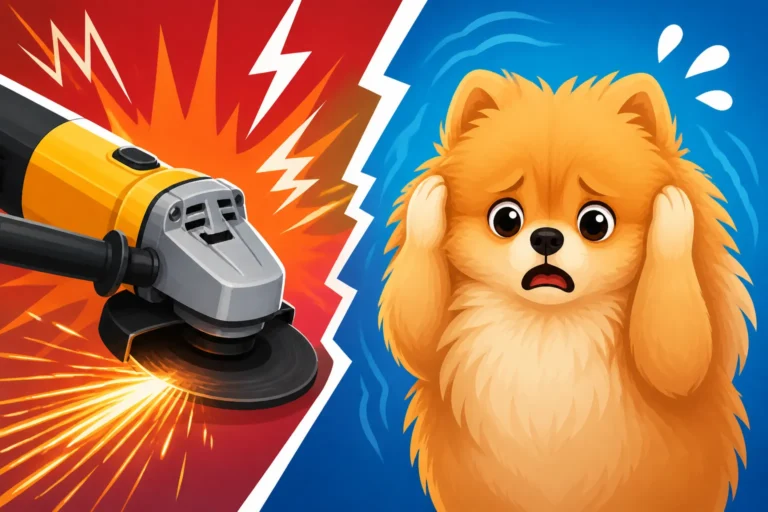
"My Pomeranian Hates the Dryer, So I Let Them Air Dry"
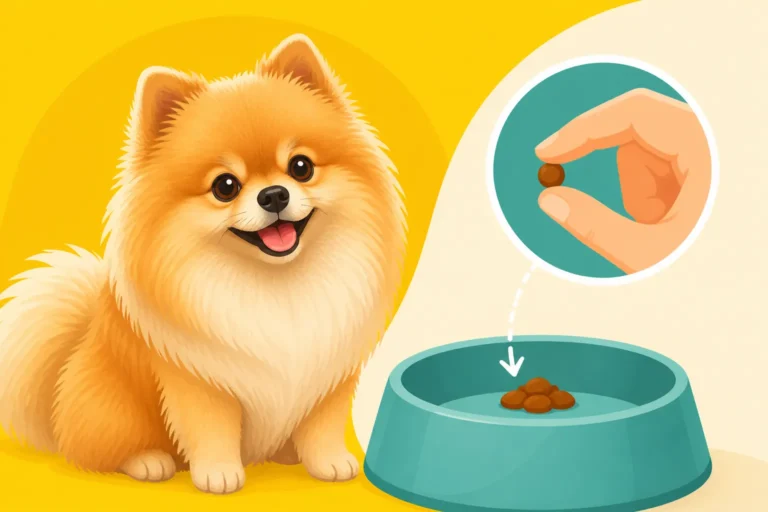
This is a common lament, and it’s completely understandable to want to avoid stressing your dog. However, letting them air dry isn't a kinder alternative; it's just exchanging one stressor for potentially more severe problems like painful matting or skin infections. The key is to acclimate your Pomeranian to the blow dryer from an early age, or to re-condition them if they've developed an aversion. Start with short, positive sessions, using treats and praise. Use the dryer on its lowest, coolest setting, initially just letting them feel the air without even touching their coat. Gradually increase the time and intensity. Make it a game, not a punishment. If they truly panic, consult a professional groomer who can offer tips or even do the drying for you until your Pom is more comfortable. Groomers are pros at managing dogs who dislike drying, and sometimes The Grooming Bill Nobody Warns a Pomeranian Owner About includes this extra care.
"It's Just a Little Damp, It'll Dry on Its Own"
This thought often leads to trouble. A "little damp" for a Pomeranian is a lot of moisture trapped in that dense undercoat. Even slight dampness at the skin level, especially in areas like the armpits, groin, or behind the ears, is enough to start the matting process or create a localized hot spot. That trapped moisture can also lead to that musty smell we discussed. It's truly an all-or-nothing situation with a Pomeranian's coat: either it's completely dry, or it's still considered wet enough to cause issues. There's no middle ground when it comes to their double coat.
Risks Associated with Improper Drying Techniques
Using the wrong tools or rushing the drying process carries its own set of risks. As mentioned, human hair dryers can cause burns. Improper brushing during drying can break delicate hairs or pull at the skin. Furthermore, failing to dry the coat fully can mask underlying skin issues or even exacerbate conditions like Black Skin Disease and the Pomeranian Coat That Never Returns. The goal is not just to dry your Pomeranian, but to dry them correctly and safely.
| Feature/Method | Air Drying (Not Recommended) | Blow Drying (Recommended) |
|---|---|---|
| Drying Speed | Extremely slow (hours to over a day) | Relatively fast (30-60 minutes, depending on coat density) |
| Matting Risk | High (hairs clump and knot as they dry) | Low (if done correctly with line brushing) |
| Skin Health | Poor (trapped moisture leads to infections, hot spots) | Good (allows skin to breathe, prevents bacterial growth) |
| Odor | High (musty, "wet dog" smell due to trapped moisture) | Low (fresh, clean scent) |
| Coat Volume/Texture | Flattened, possibly uneven, dull | Fluffy, full, vibrant, distinct double coat |
| Pomeranian Comfort | Prolonged dampness, itching, potential skin irritation | Quick drying, immediate comfort, reduced itching |
| Tools Needed | Towels (insufficient for full drying) | Absorbent towels, pet-specific force dryer, slicker brush |
Maintaining Your Pomeranian's Coat Between Baths
While proper drying after a bath is paramount, maintaining your Pomeranian's coat between grooming sessions also plays a crucial role in preventing problems and making bath time easier. How Rarely a Pomeranian's Coat Should Be Washed is a good resource here.
Regular Brushing is Your Best Friend
Consistent, thorough brushing is the cornerstone of Pomeranian coat care. You should aim to brush your Pomeranian at least 2-3 times a week, ideally daily if you can. This helps to remove loose undercoat, prevent tangles from forming, and distribute natural oils through the coat, keeping it healthy and shiny. Use a slicker brush to get deep into the undercoat and then follow up with a metal comb to ensure you've removed all tangles. If you encounter a mat, work it out gently with a detangling spray and a comb, or cut it out carefully if it's small and tight. Don't let small mats become big problems. Products from Chewy can help you find the right brush and detangling sprays. Whether a Pomeranian Needs Its Coat Fluffed covers more brushing techniques.
Investing in Quality Grooming Products
The products you use on your Pomeranian's coat can make a significant difference. Choose a good quality shampoo and conditioner specifically formulated for dogs with double coats. These products can help clean thoroughly without stripping natural oils, and conditioners can make the coat softer and easier to brush, reducing the likelihood of mats during the drying process. After bath time, using a leave-in conditioner spray can also help keep the coat hydrated and manageable between brushes. Look for reputable brands available on Amazon or Chewy to ensure you're using safe and effective products.
Professional Grooming as Needed
Even with diligent home care, many Pomeranian owners find that regular professional grooming is an invaluable part of their pet's routine. A professional groomer has the expertise, tools, and experience to handle a double coat, ensuring it's thoroughly bathed, dried, and trimmed. They can also spot potential skin issues or developing mats that you might miss. Depending on your Pomeranian's coat type and lifestyle, a professional groomer might recommend visits every 4-8 weeks. This can be a huge relief, especially if your Pom is particularly challenging to dry at home, or if you simply want to ensure their coat is always in top condition. The Grooming Bill Nobody Warns a Pomeranian Owner About provides more details on what to expect with professional grooming.
In conclusion, while the thought of letting your Pomeranian air dry might seem like an easy solution, it's a practice that can lead to significant discomfort and health issues for your beloved companion. Their magnificent double coat, a defining feature of the breed, requires careful and thorough drying to prevent matting, skin infections, and unpleasant odors. By investing in the right tools and dedicating the time to proper blow-drying techniques, you'll ensure your Pomeranian remains happy, healthy, and looking their absolute best.
Disclaimer
This article is for general informational purposes only and does not constitute professional advice. Laws, prices and regulations vary by location and change over time. Consult a qualified professional for guidance on your specific situation.