Whether a Fat Pomeranian Coughs More
It's a distressing sound no Pomeranian owner ever wants to hear: that sudden, alarming cough, sometimes sounding like a goose honk, leaving you wondering if your precious little fluffball can even catch its breath. Many of us find ourselves scrutinizing our beloved companions, especially if they've put on a little extra weight, and a common worry surfaces: "Is my Pomeranian coughing more because they're fat?" This guide will meticulously explore the undeniable link between a Pomeranian's weight and the severity and frequency of their respiratory issues, helping you understand, prevent, and manage this concerning problem.
The Delicate Pomeranian Respiratory System
Pomeranians, for all their robust spirit and fluffy bravado, possess a surprisingly delicate respiratory system, making them more susceptible to certain breathing challenges than many other breeds. Understanding these inherent vulnerabilities is the first step in appreciating why extra weight can be such a significant concern.
Tracheal Collapse: A Common Pomeranian Concern
One of the most infamous respiratory conditions associated with Pomeranians is tracheal collapse. Imagine their windpipe, or trachea, not as a rigid pipe, but as a flexible tube supported by cartilage rings. In many Poms, these rings can weaken and flatten, particularly in the section closest to the chest. When this happens, the trachea can narrow, making it difficult for air to pass freely to the lungs. This often manifests as a dry, harsh, honking cough, especially when the dog is excited, pulling on a leash, or experiencing environmental changes. It's a condition that can range from mild and occasional to severe and life-threatening, causing immense distress for both dog and owner. The Honking Cough of a Pomeranian's Collapsing Windpipe delves deeper into recognizing this specific sound.
The mechanics of tracheal collapse mean that anything that puts additional pressure on the throat or restricts breathing can worsen the condition. This includes factors like excitement, allergies, inhaling irritants, and, crucially, excess weight. A Pomeranian with a naturally narrower or weaker trachea is already walking a fine line, and any additional stress on this vital pathway can tip the balance towards more frequent and severe coughing episodes. It’s a sad reality that something as simple as a standard collar can even Why a Collar Threatens a Pomeranian's Windpipe in a predisposed dog, let alone the internal pressures of extra body mass.
The Impact of Excess Weight on Breathing Mechanics
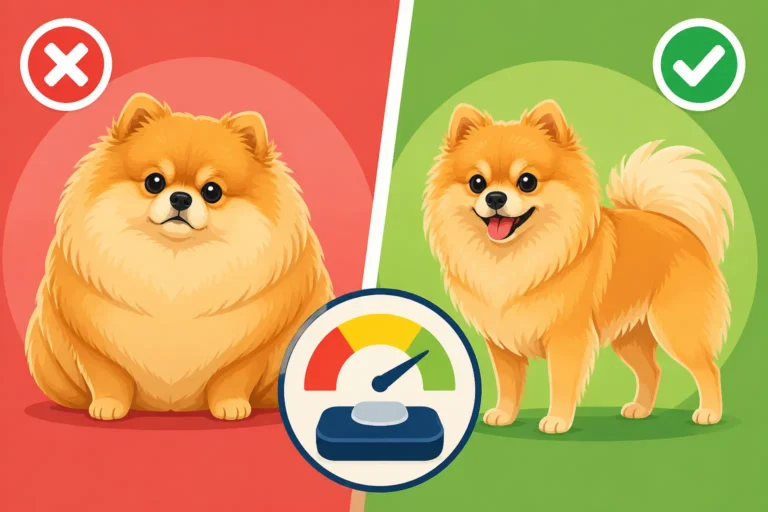
Now, let's consider what happens when a Pomeranian carries around more weight than their tiny frame is designed for. Even a pound or two can be significant for a dog that ideally should weigh between The Three to Seven Pounds a Pomeranian Should Hold. This added bulk doesn't just sit there; it impacts the entire physiological system, including how they breathe. The extra fat deposits aren't just external; they accumulate internally, around organs and within the chest and abdominal cavities.
This internal fat can physically restrict the movement of the diaphragm, the primary muscle responsible for breathing. When the diaphragm can't fully expand and contract, the lungs don't have enough space to inflate completely, reducing their overall capacity. Think of it like trying to breathe deeply while wearing a too-tight corset; it becomes shallow and less efficient. This forced shallow breathing can lead to a feeling of breathlessness, especially during exertion, and can trigger coughing as the body tries to clear the airways or simply gasp for more oxygen.
How Extra Weight Exacerbates Respiratory Problems
It's not just a coincidence that heavier Pomeranians seem to struggle more with their breathing. The physiological changes brought about by excess weight create a cascade of problems that directly worsen existing respiratory vulnerabilities and can even trigger new ones.
Increased Pressure on the Trachea and Lungs
The most direct impact of extra weight on a Pomeranian's respiratory system is the increased pressure it exerts. Fat accumulates not only under the skin but also around the chest wall and abdominal organs. This internal fat pushes up on the diaphragm, which in turn reduces the space available for the lungs to fully expand. Imagine trying to inflate a balloon in a box that's too small; you can only get so much air in. For a Pomeranian, this means their lungs can't take in as much oxygen with each breath.
Furthermore, in a dog predisposed to tracheal collapse, the extra fat around the neck and chest area can put external pressure on the already delicate windpipe. This external squeeze, combined with the reduced internal space for lung expansion, creates a perfect storm for exacerbating coughing. Every time your Pom tries to take a deep breath or cough, they are fighting against this added resistance, making the effort more strenuous and often less effective. It's a vicious cycle where the body struggles, leading to more coughing, which further irritates the airways.
Reduced Lung Capacity and Oxygen Flow
With reduced space for the lungs to expand, the overall lung capacity diminishes. This means less oxygen is entering the bloodstream with each breath. For a tiny dog like a Pomeranian, who already has a high metabolic rate, efficient oxygen exchange is critical. When oxygen flow is compromised, every system in the body has to work harder, including the heart. The heart tries to compensate by pumping faster, leading to increased strain. This added stress can even reveal or worsen underlying cardiac issues, which often present with symptoms similar to respiratory problems, including coughing. Whether a Pomeranian's Cough Is Heart or Trachea highlights this important distinction.
A Pomeranian with reduced lung capacity will tire more easily during play or even short walks. They might seem sluggish or less enthusiastic about activities they once enjoyed. This isn't just laziness; it's their body telling them they aren't getting enough oxygen to sustain prolonged effort. The cough, in this context, can be the body's attempt to clear airways that feel congested or to simply take in a larger, more satisfying breath that the constricted chest cavity won't allow. This chronic state of reduced oxygen can lead to further health complications over time, making weight management absolutely vital.
Heat Intolerance and Exercise Limitation
Another significant consequence of extra weight is a reduced ability to regulate body temperature, particularly in breeds with dense double coats like Pomeranians. Fat acts as insulation, making it harder for a dog to dissipate heat. This is especially problematic during warmer weather or after even moderate exercise. When a dog overheats, they pant more heavily to try and cool down. This increased respiratory effort puts immense strain on an already compromised system.
For an overweight Pomeranian, this means that even a short walk on a slightly warm day can lead to heavy panting, labored breathing, and potentially, more coughing episodes. This then creates a frustrating loop: the dog needs exercise to lose weight, but the exercise itself can trigger distress due to their weight-induced heat intolerance and breathing difficulties. Owners often find themselves hesitant to walk their heavy Poms for fear of triggering a coughing fit, further limiting their activity and contributing to continued weight gain. You need to be aware of The Temperature That Is Too Hot for a Pomeranian and plan outdoor activities accordingly, especially for an overweight pup.
Recognizing the Signs: Is Your Pomeranian's Cough Weight-Related?
Pinpointing the exact cause of a Pomeranian's cough can be challenging, as many conditions present with similar symptoms. However, by carefully observing your dog and considering their overall health, you can often gather clues that point towards excess weight playing a role.
Distinguishing a Weight-Induced Cough from Other Causes
A cough stemming primarily from weight issues will often have specific characteristics, though these can overlap with other conditions. Typically, it will be more pronounced during or after physical exertion, excitement, or periods of stress. If your Pomeranian starts coughing after a short burst of play, a brisk walk, or when greeting a new person with great enthusiasm, and they are also carrying extra pounds, weight is a strong suspect. This type of cough often sounds dry and harsh, a bit like a honking goose, which is classic for tracheal irritation or collapse.
However, it's crucial to remember that a cough can also be a symptom of other serious conditions such as kennel cough, allergies, heart disease, or even foreign objects in the throat. A cough associated with heart issues might be softer, wetter, and more frequent at rest or when lying down. Kennel cough often presents with a distinctive dry, hacking cough followed by a retch, almost like they're trying to clear something from their throat. Allergies might be accompanied by sneezing, watery eyes, or skin irritation. Keeping a detailed log of when your Pomeranian coughs, what it sounds like, and what other symptoms are present can be incredibly helpful for your veterinarian in making an accurate diagnosis. Whether a Pomeranian's Cough Is Heart or Trachea offers more insight into distinguishing between these two major causes.
Observing Breathing Patterns and Activity Levels
Beyond the cough itself, paying close attention to your Pomeranian's general breathing patterns and activity levels can provide significant clues about the role of their weight. An overweight Pom will often have more labored breathing even at rest; you might notice their flanks moving more significantly with each breath, or their breathing might simply sound heavier or more audible than it should be. They might also recover much slower after any exertion, taking longer to settle down and return to normal breathing.
Their enthusiasm for activity might also wane. A once playful dog might now prefer to lie down rather than chase a toy, or they might lag behind on walks. This isn't necessarily a sign of aging, but rather their body telling them that exertion is uncomfortable due to the extra weight and compromised breathing. Monitor how quickly they become winded, whether they pant excessively with little effort, or if they seem unusually lethargic. All these observations, combined with noticeable weight gain, paint a picture for your vet that helps them understand the full scope of what's going on and if Whether Weight Gain Worsens a Pomeranian's Windpipe is indeed the case for your dog.
Achieving a Healthy Weight for Your Pomeranian
If you suspect your Pomeranian's weight is contributing to their coughing, the good news is that weight loss can significantly improve their quality of life. It requires commitment, patience, and a sensible approach, but the benefits are immense.
Portion Control and Appropriate Diet Selection
The cornerstone of weight management for any dog is diet. For a tiny Pomeranian, even a few extra kibbles a day can lead to weight gain. Start by accurately measuring your dog's current food portions. Many owners eyeball it, but that can lead to overfeeding. Use a kitchen scale for precision if possible. Your veterinarian can help you determine the ideal weight for your Pomeranian and calculate the appropriate daily caloric intake for gradual, healthy weight loss. It’s a delicate balance, as you don't want to starve them but rather reduce their intake gradually. Taking Weight Off a Pomeranian Without Starving It is crucial advice to follow.
Consider switching to a high-quality, weight-management formula food, which is typically lower in calories and higher in fiber to help your dog feel full. Brands like Ollie offer fresh, portion-controlled meals tailored to your dog's specific needs, which can be fantastic for accurate caloric intake. If fresh food isn't an option, look for reputable kibble brands available at pet supply stores or online retailers like Chewy, always checking the ingredient list for wholesome components and appropriate calorie counts for small breeds. Remember to account for all treats in their daily calorie allowance; these can add up quickly!
Safe and Effective Exercise Strategies
Exercise is vital for weight loss and overall health, but for an overweight Pomeranian with potential respiratory issues, it needs to be approached carefully. High-intensity, long-duration exercise might be too much initially and could trigger a coughing fit. Instead, focus on short, frequent bursts of low-impact activity. Multiple short walks throughout the day are better than one long, strenuous one. Consider indoor play sessions using puzzle toys or gentle games of fetch that don't involve excessive running or jumping. Exercise a Pomeranian Needs to Stay Trim is about consistency, not intensity.
Always use a harness instead of a collar, especially if tracheal issues are suspected, to avoid putting pressure on their delicate windpipe. Monitor your Pomeranian closely during exercise for any signs of distress, such as heavy panting, excessive coughing, or lagging behind. If you notice any of these, stop and let them rest. On hot days, exercise indoors or during the coolest parts of the day to prevent overheating. As your Pom loses weight and their stamina improves, you can gradually increase the duration and intensity of their activities, always under veterinary guidance. Finding appropriate toys and equipment can be easy on Amazon, which offers a wide range of small-breed specific items.
The Role of Regular Veterinary Check-ups
Weight loss should always be a collaborative effort with your veterinarian. They can help rule out any underlying medical conditions that might be contributing to weight gain or exacerbating coughing. Regular check-ups allow them to monitor your Pomeranian's progress, adjust their diet plan as needed, and provide guidance on safe exercise routines. They can also perform necessary diagnostic tests, such as X-rays or a cardiac workup, to get a clear picture of your dog's respiratory and cardiovascular health.
Your vet can also offer nutritional advice tailored to your Pomeranian's individual needs, taking into account their age, activity level, and any pre-existing health conditions. They can recommend specific food brands, discuss portion sizes, and even help you create a realistic timeline for weight loss. Never embark on a significant dietary change or exercise regimen without consulting your veterinarian, especially with a breed as delicate as a Pomeranian. Their expertise is invaluable in ensuring your furry friend's journey to a healthy weight is safe and effective.
Managing a Pomeranian's Cough, Regardless of Cause
While addressing weight is paramount for many coughing Pomeranians, sometimes a cough persists or has other underlying causes. Effective management often involves a multi-pronged approach combining environmental modifications, medical treatments, and knowing when to seek urgent care.
Environmental Modifications to Reduce Irritants
Whether your Pomeranian's cough is weight-related, due to tracheal collapse, allergies, or something else, creating a respiratory-friendly environment can make a world of difference. Start by eliminating common airborne irritants. This means no smoking indoors, reducing the use of strong chemical cleaners, air fresheners, and scented candles. Even some types of incense can be irritating. Using a high-efficiency particulate air (HEPA) filter in your home can significantly improve air quality by trapping dust, pollen, and other allergens.
Humidity also plays a role. In very dry environments, airways can become irritated. A humidifier, especially in the room where your Pomeranian sleeps, can help keep the air moist and soothe irritated throats. Conversely, extremely high humidity can sometimes make breathing feel heavy. Pay attention to what seems to alleviate or worsen your dog's cough. Ensuring your home is always well-ventilated without being drafty is also beneficial. Also, remember to keep your Pom's food and water bowls clean, as stagnant water or old food can harbor bacteria and fungi.
Medications and Supportive Therapies
When environmental changes aren't enough, your veterinarian may prescribe medications to help manage your Pomeranian's cough. These can include cough suppressants to reduce the frequency and severity of coughing spells, anti-inflammatory drugs to reduce swelling in the airways, or bronchodilators to open up constricted air passages. If an infection is present, antibiotics might be necessary. For allergies, antihistamines or other allergy medications could be recommended.
In cases of more severe tracheal collapse, Managing a Pomeranian's Windpipe Without Surgery might involve a combination of medication, weight management, and careful activity restriction. Supplements like glucosamine and chondroitin, often associated with joint health, are sometimes suggested for their potential to support cartilage integrity, though evidence for tracheal cartilage is less robust. Your vet might also discuss alternative therapies or specialized harnesses designed to minimize pressure on the trachea. Remember, never give your dog over-the-counter medications without specific veterinary guidance, as many human drugs can be toxic to dogs.
When to Seek Emergency Veterinary Care
While some coughing can be managed at home with your vet's guidance, there are clear warning signs that indicate an emergency and require immediate veterinary attention. If your Pomeranian is struggling to breathe, gasping for air, or their gums and tongue appear blue or purple (cyanotic), this is a critical emergency. Collapse, severe lethargy, or an inability to stop coughing despite attempts to calm them are also reasons to seek urgent care.
A sudden onset of severe coughing, especially if accompanied by foamy discharge or blood, warrants an immediate trip to the emergency vet. Even if the symptoms don't seem immediately life-threatening but are significantly worse than normal, it's always best to err on the side of caution. Prompt intervention can make a crucial difference in the outcome for your small, delicate Pomeranian. It's wise to have the contact information for your regular vet and the nearest emergency animal hospital readily available for such situations.
Here's a quick comparison of cough types that might help you assess your Pomeranian's symptoms:
| Symptom / Feature | Weight-Related Cough / Tracheal Collapse | Heart-Related Cough | Kennel Cough |
|---|---|---|---|
| Sound | Dry, harsh, honking (like a goose), often triggered by excitement/exertion | Soft, wet, gurgling, often sounds like fluid, frequent at rest or lying down | Dry, hacking, often followed by a retch, sounds like something caught in throat |
| Timing | During/after excitement, exercise, pulling on leash, stress | Worse at night, when resting, or after waking up; can be constant | Acute onset, often after exposure to other dogs, can last weeks |
| Associated Symptoms | Wheezing, labored breathing, blue gums in severe cases, fatigue | Fatigue, reduced stamina, fluid retention (swollen belly), pale gums | Nasal discharge, sneezing, lethargy, loss of appetite |
| Weight Impact | Significantly worsened by excess weight | Often exacerbated by excess weight, putting more strain on heart | Not directly impacted by weight, but overall health can influence recovery |
| Urgency | Severe distress, blue gums, collapse: Emergency | Worsening symptoms, severe lethargy: Urgent Vet Visit | Usually self-limiting, but severe cases need vet; highly contagious |
Disclaimer
This article is for general informational purposes only and does not constitute professional advice. Laws, prices and regulations vary by location and change over time. Consult a qualified professional for guidance on your specific situation.