A Pomeranian That Refuses to Greet Guests
Pomeranian aggressive behavior toward guests stems from fear, instinct, or anxiety, and practical training strategies resolve this issue.
Work with the temperament you have.
House-training and crate work, recall, leash manners, separation anxiety, and the behaviors this breed is wired for.

Pomeranian aggressive behavior toward guests stems from fear, instinct, or anxiety, and practical training strategies resolve this issue.
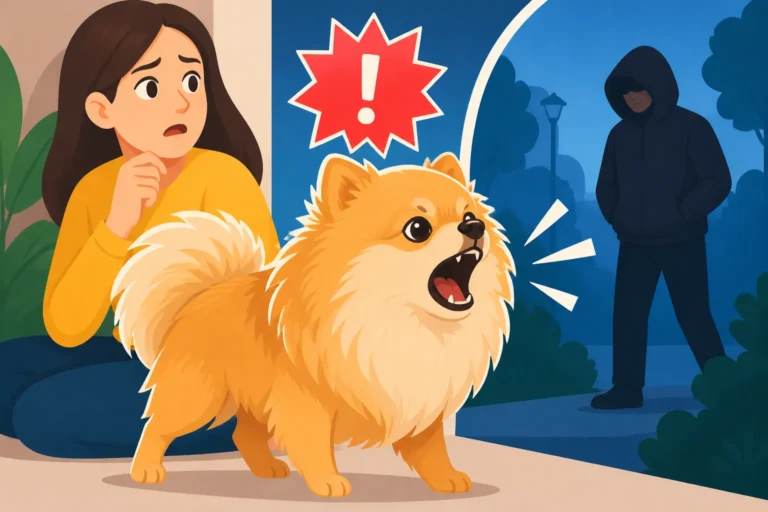
Pomeranian barking behavior stems from Spitz watchdog instincts, explaining why these small dogs loudly announce strangers at doors.

Pomeranian fragility in busy homes, physical vulnerabilities, patellar luxation, tracheal collapse risks, and safe handling strategies for families.

Pomeranian grooming for retirees demands daily brushing, baths every two to four weeks, nail care, and routine trims to prevent painful mats.

Pomeranian noise sensitivity and reactivity explained, detailing acute hearing and breed instincts that trigger barking and anxiety.
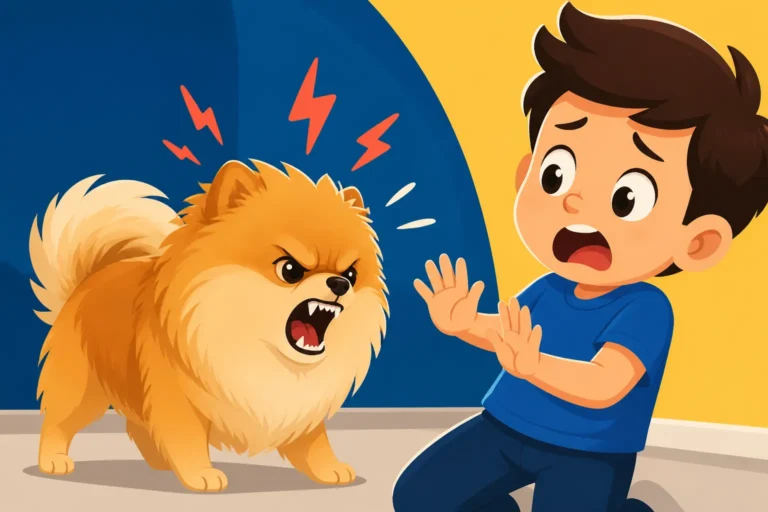
Pomeranian growling around visiting children stems from fear, lack of socialization, or resource guarding, requiring proactive environmental management.
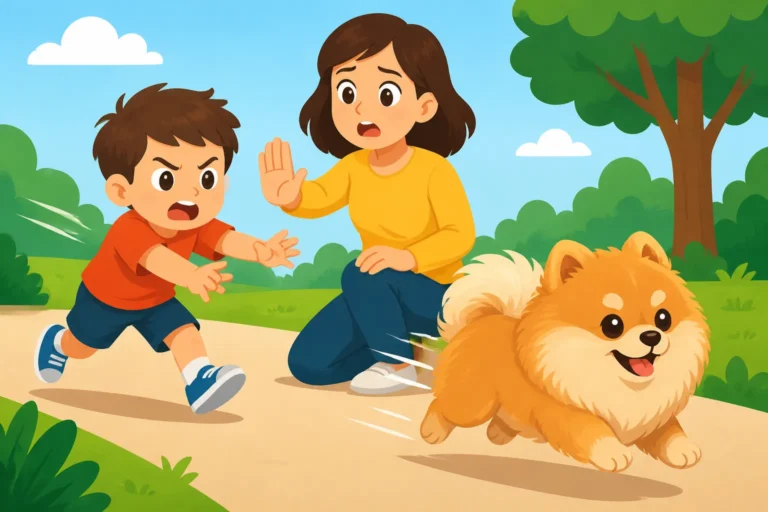
Teaching children how to safely and respectfully interact with Pomeranians prevents fear, stress, and accidental physical injuries.

Pomeranian holding preferences, body language, and early socialization methods determine if these small dogs enjoy being cuddled.
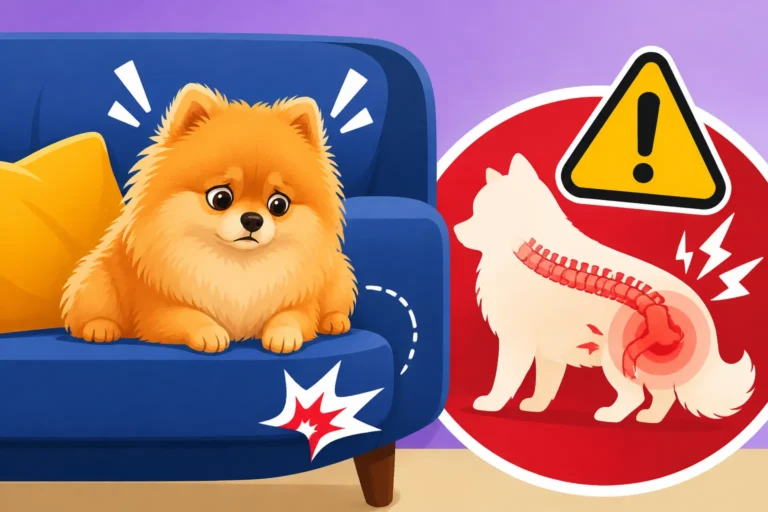
Unsupervised sofa heights create severe bone fracture, head injury, and slipping kneecap risks for tiny four or five pound Pomeranians.

Pomeranian safety around a crawling baby involves understanding delicate physical fragility and managing home spaces securely.