How Small a Pomeranian Puppy’s Bladder Is
Pomeranian puppy bladder anatomy and fast metabolism explain why young dogs need frequent potty breaks during house training.
Work with the temperament you have.
House-training and crate work, recall, leash manners, separation anxiety, and the behaviors this breed is wired for.

Pomeranian puppy bladder anatomy and fast metabolism explain why young dogs need frequent potty breaks during house training.
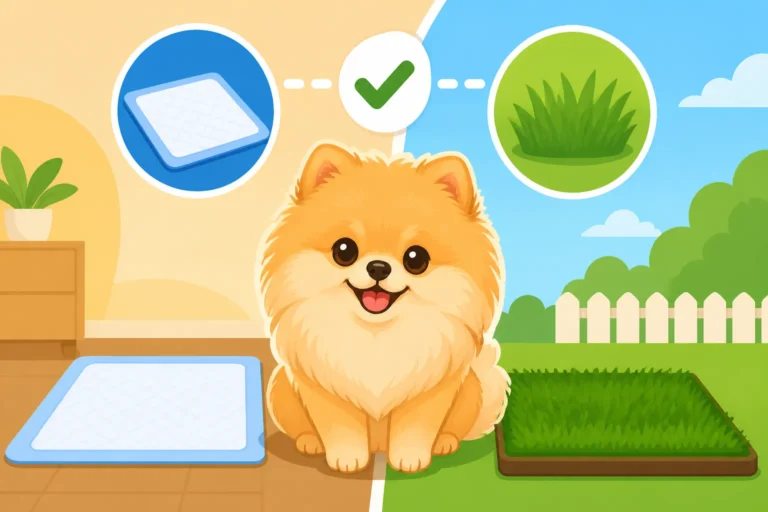
Potty training a Pomeranian puppy with both indoor pads and outdoor grass presents benefits for tiny bladders and challenges regarding confusion.

Cold weather impacts Pomeranian training by causing outdoor reluctance, indoor accidents, and reduced exercise, affecting motivation and focus.
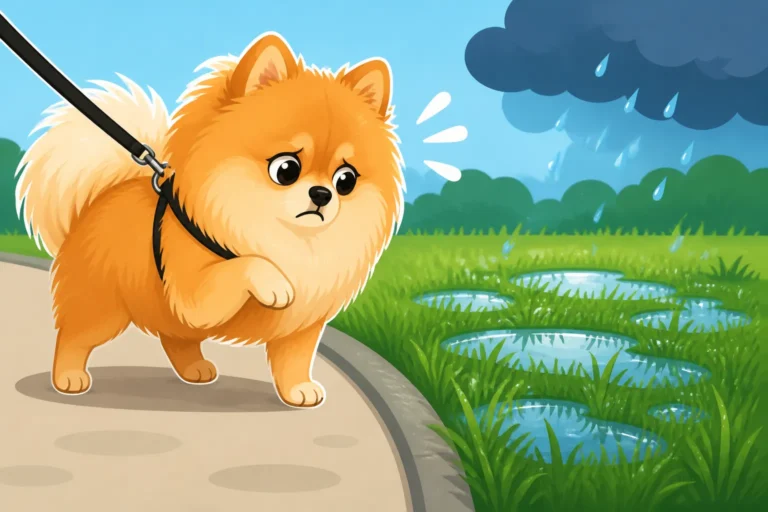
Pomeranian aversion to damp grass stems from sensitive paws, heavy double coats, and negative environmental associations.
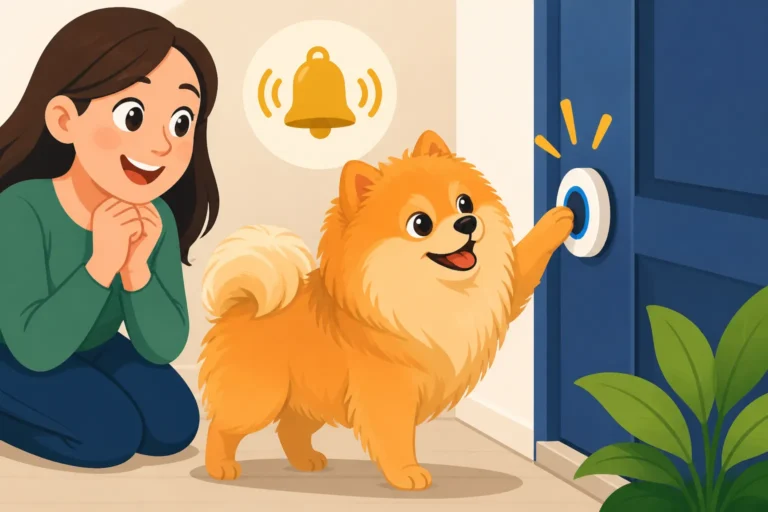
Pomeranian doorbell training teaches calm responses to barking triggers using a place command and consistent management strategies.
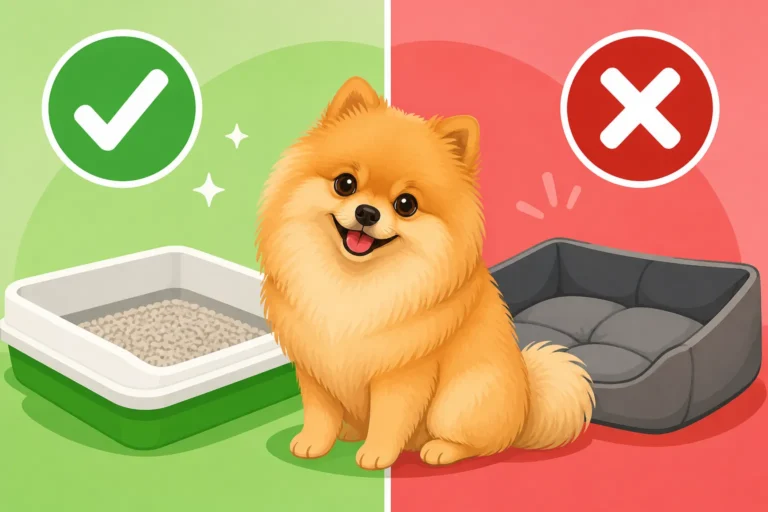
Pomeranian house training challenges and indoor dog litter box use for tiny bladders, bad weather, and apartment living.
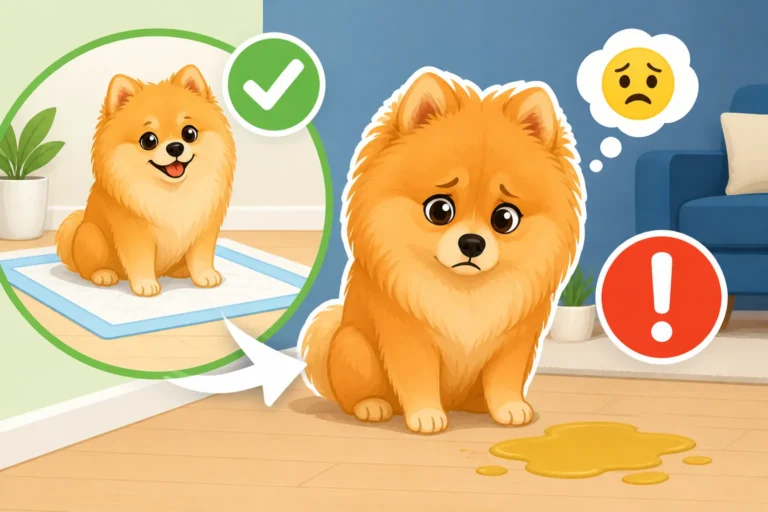
House-trained Pomeranians having sudden indoor accidents might be experiencing urinary tract infections, diabetes, or arthritis pain.
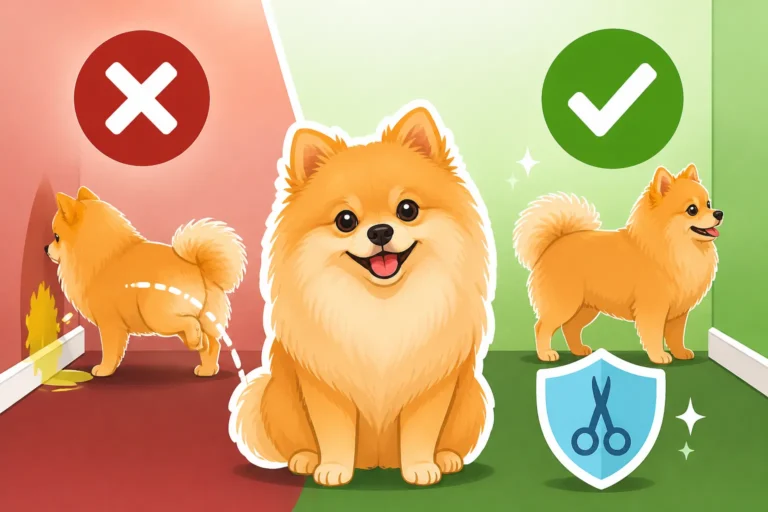
Neutering male Pomeranians and understanding how testosterone hormones influence territorial urine marking behavior inside the home.
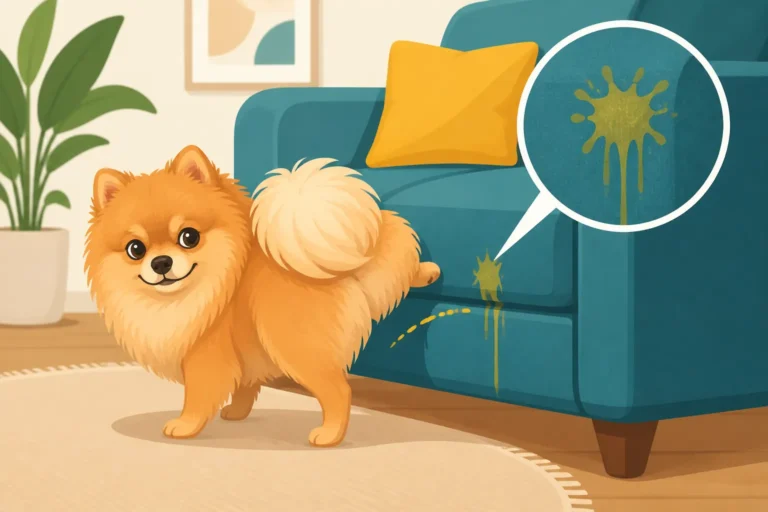
Male Pomeranian furniture marking stems from instinct, hormones, and anxiety, explaining why dogs mark and how to stop it.

Pomeranian puppy bladder development determines when toy breed dogs gain physical control for reliable indoor house training.