Bringing Up a Pomeranian Puppy Its First Year
Pomeranian puppy care during the first twelve months includes creating a safe zone, scheduling frequent potty breaks, and arranging an early vet visit.
Work with the temperament you have.
House-training and crate work, recall, leash manners, separation anxiety, and the behaviors this breed is wired for.

Pomeranian puppy care during the first twelve months includes creating a safe zone, scheduling frequent potty breaks, and arranging an early vet visit.
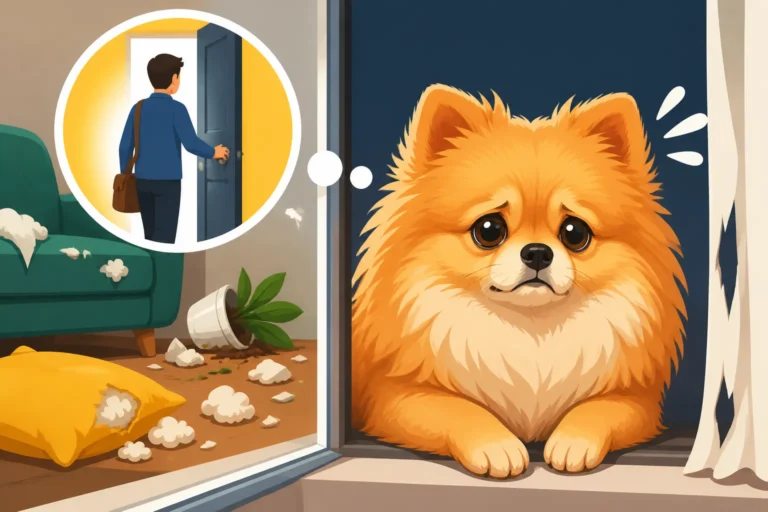
Separation anxiety in Pomeranians triggers distress and destructive behaviors, but understanding root causes helps your dog feel safe.

Pomeranian intelligence stems from northern Spitz ancestors, explaining why these small dogs learn quickly and think independently.
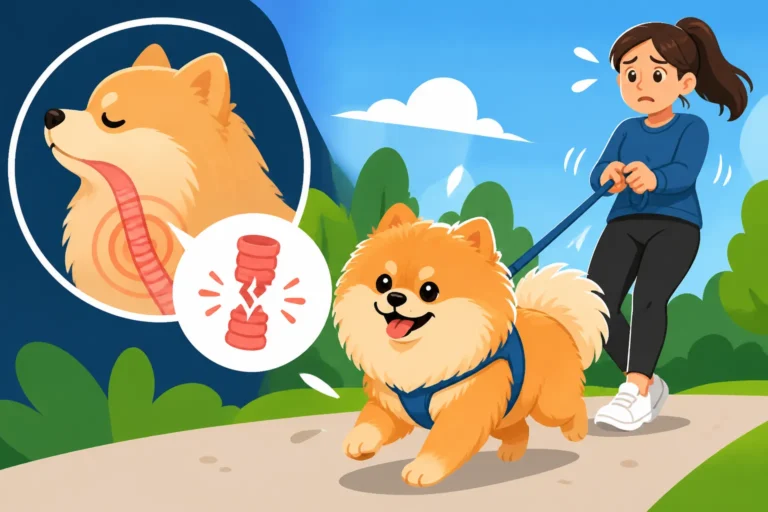
Tracheal collapse in Pomeranians causes honking coughs, making safe leash walks vital for preventing dangerous airway pressure.

Five pound Pomeranians interacting with large dogs face risks of accidental injury and predatory instincts from size disparities.

Fragile Pomeranians weighing three to seven pounds face severe injury risks and fear-based reactions from toddlers in shared homes.

Constant carrying of Pomeranians creates behavioral challenges, preventing independence, hindering socialization, and causing severe codependency issues.
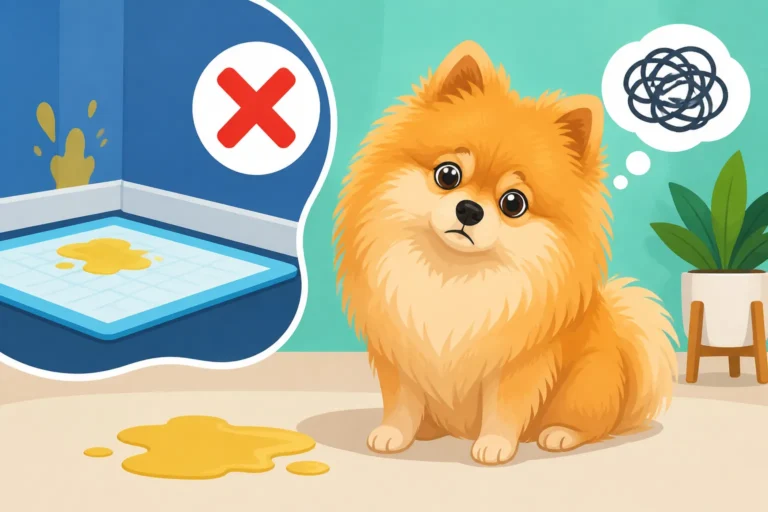
Pomeranian house training challenges, small accidents, and strong personalities explain why puppy potty training takes so long.
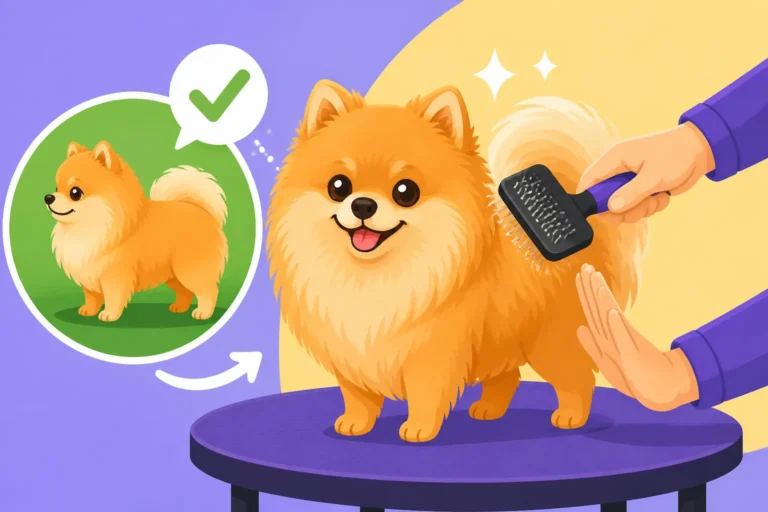
Training a Pomeranian to stand still for brushing using early exposure, positive association, gentle handling, and trust building.
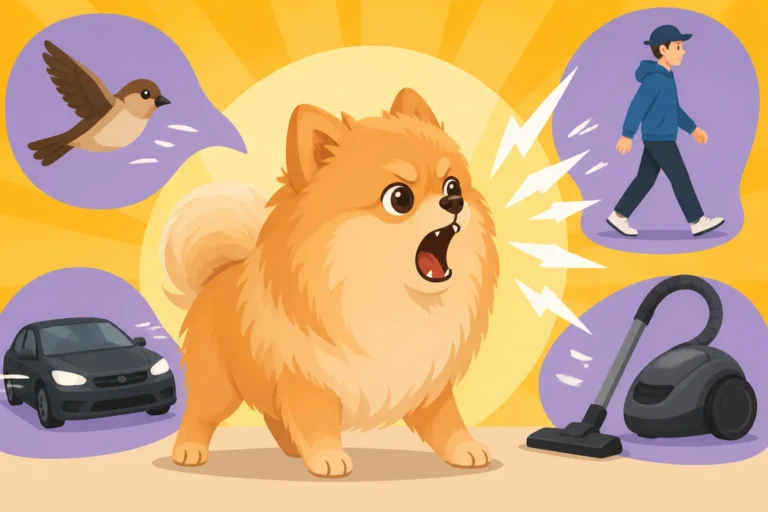
Pomeranian barking triggered by watchdog instincts, Spitz heritage, and keen sensory sensitivity explains excessive vocal alerts.