A Pomeranian That Guards a Toy From the Family
Resource guarding in Pomeranians explains why your dog protects toys, details early warning signs, and teaches you to manage possession aggression.
Work with the temperament you have.
House-training and crate work, recall, leash manners, separation anxiety, and the behaviors this breed is wired for.
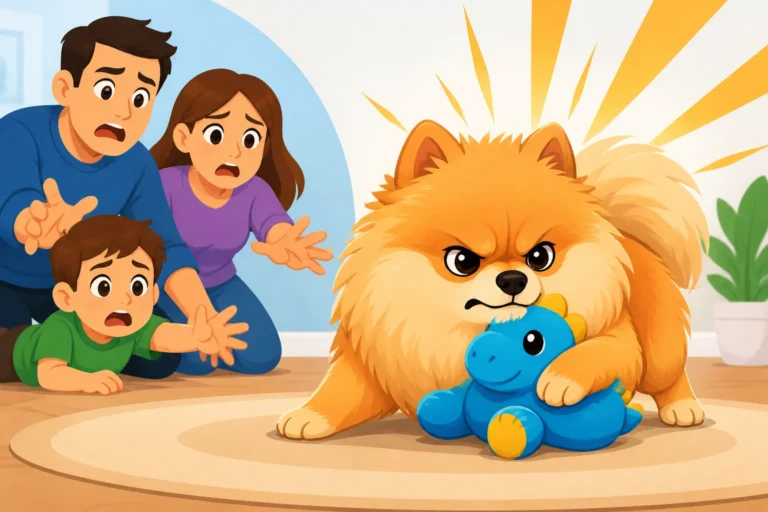
Resource guarding in Pomeranians explains why your dog protects toys, details early warning signs, and teaches you to manage possession aggression.

Pomeranian lap guarding stems from natural instinct and learned behaviors, which owners can manage effectively to keep homes safe.
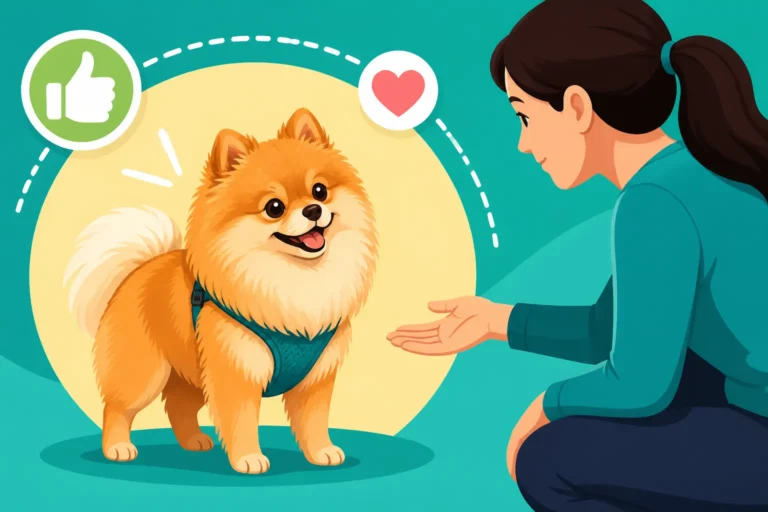
Teaching Pomeranians to accept friendly human approaches reduces fear and aggression while building confidence around guests.

Pomeranian snapping when lifted stems from fear, past trauma, slipping kneecaps, or dental disease, requiring gentle training and veterinary care.
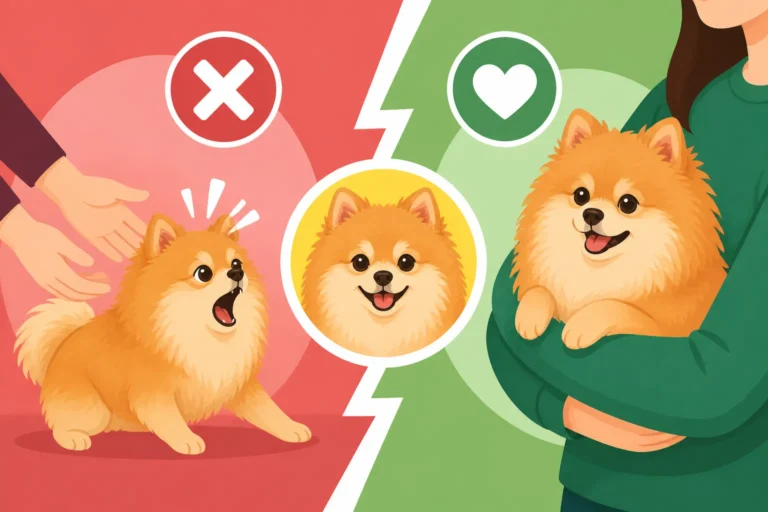
Pomeranian lifting habits and protective instincts can inadvertently reward unwanted barking and create dependent behavioral patterns.

Pomeranian overnight bladder control depends on puppy age, development, and external factors like diet and water schedules.
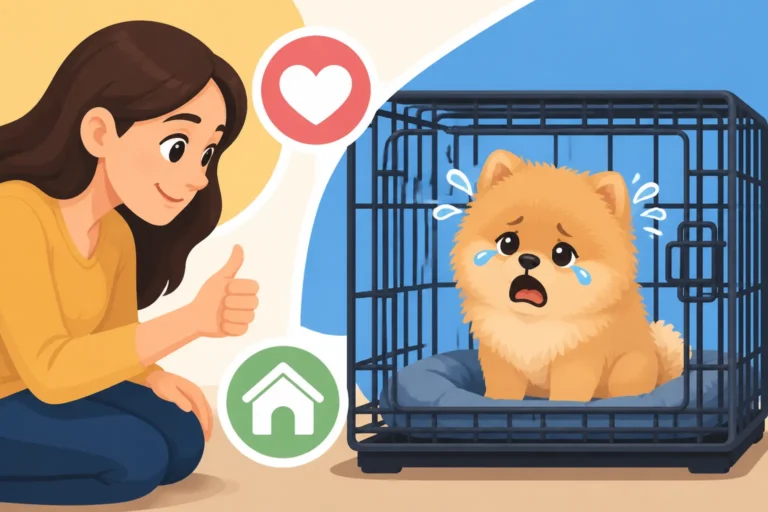
Pomeranian puppy crate crying requires understanding natural instincts, fear of isolation, and separation anxiety to help them feel safe.

Fear of unfamiliar sensations, a heavy soaked double coat and loud running water explain why these fluffy dogs resist baths and rain; gentle steps help.
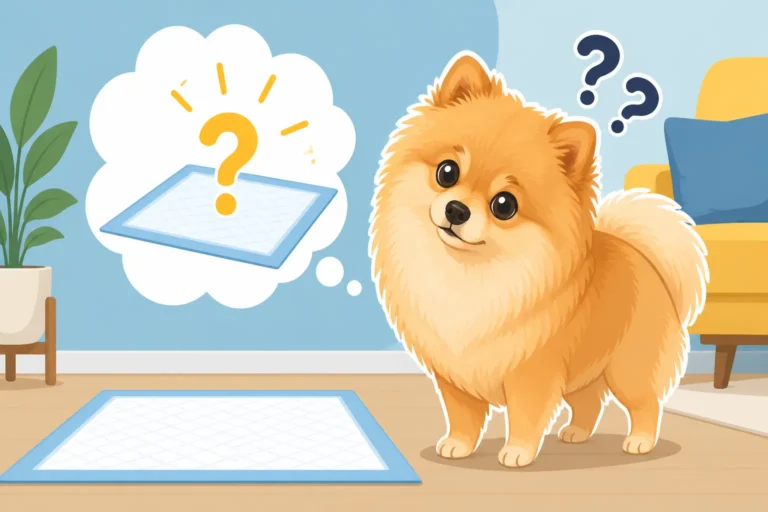
Indoor potty pads for Pomeranians create mixed signals during house training, often hindering long-term outdoor success.

House training a Pomeranian takes months rather than weeks due to tiny bladders, high metabolisms, and independent temperaments.