Recognizing a Hypoglycemic Pomeranian
Hypoglycemia in Pomeranians causes disorientation and weakness, explaining why small breeds experience dangerous drops in blood sugar.

Hypoglycemia in Pomeranians causes disorientation and weakness, explaining why small breeds experience dangerous drops in blood sugar.

Pomeranian puppy feeding schedules and routines prevent dangerous hypoglycemia by maintaining constant energy supplies for tiny dogs.
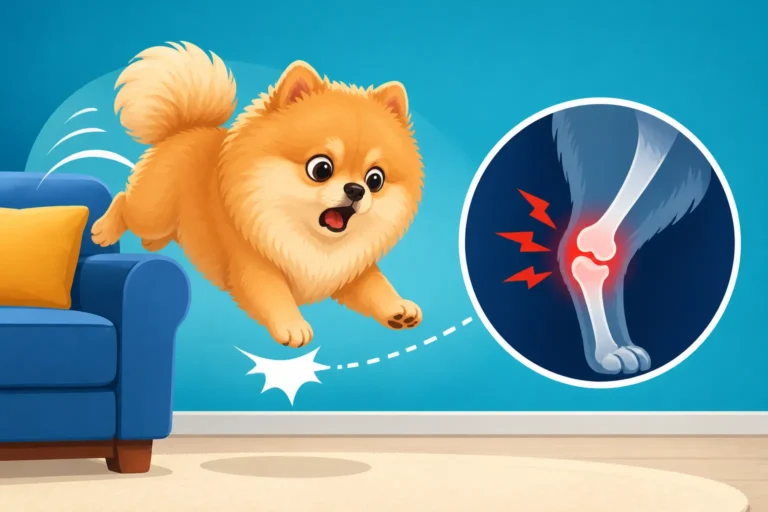
Pomeranian knee joint injuries and patellar luxation risks caused by jumping off furniture, plus methods to protect toy breeds.
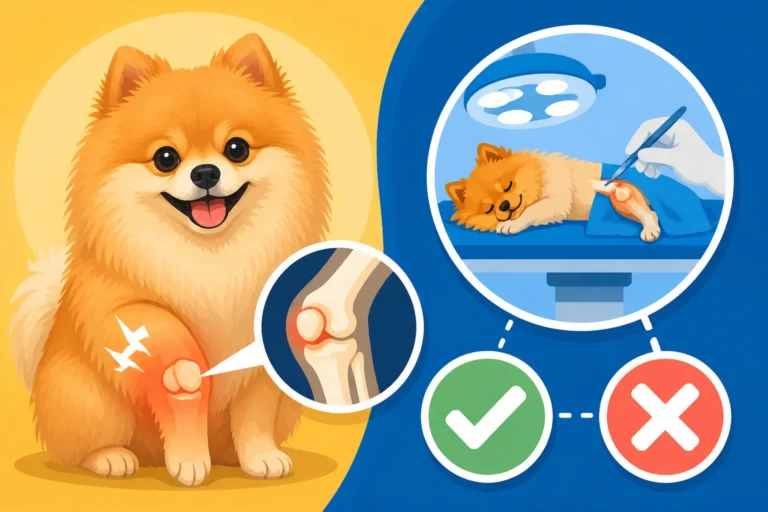
Luxating patella grades in Pomeranians help determine surgical needs for slipped kneecaps, medial luxation, and joint mobility issues.
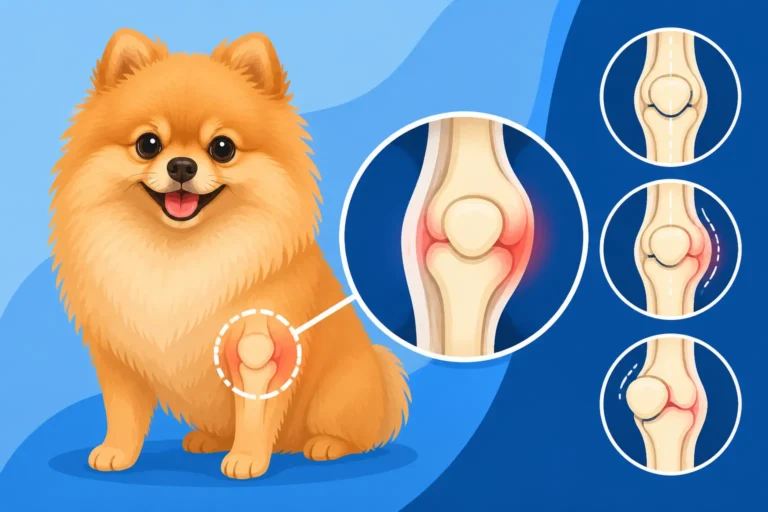
Patellar luxation grades in Pomeranians explain how veterinarians assess kneecap slippage severity and guide treatment options.
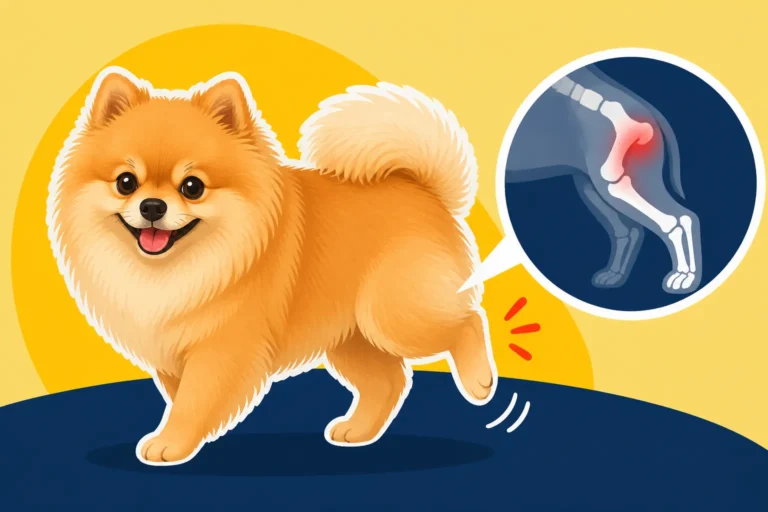
Patellar luxation in Pomeranians causes a sudden skip in the back leg when the kneecap slips from the trochlear groove.

Tracheal collapse in Pomeranians causes a honking cough, but non-surgical management helps dogs breathe comfortably without invasive procedures.
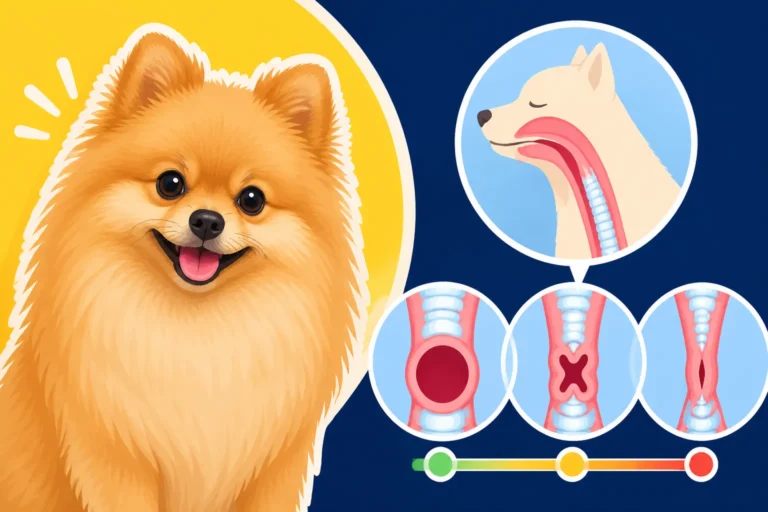
Veterinary grading scales for Pomeranian tracheal collapse define windpipe narrowing stages to guide proper treatment options.
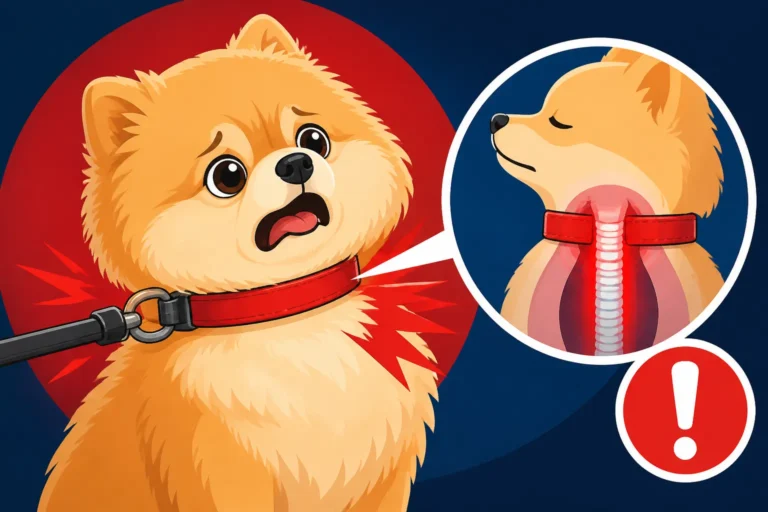
Pomeranian windpipe damage from collars causes tracheal collapse because toy breeds have weak C-shaped cartilage rings supporting the delicate airway.

Pomeranian tracheal collapse causes a dry, harsh goose honk cough when weakened windpipe cartilage rings flatten during breathing.