The Year a Pomeranian Starts Needing More
Pomeranian aging signs begin at age seven or eight, marking the transition from adulthood to maturity and changing daily care needs.

Pomeranian aging signs begin at age seven or eight, marking the transition from adulthood to maturity and changing daily care needs.

Teacup Pomeranian breeding practices cause severe health challenges for dogs weighing under three pounds instead of the standard three to seven.

Common Pomeranian eye conditions include cataracts, which cause cloudy lenses, blurred vision, and potential blindness requiring surgical removal.
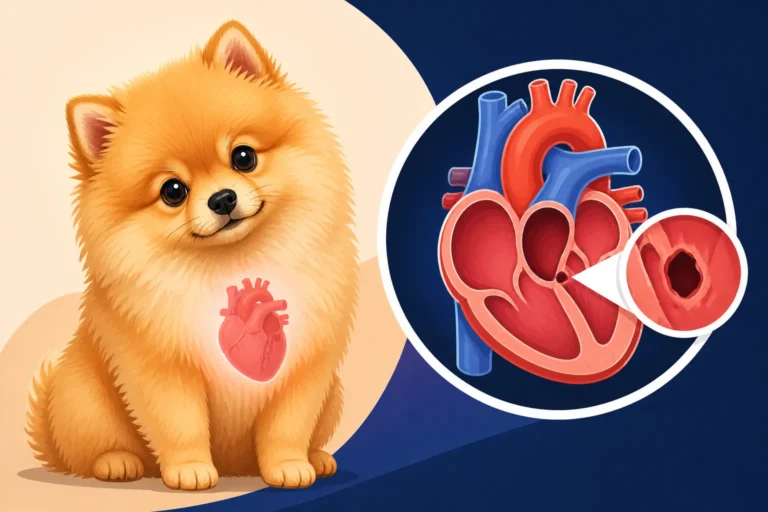
Common congenital heart defects in Pomeranian puppies cause murmurs, requiring veterinary grading, careful investigation, and genetic screening knowledge.
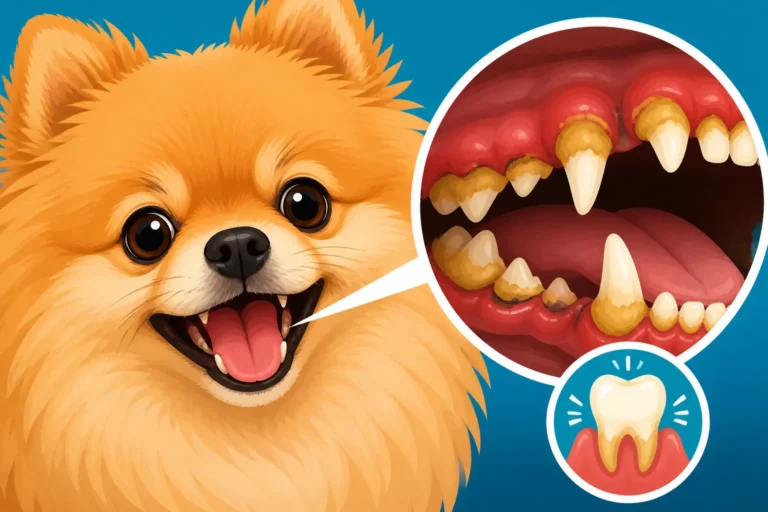
Pomeranian dental disease stems from small jaws, crowded teeth, and retained puppy canines that trap bacteria, causing severe plaque buildup.
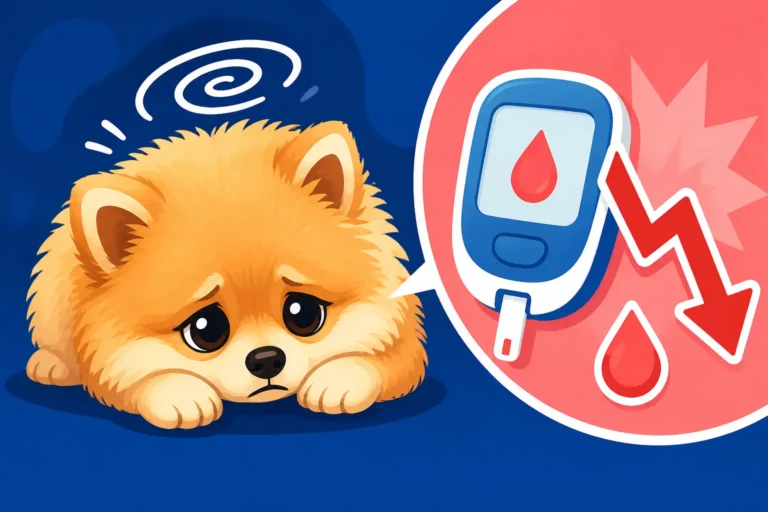
Hypoglycemia in Pomeranian puppies causes sudden weakness, requiring emergency responses and frequent meals to prevent dangerous glucose drops.

Patellar luxation causes a Pomeranian kneecap to dislocate from the femur groove, leading to lameness and four severity grades.

Tracheal collapse in Pomeranians causes a honking cough from cartilage weakness, detailed here through four severity grades.

Alopecia X in Pomeranians causes hair loss and darkened skin, explaining symptoms, diagnoses, treatments, and care methods.

Pomeranian lifespan spans twelve to sixteen years, influenced by genetics, nutrition, weight management, and preventative veterinary care.