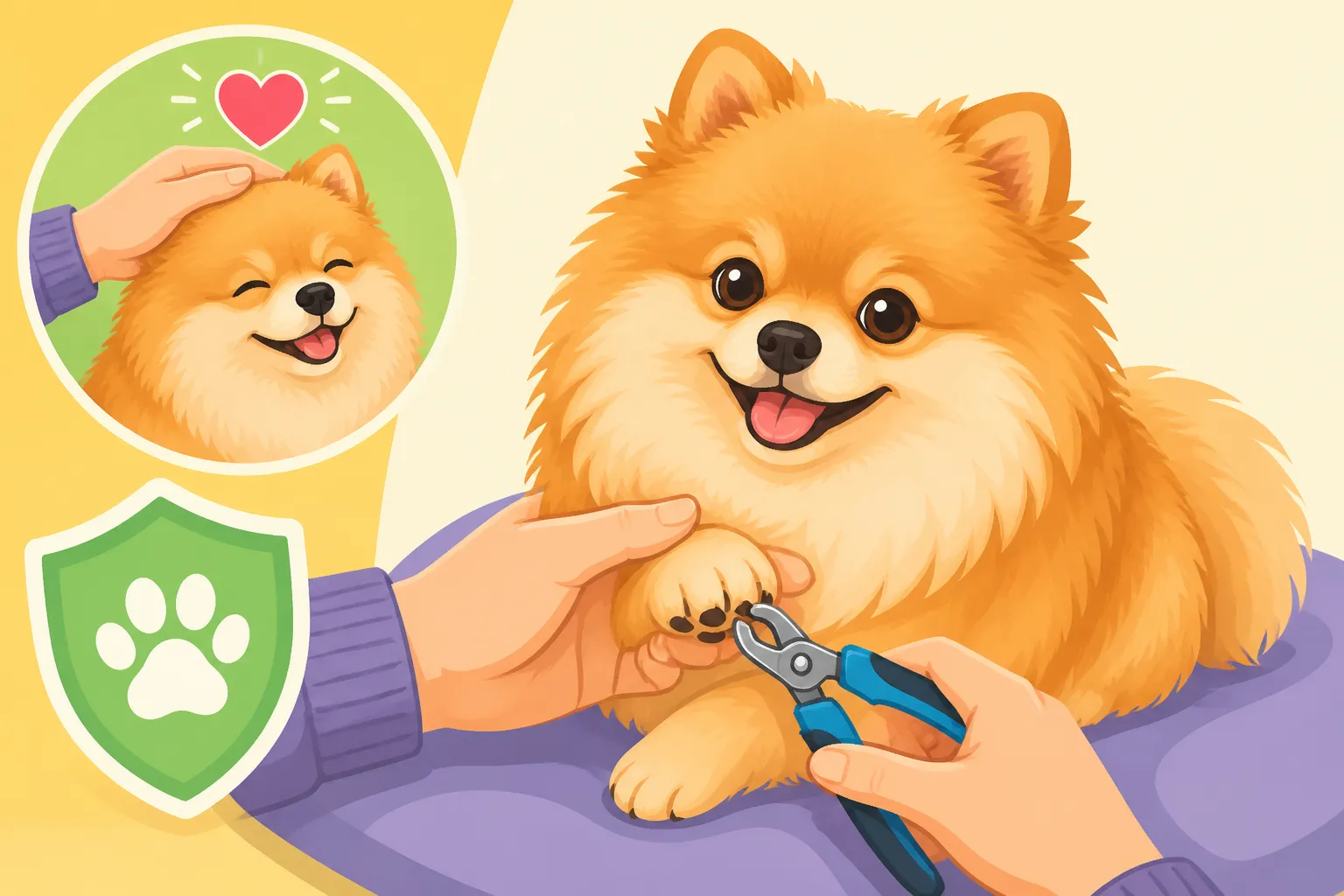
Teaching a Pomeranian to Accept Nail Trims
It’s a scenario many Pomeranian parents know all too well: the dreaded nail trim. You try to wrangle your tiny, fluffy companion, and it turns into a wrestling match worthy of an Olympic medal. The barks, the squirming, the sheer terror in their little eyes—it’s enough to make anyone want to throw in the towel and just let those tiny claws grow. But overgrown nails aren't just an aesthetic issue; they can lead to pain, discomfort, and even serious health problems for your beloved Pom. This comprehensive guide is here to walk you through a kind, patient, and effective approach to teaching your Pomeranian to not just tolerate, but actually accept, having their nails trimmed.
Understanding Why Nail Trims Are So Difficult for Pomeranians
Before we can teach our Poms to be calm, we need to understand why they react the way they do. It’s not about spite or stubbornness; it’s almost always rooted in fear, discomfort, or a lack of positive association.
The Sensitivity of Their Paws
Pomeranians are small, delicate creatures, and their paws are no exception. Imagine having someone approach your hand with a giant, unfamiliar tool, ready to clip something you can feel deep inside your finger. That's a bit like what it's like for them. Their paw pads are highly sensitive, packed with nerves, and the quick (the pink part containing blood vessels and nerves) runs relatively close to the tip of the nail, especially on dark nails where it's hard to see. A tiny miscalculation, a little too much pressure, or even just the unfamiliar sensation can be genuinely startling or even painful.
Furthermore, a Pomeranian’s delicate bone structure means they are very aware of how their paws are handled. They use their paws for balance, for exploring, and for playing. Any perceived threat to this crucial part of their anatomy can trigger a strong defensive reaction. It’s instinctual for them to protect their feet, and if they haven’t learned that handling means good things, they’re going to resist.
Negative Past Experiences and Fear
Just one bad experience can set back nail trim training significantly, sometimes for months or even years. Perhaps the quick was accidentally cut, causing pain and bleeding. The memory of that sharp sting, coupled with the sight or sound of the clippers, can create a lasting phobia. Or maybe they were simply held too tightly, or the process was rushed, leading to fear and anxiety. Even if you haven't had a bad experience, a previous owner or even a groomer might have, and your Pom carries that trauma with them.
The tools themselves can be intimidating. The sharp "snip" of nail clippers can be alarming, especially to a small dog with acute hearing. And don't even get me started on the vibrating, whirring sound of a nail grinder! For many Poms, these sounds are enough to send them scurrying under the nearest piece of furniture. It’s not just the physical act; it’s the entire sensory experience that can trigger panic. This is often why a Pomeranian might tolerate a paw touch, but the moment the clippers appear, all hell breaks loose.
Lack of Early Desensitization
One of the biggest reasons Poms struggle with nail trims is that they weren't introduced to paw handling and grooming tools early enough or in a positive way. Puppyhood is a critical window for socialization and desensitization. If a Pomeranian puppy isn't regularly handled, their paws massaged, and clippers (or a grinder) aren't introduced as neutral or even positive objects from a young age, they're much more likely to develop an aversion.
Think of it this way: if you only ever picked up your Pom to trim their nails, they would quickly associate being picked up with the unpleasant experience that follows. Without consistent, gentle handling and positive reinforcement from the start, it becomes a much steeper hill to climb later on. Many owners, understandably, avoid the struggle, which only exacerbates the problem as the nails continue to grow, making future trims even more urgent and difficult. It’s a vicious cycle that requires a deliberate, patient approach to break.
Essential Tools and Preparation for a Stress-Free Trim
Successfully teaching your Pomeranian to accept nail trims isn't just about technique; it's also about having the right tools and creating the right environment. Rushing into it with ill-suited equipment or in a chaotic setting is a recipe for disaster.
Choosing the Right Nail Clippers or Grinder
This is often the first hurdle. For Pomeranians, with their small paws and often dark nails, precision is key.
- Scissor-style clippers: These are often preferred for small breeds as they offer good control. Brands like Millers Forge or Safari make small, sharp scissor clippers. The key is that they are sharp – dull clippers can crush the nail, causing pain even if you don't hit the quick.
- Guillotine clippers: While popular for larger dogs, these can sometimes be cumbersome for tiny Pomeranian paws, making it harder to get a precise cut without twisting the paw uncomfortably. I generally recommend avoiding these for Poms.
- Nail Grinders: These battery-operated tools file the nail down slowly. They eliminate the sharp "snip" sound and reduce the risk of cutting the quick. However, they introduce a new challenge: the sound and vibration. Some Poms tolerate the grinder better, while others are terrified of the noise. If you opt for a grinder, look for quiet models designed for small pets. They are readily available on platforms like Amazon, where you can read reviews about noise levels. A Dremel Micro or a simple cordless pet grinder can work wonders if your Pom accepts the sound. I've found that for many Poms, a grinder can actually be less traumatic if you've taken the time to desensitize them to the sound.
Whichever tool you choose, ensure it's clean and in good working order. A dull clipper is painful, and a faulty grinder is ineffective.
Gathering Your Supplies and Setting the Scene
Preparation is paramount. A calm, controlled environment makes a huge difference.
- High-Value Treats: Forget the regular kibble! You need something your Pomeranian absolutely adores. Think small pieces of cooked chicken, cheese, peanut butter (xylitol-free!), or special soft training treats. These treats will be your primary communication tool, telling your Pom, "This is a good experience!"
- Styptic Powder: This is non-negotiable. Even the most experienced trimmer can nick the quick. Having styptic powder (like Kwik Stop) readily available ensures you can quickly stop any bleeding and minimize your Pom's distress. Keep it within arm's reach. Cutting the Quick on a Pomeranian's Nail explains why this is so important.
- Towel or Blanket: A soft, familiar towel can provide comfort and a non-slip surface. You might even use it to gently swaddle your Pom if they're particularly squirmy, but only if it doesn't increase their anxiety. The goal is comfort, not restraint.
- Good Lighting: You need to see clearly, especially if your Pomeranian has dark nails. Natural light near a window or a bright task light can help you distinguish the quick.
- A Calm, Quiet Space: Choose a time when your home is quiet and you're relaxed. Avoid busy times with lots of distractions. Sit on the floor, on a comfortable couch, or at a table with good ergonomics for you and your Pom. The goal is to make it a calm, positive experience, not a wrestling match. If you’re tense, your Pom will pick up on it immediately.
The Role of High-Value Rewards
I cannot stress this enough: high-value rewards are the cornerstone of successful desensitization and counter-conditioning for nail trims. This isn't just about bribing your dog; it's about changing their emotional response to an activity they currently fear or dislike.
When your Pom associates the presence of clippers, the sound of the grinder, or the touch of their paw with incredibly delicious treats, their emotional state begins to shift from fear to anticipation and even enjoyment. The treat becomes a predictor of good things, overriding the negative associations.
Examples of truly high-value treats for a Pomeranian might include:
- Tiny bits of cooked lean meat (chicken, turkey)
- Small dollops of spray cheese or peanut butter licked off a spoon
- Pieces of hard-boiled egg
- Soft, smelly training treats they only get for "hard tasks"
The key is to use treats that are so good they momentarily distract your Pom from their discomfort and make them want to participate. If they turn their nose up at the treat, it's not high-value enough, or they're too stressed to eat. In that case, you need to back up and work on reducing their anxiety before proceeding. Consistency with these rewards, even for tiny steps, will eventually build a strong positive association.
A Step-by-Step Desensitization and Counter-Conditioning Plan
This isn't a quick fix. It's a gradual process designed to change your Pomeranian's emotional response to nail trims from fear to acceptance. Patience is your most important tool.
Phase 1: Handling Paws and Introduction to Tools (Without Trimming)
The first step is simply getting your Pomeranian comfortable with having their paws handled and seeing the grooming tools. This phase should be done daily, in short, positive sessions of just 1-2 minutes.
- Gentle Paw Touches: Start by simply touching your Pom's leg and paw for a second, then immediately give a high-value treat. Repeat several times. Don't grab or hold; just touch and reward. If your Pom pulls away, lighten your touch or move to a less sensitive area (like the shoulder) and gradually work your way down.
- Increased Duration: Once touching is accepted, start holding the paw gently for a second or two, then release and treat. Gradually increase the duration. Aim to be able to hold each paw for 5-10 seconds comfortably. Focus on making it a pleasant experience, almost like a massage. You want your Pom to lean into the touch, not pull away.
- Introduce the Tools Visually: Place the clippers or grinder on the floor a few feet away from your Pom. Every time your Pom looks at it (without showing fear), give a treat. The goal is for them to see the tool and think, "Oh, good things happen when that's around!" Don't touch them with it yet.
- Introduce the Sound (for grinders): If using a grinder, turn it on briefly across the room, then immediately turn it off and give a treat. Gradually decrease the distance, always pairing the sound with a treat. Never force them to stay if they show signs of distress. If using clippers, make the "snip" sound briefly, away from their paw, then treat. Many Poms are wary of Whether the Noise of a Grinder Upsets a Pomeranian, so this step is vital.
Remember, each session should end on a positive note. If your Pom gets stressed, stop and try again later or the next day, going back to a step they were comfortable with. Online training platforms, like those offered by BAXTER & Bella, often provide structured desensitization exercises that can be incredibly helpful for this stage, breaking it down into even smaller, manageable steps.
Phase 2: Touching Nails and Mimicking the Action
Once your Pom is relaxed with paw handling and the presence/sound of the tools, you can move closer to the actual trimming.
- Touch Nails with Fingers: With your Pom's paw in your hand, gently touch each individual nail with your finger. Treat each successful touch. Lift each toe gently, one at a time, just enough to expose the nail. Treat.
- Touch Nails with the Tool (Off): Take your chosen tool (clippers or grinder). With the tool off, gently touch the tip of one nail with the tool. Immediately treat. Do this for each nail, one by one. The idea is to associate the feel of the tool on their nail with a treat.
- Mimic the Clipping/Grinding Action (No Contact): Hold the tool near the nail, as if you're about to trim, but don't actually make contact or perform the action. Just hold it there for a second, then remove it and treat. For clippers, gently squeeze the handles to make the "snip" sound away from the nail. For grinders, turn it on near the nail (but not touching), then off, then treat. The goal is to get them accustomed to the sensation and anticipation without actually performing the trim.
Keep these sessions short and sweet. The moment your Pomeranian shows any signs of discomfort—pulling away, licking lips excessively, yawning, panting, or tensing up—stop and reassess. You may need to go back to an easier step or reduce the duration. This is about building trust, not conquering.
Phase 3: The First Tiny Clip or Grind
This is where all your hard work pays off. The goal here is not to trim all the nails in one go, but to successfully trim one tiny bit of one nail and make it a super positive experience.
- One Nail at a Time: Pick one nail—often a front paw is easier, or one you know is overgrown and safer to trim. Gently hold the paw, separate the toe, and with the clippers, take off just the tiniest tip of the nail. If using a grinder, touch the tip of one nail for a split second.
- Immediate Reward: The instant you perform the action, lavish your Pom with praise and the highest-value treat you have. Make a huge fuss! You want them to think, "Wow, that tiny touch of the thing leads to this amazing reward!"
- Stop There: Seriously, just one nail. Or even half a nail. Your first few "trimming" sessions might literally consist of trimming only one or two nails, then stopping. The aim is to build positive associations, not to get all the nails done. You can do another nail in a few hours, or the next day.
- Handling a Quick: If you accidentally nick the quick, don't panic. Apply styptic powder firmly to the bleeding nail. Comfort your Pom, and do not proceed with any more trimming that day. End the session, even if it wasn't on a perfect note, and allow them to recover. Revisit step one of Phase 1 the next day, rebuilding trust slowly. This is where Nails, Ears and Feet on a Toy Sized Pomeranian becomes invaluable for knowing what to look for.
Over time, as your Pomeranian associates the trimming action with treats and positive reinforcement, you can gradually increase the number of nails you trim in one session. Always prioritize positive reinforcement and comfort over speed or completeness.
Maintaining Progress and Overcoming Setbacks
Teaching your Pomeranian to accept nail trims is a marathon, not a sprint. It's a skill that requires ongoing commitment and understanding, much like Teaching a Pomeranian to Accept a Toothbrush or Building a Pomeranian's Tolerance for Combing Mats.
Consistency and Patience are Key
You simply cannot expect a fearful Pomeranian to become a nail-trimming champion overnight. This is a journey that could take weeks or even months, depending on their individual temperament and past experiences. The most important thing you can do is be consistent with your positive reinforcement sessions. Even if you're not doing a full trim, continue with daily paw handling, touching nails, and pairing these actions with treats. This routine reinforces the positive association.
Patience is equally vital. There will be days when your Pom seems to regress, refusing to cooperate or showing renewed fear. Don't get frustrated or angry. Your Pom isn't trying to be difficult; they're likely genuinely anxious. Pushing them too hard will only undo your progress and erode the trust you've built. Take a deep breath, go back to an earlier step where they felt comfortable, and slowly work your way forward again. Remember, the goal is long-term comfort, not a quick fix. Regular, positive exposure, even in small doses, is far more effective than infrequent, stressful struggles.
Professional Help vs. DIY
Sometimes, despite your best efforts, you might feel like you're not making headway, or perhaps your Pomeranian's fear is so ingrained that it feels insurmountable. This is where professional help can be invaluable.
- Veterinarian: Your vet or vet tech can often trim nails quickly and efficiently. For extremely fearful or aggressive Poms, a vet can even offer sedation for nail trims, which might be a good option if their nails are severely overgrown and causing pain. However, relying solely on sedation doesn't address the underlying fear, and Anesthesia Risk in a Four Pound Pomeranian is always a consideration for such small dogs.
- Professional Groomer: Many groomers are experienced in handling nervous dogs and use gentle techniques. They can often provide "maintenance trims" more frequently, helping to keep nails short. It's crucial to find a groomer who uses positive reinforcement and understands small dog behavior. Ask about their approach to fearful dogs and if you can observe a session. Groomers Who Refuse to Shave a Pomeranian or even difficult Poms might offer insights into finding a sympathetic professional.
- Certified Professional Dog Trainer/Behaviorist: If your Pom's fear is extreme, a trainer specializing in fear-based behaviors or a veterinary behaviorist can provide tailored strategies and hands-on guidance. They can help you identify subtle stress signals and teach you advanced counter-conditioning techniques. This might be a worthwhile investment for a truly phobic Pom.
While professional help can be beneficial, it's still important to continue your positive desensitization work at home between appointments. This helps maintain the progress made and prevents your Pom from solely associating nail trims with stressful vet or groomer visits. Remember that What a Pomeranian Nail Trim Costs on Its Own can add up if you're relying purely on external services.
Addressing Specific Challenges (e.g., barking, biting)
What if your Pomeranian isn't just squirming, but actively barking, growling, or even attempting to bite during nail trims? These are clear signals of extreme distress and fear.
- Barking/Growling: If your Pom barks or growls, it's their way of saying, "Stop! I'm uncomfortable!" Do not punish this. Instead, immediately stop what you're doing, allow them to calm down, and then return to an easier step in the desensitization process. You might need to make the distance to the clippers even greater or just focus on simple paw touches for a few sessions.
- Biting/Snapping: This is a serious indicator of fear and should never be ignored. If your Pom is attempting to bite, you've gone too far, too fast. For safety, consider consulting a professional. In the meantime, work on simple, non-threatening paw handling with a barrier if necessary (like wearing gloves, though this isn't a long-term solution). Never put yourself in a position to be bitten. It means your dog's anxiety is too high for the current step. The Month a Pomeranian Puppy Stops Nipping focuses on puppy behavior, but the principles of stopping unwanted behaviors through positive redirection apply here too.
- Excessive Licking/Yawning/Panting: These are often subtle signs of stress in dogs. If you see them, it's a cue to back off and make the situation easier for your Pom.
The key to overcoming these challenges is to understand that they are symptoms of fear, not defiance. Your approach must be rooted in empathy and positive reinforcement. Every small victory, every tiny step forward without a struggle, is a huge success. By taking the time to patiently desensitize and counter-condition your Pomeranian, you're not just getting their nails trimmed; you're building a stronger, more trusting bond with them and ensuring their overall well-being.
| Phase | Goal | Actions | Rewards & Environment |
|---|---|---|---|
| Phase 1: Foundation | Accept paw handling, neutral to tools. | – Gentle touches on legs/paws. – Hold paw briefly. – Tools visible, then sound. |
– High-value treats for any tolerance. – Calm, quiet space. |
| Phase 2: Preparation | Tolerate tools touching nails, mimicking action. | – Touch individual nails with fingers. – Touch nails with off tool. – Mimic clip/grind near nail (no actual trim). |
– Continuous high-value treats for each step. – Short, positive sessions. |
| Phase 3: The Trim | Accept one tiny clip/grind. | – Trim one tiny bit of one nail. – Stop. |
– HUGE celebration with highest-value treats. – End on a positive note. |
| Ongoing: Maintenance | Consistently accept regular trims. | – Repeat Phase 3 for 1-2 nails at a time, building up. – Consistent paw handling. |
– Regular high-value rewards. – Keep sessions positive and brief. |
Disclaimer
This article is for general informational purposes only and does not constitute professional advice. Laws, prices and regulations vary by location and change over time. Consult a qualified professional for guidance on your specific situation.