Treats Small Enough for a Pomeranian
It's a familiar scene for so many Pomeranian parents: you're standing in the pet store aisle, overwhelmed by rows and rows of treats. Every package seems to be boasting about its deliciousness or health benefits, but then you look at the actual size of the morsels inside, and your heart sinks. Most treats are simply too large, too hard, or just plain inappropriate for our tiny, delicate Poms. This guide is here to help you navigate that often-frustrating landscape, ensuring your fluffy friend gets safe, enjoyable, and perfectly sized rewards.
Why Size Truly Matters for Your Pomeranian's Treats
When you have a dog as small and precious as a Pomeranian, every detail of their care takes on extra importance, and treats are no exception. It's not just about them enjoying the taste; it's about their safety, their overall health, and making sure the treat experience is always a positive one. Ignoring the size of a treat can lead to some serious problems that none of us want for our beloved companions.
The Choking Hazard and Digestive Risks
Let's be brutally honest: our Pomeranians have tiny mouths, tiny throats, and tiny digestive systems. What might be a perfectly acceptable bite for a Labrador could be a life-threatening choking hazard for a Pom. Imagine trying to swallow a golf ball! That's how a large, hard treat can feel to a small dog. Many commercial treats are designed for a general "small dog" category, which often includes breeds much larger than our Poms. A treat that a Beagle can chew might cause a Pomeranian to gag, struggle, or even get a piece lodged in their windpipe. This is a very real fear for many of us, and it’s why we worry so much about Whether a Pomeranian Can Choke on a Chew.
Beyond the immediate choking risk, oversized or overly hard treats can also pose digestive problems. A large chunk of an unfamiliar ingredient can upset a delicate Pomeranian stomach, leading to vomiting or diarrhea. Their digestive tracts are simply not equipped to break down big pieces of food, especially if they try to swallow them whole in their excitement. This is particularly true for very young puppies whose systems are still developing or senior Poms who might have a slower metabolism.
Portion Control and Weight Management
One of the biggest struggles we face as Pomeranian owners is keeping them at a healthy weight. They are so small that even a tiny extra treat can represent a significant percentage of their daily caloric intake. If you're giving a treat that's intended for a 10-pound dog to your 5-pound Pom, you're essentially doubling their treat allowance without even realizing it. Those calories add up quickly! This can be especially important to monitor as they age; sometimes, the first signs of aging include a bit of extra weight, which only makes existing health conditions harder to manage.
Obesity in Pomeranians can exacerbate many common health issues, such as The Honking Cough of a Pomeranian's Collapsing Windpipe or Slipping Kneecaps in a Five Pound Pomeranian. Every pound, every ounce, truly counts when your dog is only meant to weigh between The Three to Seven Pounds a Pomeranian Should Hold. By choosing appropriately small treats, or by breaking larger treats into tiny pieces, you have much better control over how many calories your Pom is consuming from rewards. This allows you to spoil them without inadvertently putting their health at risk. It also helps you understand How Little Food an Adult Pomeranian Needs in general, making it easier to balance meals and snacks.
Dental Health and Jaw Comfort
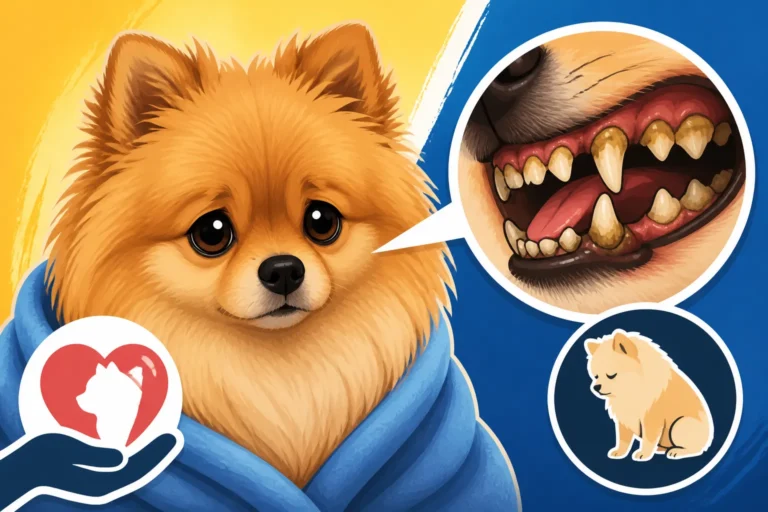
Pomeranians are notorious for dental problems, often due to their crowded little mouths. Dental Disease in a Mouth the Size of a Pomeranian's is a widespread issue, and the wrong kind of treat can actually make it worse. Very hard treats, especially large ones, can put undue stress on their tiny teeth and delicate jaws. We're talking about teeth that can chip or even break from too much force, and jaws that are simply not designed for aggressive gnawing on tough, oversized items.
On the other hand, treats that are too soft and sticky can contribute to plaque buildup if they aren't properly designed as dental aids. The ideal treat for a Pomeranian should be small enough to be chewed comfortably, without excessive strain, and either soft enough to be easily broken down or specifically formulated to help clean teeth with appropriate texture. Many of us try to be diligent with Daily Tooth Care in a Pomeranian's Crowded Mouth, and the right treats can either complement this effort or undermine it.
Navigating the Treat Aisle: What to Look For
Walking into a pet store or browsing online can feel like a labyrinth when you're specifically searching for Pomeranian-appropriate treats. Everything looks appealing, but the reality often falls short. Knowing exactly what characteristics to prioritize will save you time, money, and most importantly, keep your Pom happy and healthy. Brands like Chewy often have robust filtering options that can help you narrow down your search considerably, making it less overwhelming.
Identifying "Small Breed" or "Training" Treats
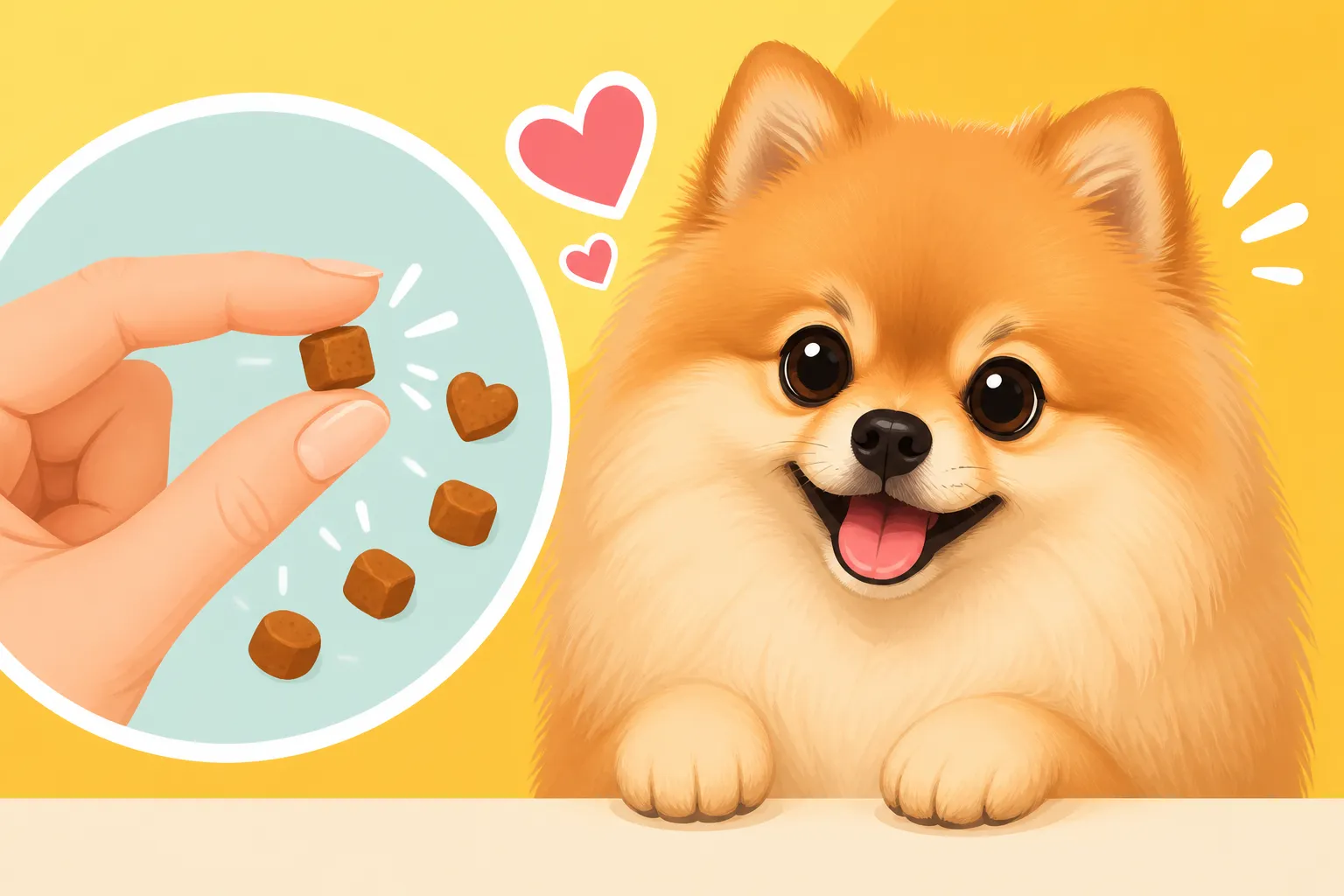
The good news is that many pet food manufacturers are becoming more aware of the needs of toy breeds. Look specifically for labels that say "small breed treats," "mini treats," or "training treats." These are generally designed to be smaller in size, often pea-sized or even smaller. Training treats, in particular, are fantastic because they are usually very low in calories and can be given frequently during training sessions without derailing your Pom's diet.
However, even within these categories, you still need to exercise caution. "Small breed" can sometimes mean a treat suitable for a Jack Russell Terrier, which is still significantly larger than a typical Pomeranian. Always visually inspect the treat size, if possible, or look for images on the packaging that show the actual scale. For instance, if you're looking at something online on a site like Chewy, make sure to read the product description for dimensions or compare them to a common object like a dime or a blueberry. Even better, check reviews from other small dog owners who might specify if they work for truly tiny dogs.
The Importance of Texture and Friability
Beyond just size, the texture of the treat is incredibly important for your Pomeranian. A treat can be small, but if it's as hard as a rock, it's still not ideal. Hard, dense treats can be tough on their tiny teeth and could potentially cause dental damage, as we discussed. What you want is something that is relatively soft, or at least easily broken apart.
"Friable" treats are those that crumble easily, which is perfect. You can take a slightly larger, yet friable, treat and break it into several pea-sized pieces. This not only makes it safer but also stretches your treat supply further. Soft, chewy treats are generally excellent for Pomeranians, as they are easier to chew and swallow. If you're considering a brand like Ollie for your dog's main food, you might find their softer, high-quality ingredients translate well into easy-to-break treat options. Just be mindful of anything overly sticky that could get lodged between their crowded teeth.
Reading Labels for Ingredient Quality
Just like with their main meals, the quality of ingredients in your Pomeranian's treats matters. Look for treats with whole, recognizable ingredients at the top of the list. Avoid treats with a long list of fillers, artificial colors, flavors, or preservatives. Our Poms are sensitive, and sometimes these additives can cause digestive upset or even allergic reactions.
Prioritize treats where the first ingredient is a named meat source (chicken, salmon, beef, etc.), followed by healthy fruits, vegetables, or grains. If you have a Pom with known sensitivities or allergies, finding limited-ingredient treats will be crucial. Remember, even if the treat is tiny, if it's full of junk, it's not truly a healthy reward. This ties directly into Feeding a Pomeranian That Weighs Five Pounds, where every calorie and nutrient counts in their small diet.
Beyond Store-Bought: DIY and Natural Options
Sometimes, the best treats aren't found in a fancy package at all. Taking matters into your own hands, whether by utilizing safe kitchen scraps or whipping up homemade goodies, gives you ultimate control over size, ingredients, and freshness. This can be a wonderful way to offer variety and ensure your Pomeranian is getting nothing but the best.
Kitchen Scraps and Single-Ingredient Wonders
Many everyday foods found in your kitchen can make excellent, perfectly sized treats for your Pomeranian, provided they are safe and given in moderation. Think of these as nature's mini treats.
Here are a few ideas:
- Cooked Chicken or Turkey: Small, plain pieces of cooked chicken or turkey breast (without skin or bones) are often a huge hit. They are soft, easy to chew, and very high-value for training.
- Steamed Green Beans or Carrots: Chop these into tiny, pea-sized pieces. Many Poms love the crunch of a raw carrot bit or the soft texture of a steamed green bean. They're low in calories and packed with nutrients.
- Small Fruit Pieces: Blueberries (whole or halved), tiny pieces of apple (without seeds or core), or banana slices can be delightful. Just be sure to research which fruits are safe and always offer them in very small portions.
- Plain Scrambled Egg: Cooked and crumbled egg is another high-value, easy-to-digest option.
The key here is moderation and ensuring these items are unseasoned and cooked appropriately. Always double-check The Doses That Are Toxic to a Pomeranian for any human foods you might consider offering. Things like onions, garlic, grapes, and chocolate are absolute no-gos.
Making Your Own Bite-Sized Delights
If you enjoy baking, making your own dog treats is a fantastic way to control ingredients and size. You can use mini cookie cutters or simply roll and cut dough into tiny squares or circles. There are countless recipes available online for dog-friendly treats using ingredients like peanut butter (xylitol-free!), pumpkin, oats, and whole wheat flour.
When making your own:
- Choose healthy, dog-safe ingredients: Focus on ingredients you know your Pom tolerates well.
- Keep them small: This is where you have the advantage. Make them truly pea-sized or smaller.
- Bake until firm but not rock-hard: You want them to hold their shape but still be easy for your Pom to chew.
- Store properly: Homemade treats usually don't have preservatives, so store them in an airtight container in the fridge or freezer to keep them fresh.
This approach lets you tailor treats exactly to your Pomeranian's preferences and dietary needs, offering a level of customization you can't get from commercial products.
Avoiding Problematic Foods for Poms
While many human foods are fine in small amounts, there are some that are simply too risky for Pomeranians, especially given their small size and propensity for certain health issues. We've touched on toxic foods already, but it's worth reiterating the danger of items like chocolate, xylitol (found in many sugar-free products), grapes/raisins, onions, and garlic. A tiny amount that might just upset a large dog's stomach could be fatal for a Pom.
Beyond outright toxins, avoid high-fat foods, overly salty items, or anything heavily processed. Fatty foods can lead to pancreatitis, a painful and serious condition. Very salty snacks are not good for their kidneys. Chewing on bones (cooked or raw) is also incredibly dangerous for small dogs like Poms, as they can splinter and cause internal damage or choking. Always err on the side of caution and if you're ever unsure about a food, it's best to simply not offer it.
Smart Treat Practices for a Healthy Pomeranian
It's easy to get carried away with treats because we love to spoil our Poms and see their little faces light up. However, smart treat practices are about more than just size and ingredients; they're about how and when you use them to support your Pomeranian's health and training goals.
The 10% Rule: How Many Treats Are Too Many?
A widely accepted guideline for treats is the "10% rule." This means that treats should make up no more than 10% of your dog's total daily caloric intake. For a tiny Pomeranian, this means a very small number of calories, which translates to a very small volume of treats. It sounds restrictive, but it's crucial for managing their weight and ensuring they get adequate nutrition from their balanced dog food. Remember, even a single oversized or calorie-dense treat can quickly push them past this limit.
If you're unsure about the caloric content of your Pomeranian's daily food and treats, consult your veterinarian. They can help you calculate an appropriate daily calorie goal based on your dog's age, weight, activity level, and any underlying health conditions. Brands often provide caloric information per treat on their packaging, which can help you make informed choices. This diligence helps prevent [Weight Gain in an Aging Pomeranian], which can become a major health concern.
When to Use High-Value vs. Everyday Treats
Not all treats are created equal in the eyes of your Pomeranian, and you can leverage this to your advantage.
- High-Value Treats: These are the "jackpots" – the treats your Pom goes absolutely bonkers for. Think tiny bits of cooked chicken, cheese, or specialized freeze-dried meat treats. You should reserve these for critical training moments, like recall practice in a distracting environment, house-training milestones for The Age a Pomeranian Puppy Becomes Reliable Indoors, or when you need to create a super positive association with something they dislike (like nail trims or vet visits). Because they are so motivating, you only need to use a tiny crumb of a high-value treat to get a big reaction.
- Everyday Treats: These are the regular, lower-calorie options you use for general reinforcement, quick rewards for good behavior, or just a little "I love you" snack. These might be small commercially made training treats or chopped vegetables. They're still enjoyable but don't carry the same weight as the high-value options.
Varying your treats keeps your Pomeranian interested and prevents them from becoming desensitized to rewards. It also allows you to manage their calorie intake effectively, using more frequent, lower-calorie options for day-to-day interactions.
Integrating Treats with Meals and Training
Treats shouldn't just be random handouts; they can be powerful tools for bonding, training, and enrichment.
- Training: This is perhaps the most obvious use. Small, soft treats are perfect for positive reinforcement. When your Pomeranian performs a desired behavior, immediately follow with a treat and praise. The tinier the treat, the more repetitions you can get in during a training session without overfeeding. This is especially useful for teaching your Pom to accept routine care like Teaching a Pomeranian to Accept a Toothbrush or Teaching a Pomeranian to Accept Nail Trims.
- Mealtime Enrichment: Instead of just putting their meal in a bowl, you can use a portion of their kibble as "treats" throughout the day in puzzle toys or for training sessions. This stretches out their meal, provides mental stimulation, and reduces the total number of extra calories they consume.
- Behavior Management: Treats can be used to redirect unwanted behaviors. For instance, if your Pom is prone to The Doorbell and the Pomeranian Response with barking, you can train them to go to their mat for a treat when the doorbell rings, thereby rewarding a calm response instead.
Remember that treats are a privilege, not a right. Using them strategically enhances your relationship with your Pomeranian and supports their health and well-being in the long run. Thoughtful treat selection and mindful giving are key to a happy, healthy Pom!
| Treat Type | Pros for Pomeranians | Cons for Pomeranians | Ideal Use Case |
|---|---|---|---|
| Small Training Treats | Perfectly sized, low calorie, often soft. | Can still vary in true "smallness," some brands better. | Frequent training, general rewards. |
| Soft Chewy Treats | Easy to chew, often palatable. | Can be higher calorie, some may be too sticky. | Moderate rewards, good for older Poms with dental issues. |
| Freeze-Dried Meats | High-value, single ingredient, often easy to crumble. | Can be pricey, some can be too hard if not friable. | High-value rewards, special occasions, picky eaters. |
| Chopped Veggies/Fruits | Very low calorie, natural, good for dental health. | Not all Poms like them, need to be prepared/chopped. | Healthy snacks, hydration, weight management. |
| Homemade Treats | Customizable ingredients, size, and freshness. | Requires time/effort, can lack preservatives. | Special dietary needs, fresh options, variety. |
Disclaimer
This article is for general informational purposes only and does not constitute professional advice. Laws, prices and regulations vary by location and change over time. Consult a qualified professional for guidance on your specific situation.