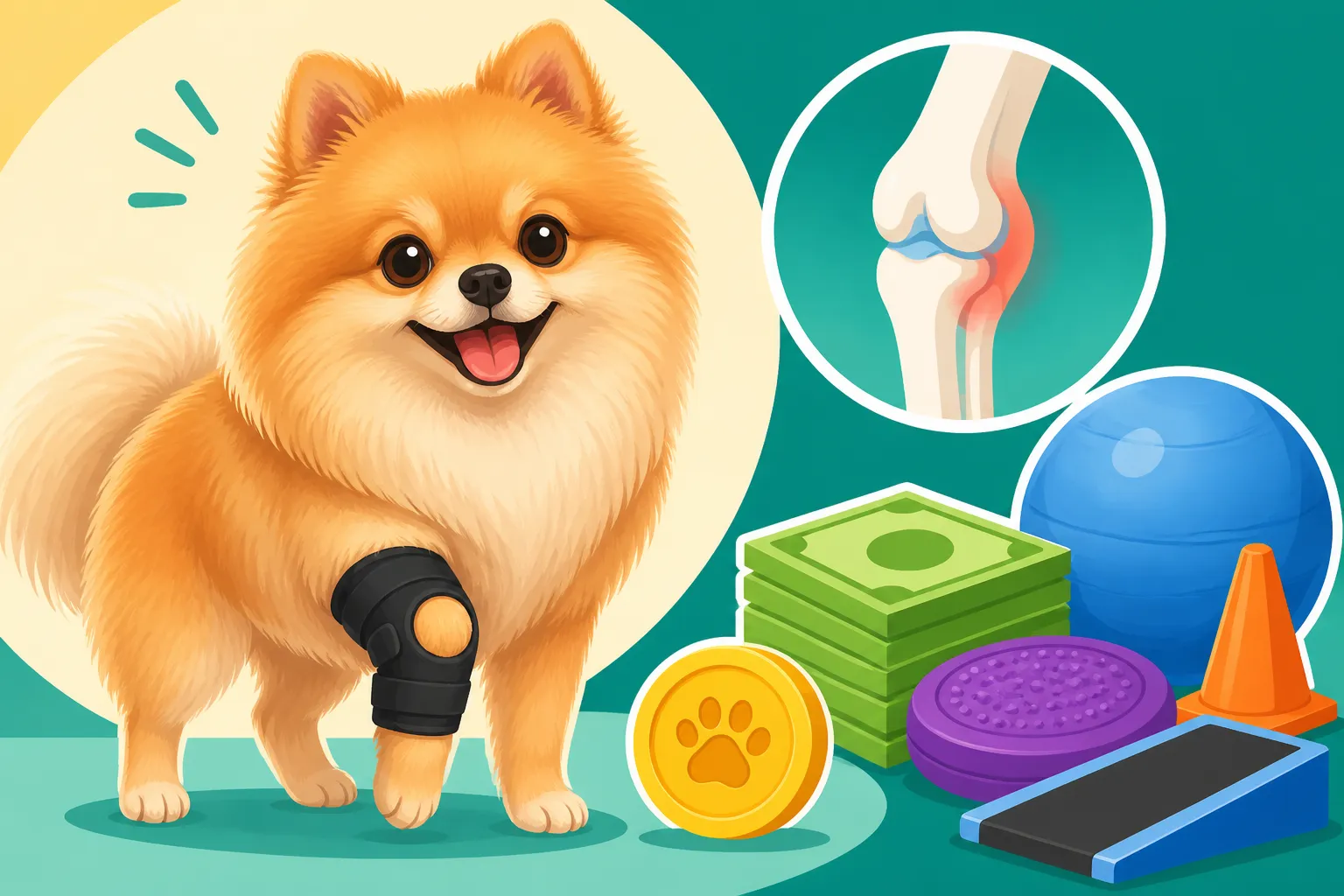
Rehab Costs After a Pomeranian’s Knee Repair
You’ve been through the wringer, watching your tiny Pomeranian struggle with a luxating patella, and then making the tough decision to go forward with knee repair surgery. The relief after the operation is immense, but then the reality sets in: surgery is often just the beginning. The next hurdle is rehabilitation, and let me tell you, the costs associated with getting your little one back on all fours can feel like a whole new mountain to climb. This guide is here to walk you through what to expect regarding rehab expenses, helping you plan and navigate this crucial part of your Pomeranian's recovery journey.
Why Post-Surgery Rehab is Absolutely Essential for Your Pomeranian's Knee
It's tempting to think that once the surgeon has fixed the knee, the hard part is over. But that's just not how it works, especially for an active little dog like a Pomeranian. Surgical correction of a slipped kneecap, or patellar luxation, is a major procedure, even for a tiny body. The tissues have been cut, bones might have been reshaped, and muscles are inevitably going to be sore and stiff. Without proper rehabilitation, your Pomeranian isn't just missing out on optimal recovery; they're actually at a higher risk for future complications.
Think of it this way: if a person had knee surgery, would they skip physical therapy? Absolutely not! The same principle applies to our furry friends. Their bodies need to relearn how to use the limb correctly, rebuild muscle mass that might have atrophied, and restore the full range of motion. It’s not about just letting them “rest and recover”; it’s about active, guided healing.
The Importance of Regaining Strength and Mobility
After knee surgery, your Pomeranian's leg muscles will likely be weak from disuse, even if the patellar luxation was only present for a short time. Many Poms will have been holding the leg up or limping, causing the muscles to waste away. Rehabilitation focuses on carefully, incrementally, and safely rebuilding that lost muscle mass around the knee joint. Strong muscles act like natural stabilizers, supporting the newly repaired knee and taking pressure off the surgical site.
Beyond just strength, mobility is key. Your Pomeranian needs to be able to bend, extend, and bear weight on that leg comfortably and naturally. Without directed exercises, the joint can become stiff, scar tissue can limit movement, and your dog might compensate by putting undue strain on other parts of their body. A good rehab program ensures a full, healthy range of motion, allowing your Pom to run, play, and enjoy life without discomfort or awkward gait. This active recovery is paramount for long-term joint health. For more on the initial problem, check out Slipping Kneecaps in a Five Pound Pomeranian.
Preventing Complications and Future Issues
One of the biggest fears after knee surgery is a re-injury or developing issues with the other knee. Unfortunately, Pomeranians who have patellar luxation in one knee often have a predisposition for it in the other. Proper rehabilitation plays a critical role in mitigating these risks. By strengthening the surgical leg, you encourage a balanced weight distribution, reducing the compensatory strain that might have been placed on the "good" leg pre-surgery.
Rehab also helps prevent excessive scar tissue formation, which can hinder movement, and ensures the surgical repair heals properly. A veterinary physical therapist can identify any abnormal gait patterns or weaknesses early on and address them before they lead to bigger problems. Investing in comprehensive rehab is truly an investment in your Pomeranian's long-term comfort and well-being, potentially saving you from more expensive interventions down the line. It's about setting them up for a lifetime of happy, pain-free movement.
Breaking Down the Costs of Pomeranian Knee Rehabilitation
So, what exactly are you paying for when you embark on the rehab journey? It's not usually a single, lump sum bill, but rather a series of structured appointments, specialized therapies, and often, some at-home equipment. The overall cost will vary significantly based on your location, the specific veterinary rehabilitation clinic, the severity of your Pomeranian's condition, and how many sessions are recommended. It’s a bit like building a custom recovery plan, with each piece adding to the total.
The most important thing is to get a clear, itemized estimate from your rehabilitation vet or therapist upfront. Don’t be afraid to ask questions about frequency, duration, and what's included in each session. Understanding these components will help you budget and make informed decisions, ensuring your Pomeranian gets the best possible care without unexpected financial shocks.
Initial Consultations and Assessment Fees
Your journey into physical rehabilitation will almost always begin with an initial consultation and assessment. This isn't just a quick chat; it's a thorough examination by a veterinary rehabilitation specialist. They will review your Pomeranian's surgical reports, conduct a comprehensive physical exam, evaluate their gait, range of motion, and muscle mass, and discuss their specific needs and your goals for their recovery. This initial assessment is crucial for tailoring a rehabilitation plan that is unique to your Pom.
The cost for this initial consultation typically includes the specialist's time, detailed evaluation, and the creation of a personalized therapy protocol. It's an investment in getting the right roadmap for recovery, setting the foundation for all subsequent sessions. Sometimes, your regular vet might refer you to a certified canine rehabilitation therapist or a veterinary physical therapist, who are experts in this field. They're often highly trained professionals with advanced certifications, and their expertise is invaluable in guiding your Pomeranian back to full health. You can expect this initial fee to be a standalone charge before any hands-on therapy begins. If you're wondering about the surgery itself, we have a helpful guide on Whether a Pomeranian's Kneecap Needs Surgery.
The Different Types of Rehabilitation Sessions and Their Price Structure
Once the assessment is done, the real work begins. Rehabilitation for a Pomeranian's knee can involve a variety of modalities, each with its own benefits and associated costs. Most clinics offer package deals for multiple sessions, which can sometimes be more cost-effective than paying for individual appointments. Here’s a look at common therapies and how they might be priced:
- Hydrotherapy (Underwater Treadmill): This is incredibly popular and effective for knee rehab. The buoyancy of the water reduces weight-bearing stress on the joint while allowing for full range of motion, making it ideal for early stages of recovery. The warm water also promotes circulation and muscle relaxation. Sessions are typically 20-40 minutes and might be priced per session or as part of a package. Many Poms absolutely love the water, while others need a bit of coaxing!
- Therapeutic Exercises: These are targeted exercises designed to improve strength, balance, coordination, and flexibility. This can include controlled leash walks, balance board exercises, cavaletti poles (small hurdles), passive range of motion (PROM) exercises, and specific stretches. These are often done in one-on-one sessions with a therapist who guides your Pomeranian through each movement.
- Laser Therapy (Photobiomodulation): Low-level laser therapy can help reduce pain and inflammation, and promote tissue healing. It’s non-invasive and often very well-tolerated by dogs. These sessions are usually quite quick (minutes) and might be added on to other therapies or offered as a standalone treatment.
- Massage and Manual Therapy: A certified therapist might use massage techniques to improve circulation, reduce muscle spasms, and address trigger points. Joint mobilizations can also be performed to improve flexibility and reduce stiffness.
- Acupuncture: Some clinics offer veterinary acupuncture for pain management and to promote healing. This alternative therapy can be a good complement to traditional rehabilitation.
Each of these modalities contributes to a holistic recovery, and your specialist will recommend a combination that best suits your Pomeranian’s needs. A typical course might involve 2-3 sessions per week initially, gradually decreasing in frequency as your Pom improves.
At-Home Care and Equipment Expenses
While professional sessions are vital, a significant portion of your Pomeranian's rehab will happen at home, guided by the exercises and advice given by your therapist. This home care component also comes with its own potential costs. You might need to invest in certain equipment or supplies to facilitate a safe and effective recovery environment.
Here are some common items:
- Ramps or Steps: Preventing jumping is paramount for a healing knee. Investing in small, sturdy ramps or steps for beds and sofas can protect your Pomeranian from re-injury. You can find many options on sites like Chewy that are appropriately sized for tiny dogs. Ramps for a Pomeranian That Jumps Off the Sofa is a great resource if you're looking for specifics.
- Support Harnesses or Slings: Especially in the early days post-op, a rear-support harness or sling might be necessary to help your Pomeranian get around, go potty, or navigate stairs (though stairs should be avoided if possible). These provide crucial assistance without putting strain on the surgical leg.
- Orthopedic Beds: A comfortable, supportive bed can make a big difference in your Pomeranian's recovery by cushioning joints and reducing pressure points.
- Supplements: Your vet or rehab specialist might recommend joint supplements containing ingredients like glucosamine, chondroitin, or omega-3 fatty acids to support joint health. Brands like Healthy Paws (often associated with insurance, but a good name for health topics) might indirectly prompt thoughts of supplements as part of holistic health. Look for reputable brands; your vet can guide you.
- Ice Packs/Heat Packs: Simple yet effective, these can be used at home to reduce swelling or improve circulation, as directed by your therapist.
- Non-Slip Mats: For Poms recovering on slippery floors, non-slip mats or rugs can prevent accidental falls or slips that could damage the healing knee.
- Puzzle Toys/Enrichment: Keeping a recovering Pomeranian mentally stimulated when physical activity is restricted is vital. Interactive puzzle toys can keep their minds busy without overtaxing their body.
| Rehab Expense Category | Typical Components | Cost Considerations |
|---|---|---|
| Initial Assessment | Specialist consultation, physical exam, gait analysis, personalized plan | This is usually a one-time fee at the start of rehab. Essential for a tailored approach. |
| Professional Sessions | Hydrotherapy, therapeutic exercise, laser therapy, massage, acupuncture | Varies greatly based on chosen modalities, frequency, and clinic rates. Often offered in packages which can provide a slight discount per session. Expect multiple sessions per week initially. |
| At-Home Equipment | Ramps, slings, orthopedic beds, non-slip mats | One-time purchases, though quality and brand can influence price. Some items are essential for safety, others enhance comfort. Websites like Chewy offer a wide range of options suitable for small dogs. |
| Medications/Supplements | Pain relievers, anti-inflammatories, joint support supplements | Ongoing costs for the duration of recovery and potentially long-term. Always follow vet recommendations for specific brands and dosages. Brands like Ollie focus on high-quality nutrition which can support overall health and recovery. |
| Follow-up Appointments | Re-evaluations with rehab specialist or surgeon | Less frequent than therapy sessions, but necessary to track progress and make adjustments to the rehab plan. Typically occur a few weeks or months after the initial surgery and throughout the rehab process. |
Navigating Payment and Making Rehab Affordable
The financial burden of veterinary care, especially specialized procedures like knee surgery and subsequent rehabilitation, can be significant. Many Pomeranian owners are caught off guard by the extent of these costs. However, there are several avenues to explore that can help make these essential treatments more manageable. Don’t let the price tag deter you from providing your furry family member with the best chance at a full recovery. It's about being proactive and exploring all available options.
Understanding Pet Insurance Coverage for Rehab
Pet insurance can be a lifesaver when unexpected veterinary bills arise, and this absolutely extends to post-surgical rehabilitation. Most comprehensive accident and illness policies will cover a significant portion of rehabilitation costs, just as they cover the surgery itself. However, it's crucial to understand the specifics of your policy before treatment begins.
Here's what to look for:
- Deductible: This is the amount you pay out-of-pocket before your insurance starts to reimburse you.
- Reimbursement Rate: This is the percentage of eligible costs that your insurance plan will pay back to you (e.g., 70%, 80%, or 90%).
- Annual Limit: Some policies have a maximum amount they will pay out in a year.
- Pre-existing Conditions: This is the big one. If your Pomeranian's patellar luxation was diagnosed before you enrolled in insurance or during a waiting period, it will almost certainly be considered a pre-existing condition and won't be covered. This is why Insuring a Pomeranian Before Its Knees Slip is so important. If you’re considering a policy, research providers like Healthy Paws, known for their comprehensive coverage, and carefully read their terms regarding rehabilitation and orthopedic conditions. Always call your provider directly to confirm coverage for your specific situation.
Exploring Payment Plans and Financial Aid Options
If you don't have pet insurance, or if your policy doesn't cover everything, don't despair. There are still options to help manage the costs:
- Veterinary Payment Plans: Many veterinary clinics and rehabilitation centers understand the financial strain and offer their own in-house payment plans. These usually involve breaking down the total cost into smaller, manageable monthly installments. It's always worth asking if this is an option.
- Third-Party Credit Services: Specialized healthcare credit cards designed for veterinary expenses can offer deferred interest periods, allowing you to pay off the balance over time without incurring high interest, provided you meet the terms.
- Financial Aid Organizations: Several non-profit organizations exist to help pet owners who are struggling to afford life-saving or quality-of-life veterinary care. Organizations like The Pet Fund, RedRover, or breed-specific rescues sometimes offer grants or assistance for procedures like knee repair and rehabilitation. Eligibility requirements vary, so research is key.
- Crowdfunding: Online platforms can allow you to raise funds from friends, family, and compassionate strangers. While not guaranteed, many pet owners have found success through these avenues.
It’s often a combination of these strategies that makes treatment possible. Don't hesitate to openly discuss your financial concerns with your veterinary team; they often have resources or suggestions you might not be aware of.
DIY vs. Professional Guidance: Where to Save (and Where Not To)
When faced with significant rehab costs, it's natural to wonder where you can cut corners. While some aspects of your Pomeranian's recovery can certainly be managed at home, it's crucial to understand where professional guidance is non-negotiable and where you might be able to supplement with DIY efforts.
Where to invest professionally:
- Initial Assessment and Plan: This is absolutely vital. Only a certified veterinary rehabilitation specialist can accurately assess your Pomeranian’s specific injury, create a safe and effective treatment plan, and monitor progress. Trying to guess exercises or timelines can do more harm than good.
- Specialized Modalities: Hydrotherapy, laser therapy, and advanced manual therapies require specialized equipment and trained personnel. These are not things you can replicate safely or effectively at home.
- Early, Critical Stages of Rehab: The first few weeks post-surgery are the most delicate. Professional oversight ensures your Pomeranian doesn't overdo it, or worse, re-injure the knee during this critical healing phase.
Where you might be able to save with DIY (under professional guidance):
- Home Exercise Programs: Once your Pomeranian's condition stabilizes and your therapist provides clear instructions, many therapeutic exercises can be performed at home. These might include passive range of motion (PROM) exercises, gentle stretches, or controlled short walks. Your therapist will teach you how to do these correctly.
- Environmental Modifications: You can source ramps, steps, and non-slip mats from a variety of retailers like Chewy or even make some DIY versions if you're handy, often at a lower cost than specialized medical suppliers.
- Monitoring and Observation: You, as the primary caregiver, are vital in observing your Pomeranian's comfort level, progress, and any signs of regression. This attentive home care is free but priceless.
It’s a balancing act. Always prioritize professional oversight for the critical components of rehabilitation. Think of your therapist as a coach who gives you a playbook for home. Your involvement at home is essential, but it should always be informed and guided by their expertise. When your Pomeranian gets older, continued support may be needed. Read Whether Joint Support Helps a Pomeranian's Knees to learn more.
A Realistic Timeline and What Happens After Rehab
Understanding that rehabilitation isn't a one-and-done event, but rather a journey with stages, is important for both your Pomeranian’s recovery and your peace of mind. The timeline can feel long, especially when you're eager to see your beloved pet return to their old self. But patience and consistent effort are truly key. Just like a human recovering from a major surgery, healing takes time, and every dog is an individual.
The Typical Duration of a Pomeranian's Rehab Program
The duration of your Pomeranian's rehabilitation program can vary significantly, usually depending on the severity of the original injury, the type of surgery performed, your dog's age and overall health, and their adherence to the program (yes, some Poms are more cooperative than others!).
Generally, you can expect a rehabilitation program for patellar luxation to last anywhere from 6 weeks to 3-4 months, sometimes even longer for very complex cases or if there are setbacks.
Here’s a rough breakdown of what a typical timeline might look like:
- Weeks 1-2 (Acute Post-Op Phase): This phase focuses on pain management, reducing swelling, and gentle, controlled movement. Activities will be very limited: strict crate rest, very short controlled leash walks for potty breaks, and passive range of motion exercises performed by the therapist and carefully taught to you for home. Hydrotherapy might begin if appropriate.
- Weeks 3-6 (Intermediate Phase): As pain subsides and initial healing occurs, activity levels gradually increase. More active therapeutic exercises will be introduced to start rebuilding muscle and improving weight-bearing. Hydrotherapy may become more intensive.
- Weeks 7-12 (Advanced Strengthening Phase): The focus here is on significant muscle strengthening, balance, and endurance. This might involve more complex exercises, increasing duration on the underwater treadmill, and working on coordination drills.
- Months 3-4+ (Return to Function Phase): The goal is to safely return your Pomeranian to their normal activities. This involves a gradual reintroduction to longer walks, playtime, and off-leash activities, all under careful supervision. Your therapist will provide a "clearance" when they deem your Pom ready, but always start slowly.
Regular follow-up appointments with your veterinary surgeon and rehabilitation specialist are crucial throughout this period to monitor progress and make adjustments to the plan. Remember, pushing too hard, too fast, can easily lead to a setback. Patience is truly a virtue here. For further reading on this topic, consider Recovery After a Pomeranian's Knee Surgery.
Long-Term Management and Ongoing Support
Even after your Pomeranian has "graduated" from their intensive rehabilitation program, the journey toward optimal joint health doesn't necessarily end there. Many Poms, especially those with a history of orthopedic issues like patellar luxation, can benefit from ongoing long-term management and support to maintain their recovery and prevent future problems.
Here are some key aspects of long-term care:
- Continued Exercise: Regular, moderate exercise is vital for maintaining muscle mass and joint flexibility. This doesn't mean marathon runs, but consistent daily walks and controlled play sessions. Be mindful of activities that involve excessive jumping or twisting, which can put strain on the knee. Exercise a Pomeranian Needs to Stay Trim offers some excellent insights here.
- Weight Management: Keeping your Pomeranian at a healthy weight is one of the single most important things you can do for their joint health. Even a few extra ounces can put significant strain on small joints. Your vet can help you determine your Pom's ideal weight and advise on diet. High-quality dog food brands like Ollie focus on fresh, balanced nutrition which can be instrumental in weight management and overall vitality. Check out The Three to Seven Pounds a Pomeranian Should Hold for more information on ideal weights.
- Joint Supplements: Many owners choose to continue administering joint supplements long-term, even after full recovery. While not a cure, these can support cartilage health and potentially reduce inflammation. Discuss this with your vet to see if it's right for your Pomeranian.
- Environmental Modifications: Continue to use ramps or steps to prevent jumping off furniture, as this reduces impact stress on the knees over their lifetime.
- Regular Vet Check-ups: Maintain regular veterinary check-ups to monitor joint health and address any subtle signs of discomfort or changes in gait early on. Your vet can assess both knees and ensure overall well-being.
- Occasional "Booster" Rehab Sessions: For some Pomeranians, an occasional maintenance session with a rehabilitation therapist (e.g., every 6-12 months) can be beneficial to keep their muscles strong and identify any emerging issues before they become serious.
The goal is to integrate these practices into your Pomeranian's daily life, creating a lifestyle that supports their knee health and allows them to live a happy, active life well into their senior years. It’s an ongoing commitment, but one that’s incredibly rewarding when you see your little Pom thriving.
Disclaimer
This article is for general informational purposes only and does not constitute professional advice. Laws, prices and regulations vary by location and change over time. Consult a qualified professional for guidance on your specific situation.