The Price of Repairing One Pomeranian Kneecap
It's a heartbreaking moment when your tiny Pomeranian, a creature of pure joy and fluff, starts limping or holding a back leg up. When the veterinarian then explains that your beloved companion has a luxating patella—a slipping kneecap—and that surgery might be the best course of action, your mind immediately jumps to two things: "Will my little one be okay?" and "What on earth is this going to cost?" This guide is here to shed light on the financial commitment involved in repairing a single Pomeranian kneecap, helping you understand the different elements that make up the final bill and how to prepare.
Understanding the Surgical Procedure and Its Core Costs
When your veterinarian suggests surgery for a luxating patella, they're not talking about a simple fix. This is a delicate orthopedic procedure that involves specialized skills and equipment, and it’s critical for your Pomeranian's long-term comfort and mobility. The core of the cost revolves around the expertise required and the resources used during the operation itself.
Initial Diagnostics and Pre-Operative Workup
Before any surgery can even be considered, a thorough diagnostic process is essential. This starts with a physical examination where your vet will palpate your Pomeranian's knee to assess the severity of the luxation, often classifying it on a grade scale. You might have already heard about Grading Patellar Luxation in a Pomeranian. Beyond the physical exam, X-rays are typically required to get a clearer picture of the joint's structure, identify any arthritic changes, and rule out other issues. These diagnostic images are crucial for the surgeon to plan the precise method of repair.
Furthermore, pre-anesthetic bloodwork is almost always a non-negotiable step. Given that Pomeranians are small and can have sensitivities, this bloodwork checks their organ function, ensuring they can safely undergo anesthesia. This is particularly vital for a breed like the Pomeranian, where Anesthesia Risk in a Four Pound Pomeranian can be a serious consideration. These initial workups, while necessary, are a separate cost from the actual surgery and can vary depending on the clinic and the extent of testing required.
The Surgical Intervention Itself
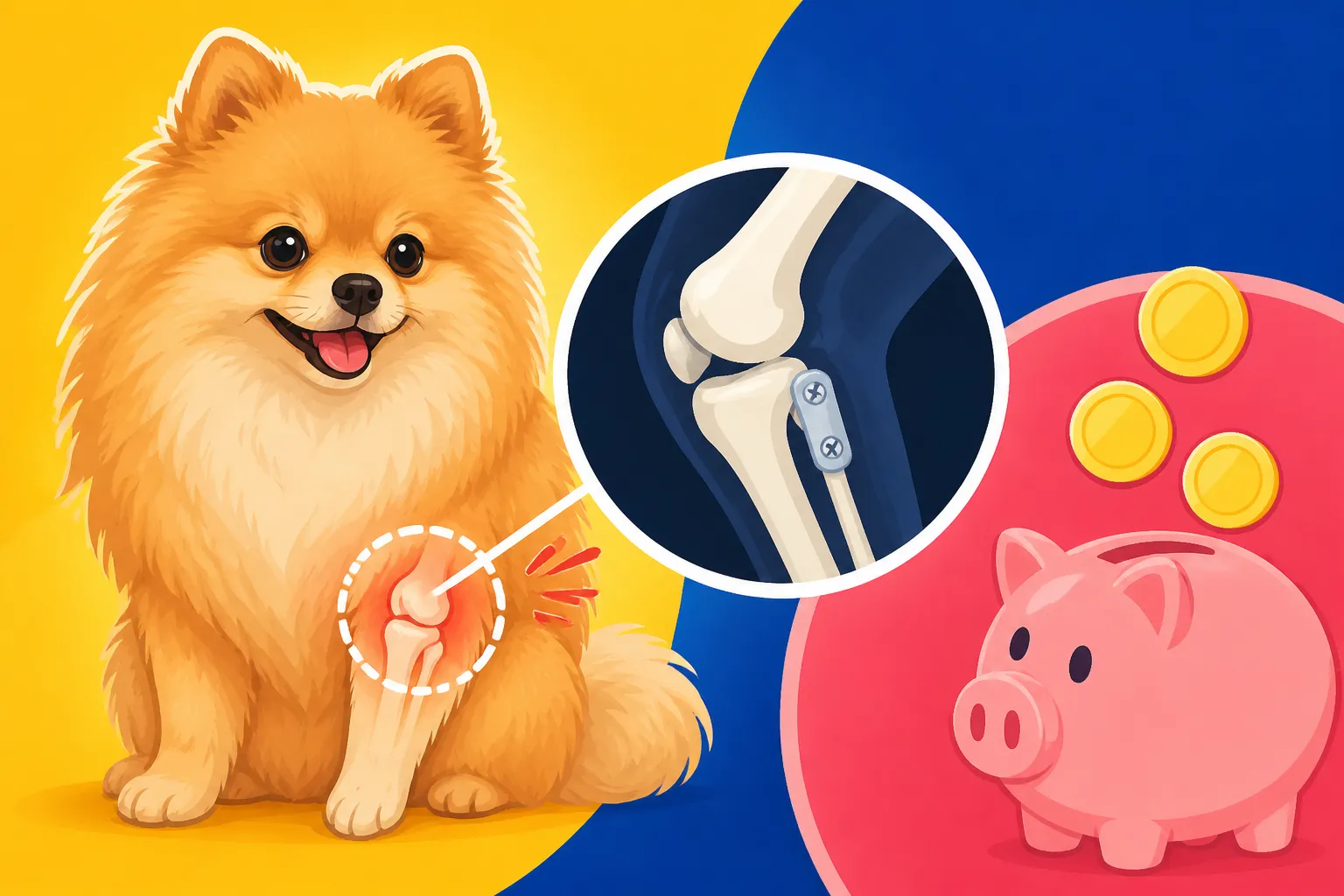
The actual patellar luxation repair surgery for a Pomeranian is a highly skilled procedure designed to keep the kneecap in its proper groove. The most common techniques involve deepening the trochlear groove (the channel on the femur where the kneecap sits), moving the tibial crest (the attachment point of the patellar ligament), and tightening or releasing the joint capsule. Each of these steps requires precision, specialized surgical tools, and a veterinary surgeon with significant experience in small animal orthopedics.
The duration of the surgery, the complexity of the luxation (a Grade 4 will likely be more involved than a Grade 2, though many Pomeranians with a Grade 2 knee eventually need surgery if symptoms progress, as discussed in Whether a Pomeranian's Kneecap Needs Surgery), and the specific techniques employed all contribute to the overall surgical fee. This fee encompasses the surgeon's time, the use of the operating room, sterile supplies, and the surgical team assisting throughout the procedure. It's a comprehensive charge for the expertise and infrastructure needed to perform such a delicate operation successfully.
Anesthesia and Post-Operative Hospitalization
Anesthesia for a tiny Pomeranian isn't just a simple injection; it’s a carefully managed process that includes monitoring vital signs, administering IV fluids, and ensuring the dog remains stable throughout the surgery. The cost includes the anesthesiologist's time (or the vet tech specifically assigned to monitoring), the anesthetic drugs, and all the monitoring equipment used. Given the potential risks associated with anesthesia in small breeds, this intensive monitoring is a significant, yet absolutely necessary, part of the overall expense.
Following surgery, your Pomeranian will need to recover in the hospital for a period, typically one to several nights. This hospitalization allows the veterinary staff to monitor their immediate recovery, administer pain medication, ensure they are comfortable, and watch for any signs of complications. The cost of this stay includes nursing care, any further medications given during their stay, and the general overhead of the facility. It's about ensuring a safe and stable transition from the operating table to the comfort of home, which is a crucial part of Recovery After a Pomeranian's Knee Surgery.
Factors Influencing the Final Cost of Kneecap Repair
The price tag for repairing a Pomeranian's slipping kneecap isn't static; it's a dynamic figure influenced by a variety of factors. Understanding these variables can help you anticipate the range of expenses you might face.
Geographical Location and Veterinary Specialization
Just like human healthcare, veterinary costs can vary significantly based on where you live. A procedure performed in a major metropolitan area will generally carry a higher price tag than the same procedure in a rural setting, simply due to differences in overhead costs, cost of living, and demand for veterinary services. The type of veterinary practice also plays a role. An orthopedic specialist at a referral center, who has dedicated years to advanced training in surgical procedures like patellar luxation repair, will typically charge more for their expertise than a general practice veterinarian who also performs the surgery.
It’s worth noting that while a specialist might have a higher upfront fee, their extensive experience can sometimes lead to better outcomes and potentially fewer complications, which could save money in the long run by avoiding revisions. When you're facing such a critical decision, it's wise to discuss your options with your primary vet, who might refer you to a board-certified veterinary surgeon for specialized care.
Severity of Luxation and Presence of Complications
The grade of your Pomeranian's luxating patella (from Grade 1, which is often managed without surgery, to Grade 4, where the kneecap is permanently dislocated) directly impacts the complexity of the surgical repair. A higher grade often means more extensive surgical techniques are required, potentially involving bone restructuring and more intricate soft tissue adjustments. This increased complexity naturally translates to a higher surgical fee due to longer operating times and greater surgical difficulty.
Furthermore, the presence of pre-existing conditions or potential complications can significantly drive up costs. For instance, if your Pomeranian has significant arthritis in the knee joint due to the long-standing luxation, addressing this during surgery or managing it post-operatively will add to the expenses. If an unforeseen complication arises during or after surgery, such as an infection, an adverse reaction to anesthesia, or issues with wound healing, these will require additional veterinary care, medications, and potentially further diagnostic tests, all contributing to a higher overall bill. This highlights the importance of asking your vet about potential complications and their associated costs during your initial consultation.
| Cost Component | Description | Typical Impact on Bill |
|---|---|---|
| Initial Consultation | Vet exam, palpation, discussion of options | Moderate |
| Diagnostics (X-rays) | Imaging to assess joint structure and severity | Moderate |
| Pre-Anesthetic Bloodwork | Labs to ensure safe anesthesia | Moderate |
| Surgical Procedure | Surgeon's fee, operating room, tools, materials (core cost) | High |
| Anesthesia | Anesthesiologist/tech time, drugs, monitoring | High |
| Hospitalization | Post-op care, pain management, monitoring (1-3 nights) | Moderate |
| Medications (post-op) | Pain relievers, anti-inflammatories, antibiotics for home care | Low to Moderate |
| Follow-up Appointments | Recheck exams, staple/suture removal, progress checks | Low to Moderate |
| Physical Therapy/Rehab | Structured exercises to restore strength and mobility | Variable (can be high) |
| Special Supplies | Ramps, orthopedic beds, cones, joint supplements | Low to Moderate |
Beyond the Surgery: Post-Operative Expenses
While the surgical fee is often the largest single component, the costs associated with recovery and rehabilitation are substantial and essential for a successful outcome. Neglecting these post-operative steps can undermine the entire surgical investment.
Medications and Follow-up Veterinary Appointments
After your Pomeranian returns home, they will need a course of medications to manage pain and inflammation, and potentially antibiotics to prevent infection. These medications are crucial for comfort and healing during the initial recovery phase. You'll also need to schedule several follow-up appointments with your veterinarian. These visits allow the vet to check the incision site, remove sutures or staples, assess your Pomeranian’s progress, and adjust their activity restrictions.
Each follow-up appointment will incur a consultation fee, and any additional diagnostics or medications prescribed during these visits will also add to the expense. It’s important to budget for these scheduled checks, as they are a vital part of ensuring your Pomeranian is healing correctly and that there are no emerging complications. Sometimes, managing an older Pomeranian with Arthritis in a Pomeranian at Ten might mean ongoing medication needs as well.
Rehabilitation and Physical Therapy
Surgery is only half the battle. To regain full strength, mobility, and proper use of the leg, many Pomeranians benefit immensely from a structured rehabilitation program, often involving physical therapy. This can include exercises, hydrotherapy, laser therapy, and massage, all designed to strengthen muscles, improve range of motion, and reduce stiffness. The cost of rehabilitation can vary widely depending on the number of sessions, the type of therapy, and whether it’s done at a specialized facility or with guidance for home exercises.
While seemingly an added expense, proper physical therapy can make a significant difference in the long-term success of the surgery and can prevent future issues with the knee. Ignoring this aspect of recovery could lead to slower healing, muscle atrophy, or even re-injury. You might find yourself searching for specialized ramps or steps, available from retailers like Chewy, to help your little one navigate the house safely during this period, protecting that healing knee from unnecessary stress.
Long-Term Management and Prevention
Even after full recovery from surgery, some Pomeranians might benefit from long-term joint support. This could include daily joint supplements, special orthopedic diets, or periodic check-ups to monitor the knee. While not as expensive as the initial surgery, these ongoing costs are part of responsible ownership and can contribute to your Pomeranian's comfort and mobility for years to come. Retailers like Chewy offer a wide array of joint supplements and specialized small-breed foods that can be beneficial.
Preventative measures also become more critical. For instance, ensuring your Pomeranian maintains a healthy weight is vital, as extra pounds put undue stress on joints. Providing ramps or steps for furniture, as discussed in Ramps for a Pomeranian That Jumps Off the Sofa, is crucial to prevent jumping that could re-injure the knee or strain the other leg. Remember, Pomeranians are prone to Slipping Kneecaps in a Five Pound Pomeranian, and even if one knee is repaired, the other may still be at risk.
Navigating the Costs: Insurance, Financing, and Prevention
The significant expense of patellar luxation surgery can feel overwhelming, but there are several strategies and resources available to help make it more manageable. Planning ahead can make a world of difference.
The Role of Pet Insurance in Unexpected Costs
Pet insurance can be a lifesaver when faced with an unexpected surgical bill like a kneecap repair. Policies typically work by reimbursing you for a percentage of eligible veterinary expenses after you've met your deductible. Companies like Healthy Paws offer comprehensive plans that could cover a significant portion of your Pomeranian's surgery, medications, and even rehabilitation costs.
However, it's crucial to understand that pet insurance generally doesn't cover pre-existing conditions. If your Pomeranian has already been diagnosed with a luxating patella before you enroll in a policy, that specific condition may be excluded from coverage. This is why many experienced Pomeranian owners advise enrolling in pet insurance when their dogs are young, ideally before any health issues manifest. It's important to research different policies and their coverage details carefully, as discussed in articles like Insuring a Pomeranian That Needs Dental Work Yearly, though dental care is a different topic, the principle of early enrollment applies across the board for costly procedures.
Financial Assistance and Payment Options
If pet insurance isn't an option or doesn't cover enough, don't despair. Many veterinary clinics understand the financial burden of major surgeries and offer various payment options. Some clinics provide in-house payment plans, allowing you to pay the total cost over several months. There are also third-party financing services specifically designed for veterinary care, which offer credit lines that you can use to cover your pet's treatment. These often come with promotional periods of deferred interest, but it's essential to understand the terms before committing.
Beyond these, some charitable organizations and breed-specific rescues offer financial aid for owners who are struggling to afford necessary veterinary care. While these programs often have strict eligibility requirements and limited funds, they can be a crucial last resort for owners facing difficult decisions. Always discuss financial concerns openly with your veterinary team; they are often well-versed in the available options and can guide you toward resources.
The Importance of Prevention and Early Intervention
While not every luxating patella can be prevented, especially given the genetic predisposition in Pomeranians, proactive care can sometimes mitigate the severity or delay the need for surgery. Regular veterinary check-ups are key to early detection. Your vet can monitor your Pomeranian's joints and advise on appropriate exercise and weight management. Maintaining a lean body condition is paramount, as excess weight puts immense strain on joints, worsening patellar luxation. Even a small increase in weight can have a big impact on a tiny dog.
Ensuring your Pomeranian avoids activities that put excessive stress on their knees, such as jumping repeatedly off high furniture, is also critical. Simple environmental modifications, like providing dog stairs or ramps (which you can find on Chewy or other pet supply stores), can significantly reduce impact on fragile joints. While Whether Joint Support Helps a Pomeranian's Knees may not reverse the condition, it can sometimes support overall joint health. Ultimately, a combination of attentive care, smart financial planning, and a strong partnership with your vet offers the best approach to managing your Pomeranian's orthopedic health.
Disclaimer
This article is for general informational purposes only and does not constitute professional advice. Laws, prices and regulations vary by location and change over time. Consult a qualified professional for guidance on your specific situation.