What Coat and Skin Supplements Cost a Pomeranian Owner
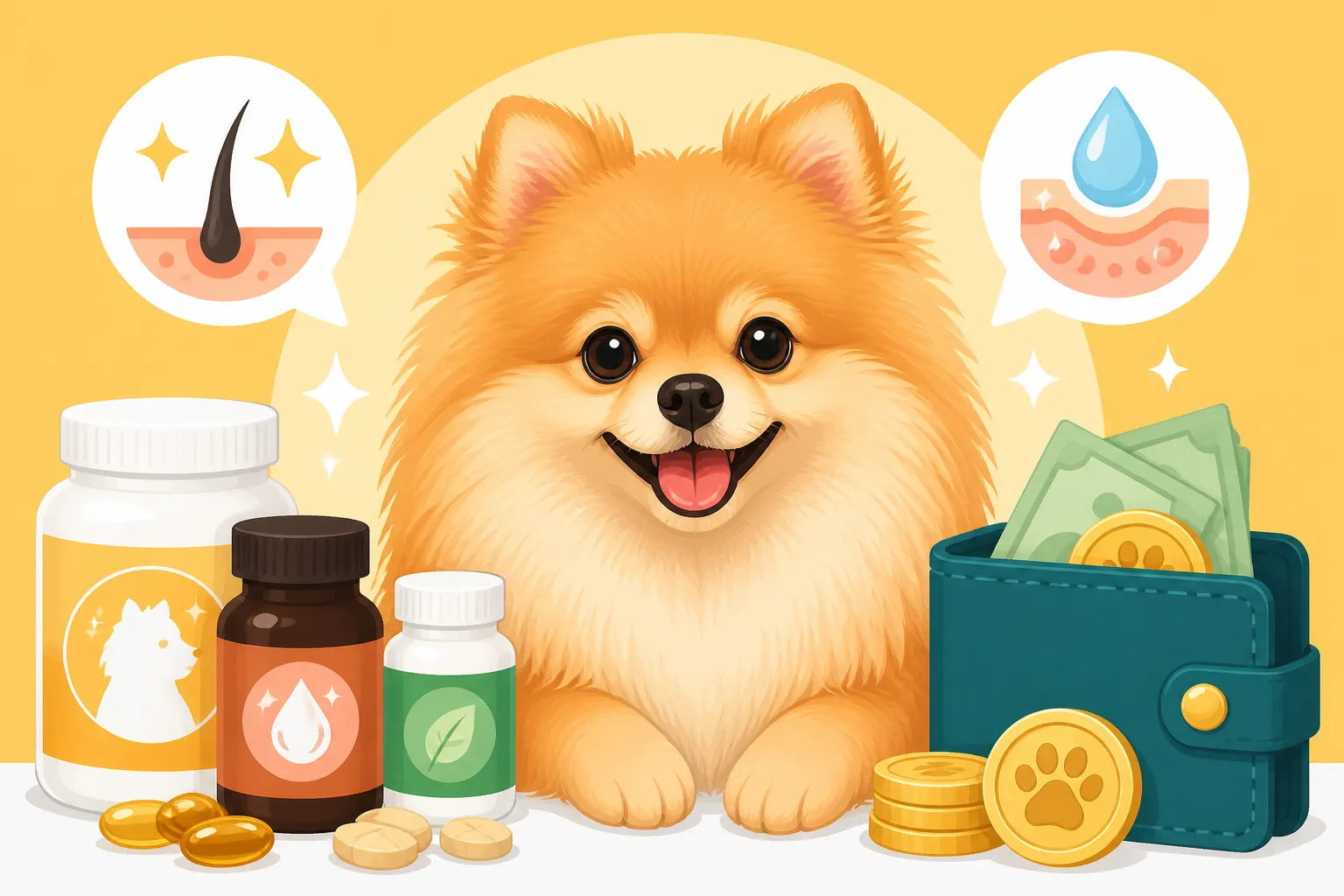
One of the biggest concerns for Pomeranian owners, beyond their spunky personalities, is maintaining that magnificent double coat and the healthy skin underneath. It can be incredibly frustrating to see dull fur, excessive shedding, or persistent itching, and many of us wonder what supplements are truly worth the cost to keep our Poms looking and feeling their best. This guide will help you understand the landscape of coat and skin supplements, what they cost, and how to make informed choices.
The Unique Demands of a Pomeranian's Coat and Skin
If you've ever owned a Pomeranian, you know their coat isn't just fur; it's a statement! That thick, fluffy double coat is one of their most defining features, but it also comes with its own set of challenges. It's not uncommon for owners to struggle with shedding, matting, and keeping that signature "stand-off" look. But beyond the aesthetics, the health of your Pomeranian's skin and coat is a vital indicator of their overall well-being.
The Pomeranian Double Coat: A Marvel and a Mission
The Pomeranian's coat is a thing of beauty, comprised of two distinct layers: a soft, dense undercoat that provides insulation, and long, straight guard hairs that give it volume and protection. This combination is what allows them to thrive in colder climates and gives them their iconic fluffy appearance. However, this dense coat also means there's a lot of surface area for potential issues. Dry skin can lead to flaking, irritation, and excessive scratching, which in turn can damage the delicate guard hairs. Humidity can exacerbate skin conditions, and improper grooming can lead to painful mats that pull at the skin. It’s a constant mission to keep it pristine, and sometimes, even with the best brushing, you feel like you're fighting an uphill battle. If you've ever wondered about The Double Coat That Makes a Pomeranian and Why It Stays On, you know exactly what I'm talking about.
Common Skin and Coat Issues in Pomeranians
Pomeranians, despite their small stature, can be prone to several dermatological issues. Allergies, whether environmental or food-related, often manifest as itchy, red skin, hot spots, or excessive paw licking. Then there's the notorious Alopecia X, often referred to as "Black Skin Disease," where hair loss can range from thinning patches to complete baldness, sometimes accompanied by darkened skin. This condition, while not painful, can be heartbreaking for owners and often prompts a deep dive into various supplements. Even simple dry skin, especially during harsh winters or in arid climates, can make a Pomeranian miserable. You might notice them rubbing against furniture or scratching more than usual, leading you to think about what external and internal support you can provide. Some owners wonder Whether Alopecia X Hurts a Pomeranian, but the discomfort is usually from secondary infections or dryness, not the hair loss itself.
The Link Between Internal Health and Outer Glow
It's a common misconception that coat and skin problems are always superficial. In reality, your Pomeranian's dazzling coat and healthy skin are often a direct reflection of their internal health. A diet lacking essential fatty acids, vitamins, or minerals can quickly show up as a dull, brittle coat or dry, flaky skin. Think of it like this: your Pomeranian's body prioritizes vital organ functions, and if resources are scarce, the skin and coat are often the first to show the signs of nutritional deficiency. A robust immune system, a balanced gut microbiome, and proper hydration all play crucial roles. This is why supplements aren't just a band-aid; they're about providing the foundational nutrients that might be missing or insufficient in their regular diet, supporting their body from the inside out to produce that gorgeous, healthy exterior.
Deciphering the World of Pomeranian Coat and Skin Supplements
Walking into a pet store or browsing online for supplements can feel like stepping into a labyrinth. There are so many options, so many claims, and it’s hard to know where to start or what your Pomeranian truly needs. Let's break down the most common types of supplements aimed at enhancing coat and skin health, so you can understand what each offers.
Omega-3 Fatty Acids: The Gold Standard for Skin and Coat
When it comes to healthy skin and a shiny coat, omega-3 fatty acids are almost universally recommended. These essential fatty acids, primarily EPA and DHA, are powerful anti-inflammatories. For a Pomeranian suffering from itchy skin due to allergies or general dryness, omega-3s can significantly reduce inflammation, leading to less itching and irritation. They also play a crucial role in maintaining the skin's natural barrier function, helping to keep moisture in and irritants out. A healthy skin barrier means less flaking and a more resilient defense against environmental factors.
You'll typically find omega-3s derived from fish oil (like salmon or sardine oil) or krill oil. Some supplements combine these with other beneficial oils like flaxseed oil, though the plant-based omega-3s (ALA) aren't as efficiently converted by dogs into the active forms (EPA/DHA). For a Pomeranian, the dosage is usually quite small, making a good quality, concentrated product last a while. Many owners swear by the visible difference in coat shine and reduction in shedding after a few weeks of consistent use. You might have seen these types of Supplements That Support a Pomeranian's Skin recommended by your vet or fellow Pom parents.
Biotin and Other B Vitamins: Building Blocks for Healthy Hair
Biotin, also known as Vitamin B7, is another popular supplement for coat health. It's often touted for strengthening hair and nails in humans, and similar benefits are often seen in dogs. Biotin is essential for healthy cell growth and the metabolism of fatty acids and amino acids, all of which are critical for producing strong, healthy hair follicles. If your Pomeranian's coat feels brittle, breaks easily, or they're experiencing excessive shedding, a biotin supplement might be worth considering.
Beyond biotin, other B vitamins like B6 (pyridoxine) and B5 (pantothenic acid) also play roles in skin and coat health. They contribute to cellular energy production and overall skin integrity. These vitamins are water-soluble, meaning any excess is usually excreted, making them generally safe to supplement. They are often found in multi-vitamin formulations specifically designed for canine skin and coat health. While not always a standalone solution, including these B vitamins can provide valuable support, especially if your Pomeranian's diet might be slightly deficient or if they have higher demands due to a specific condition.
Specialty Blends and Holistic Formulas: A Broader Approach
Beyond single-ingredient supplements, the market is full of specialty blends and holistic formulas that combine various ingredients designed to synergistically support coat and skin health. These might include:
- Antioxidants: Vitamins E and C, selenium, and grape seed extract can help protect skin cells from damage caused by free radicals, which contribute to aging and inflammation.
- Probiotics: A healthy gut often translates to healthy skin. Probiotics can improve digestion and nutrient absorption, and a balanced microbiome can even help modulate immune responses, potentially reducing allergic reactions that manifest as skin issues.
- Zinc: An essential trace mineral vital for immune function, wound healing, and maintaining skin and coat integrity. Deficiencies can lead to skin lesions and poor coat quality.
- Algae-based ingredients: Certain types of algae can provide not only omega-3s but also other beneficial compounds, offering a more sustainable source.
These blends aim to tackle coat and skin issues from multiple angles, addressing not just the symptoms but also potential underlying causes like inflammation or nutrient malabsorption. For instance, some of the higher-end fresh food services, like Ollie, formulate their meals with ingredients rich in these natural supplements, aiming to improve coat and skin health without extra bottles. When choosing a blend, always look at the full ingredient list and ensure the dosages are appropriate for your Pomeranian's small size. Sometimes, a more comprehensive approach is needed when a single supplement isn't cutting it.
The Financial Picture: What to Expect from Supplement Costs
Now, let's talk numbers, because every Pomeranian owner knows that caring for these tiny bundles of fluff can add up! The cost of coat and skin supplements for your Pomeranian can vary wildly, depending on the type of supplement, the brand, and where you purchase it. It's not always about finding the cheapest option, but rather the most effective one within your budget.
Monthly Averages for Essential Supplements
For a typical Pomeranian, a good quality omega-3 fatty acid supplement will likely be your primary ongoing cost. Liquid fish oil or krill oil supplements tend to be more cost-effective per dose than capsules, especially for small dogs where you only need a tiny amount. Expect to pay anywhere from $15 to $40 per bottle, with a bottle often lasting one to three months depending on the size and concentration. This translates to roughly $5 to $20 per month for just the omega-3s.
If you add a biotin or a general skin and coat vitamin blend, you might be looking at an additional $10 to $30 per month. Specialty blends, especially those with multiple high-quality ingredients or branded formulations, can push this figure higher, potentially reaching $30 to $60 per month for a single product. For owners with a senior Pomeranian, you might be looking at a slightly different regimen, as their needs change with age. You might be interested in What a Pomeranian's Care Looks Like Past Ten to get a full picture of senior care costs.
It’s important to remember that these are averages. A larger bottle might have a higher upfront cost but a lower monthly cost per dose. Always divide the total price by the number of doses or days it will last your specific Pomeranian to get an accurate monthly figure.
One-Time vs. Recurring Costs
Most coat and skin supplements fall into the "recurring cost" category, meaning you'll need to replenish them regularly to see and maintain benefits. This is especially true for essential fatty acids and vitamins, which need to be supplied consistently as part of their diet. Think of it like buying their food; it's a routine expense.
However, there might be some one-time costs or less frequent purchases. For example, if your vet recommends a specific, high-potency "starter" supplement to address an acute flare-up, that might be a more expensive initial purchase, but then you transition to a maintenance dose or a different product. Some diagnostic tests for skin issues, like allergy testing or skin biopsies, would be one-time vet bills – which, by the way, is where a good pet insurance plan like Healthy Paws really shines, as it covers accidents and illnesses, unlike ongoing supplement costs. While supplements aren't typically covered by insurance, severe skin conditions that require veterinary intervention can be.
The Price Spectrum: Budget-Friendly to Premium Options
The market for pet supplements is vast, ranging from basic, budget-friendly options to premium, veterinary-grade products.
| Supplement Type | Benefits for Pomeranian Coat & Skin | Typical Price Range (Monthly) | Key Considerations |
|---|---|---|---|
| Omega-3 Fatty Acids | Reduces inflammation, improves coat shine, strengthens skin barrier | $5 – $20 | Look for fish oil or krill oil with high EPA/DHA; liquid often more cost-effective than capsules. |
| Biotin/B Complex | Supports healthy hair growth, strengthens brittle coats | $7 – $25 | Often included in multi-vitamin formulas; important for overall cell health. |
| Specialty Blends | Combines omegas, vitamins, antioxidants, probiotics for comprehensive care | $15 – $60 | Check all ingredients and dosages; often targets multiple issues; can be more expensive. |
| Zinc Supplements | Essential for skin integrity, immune function, wound healing | $10 – $20 | Crucial for Poms with specific deficiencies; less common as a standalone unless vet recommends. |
| Coconut Oil (Topical) | Moisturizing, antibacterial (limited internal benefit for Poms) | $5 – $15 | Primarily for external use; check for virgin, unrefined. |
Budget-friendly options might include generic brands of fish oil or a basic multi-vitamin from a major pet retailer. You can often find decent quality products that still deliver results without breaking the bank. Just be sure to check the ingredient list and concentrations to ensure you're getting effective doses. Retailers like Chewy often have a wide selection across different price points, making comparison shopping easier.
Mid-range products often come from reputable pet supplement brands that invest more in ingredient sourcing and formulation. These might offer better bioavailability or combine ingredients more thoughtfully. This is where you might start seeing more specific claims and targeted solutions.
Premium options usually include veterinary-exclusive brands or highly concentrated formulas. These often have extensive research behind them and stricter quality control. While they come with a higher price tag, they can be worth it for Poms with persistent or severe coat and skin issues where efficacy is paramount. Always consult your vet if you're considering a premium product, as they can guide you on what might be most beneficial for your specific Pomeranian.
Key Factors Influencing Supplement Costs
Understanding why some supplements cost more than others can help you make a more informed decision for your Pomeranian. It's not always about the flashy packaging; often, it boils down to what's inside and how it got there.
Ingredient Quality and Sourcing
Just like human supplements, the quality of ingredients in your Pomeranian's supplements can vary dramatically, and this is a huge driver of cost. High-quality ingredients mean better absorption and efficacy, which is ultimately what you're paying for.
For omega-3s, for example, a premium fish oil will be sourced from wild-caught, small fish (like anchovies and sardines) that are less likely to accumulate heavy metals. It will also undergo molecular distillation to remove impurities and provide a highly concentrated dose of EPA and DHA. A cheaper oil might be from larger, farmed fish, or have lower purity standards, meaning less active ingredient and potentially more contaminants. Similarly, a biotin supplement derived from whole food sources or in a highly bioavailable form will generally cost more than a synthetic, less absorbable version. Brands that are transparent about their sourcing, provide third-party testing results, or adhere to strict manufacturing standards will often have higher prices, but they offer peace of mind and better results. When looking at The Protein a Pomeranian's Coat Needs, remember that supplement quality matters just as much as the quality of their main diet.
Brand Reputation and Research
Established brands with a long history of quality and positive customer reviews often command a higher price. This isn't just about marketing; it reflects their investment in research, development, and stringent quality control. Brands that conduct clinical trials or partner with veterinary nutritionists to formulate their products are ensuring efficacy and safety. You're paying for that expertise and the confidence that the product will do what it claims.
Conversely, newer or lesser-known brands might offer lower prices to enter the market, but without a track record or verifiable research, it can be a gamble. While it's tempting to save a few dollars, especially with a tiny Pomeranian, choosing a reputable brand for something as important as supplements can prevent wasted money on ineffective products and potential health issues down the line. Reading reviews on platforms like Chewy or consulting with your vet can help gauge a brand's reputation.
Dosage and Pomeranian Size
This might seem obvious, but the tiny size of a Pomeranian actually plays a significant role in supplement cost effectiveness. Since Pomeranians are typically small dogs, weighing between 3 and 7 pounds, their dosage requirements for most supplements are quite small. This means that a single bottle or package of a supplement will often last much longer for a Pomeranian than it would for a large breed dog.
For example, a liquid fish oil bottle might recommend 1 teaspoon for a 50lb dog, but only 1/8th of a teaspoon for a 5lb Pomeranian. This drastically extends the life of the product, making the "cost per dose" very low, even for a pricier supplement. So, while the upfront cost of a high-quality product might seem steep, calculate how many doses your Pom will actually get from it. You might find that a more expensive, concentrated supplement is actually more economical in the long run than a cheaper, less potent one that requires larger doses. This is a common consideration when looking at How Little Food an Adult Pomeranian Needs – small dogs simply don't consume as much.
Smart Strategies for Managing Supplement Costs
We all want the best for our Pomeranians, but that doesn't mean we have an unlimited budget. Thankfully, there are smart ways to approach supplement purchasing to ensure your Pom gets what they need without completely draining your wallet.
Buying in Bulk or Utilizing Subscription Services
One of the easiest ways to save money on recurring supplements is to buy larger quantities or sign up for subscription services. Many online retailers, including Chewy, offer discounts for auto-ship programs or for purchasing multi-packs. If you know your Pomeranian responds well to a particular supplement and it has a long shelf life, investing in a larger size can significantly reduce your monthly outlay.
For instance, if a 60-count bottle of capsules costs $25 and lasts two months, a 180-count bottle might cost $60 and last six months, saving you $15 over the same period. Just be sure to check expiration dates, especially for liquid supplements or those sensitive to light and air, to ensure you'll use it all before it loses potency. This strategy is especially effective for staple supplements like omega-3s or general multivitamins that your Pomeranian takes long-term.
Comparing Online vs. Vet Office Prices
Your veterinarian is an invaluable resource for recommendations on supplements, often carrying trusted, high-quality brands in their clinic. However, these convenience purchases can sometimes come with a higher price tag. It's perfectly acceptable to ask your vet for their recommendations and then discreetly compare prices online.
Many veterinary brands are also available through online pharmacies or large retailers, often at a slightly lower price point. For example, your vet might recommend a specific fish oil, and you can then search for that exact product on sites like Chewy or Amazon. Just ensure you're buying from a reputable seller to avoid counterfeit or expired products. Some vets are even understanding and will price match or offer prescription formulations that aren't widely available elsewhere. The key is to leverage your vet's expertise for the recommendation and then shop smart for the purchase.
Natural Options and DIY (with caution)
While supplements are often necessary, sometimes you can incorporate natural elements into your Pomeranian's diet and care routine that support skin and coat health without needing another bottle.
- Dietary Adjustments: A high-quality, balanced diet is the foundation. If you're feeding a kibble that's low in good fats or has questionable ingredients, upgrading to a premium kibble or exploring fresh food options like Ollie can make a huge difference. These diets are often naturally rich in the nutrients needed for a healthy coat and skin, potentially reducing the need for as many separate supplements. If you're looking into Whether a Pomeranian Needs Fish Oil for Its Coat, sometimes a better diet might reduce or eliminate that need.
- Coconut Oil (Topical): For dry, flaky patches of skin, a tiny amount of virgin coconut oil can be massaged into the affected area. It has moisturizing properties and some natural antimicrobial benefits. However, be cautious with internal use, as it's high in saturated fat and can cause digestive upset or weight gain if given in large quantities to a small Pomeranian. Always talk to your vet first.
- Regular Grooming: This isn't a supplement, but consistent, gentle brushing helps distribute natural skin oils, remove loose hair and dander, and stimulate circulation, all of which contribute to a healthier coat and skin. It can prevent matting that leads to skin irritation. If you're concerned about The Grooming Bill Nobody Warns a Pomeranian Owner About, learning to do some home grooming can save you money and keep their coat healthy.
The "DIY" route for supplements themselves (e.g., trying to create your own blends) is generally not recommended without expert veterinary guidance. It's difficult to get accurate dosages for small dogs, and some human-grade supplements can contain ingredients harmful to canines. Always prioritize safety and consult your vet before adding anything new to your Pomeranian's regimen.
Integrating Supplements into a Holistic Pomeranian Care Plan
Supplements, while beneficial, are just one piece of the puzzle when it comes to maintaining your Pomeranian's magnificent coat and healthy skin. A truly glowing Pom is the result of a holistic approach that combines diet, grooming, appropriate environment, and regular veterinary care.
Dietary Foundation: Beyond the Supplement Bottle
The saying "you are what you eat" holds true for our furry friends, perhaps even more so when it comes to their outward appearance. No amount of supplementation can fully compensate for a poor-quality diet. A balanced diet rich in high-quality protein, essential fatty acids, and appropriate vitamins and minerals is the bedrock of healthy skin and a vibrant coat.
Look for dog foods that list a named meat source (e.g., "chicken meal," not "poultry meal") as the first ingredient. Ensure there's an appropriate balance of omega-3 and omega-6 fatty acids, as too much omega-6 (common in corn and soy-heavy diets) can actually promote inflammation. Some owners find great success with fresh food diets, like those offered by Ollie, which often use human-grade ingredients and are formulated to provide complete and balanced nutrition, frequently leading to noticeable improvements in coat shine and skin health without additional supplements. Considering How Much Food a Pomeranian Eats in a Month, even a premium diet might not be as expensive as you think for such a tiny dog. Always discuss significant dietary changes with your vet, especially if your Pomeranian has sensitivities or specific health conditions.
Grooming Practices that Enhance Supplement Efficacy
Even the best supplements can't work miracles if your Pomeranian's coat isn't properly cared for externally. Regular, thorough grooming is essential for distributing the natural oils that protect the skin and hair, removing loose undercoat, and preventing mats.
Aim for brushing your Pomeranian several times a week, working in sections down to the skin. This isn't just about keeping them looking neat; it stimulates circulation, which helps deliver nutrients from their diet and supplements to the hair follicles. A clean coat also allows the skin to breathe and reduces the likelihood of bacterial or yeast overgrowth, which can lead to itching and irritation. Regular bathing with appropriate dog-specific shampoos and conditioners can also keep the skin hydrated and the coat clean. If you're bringing your Pomeranian to the groomer, make sure they understand the unique needs of a double coat. Sometimes, a professional groomer can do wonders that even daily home brushing can't quite achieve. You might be surprised at What a Year of Pomeranian Grooming Adds Up To, but it's an investment in their health.
When to Consult Your Vet: Beyond the Counter
While many coat and skin supplements are available over-the-counter, it's crucial to remember that persistent or severe issues warrant a trip to the veterinarian. It's easy to self-diagnose based on symptoms, but underlying medical conditions can manifest as skin and coat problems. Hormonal imbalances (like hypothyroidism, which can cause hair loss), allergies, parasites, fungal infections, or even autoimmune diseases can all masquerade as simple "dry skin."
Your vet can perform diagnostic tests, such as skin scrapings, blood work, or allergy tests, to pinpoint the exact cause of the problem. They can then recommend targeted treatments, which may include prescription medications, medicated shampoos, or specific supplements that are appropriate for your Pomeranian's unique situation. Trying to treat a serious underlying condition with just over-the-counter supplements can delay proper diagnosis and treatment, leading to prolonged discomfort for your Pom and potentially higher vet bills in the long run. If you're noticing significant changes in your Pomeranian's coat or skin, especially if accompanied by itching, redness, or bald patches, don't hesitate to seek professional advice. Sometimes, The Bill for a Pomeranian's Skin Workup is money well spent.
Disclaimer
This article is for general informational purposes only and does not constitute professional advice. Laws, prices and regulations vary by location and change over time. Consult a qualified professional for guidance on your specific situation.