What Insurance Pays Toward a Pomeranian Dental
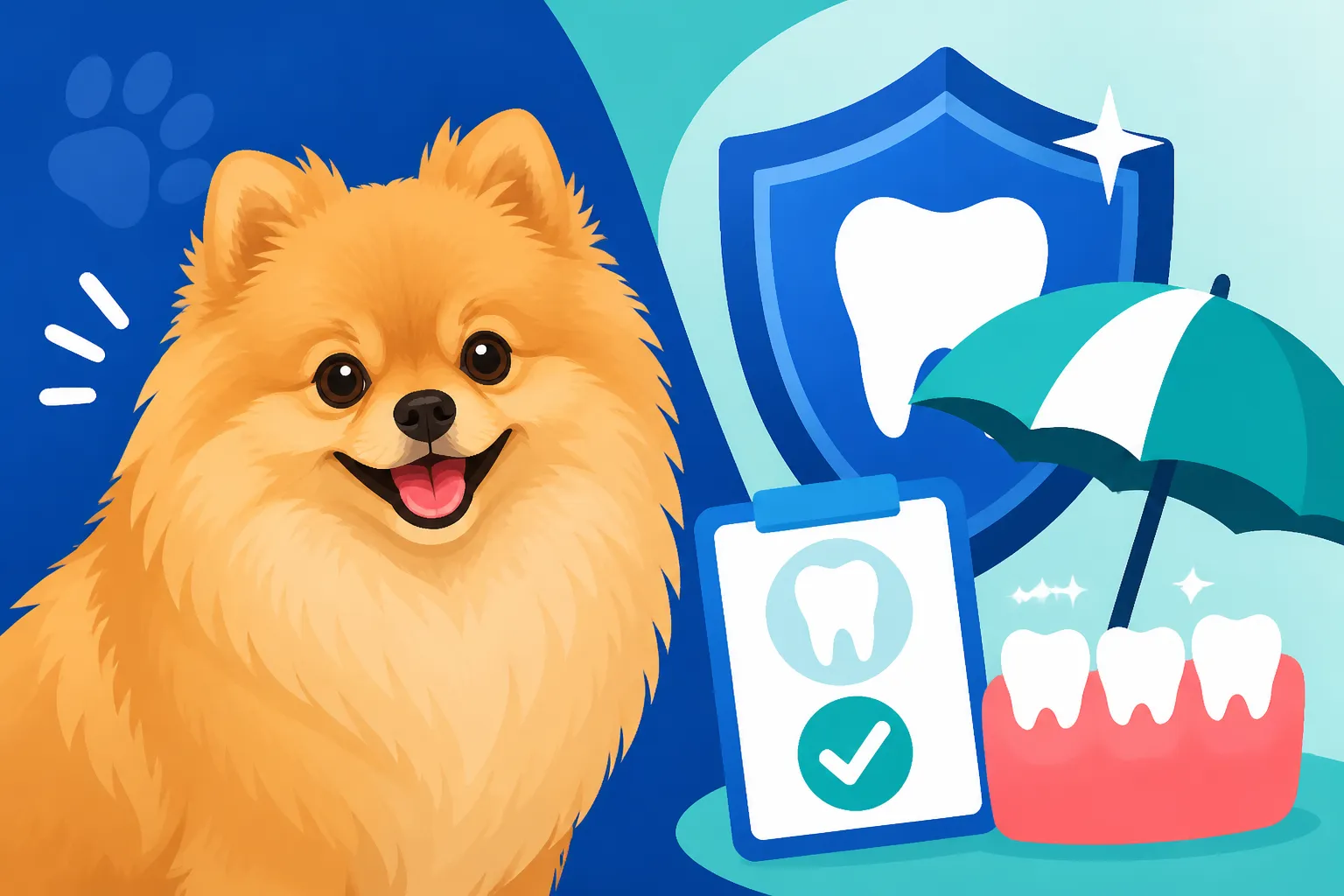
Oh, the dread of that vet visit when they tell you your sweet Pomeranian needs a dental cleaning, or worse, extractions. Many of us have been there, facing a bill that feels like it belongs to a much larger dog, and wondering, "Doesn't my pet insurance cover this?" It's a frustrating and often confusing situation, and this guide is here to shed some light on exactly what pet insurance typically pays toward a Pomeranian's dental care, helping you navigate the complexities and make informed decisions for your furry family member.
Understanding Pomeranian Dental Health Challenges
Pomeranians, with their adorable, compact size, unfortunately come with a predisposition to dental problems that can catch many owners off guard. It’s not just about bad breath; it's a serious health issue that can impact their overall well-being and lead to significant discomfort.
The Unique Vulnerabilities of a Pomeranian's Mouth
Imagine trying to fit a full set of adult human teeth into a teacup. That's essentially the challenge a Pomeranian's mouth faces. Their small jaws are often simply too tiny to comfortably accommodate all 42 adult teeth. This overcrowding leads to teeth rotating, overlapping, and generally sitting too close together. These tight spaces become perfect traps for food particles and bacteria, areas that are nearly impossible for you, or even your vet, to clean thoroughly. This architectural flaw, if you will, is a major reason why Poms are so susceptible to plaque and tartar buildup.
Beyond overcrowding, their delicate jaw structure can also be more prone to issues, especially as they age. The bone supporting these crowded teeth can thin, making them more vulnerable to infection and loss. It's not uncommon to hear about a Pomeranian losing teeth by five, which highlights just how early these issues can manifest. Without proactive care, these conditions can escalate quickly, leading to pain and further complications.
The Silent Progression of Dental Disease
One of the most insidious aspects of dental disease in Pomeranians is how quietly it progresses. Dogs are incredibly stoic creatures, and a Pomeranian, despite its bold personality, is no exception. They often won't show obvious signs of pain or discomfort until the disease is quite advanced, making it easy for owners to miss early warning signs. You might notice a slight change in their breath, perhaps a reluctance to chew on hard toys, or a bit of redness along the gum line, but severe pain can be masked by their desire to simply carry on.
By the time you see visible tartar, swollen gums, or notice your Pom dropping food, the problem has likely been brewing for months, if not years. This silent progression means that by the time a veterinary dental examination is performed, often under anesthesia for a thorough look, the extent of the disease can be surprising, requiring extensive cleaning and often multiple extractions. This is why regular check-ups and being vigilant about your dog's mouth are so crucial. Catching issues early can save your Pomeranian a lot of pain and save you a significant amount of money in advanced treatments.
Why Dental Procedures are Often So Expensive
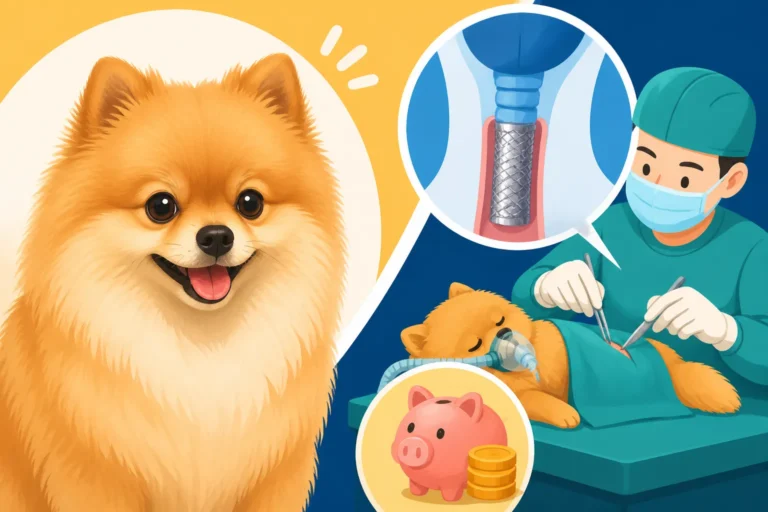
When your vet outlines the cost of a Pomeranian dental, it can feel like a shock. It's not just a simple cleaning like we humans get. Because Pomeranians are small dogs, and because dental disease progresses silently, the procedures often involve much more than a quick polish. Anesthesia is almost always required for a thorough examination, scaling, and polishing, and this alone is a significant cost factor. Many vets run pre-anesthetic bloodwork to ensure your little Pom is healthy enough for the procedure, adding another layer of expense, which is especially important for breeds like Poms that can have a higher Anesthesia Risk in a Four Pound Pomeranian.
Furthermore, modern veterinary dentistry includes full mouth X-rays to assess the health of the tooth roots and jawbone, as much of the disease hides below the gum line. Then there are the potential extractions, which are far from simple tooth pulls. Each extraction requires careful surgical technique, sometimes bone grafting, and specialized pain management. The time, expertise, equipment, and medications involved in safely performing a comprehensive dental procedure on a tiny Pomeranian all contribute to the substantial bill. It's a medical procedure, not a cosmetic one, designed to alleviate pain and prevent systemic health issues.
Pet Insurance Basics: How It Works for Dental Care
Navigating pet insurance can feel like trying to solve a puzzle, especially when it comes to dental coverage. It’s not as straightforward as covering a broken leg, largely due to the preventative and sometimes chronic nature of dental issues.
Accident & Illness vs. Wellness Plans
When you're looking at pet insurance, you'll generally encounter two main types of plans: Accident & Illness (A&I) and Wellness plans.
Accident & Illness plans are the core of most pet insurance policies. These are designed to cover unexpected, significant veterinary expenses stemming from accidents (like a broken bone or ingestion of a foreign object) or illnesses (such as cancer, diabetes, or, crucially, dental disease when it reaches a treatable stage). Most A&I plans do not cover routine preventative dental care like annual cleanings, unless specific complications arise. However, if your Pomeranian develops an infection, needs extractions due to advanced periodontal disease, or suffers a fractured tooth from an accident, an A&I plan typically will cover a portion of those costs. The key is that it's usually for treatment of existing dental problems, not for preventing them in the first place. You'll want to review your specific policy documents carefully to understand the nuances, as some policies may have limitations on certain types of dental issues or require regular preventative care for coverage to be valid.
Wellness plans, on the other hand, are specifically designed to help budget for routine, predictable veterinary care. This is where you'll find coverage for things like annual check-ups, vaccinations, parasite prevention, and, most importantly for our Poms, routine dental cleanings. These plans are often offered as an add-on to an A&I policy, or as standalone packages by some providers. They work by reimbursing a set amount for specific services, or covering a percentage up to an annual limit for preventative care. For a Pomeranian, given their dental predispositions, a wellness plan that includes a yearly cleaning can be incredibly valuable, offsetting a significant portion of that routine preventative bill. Brands like Healthy Paws and Chewy often offer options or partnerships that include wellness benefits.
Understanding Deductibles, Reimbursement Rates, and Annual Limits
These three terms are the pillars of how pet insurance financially works, and understanding them is crucial for figuring out what you'll actually pay out-of-pocket for your Pomeranian's dental work.
The deductible is the amount of money you need to pay first before your insurance company starts reimbursing you. Think of it like your car insurance deductible. If you have a $250 deductible and your Pom's dental surgery costs $1,500, you pay the first $250, and then the insurance company calculates their share based on the remaining $1,250. Some policies have an annual deductible, meaning once you meet it, all subsequent claims for that year are subject to reimbursement. Others have a per-incident deductible, where you pay it for each new condition or incident. For ongoing dental issues, an annual deductible is usually more favorable.
The reimbursement rate is the percentage of the covered veterinary bill that your insurance company will pay back to you after the deductible has been met. Common reimbursement rates range from 70% to 90%. So, if your reimbursement rate is 80% and the covered portion of your Pom's dental bill after the deductible is $1,250, the insurance company will pay you $1,000 (80% of $1,250). The remaining 20% ($250) is your co-pay.
Finally, annual limits are the maximum amount your insurance company will pay out in a given policy year. This can range from a few thousand dollars to unlimited coverage. While dental procedures can be expensive, they rarely hit the highest annual limits unless there are extensive complications or multiple procedures needed within the same year. However, it's something to be aware of, especially if your Pomeranian has other ongoing health issues in addition to dental problems. The higher the annual limit, generally the higher the premium. When budgeting for dental care, consider the impact these three factors will have on your final out-of-pocket costs.
The "Pre-Existing Condition" Quandary for Dental Disease
This is where many pet owners get tripped up and face significant frustration. A "pre-existing condition" is generally defined as any illness or injury that showed symptoms or was diagnosed before your pet's insurance policy started or during its waiting period. And for dental disease, this can be a real minefield.
Because Dental Disease in a Mouth the Size of a Pomeranian's often progresses silently, a Pomeranian might have developing issues (like tartar buildup or gingivitis) that haven't been formally diagnosed yet, but are still considered "pre-existing" by the insurer. If your vet notes any dental issues on your Pom's record before you enroll in a policy or during the waiting period, any future treatment for those specific issues may be excluded from coverage. For instance, if your vet notes "mild gingivitis" during a routine check-up before your policy kicks in, and six months later your Pom needs extensive extractions due to severe periodontal disease in the same area, the insurer might deny the claim, arguing it stemmed from that pre-existing gingivitis.
This is why it's absolutely paramount to get pet insurance for your Pomeranian early – ideally when they are a puppy, before any dental issues have a chance to develop or be noted by a vet. If your Pom already has some dental concerns, you may find that those specific conditions, or even related ones, are permanently excluded from your A&I policy. Some policies have a "curable" pre-existing condition clause, meaning if a condition is resolved for a certain period (e.g., 180 days) without recurrence, it might eventually become eligible for coverage, but this is rare for chronic conditions like periodontal disease. Always read the fine print regarding pre-existing conditions and dental care to avoid disappointment.
What Standard Pet Insurance Typically Covers for Dentals
Understanding the specifics of what your policy does and does not cover is critical, especially given the prevalence of dental issues in breeds like Pomeranians. It's not always a straightforward "yes" or "no" answer.
Covered Procedures: Cleanings, Extractions, and X-rays
For most standard Accident & Illness pet insurance policies, once your Pomeranian has a diagnosable dental illness or injury, a portion of the treatment costs are typically covered. This means if your vet finds significant periodontal disease, a fractured tooth from an accidental fall, or a painful abscess, the costs associated with addressing these specific issues are usually eligible for reimbursement.
This coverage generally includes:
- Anesthesia and associated monitoring: A critical component for any dental procedure, especially for small breeds.
- Dental X-rays: Essential for assessing the health of the tooth roots and jawbone, as much of the disease is hidden from the naked eye.
- Scaling and polishing: If it's part of treating an active infection or disease, not just routine prevention.
- Tooth extractions: Including the surgical removal of diseased or fractured teeth. This can range from simple pulls to more complex surgical extractions for severely compromised teeth. For many Poms, Extractions in a Pomeranian's Small Jaw are a common occurrence.
- Root canals or other advanced dental procedures: For saving salvageable teeth, if deemed medically necessary.
- Medications: Such as antibiotics and pain relief prescribed as part of the dental treatment.
The key here is that the procedure must be deemed medically necessary to treat an illness or injury, not simply a preventative measure. So, if your Pomeranian's mouth is already healthy and you just want an annual cleaning to keep it that way, a standard A&I policy typically won't cover it.
What's Often Excluded from Standard Policies
While Accident & Illness plans cover treatment of dental disease, there are several common exclusions that can leave owners footing the bill for significant portions of their Pomeranian's dental care. These exclusions are often the source of confusion and frustration for policyholders.
The most common exclusion is routine, preventative dental care. This means your Pomeranian's yearly cleaning, if it's purely for maintenance and there's no active disease, will likely not be covered by an A&I policy. This is a big deal for Poms, as consistent preventative care is their best defense against severe disease. Some policies might cover it if it's explicitly bundled into a "comprehensive" plan or as an optional add-on wellness rider, but it's not standard.
Other common exclusions can include:
- Cosmetic procedures: Any dental work done purely for aesthetic reasons, which is rare in veterinary medicine but worth noting.
- Pre-existing conditions: As discussed, if dental issues were present or symptomatic before coverage began, they are usually excluded. This is a major factor for Dental Disease in a Mouth the Size of a Pomeranian's.
- Orthodontic treatments: Procedures like braces to correct misaligned teeth are rarely covered unless they are deemed medically necessary to correct a painful bite or prevent disease.
- Dental cleanings without associated disease: Even if your dog has some tartar, if it's not yet progressed to gingivitis or periodontal disease, some policies might argue it's "routine" and not covered. This can be a grey area, so consistent brushing is important.
- Certain types of retained deciduous (baby) teeth: While pulling retained baby teeth is often medically necessary for a Pomeranian puppy to prevent crowding and future issues, some policies might classify this as a developmental issue not covered under standard illness. You'll need to check your policy specifics for "The Age a Pomeranian Should Lose Its Baby Teeth" and whether intervention is covered.
Always, always read your policy's full terms and conditions, specifically the dental section, before assuming coverage.
The Importance of Routine Preventative Care
Even with the best pet insurance, the old adage "an ounce of prevention is worth a pound of cure" holds especially true for Pomeranian dental health. Because so many serious dental conditions can be considered pre-existing if not caught and treated early, and because routine cleanings are often excluded from standard A&I plans, proactive home care and regular vet check-ups are paramount.
Establishing a routine of Brushing a Pomeranian's Teeth Every Day is the single most effective thing you can do to prevent plaque and tartar buildup. While challenging with a wiggly Pom, even a few minutes daily can make a huge difference in slowing the progression of dental disease. Regular brushing can significantly reduce the frequency and severity of professional dental cleanings your Pomeranian might need, potentially saving you thousands over their lifetime. This daily ritual also helps you become familiar with your Pom's mouth, making it easier to spot early signs of trouble, like redness, swelling, or unusual odors.
Beyond home brushing, adhere to your veterinarian's recommendations for professional dental cleanings. Even with diligent home care, most Pomeranians will eventually need professional cleanings under anesthesia due to their genetic predisposition and crowded mouths. These cleanings allow the vet to remove tartar below the gum line and assess the full scope of their dental health, addressing issues like Why a Pomeranian's Teeth Crowd and Rot before they become critical. Investing in these preventative measures not only keeps your Pom healthier and more comfortable but can also make a difference in what your insurance will cover down the line, as many policies require evidence of preventative care to cover advanced dental treatments.
Enhancing Coverage: Wellness Plans and Add-ons
While standard accident and illness policies are crucial for major dental problems, they often leave a gap for routine preventative care. This is where wellness plans and specific dental add-ons come into play, offering a way to budget for those regular cleanings that Poms so desperately need.
How Wellness Plans Can Help with Routine Cleanings
Wellness plans are specifically designed to bridge the gap left by standard Accident & Illness policies, providing coverage for the routine care that helps keep your Pomeranian healthy in the first place. For dental health, this means they can be incredibly beneficial for covering a portion of your Pom's annual or biennial professional cleaning.
These plans typically work in one of two ways: they might offer a fixed reimbursement amount for a dental cleaning per year, or they might cover a percentage of the cleaning cost up to a certain annual limit. For example, a wellness plan might state it covers "one dental cleaning per year up to $300-$500." While this might not cover the entire cost of a comprehensive dental, which can easily run into four figures, it certainly helps to significantly reduce your out-of-pocket expense for a procedure that is medically advised for almost every Pomeranian. This predictability makes budgeting much easier.
Consider a brand like Chewy, which might offer wellness package options that include dental cleanings, or companies like Ollie that focus on overall pet health and often have wellness components that can include preventative care. By combining a robust A&I policy with a wellness plan, you create a more comprehensive safety net for your Pomeranian, ensuring both unexpected dental emergencies and planned preventative care are more affordable. This can be especially wise for a breed known for its dental vulnerabilities, as it means you're not constantly dipping into "The Fund a Pomeranian Owner Needs for Dentals" for routine maintenance.
Weighing the Costs and Benefits of Add-on Riders
Many pet insurance providers understand the demand for more extensive dental coverage and offer specific "dental add-on riders" or enhanced dental benefits that you can purchase in addition to your base Accident & Illness policy. These riders are distinct from general wellness plans because they often provide more robust coverage for dental issues, sometimes even addressing areas that a basic wellness plan or A&I policy might exclude.
When considering an add-on rider, carefully compare the additional premium cost against the benefits offered. Some riders might cover a higher percentage of routine cleanings, or even extend to procedures like orthodontics (though less common for Poms unless medically necessary) or treatment for gingivitis before it progresses to severe periodontal disease. They might also have different waiting periods or lower deductibles specifically for dental care.
For a Pomeranian, where How Many Dentals a Pomeranian Needs in a Lifetime can be quite a few, a comprehensive dental add-on could be a smart investment. It’s about calculating whether the extra monthly premium is offset by the potential savings on future dental bills, considering your Pom's age, current dental health, and your vet's recommendations. Look for transparency in what's covered – does it cover X-rays, extractions, and anesthesia fully, or just a portion? Are there any exclusions for specific types of dental issues? Making an informed decision here requires a bit of math and a thorough read of the policy documents.
Comparing Wellness Options from Different Providers
When it comes to dedicated wellness benefits or specific dental coverage, not all providers are created equal. It pays to shop around and compare the offerings from various pet insurance companies, as their approach to routine dental care can vary significantly.
For instance, a company like Healthy Paws is widely respected for its robust Accident & Illness coverage, often with high reimbursement rates and no annual limits. However, Healthy Paws typically does not offer a separate wellness plan, meaning routine cleanings would generally be an out-of-pocket expense. This means you'd need to factor that into your budget.
On the other hand, some providers like Trupanion offer an Accident & Illness policy and may have options or partnerships that can include preventative care as an add-on. Other companies might integrate wellness directly or offer tiered wellness packages. For example, some plans might cover a yearly cleaning and minor extractions up to a certain dollar amount, while others might cover a percentage of a range of preventative services.
It's also worth noting companies focused on a broader spectrum of pet care, like Chewy or even certain veterinary practices that offer their own in-house wellness packages. These packages can sometimes be a great alternative, as they are specifically designed for preventative care, including dentals, and might be more cost-effective for just those services than a full-blown pet insurance wellness add-on.
When comparing, always look at:
- The exact procedures covered for dental care (cleanings, X-rays, polishing).
- The annual limit for dental procedures.
- Whether there's a deductible for wellness benefits (often there isn't, but confirm).
- Any waiting periods for dental coverage.
- The total monthly cost of the wellness plan or add-on versus the potential reimbursement.
By doing your homework, you can find a plan that best suits your Pomeranian's needs and your financial comfort level.
Navigating Claims and Maximizing Reimbursement
Once your Pomeranian has had its dental procedure, the next step is navigating the claims process to get reimbursed. This can sometimes feel daunting, but understanding the steps and what your insurer expects can make it much smoother.
The Claim Process: Documentation and Timelines
The claims process for pet insurance, including dental procedures, generally follows a similar pattern across most providers. First and foremost, you'll need to submit a claim form, which is usually available online through your insurer's portal or app.
The most critical part of this process is providing comprehensive documentation. Your veterinary clinic will be your best friend here. You'll need:
- Itemized invoice: This detailed bill lists every service performed, medication administered, and product purchased during the dental procedure. It should clearly show the costs for anesthesia, X-rays, scaling, polishing, extractions (often per tooth or per quadrant), and any post-operative medications.
- Veterinary medical records: These are vital. They include your Pomeranian's full history, the veterinarian's notes from the exam leading up to the dental, the specific diagnosis, and any pre-operative and post-operative instructions. These records help the insurer confirm the medical necessity of the procedures and ascertain if any pre-existing conditions apply.
- Confirmation of payment: Proof that you have paid the veterinary clinic in full. Most pet insurance works on a reimbursement model, meaning you pay the vet first, and then the insurer pays you back.
It's wise to submit your claim as soon as possible after the procedure. Most policies have a specific timeframe within which claims must be submitted (e.g., 90 days from the date of service). Missing this window could result in a denied claim. Keep copies of everything you submit for your own records, just in case there are any questions or discrepancies.
Understanding Your Policy's Payout Calculation
Once your claim is submitted with all the necessary documentation, the insurance company will review it to determine what's covered and calculate your reimbursement. This calculation directly reflects the deductible, reimbursement rate, and annual limits discussed earlier.
Let's use a hypothetical example:
- Total Vet Bill for Pomeranian Dental: $1,200 (including X-rays, scaling, 3 extractions, anesthesia, and meds)
- Your Policy: $250 annual deductible, 80% reimbursement rate, $10,000 annual limit.
- Deductible Applied: The first $250 of the bill is your responsibility.
- Remaining eligible bill: $1,200 – $250 = $950.
- Reimbursement Calculated: The insurance company then applies your 80% reimbursement rate to the remaining eligible bill.
- Insurance payout: 80% of $950 = $760.
- Your Out-of-Pocket Cost: Your deductible ($250) + the remaining 20% of the eligible bill (20% of $950 = $190).
- Total you pay: $250 + $190 = $440.
In this scenario, for a $1,200 dental bill, your insurance would reimburse you $760, meaning you saved a substantial amount. It's important to remember that this calculation only applies to covered procedures. If part of the bill was for something excluded (like a purely cosmetic procedure, which is rare in vet dentistry but still possible to be excluded if not medically indicated), that portion would not be included in the eligible bill amount. This is why understanding The Bill When a Pomeranian Loses Six Teeth can be so important, as each step adds to the overall cost and reimbursement calculation.
Strategies to Reduce Out-of-Pocket Expenses
Even with pet insurance, you'll still have out-of-pocket expenses for your Pomeranian's dental care due to deductibles and co-pays. However, there are several strategies you can employ to minimize these costs and make comprehensive dental care more affordable.
Firstly, choose your policy wisely. Opting for a higher reimbursement rate (e.g., 90% instead of 70%) can significantly reduce your co-pay, though it typically means a higher monthly premium. Similarly, selecting a manageable deductible that you can comfortably pay once a year can also impact your overall savings. Don't just look at the lowest monthly premium; calculate the total cost over a year, considering potential claims.
Secondly, invest in preventative care early and consistently. As mentioned, daily brushing, appropriate dental chews (always consult your vet first), and regular professional cleanings can prevent severe disease, which in turn prevents costly extractions and advanced treatments. By preventing Why a Pomeranian's Teeth Crowd and Rot or developing severe Gum Disease in a Pomeranian, you reduce the need for expensive interventions. This also helps ensure that when serious issues do arise, they are less likely to be considered pre-existing conditions, thus increasing the likelihood of insurance coverage.
Thirdly, discuss treatment plans thoroughly with your vet. Understand all the options, and ask about estimated costs for each. Sometimes, phasing treatments or exploring less invasive options (if medically appropriate) can help manage the immediate financial burden. Some vets may also offer payment plans or work with third-party financing options like CareCredit. Finally, maintain a dedicated savings account or "The Fund a Pomeranian Owner Needs for Dentals" specifically for your Pom's healthcare. This financial buffer can cover deductibles, co-pays, or expenses for services not covered by insurance.
Beyond Insurance: Other Ways to Afford Pomeranian Dental Care
Even with the best insurance plan, dental care for your Pomeranian can still be a significant expense. It’s important to explore all avenues to ensure your furry friend receives the care they need without breaking the bank.
Proactive Home Dental Care to Prevent Costly Issues
I cannot stress this enough: proactive home dental care is your absolute best defense against the staggering costs of advanced veterinary dentistry. For a Pomeranian, with their tiny, crowded mouths, it's not just recommended, it's virtually mandatory. Think of it as investing pennies now to save thousands later.
The cornerstone of home care is consistent brushing. Aim for Brushing a Pomeranian's Teeth Every Day. Yes, it sounds like a lot, but even a quick minute or two can make a massive difference. Use a pet-specific toothpaste and a small toothbrush designed for toy breeds, or even a finger brush. Start slow, make it a positive experience with praise and treats, and build up their tolerance. Regular brushing mechanically removes plaque before it hardens into tartar, which is impossible to remove without a professional cleaning. This simple act can delay the need for expensive professional procedures and keep their gums healthy, preventing conditions like Gum Disease in a Pomeranian.
Beyond brushing, discuss other home care options with your veterinarian. This might include dental chews or water additives that are specifically formulated to reduce plaque buildup. Be cautious with chews, ensuring they are appropriately sized and not too hard for your Pom's delicate teeth, as a broken tooth from a too-hard chew can lead to another costly dental procedure. Remember, no chew or additive replaces brushing or professional cleanings, but they can be valuable adjuncts in your overall dental health strategy.
Payment Plans and Financial Assistance Programs
When faced with a large veterinary dental bill, especially for unexpected extractions or advanced periodontal treatment, it's easy to feel overwhelmed. However, there are often resources available beyond pet insurance to help ease the financial burden.
Many veterinary clinics understand the high cost of care and offer in-house payment plans. It never hurts to ask your vet's office if they have such options, or if they work with third-party financing solutions like CareCredit. These programs allow you to pay off your bill in installments, often with low or no interest for a set period, making a large sum much more manageable.
Additionally, there are various financial assistance programs designed to help pet owners afford veterinary care. These can be national organizations, breed-specific rescues, or local charities. For Pomeranians, you might find breed-specific rescues or clubs that have funds set aside to assist owners with significant veterinary expenses, especially for conditions common to the breed, like severe dental disease. Foundations like The Pet Fund, RedRover, or provincially/state-specific programs are worth exploring. They often have specific criteria, so you'll need to research which ones you might qualify for, but they can provide grants or assistance for life-saving or pain-alleviating procedures.
Finally, consider setting up your own dedicated savings fund specifically for your Pomeranian's healthcare. Even saving a small amount each month can accumulate into a significant sum over time, creating your own "The Fund a Pomeranian Owner Needs for Dentals" that can cover deductibles, co-pays, or even the full cost of preventative cleanings if you opt against a wellness plan. This proactive financial planning can provide immense peace of mind.
The Long-Term Value of Investing in Dental Health
It's easy to view dental cleanings and procedures as just another expense, but for a Pomeranian, investing in their oral health offers profound long-term value that extends far beyond just pretty teeth. Neglecting dental disease in a Pom can lead to a cascade of more serious, and far more expensive, health problems.
Untreated periodontal disease in dogs has been linked to systemic health issues, including heart, kidney, and liver disease. The bacteria from infected gums can enter the bloodstream and travel to these vital organs, causing damage over time. So, while you're paying for a dental procedure, you're actually preventing potentially life-threatening organ damage, which would incur significantly higher veterinary bills down the road – think cardiac workups, specialized diets, or long-term medication for chronic conditions. Regular dental care is a cornerstone of overall health and can directly contribute to How Long a Well Bred Pomeranian Actually Lives.
Furthermore, a dog suffering from dental pain is simply not a happy dog. They might be irritable, reluctant to eat, or withdraw from interaction. Investing in dental health means investing in your Pomeranian's quality of life and comfort. Alleviating chronic pain can transform their personality, making them more playful, engaged, and affectionate. The cost of a dental procedure, especially if partially covered by insurance, is a small price to pay for a pain-free, happy, and healthier Pomeranian companion for years to come. It’s truly an investment in their longevity and your shared joy.
| Coverage Type | Routine Dental Cleanings | Periodontal Disease Treatment | Fractured Teeth (Accident) | Oral Surgery (Tumors, etc.) | Pre-Existing Conditions |
|---|---|---|---|---|---|
| Standard A&I Policy | Generally Excluded | Often Covered | Usually Covered | Often Covered | Usually Excluded |
| Wellness Plan Add-on | Often Covered (up to limit) | N/A (focus on prevention) | N/A (focus on prevention) | N/A (focus on prevention) | N/A (focus on prevention) |
| Comprehensive Dental Rider | Often Covered (higher limits) | Covered | Covered | Covered | Policy Dependent |
Disclaimer
This article is for general informational purposes only and does not constitute professional advice. Laws, prices and regulations vary by location and change over time. Consult a qualified professional for guidance on your specific situation.