Protecting a Bald Pomeranian’s Skin From Sun
It's heartbreaking to see your fluffy Pomeranian lose their glorious coat, often due to conditions like Alopecia X, leaving their delicate skin exposed and vulnerable. Many owners quickly realize that this baldness isn't just a cosmetic issue; it brings a whole new set of concerns, particularly when it comes to sun exposure. This guide will walk you through everything you need to know about protecting your bald Pomeranian's sensitive skin from the sun's harsh rays, ensuring they stay comfortable and safe.
Understanding the Vulnerability of Bald Pomeranian Skin
When your Pomeranian's magnificent double coat, a defining feature of the breed, starts to thin or disappear, it's a shock. You might feel a mix of sadness, confusion, and a sudden, urgent need to protect them from the elements. This isn't just about aesthetics; their skin, which was once perfectly insulated and shielded, is now at the mercy of the environment, especially the sun.
Why Baldness Happens in Pomeranians
The most common culprit behind baldness in Pomeranians is a condition often referred to as Alopecia X. Many Pomeranian owners are familiar with this, sometimes calling it "Black Skin Disease" due to the hyperpigmentation that can occur alongside the hair loss. It’s a truly frustrating and often mystifying condition for owners because there isn't always a clear cause or a guaranteed cure. You might wake up one day and realize that The Age Alopecia X Usually Appears in a Pomeranian has arrived, and suddenly that fluffy butt or thick ruff is starting to look sparse.
But Alopecia X isn't the only reason a Pomeranian might lose its coat. Other health issues can lead to thinning or bald patches. Hormonal imbalances, such as hypothyroidism, can cause significant coat changes and are sometimes The Hormone Disease Mistaken for a Pomeranian's Alopecia. Allergies, parasites, or even certain medications can also play a role. Beyond medical conditions, sometimes owners inadvertently contribute to coat loss. For instance, Whether a Groomer Should Ever Shave a Pomeranian is a topic of much debate in the Pom community, and for good reason; improper shaving can permanently damage their delicate double coat, leading to patchy, poor regrowth or even complete bald spots that weren't there before.
The Dangers of UV Exposure for Canine Skin
Imagine going outside on a sunny day without any clothes or sunscreen. That’s essentially what your bald Pomeranian is experiencing. Their skin, which evolved to be protected by that dense, luxurious fur, is now directly exposed to ultraviolet (UV) radiation. This isn't just uncomfortable; it's genuinely dangerous.
Just like humans, dogs can get sunburned, and the skin of a bald Pomeranian is exceptionally susceptible. A mild sunburn can cause redness, tenderness, and irritation, making your dog visibly uncomfortable. They might try to lick or scratch the affected areas, potentially leading to secondary skin infections. More severely, repeated exposure to harmful UV rays without protection can have devastating long-term consequences, including an increased risk of various forms of skin cancer. Melanoma, squamous cell carcinoma, and hemangiosarcoma are all serious concerns, and seeing these diagnoses in our beloved companions is a fear every pet parent wants to avoid. Protecting their skin is not merely a cosmetic choice; it is a critical health imperative.
Practical Strategies for Sun Protection
Navigating sun protection for a bald Pomeranian might feel daunting at first, but with a few practical strategies, you can ensure your little companion enjoys the outdoors safely. The key is to be proactive and consistent, making sun safety a regular part of your routine.
Specialty Sunscreen for Dogs
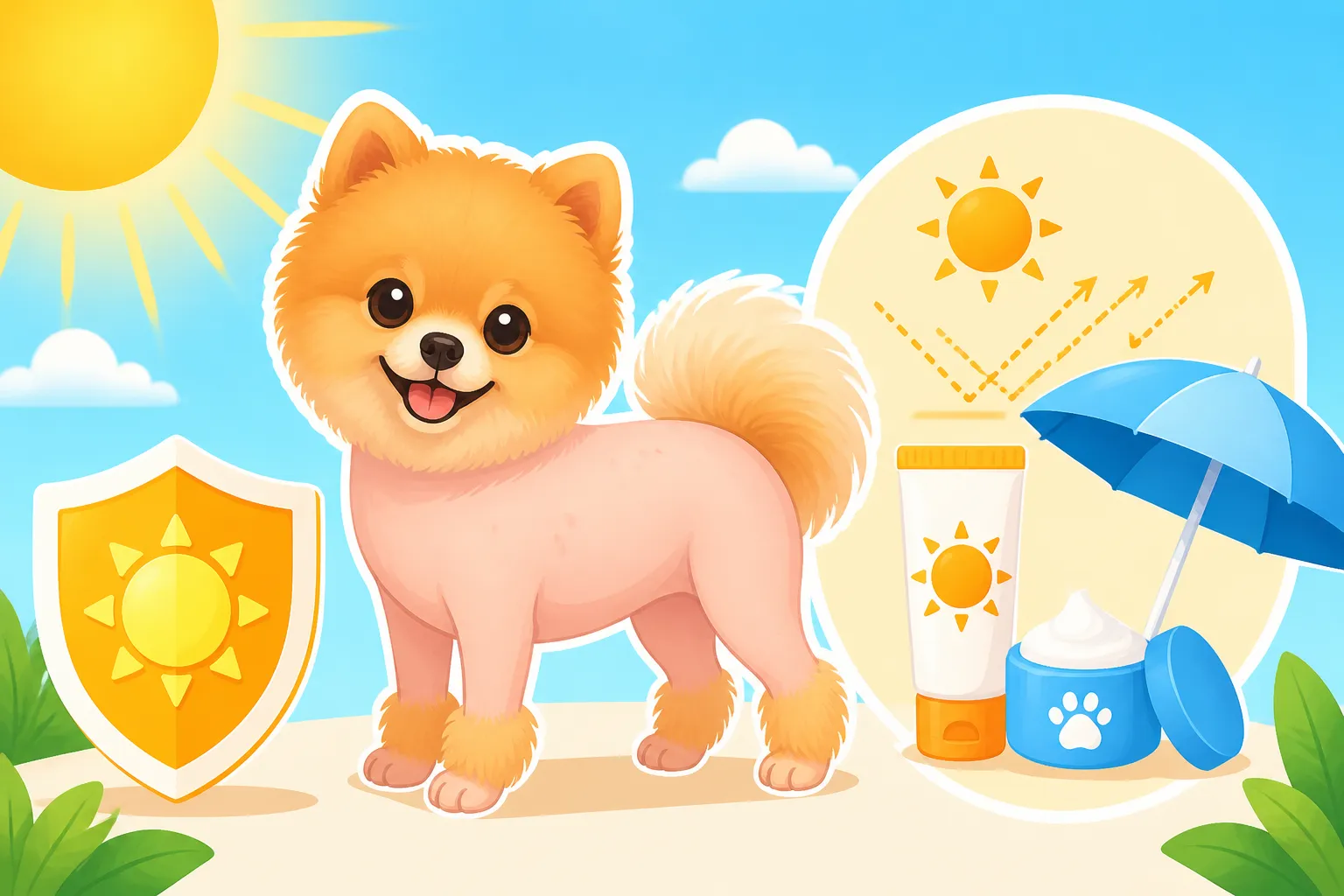
When you think of sun protection, sunscreen is probably the first thing that comes to mind, and it's a great tool for your bald Pom. However, it's crucial to use dog-specific sunscreen. Human sunscreens often contain ingredients like zinc oxide and para-aminobenzoic acid (PABA), which are toxic to dogs if ingested. And let's be honest, your Pom is almost certainly going to try and lick off whatever you put on their skin! Dog sunscreens are formulated with their safety in mind, using non-toxic ingredients.
Application is paramount for effectiveness. Focus on the most vulnerable areas: the tips of their ears, the bridge of their nose, any prominent bald spots on their back, sides, or hindquarters (especially if you've noticed The Thinning That Starts on a Pomeranian's Hindquarters), and even their belly if they love to roll over and expose it to the sun. Apply a thin, even layer about 15-20 minutes before heading outside to allow it to absorb fully. Reapplication is just as important as the initial application, especially if your Pom has been playing, rubbing against things, or if you've been out for a couple of hours. Aim for reapplying every 2-3 hours for continuous protection.
Protective Clothing and Gear
Who says sun protection can't be fashionable? For bald Pomeranians, lightweight, breathable, and UV-protective clothing isn't just a cute accessory; it's an essential shield against the sun's rays. Think of canine-specific rash guards or full-body suits made from fabrics with a UPF (Ultraviolet Protection Factor) rating. This provides an excellent physical barrier, covering large areas of exposed skin and greatly reducing the risk of sunburn. Whether a Pomeranian Needs Clothing at All becomes a resounding "yes" when they're bald and heading outdoors. Brands like Ruffwear and Hurtta offer quality dog apparel that can include UV protection.
Beyond full-body garments, consider other protective gear. Dog hats with wide brims can offer shade for their delicate noses and ears, which are often the first spots to burn. While perhaps a harder sell for some Poms, specialized dog sunglasses, often called Doggles, can protect their eyes from harmful UV rays and glare. Introducing these items slowly and with positive reinforcement can help your Pom get used to wearing them. The goal is comfort and protection, not a battle every time you need to go outside.
Adjusting Outdoor Schedules and Habits
Sometimes, the simplest solutions are the most effective. The easiest way to protect your bald Pomeranian from the sun is to avoid it during its most intense hours. This generally means keeping your Pom indoors or strictly in shaded areas between 10 AM and 4 PM, when UV radiation is strongest.
Plan your walks and outdoor play sessions for early mornings or late afternoons. Not only is the sun less harsh, but temperatures are usually cooler, which is also beneficial for a small dog like a Pomeranian. If your Pom absolutely needs to go out during peak hours, make it a very brief potty break in a heavily shaded part of the yard. Even a few minutes of direct sun exposure on unprotected, bald skin can lead to sunburn. By consciously adjusting your daily routine and providing plenty of shaded options, you can significantly reduce your Pom's risk of sun damage.
Recognizing and Treating Sunburn in Pomeranians
Even with the best preventative measures, accidents can happen. Maybe you forgot to reapply sunscreen, or your Pom found a sunny patch they shouldn't have been in. Knowing how to spot sunburn and what steps to take next is crucial for their well-being.
Identifying Signs of Sunburn
Sunburn in a Pomeranian presents similarly to how it would on human skin, but it can be harder to spot under any remaining fur or if their skin is already pigmented from conditions like Alopecia X. The most obvious signs include redness of the skin, which might be subtle or quite pronounced depending on the severity. The affected area will often be warm to the touch and tender, causing your Pom to flinch or show discomfort when handled. You might also notice your dog excessively licking, scratching, or rubbing the sunburned spots as if trying to relieve an itch or irritation.
In more severe cases, you could observe blistering, peeling skin, or even crusting over the affected areas. If the sunburn is particularly bad, the skin might become leathery or cracked. Be vigilant for behavioral changes as well: a sunburned Pom might be lethargic, reluctant to play, or show signs of pain, such as whimpering or hiding. Any sign of blistering, widespread redness, or systemic illness like fever or extreme lethargy warrants immediate veterinary attention.
Immediate First Aid and Veterinary Care
For very mild sunburn, such as a slight reddening without any blistering or obvious pain, you can provide some basic first aid at home. Gently apply a cool, damp cloth to the affected area to help soothe the skin and reduce inflammation. Another option for soothing mild sunburn is 100% pure aloe vera gel. Ensure it is specifically plain aloe vera, free from any additives like lidocaine, alcohol, or other chemicals that could be toxic if your Pom licks it. Always consult your veterinarian before applying any topical treatments, even natural ones, to ensure they are safe for canine use and won't exacerbate the problem.
However, if the sunburn is anything more than superficial — meaning there's blistering, peeling, intense pain, or if your Pom is showing signs of systemic illness like a fever or severe lethargy — do not hesitate to contact your veterinarian immediately. They can accurately assess the severity of the burn, prescribe appropriate pain relief, anti-inflammatory medications, or topical creams to promote healing and prevent infection. In some cases, antibiotics might be necessary if the skin barrier is compromised and infection sets in. Dealing with unexpected vet visits for conditions like this highlights the value of pet insurance. Having a comprehensive plan from a provider like Healthy Paws can significantly ease the financial burden of these essential treatments, allowing you to focus on your Pom's recovery without added stress.
Long-Term Care and Prevention for Bald Poms
Living with a bald Pomeranian means that sun protection isn't just a seasonal concern; it's a year-round commitment. Establishing a consistent routine and partnering with your veterinarian are key to ensuring their long-term health and comfort.
Regular Skin Checks and Hydration
Make it a habit to perform regular, thorough skin checks on your bald Pomeranian. This means gently parting any remaining fur and carefully examining their exposed skin for any changes. Look for new areas of redness, dry patches, flaking, scabs, lumps, or discolorations. Pay close attention to areas that get the most sun exposure. Early detection of any skin abnormalities, including potential pre-cancerous lesions or skin cancers, is absolutely vital for successful treatment. It's much easier to address a small issue than a widespread or advanced one.
Beyond external checks, internal health plays a crucial role in skin integrity. Ensuring your Pom is well-hydrated is fundamental; always provide access to fresh, clean water. You might also discuss with your vet whether certain dietary supplements could benefit your Pom's skin health. Omega-3 fatty acids, often found in fish oil, are fantastic for supporting skin barrier function and coat quality, even in a bald Pom. These Supplements That Support a Pomeranian's Skin can make a noticeable difference in the overall health and resilience of their exposed skin.
Creating a Sun-Safe Environment
Environmental control is a powerful tool in your sun protection arsenal. Take a critical look at your home and yard through the eyes of a bald Pomeranian. Are there plenty of shaded areas in your backyard where they can comfortably do their business or relax without direct sun exposure? Consider adding a patio umbrella, a dog-specific pop-up tent, or even strategically placed shade cloths to create safe zones. If you have a larger yard, planting a deciduous tree could offer long-term, natural shade.
Indoors, observe your Pom's favorite nap spots. If they tend to gravitate towards sunny windows or areas where sunlight streams in, make adjustments. Draw curtains or blinds during peak sun hours, or gently redirect them to a cooler, shaded bed or crate. These small modifications to their immediate environment can significantly reduce incidental sun exposure and keep them more comfortable throughout the day. It's about thinking ahead and creating a sanctuary that protects their delicate skin.
Working With Your Veterinarian
Your veterinarian is your most important partner in managing your bald Pomeranian's health. Maintain open, regular communication with them about your Pom's skin condition and sun protection needs. They can provide tailored recommendations for specific dog sunscreens, UV-protective clothing, and discuss any dermatological treatments that might be appropriate. If your Pom's baldness stems from a condition like Alopecia X, your vet can discuss long-term management strategies. While Whether Alopecia X Hurts a Pomeranian refers to the condition itself usually being painless, the exposed skin will hurt if not protected.
Your vet can also guide you through potential Treatments Tried on a Pomeranian With Alopecia X, some of which might even encourage some coat regrowth, further reducing their vulnerability over time. Regular check-ups are essential to monitor skin health and catch any issues early. Should specialized diagnostic tests or ongoing treatments be necessary, having pet insurance from a reputable provider like Healthy Paws can provide invaluable financial support. They understand that managing chronic conditions and unexpected skin issues can add up, and a good policy can help ensure your Pomeranian gets the best possible care without you having to make difficult choices based on cost.
| Protection Method | Pros | Cons | Best For |
|---|---|---|---|
| Canine Sunscreen | Direct skin barrier, easy to apply to specific areas | Needs frequent reapplication, can be licked off, not for full body coverage | Exposed areas (ears, nose, bald patches, belly) |
| UV-Protective Clothing | Excellent physical barrier, covers large skin areas | Some dogs dislike wearing clothes, may cause overheating in very hot weather | Longer outdoor sessions, general body protection |
| Shade/Indoor Time | Most effective, no cost, prevents overheating | Limits outdoor activity, requires careful planning during peak hours | Peak sun hours (10 AM – 4 PM), prolonged outdoor stays |
| Dog Hats/Goggles | Targeted protection for delicate face/eyes | Dogs may resist wearing them, can be easily dislodged during play | Short outings, very sensitive facial areas |
| Adjusted Walking Times | Reduces direct UV exposure, often cooler for walks | Requires schedule flexibility, not always feasible for all owners | Daily exercise routines, walks |
| Environmental Changes | Long-term, passive protection in known outdoor spaces | Can be costly (e.g., planting trees), may require professional help | Creating safe outdoor play areas and indoor retreats |
Disclaimer
The information provided in this article is for general informational purposes only and does not constitute veterinary advice. Always consult with a qualified veterinarian for any health concerns or before making any decisions related to your Pomeranian's care, diet, or treatment.