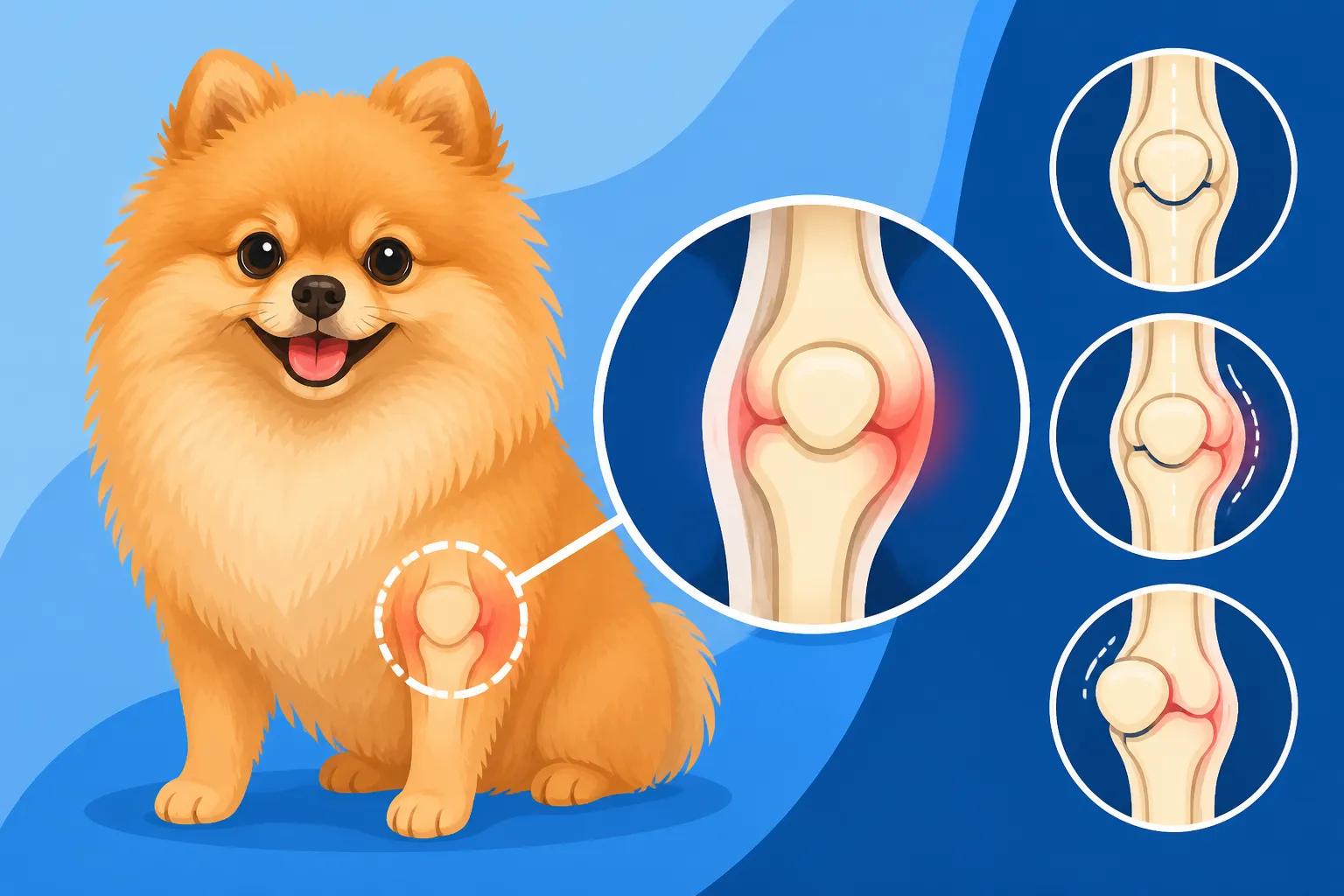
Grading Patellar Luxation in a Pomeranian
There’s little more heart-wrenching than seeing your lively, bouncy Pomeranian suddenly skip a step, hold up a back leg, or cry out in pain after what seemed like a simple jump. This often signals patellar luxation, a common orthopedic issue in our beloved small breeds where the kneecap slips out of place. It’s a condition that can range from a minor inconvenience to a severely debilitating problem, and understanding its different grades is crucial for providing the best care and making informed decisions for your furry family member. This guide will walk you through what patellar luxation is, how veterinarians grade its severity, and what each grade means for your Pomeranian's health and quality of life.
Understanding Patellar Luxation in Pomeranians
The kneecap, or patella, is a small, oval-shaped bone that sits in a groove at the end of the femur (thigh bone), just above the knee joint. It's connected to muscles in the thigh and the shin bone (tibia) by tendons, acting like a pulley to help extend the leg. When this system works correctly, the patella glides smoothly up and down within its groove as your Pomeranian walks, runs, and jumps. But in many small breeds, especially Pomeranians, this isn't always the case.
What Exactly is a Luxating Patella?
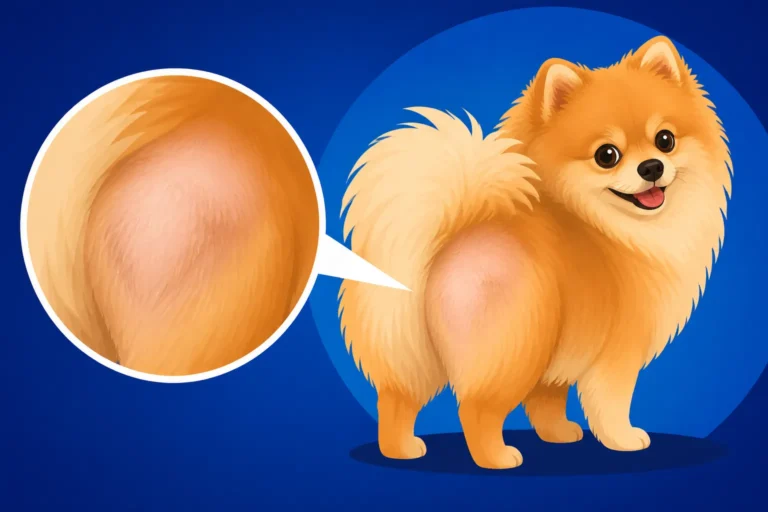
Simply put, a luxating patella means the kneecap dislocates, or "slips out," of its normal groove. Most often, in Pomeranians, the patella luxates medially, meaning it slips towards the inside of the leg. When this happens, your dog might suddenly stop bearing weight on that leg, hold it up for a few steps, and then, just as suddenly, put it back down as if nothing happened. This "skip" or "hobble" is often the first, and sometimes the only, sign many owners notice, especially in the early stages.
The underlying issue typically involves a combination of genetic and developmental factors. The groove itself might not be deep enough, or the patellar ligament might not be aligned perfectly with the groove, causing it to pull the kneecap to one side. Over time, repeated luxation can wear down the cartilage, leading to pain, inflammation, and eventually, arthritis. It's not just about the kneecap itself; the entire alignment of the leg can be affected, putting stress on other joints and ligaments.
Why Pomeranians Are Particularly Prone
Pomeranians, like many other toy and small breeds such as Chihuahuas, Miniature Poodles, and Yorkshire Terriers, have a strong genetic predisposition to patellar luxation. This isn't just bad luck; it's often due to the way their skeletal structure has been selectively bred over generations for their small size and specific proportions. The shape of their femur, the depth of the trochlear groove, and the alignment of their tibias can all contribute to the instability of the kneecap.
For a Pomeranian, whose bones are already delicate and whose legs are often slender, this predisposition makes them highly susceptible. It's not uncommon for a Pomeranian puppy to be diagnosed with patellar luxation during their initial vet checks, even before showing outward symptoms. Knowing that your Pom is at risk means you can be proactive, discussing preventative care with your vet and being vigilant for any signs of discomfort or lameness. Early detection and understanding of the grade can make a world of difference in managing the condition effectively. It's also worth noting that some insurance providers, like Healthy Paws, offer coverage for orthopedic conditions, which can be a huge relief if surgery becomes necessary.
The Four Grades of Patellar Luxation
When a veterinarian diagnoses patellar luxation, they don't just say "your dog has it." Instead, they assign a grade, typically on a scale from 1 to 4. This grading system is crucial because it helps determine the severity of the condition, guides treatment options, and provides an idea of the prognosis. Each grade describes how often the kneecap slips, how easily it slips, and how much it impacts the dog's mobility and comfort.
Grade 1: The Mildest Form
Imagine your Pomeranian happily trotting along, and then, for just a moment, a tiny hitch in their step. That's often what you see with Grade 1 patellar luxation. In this mildest form, the kneecap can be manually luxated (pushed out of its groove by a vet's fingers) but will spontaneously return to its normal position. It might also slip out on its own occasionally, but it quickly pops back in.
Many Pomeranians with Grade 1 luxation show very few, if any, clinical signs. They might have an occasional "skip" or transient lameness, but it's usually not painful and doesn't significantly interfere with their daily activities. Over time, however, if left unmanaged, the repeated slipping can cause wear and tear on the cartilage, potentially leading to the development of arthritis and progression to a higher grade. For this reason, even a Grade 1 diagnosis means it’s time to start thinking about joint support and monitoring.
Grade 2: Occasional Slipping
Grade 2 patellar luxation is a bit more noticeable. Here, the kneecap slips out of its groove more frequently, either manually or spontaneously, and doesn't always return on its own immediately. It might require the dog to extend its leg or manipulate it in a certain way for the patella to pop back into place. You might see your Pomeranian shake their leg, hold it up for several steps, or even sit down to try and reset the kneecap.
Dogs with Grade 2 luxation will often experience intermittent lameness. They might be fine one moment, and then suddenly favor a leg, especially after activity or getting up from rest. While not constantly painful, the episodes of luxation can be uncomfortable, and the chronic irritation can accelerate the development of osteoarthritis. At this stage, veterinarians often start discussing management strategies that might include weight control, anti-inflammatory medications, joint supplements, and potentially even surgical correction, especially if the dog's quality of life is being affected. This is often the crossroads where owners begin to weigh the pros and cons of intervention.
Grade 3: Frequently Dislocated
When a Pomeranian is diagnosed with Grade 3 patellar luxation, it means the kneecap is luxated most of the time. While it can still be manually reduced (pushed back into place by the vet), it will slip out again almost immediately once the pressure is released. This persistent dislocation significantly impacts the dog's gait and can lead to a bowed-leg appearance if it's been present for a long time.
Pomeranians with Grade 3 luxation typically experience noticeable and more consistent lameness. They often walk with a crouched stance, are reluctant to jump, and may exhibit signs of chronic pain. The constant friction and abnormal mechanics in the knee joint lead to significant cartilage damage and advanced arthritis. At this stage, surgical intervention is almost always recommended to prevent further deterioration and improve the dog's quality of life. Without surgery, the pain and mobility issues will likely worsen, impacting their ability to live a normal, active life. Owners often find themselves wondering Whether a Pomeranian's Kneecap Needs Surgery.
Grade 4: Permanently Dislocated
This is the most severe form of patellar luxation, and it's truly heartbreaking to see a Pomeranian suffering from it. In Grade 4, the kneecap is permanently luxated and cannot be manually returned to its normal position, even with significant force. The trochlear groove is often extremely shallow or completely absent, and the underlying bone structure of the femur and tibia may be severely deformed.
Dogs with Grade 4 luxation often exhibit profound lameness, with the affected leg held up or used minimally. Their gait is severely compromised, and they might walk with a peculiar "crabbing" motion or be unable to fully extend their knee. Chronic pain is a significant concern, and severe osteoarthritis is almost always present. Surgical correction for Grade 4 cases is much more complex and may involve extensive bone realignment procedures. While surgery can offer significant improvement, the long-term prognosis is often guarded due to the extent of the anatomical changes and damage. This severe grade highlights the importance of understanding Why Jumping Off Furniture Wrecks a Pomeranian's Knees and taking preventative measures.
Here's a table summarizing the characteristics of each grade:
| Grade | Patellar Position (Rest) | Manual Reduction | Spontaneous Reduction | Clinical Signs | Recommended Management |
|---|---|---|---|---|---|
| 1 | Mostly Normal | Yes, easy | Yes, immediate | Occasional skip, mild | Monitoring, joint supplements |
| 2 | Mostly Normal | Yes, easy | Often requires manipulation | Intermittent lameness | Conservative, potential surgery |
| 3 | Luxated most of the time | Yes, but re-luxates | No, or rare | Consistent lameness, crouched stance | Surgical correction recommended |
| 4 | Permanently Luxated | No | No | Severe lameness, significant pain | Complex surgery, guarded prognosis |
Diagnosing Patellar Luxation in Your Pomeranian
Catching patellar luxation early, or even just confirming its presence and severity, is key to giving your Pomeranian the best chance at a comfortable life. It’s not always obvious to the untrained eye, especially in the milder grades, which is why regular veterinary check-ups are so important. Your vet has a practiced eye and specific techniques to assess the knee joint.
The Physical Exam: What Your Vet Feels For
The diagnostic process for patellar luxation typically begins with a thorough orthopedic physical examination. Your veterinarian will carefully palpate (feel) your Pomeranian's knee joints, paying close attention to the patella. They'll try to manually displace the kneecap both medially (inward) and laterally (outward) while extending and flexing the knee.
During this process, your vet is looking for several things:
- Ease of Luxation: How easily does the patella slip out of its groove?
- Frequency of Luxation: Does it slip out with minimal pressure, or only during certain movements?
- Spontaneous Reduction: Does it pop back into place on its own, or does it stay luxated?
- Crepitus: Is there any grinding or popping sound/sensation, which can indicate cartilage damage?
- Pain Response: Does your Pom show any signs of pain during the manipulation?
- Muscle Atrophy: Is there any noticeable wasting of the thigh muscles, which can occur if the dog has been favoring a leg for a long time?
Based on these findings, and combining it with observation of your Pomeranian's gait and history of lameness, your vet will assign a grade. It's a very skilled hands-on assessment, and it’s usually enough to diagnose the condition and its severity. Many first-time Pom owners are surprised by this method, expecting an X-ray right away, but the manual assessment is the primary tool for grading. For comprehensive care, it's beneficial to have a good pet insurance plan, and companies like Healthy Paws often cover diagnostics like these.
Beyond the Hands-On: Imaging and Further Diagnostics
While the physical exam is paramount for grading patellar luxation, your veterinarian might recommend further diagnostics, particularly if they suspect other issues are at play or if surgical planning is on the horizon.
- X-rays (Radiographs): X-rays are incredibly useful for visualizing the bones of the knee and hip. While they don't directly show the kneecap luxating (because it's a dynamic event), they can reveal important information about the bone structure:
- Trochlear Groove Depth: They can show how shallow or well-formed the groove is.
- Bone Deformities: They can identify any bowing of the femur or twisting of the tibia, which are common accompanying issues with luxating patellas.
- Signs of Arthritis: X-rays can clearly show arthritic changes in the joint, such as bone spurs or narrowing of the joint space.
- Rule out other conditions: Crucially, X-rays help rule out other orthopedic problems that might mimic patellar luxation, such as hip dysplasia or a torn cruciate ligament. Given that Pomeranians are also prone to other issues like Slipping Kneecaps in a Five Pound Pomeranian this comprehensive view is vital.
- Advanced Imaging (CT Scans or MRI): In very complex cases, especially Grade 4 luxations or when planning extensive reconstructive surgery, your vet might refer you to a specialist for a CT scan or MRI. These advanced imaging techniques provide incredibly detailed cross-sectional views of the bones, cartilage, and soft tissues, offering a complete picture of the joint's anatomy and any associated damage. This level of detail is usually reserved for cases where the diagnostic information from X-rays isn't quite sufficient for intricate surgical planning.
Managing Patellar Luxation Without Surgery
For Pomeranians with Grade 1 or even some Grade 2 patellar luxation, surgical intervention isn't always the first or only option. Many owners prefer to try conservative management, and often, with diligent care, these approaches can significantly improve comfort and slow the progression of the disease. The goal is always to keep your Pom as comfortable and active as possible.
Conservative Management for Lower Grades
The cornerstone of non-surgical management revolves around reducing stress on the knee joint and supporting overall joint health.
- Weight Control: This is perhaps the most critical factor. Every extra ounce on a tiny Pomeranian puts disproportionate stress on their joints. Maintaining an ideal, lean body weight is absolutely essential. Work with your vet to determine the perfect weight for your individual Pom and create a diet plan to achieve it. Even a loss of a few ounces can make a remarkable difference in reducing the frequency and severity of luxation episodes. You might be surprised to learn that How Little Food an Adult Pomeranian Needs to stay lean and healthy.
- Controlled Exercise and Activity Modification: While exercise is vital for muscle strength, uncontrolled activities can be detrimental. High-impact movements like jumping off furniture, sudden stops, or quick turns should be minimized or eliminated. Instead, focus on controlled, low-impact exercise such as short, frequent leash walks on soft surfaces. Swimming can also be an excellent non-weight-bearing exercise that builds muscle without stressing the joints. The key is moderation and consistency.
- Joint Supplements: Many veterinarians recommend joint supplements containing ingredients like glucosamine, chondroitin sulfate, MSM, and omega-3 fatty acids. These compounds are believed to support cartilage health, reduce inflammation, and improve joint lubrication. While not a cure, they can help manage symptoms and slow the progression of arthritis. Talk to your vet about the best brands and dosages for your Pomeranian, as quality and efficacy can vary widely between products.
- Anti-inflammatory Medications: During flare-ups of pain or inflammation, your vet might prescribe non-steroidal anti-inflammatory drugs (NSAIDs) to provide relief. These are typically used short-term or on an as-needed basis, but some Poms with chronic discomfort might benefit from a low-dose, long-term regimen under strict veterinary supervision. Never give human pain medication to your dog, as it can be toxic.
Home Environment Adjustments
Making small changes around your home can dramatically reduce the risk of further injury and provide a safer environment for a Pomeranian with luxating patellas.
- Ramps and Steps: This is a big one. Discourage your Pomeranian from jumping off couches, beds, or other elevated surfaces. Even a small jump can put significant strain on already compromised knee joints and lead to further injury. Investing in small ramps or steps sized for a Pomeranian to access furniture safely is a game-changer. These reduce the impact and protect their knees from sudden twists or jarring landings. Remember that Ramps for a Pomeranian That Jumps Off the Sofa are not just a luxury, but a necessity.
- Non-Slip Surfaces: Slippery floors like hardwood, tile, or laminate can be treacherous for any dog, but especially for one with joint issues. Their legs can splay out, leading to twists and turns that can cause the patella to luxate or worsen existing conditions. Place rugs, runners, or carpet strips in high-traffic areas where your Pomeranian walks and plays. Keeping their paw pads trimmed of excess fur can also help improve traction.
- Comfortable Bedding: Provide orthopedic or supportive bedding that offers good cushioning for their joints. While it won't prevent luxation, it can improve overall comfort, especially for Poms who might be experiencing arthritic pain from the condition. A cozy, easy-to-access bed can encourage rest and reduce the temptation to jump onto higher furniture.
- Secure Harness: For walks, always use a well-fitting harness instead of a collar. A harness distributes pressure across the chest and shoulders, preventing any strain on the delicate neck and trachea. While a collar isn't directly related to patellar luxation, a sudden pull on the leash could cause your dog to stumble or twist in a way that impacts their knees.
When Surgical Intervention Becomes Necessary
For many Pomeranians with Grade 2, 3, or 4 patellar luxation, surgery often provides the best long-term outcome for pain relief and improved mobility. The decision to pursue surgery is significant and involves careful consideration with your veterinarian, weighing the benefits against the risks, recovery time, and financial investment. It's a proactive step towards ensuring your Pom's comfort and quality of life.
Types of Surgical Procedures
The goal of patellar luxation surgery is to realign the kneecap so it tracks properly within the trochlear groove, preventing future dislocations. There isn't a single "patella surgery"; rather, a combination of techniques is often employed, tailored to the individual dog's specific anatomical issues.
- Trochlear Wedge or Block Resection: This is a very common procedure. If the trochlear groove (where the kneecap sits) is too shallow, the surgeon will deepen it by removing a wedge or block of bone from the groove and then replacing it, effectively creating a deeper track for the patella. This prevents the kneecap from slipping out.
- Tibial Tuberosity Transposition: If the patellar ligament (which connects the kneecap to the shin bone) is misaligned, it pulls the kneecap out of the groove. In this procedure, the surgeon cuts and reattaches the part of the shin bone where the ligament inserts (the tibial tuberosity), moving it to a position that allows the kneecap to track correctly. Pins are usually used to hold the bone in its new position until it heals.
- Lateral Imbrication/Medial Release: Sometimes, the soft tissues around the knee joint contribute to the luxation. If the tissues on the side of the luxation are too tight, they can pull the kneecap out. A "medial release" involves cutting these tight tissues. Conversely, if the tissues on the opposite side are too loose, "lateral imbrication" (tightening them) can help stabilize the kneecap.
- Fibular Head Transposition: In cases of severe lateral luxation (rare in Pomeranians) or significant bone deformities, more complex procedures might be necessary, sometimes involving the repositioning of other bones like the fibula.
The specific combination of techniques will depend on the grade of luxation, the dog's age, and the extent of any bone deformities or arthritic changes. A board-certified veterinary surgeon, often an orthopedic specialist, will determine the most appropriate approach. Understanding the financial implications of these surgeries is important, and Knee Surgery Prices for a Pomeranian can be significant, making pet insurance from companies like Healthy Paws a valuable asset.
Post-Operative Care and Recovery
Surgery is only half the battle; the recovery period is just as crucial for a successful outcome. This phase requires dedication and patience from both you and your Pomeranian.
- Strict Rest and Confinement: Immediately after surgery, your Pomeranian will need strict rest. This typically means kennel confinement for several weeks, with short, controlled leash walks only for bathroom breaks. The goal is to prevent any activity that could stress the healing joint or disrupt the surgical repairs. This period is vital for bone and soft tissue healing. You might find yourself searching for ways to keep a tiny, energetic Pom calm during this time.
- Pain Management: Your vet will prescribe pain medications to keep your Pomeranian comfortable during recovery. This usually includes NSAIDs and potentially other pain relievers. Administering these medications exactly as directed is essential for managing discomfort and encouraging gentle use of the leg.
- Physical Rehabilitation (Rehab): This is increasingly recognized as a critical component of post-operative recovery. Once the initial healing has occurred (usually after 2-4 weeks), your vet may recommend physical therapy. This can include a variety of techniques such as gentle range-of-motion exercises, massage, therapeutic exercises to rebuild muscle strength, and sometimes even hydrotherapy (underwater treadmill) to provide controlled, low-impact exercise. Rehab helps restore full function, improve muscle mass, and prevent stiffness.
- Follow-Up Appointments and X-rays: Regular check-ups with your vet or surgeon are necessary to monitor healing progress. This often includes repeat X-rays to ensure the bone repairs are fusing correctly and the kneecap is tracking properly. Full recovery can take anywhere from 8-12 weeks, and sometimes longer for more complex cases. Patience is key, as rushing the recovery process can lead to setbacks. It's often reassuring to know Recovery After a Pomeranian's Knee Surgery is a well-trodden path.
Long-Term Health and Quality of Life
Even after successful surgery or with conservative management, long-term care and monitoring are vital for a Pomeranian with a history of patellar luxation. The goal is not just to fix the immediate problem but to maintain their comfort and mobility for years to come.
Supporting Joint Health Throughout Life
Regardless of the grade or treatment path, supporting your Pomeranian's joint health should become a lifelong commitment. The repeated stress on the joint, even if corrected, can predispose them to developing or worsening arthritis over time.
- Continued Weight Management: We can't stress this enough! Keeping your Pomeranian at their ideal lean weight is the single most impactful thing you can do for their joints. Revisit their diet and exercise plan regularly with your vet, especially as they age, to ensure they aren't carrying any excess pounds.
- Consistent, Low-Impact Exercise: Stick to controlled walks and gentle play. Avoid activities that involve sharp turns, sudden stops, or high jumps. Even if your Pom has had surgery, their joints will benefit from a consistent, moderate exercise routine rather than bursts of intense, risky activity.
- Ongoing Joint Supplementation: Many owners continue joint supplements indefinitely, as they can help reduce inflammation and support cartilage health over the long term. Discuss with your vet which supplements are most beneficial for your Pomeranian's specific needs as they age.
- Consider Therapeutic Diets: Some prescription veterinary diets are formulated with joint-supporting ingredients like omega-3 fatty acids, glucosamine, and chondroitin, which can be an excellent way to incorporate these nutrients into your Pom's daily meals.
Monitoring and Future Considerations
Even after a successful recovery or years of conservative management, continuous monitoring is crucial. Joint issues can sometimes recur or worsen, especially as dogs get older.
- Regular Veterinary Check-ups: Ensure your Pomeranian has regular check-ups, typically annually, but perhaps more frequently if they are seniors or have known orthopedic issues. During these visits, your vet can assess their gait, palpate their joints, and discuss any changes you've noticed at home. This proactive approach can catch problems early.
- Be Alert for Subtle Signs of Pain: Pomeranians are stoic and often hide pain until it becomes severe. Be vigilant for subtle changes in behavior:
- Reluctance to jump or use stairs.
- Slight limping or favoring a leg.
- Decreased activity level or reluctance to play.
- Changes in appetite or sleeping patterns.
- Licking or chewing at their knee joint.
- A sudden change in temperament, such as irritability.
Any of these could indicate discomfort or a worsening of their condition.
- Management of Arthritis: As Pomeranians age, arthritis is a very common concern, especially if they have a history of patellar luxation. Your vet can help you create a pain management plan that might include a combination of medications, supplements, and physical therapy to keep your senior Pom comfortable. Knowing Arthritis in a Pomeranian at Ten is a possibility helps you prepare.
- What if the Other Knee Luxates? It’s a sad reality that patellar luxation is often bilateral, meaning if one knee is affected, there's a good chance the other one might be too, or will develop it later. Even if only one knee was initially diagnosed or operated on, continue to monitor the "good" leg carefully for any signs of luxation. This is where a comprehensive pet insurance plan, like those offered by Healthy Paws, can provide ongoing support for unexpected future conditions.
Caring for a Pomeranian with patellar luxation can feel like a lot, but with proper understanding, diligent care, and partnership with your veterinarian, you can help your precious companion lead a happy, active, and comfortable life.
Disclaimer
The information provided in this article is for educational purposes only and is not intended to be a substitute for professional veterinary advice, diagnosis, or treatment. Always seek the advice of your veterinarian or other qualified animal health provider with any questions you may have regarding a medical condition.