Whether Neutering Triggers Coat Loss in a Pomeranian
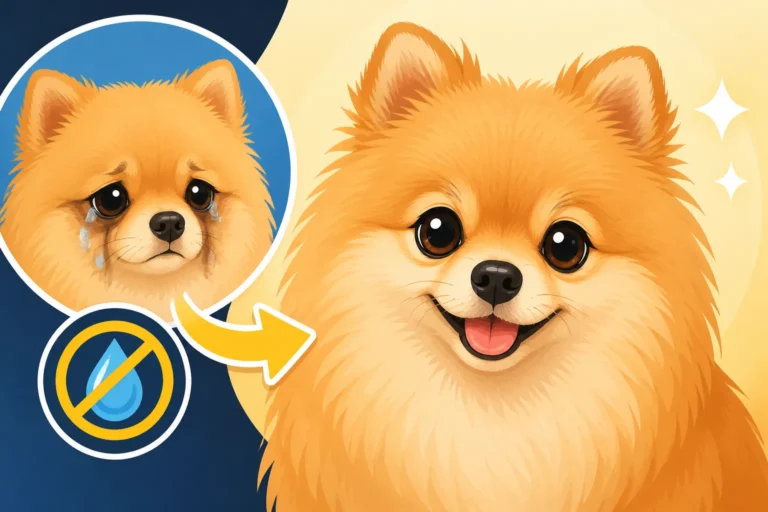
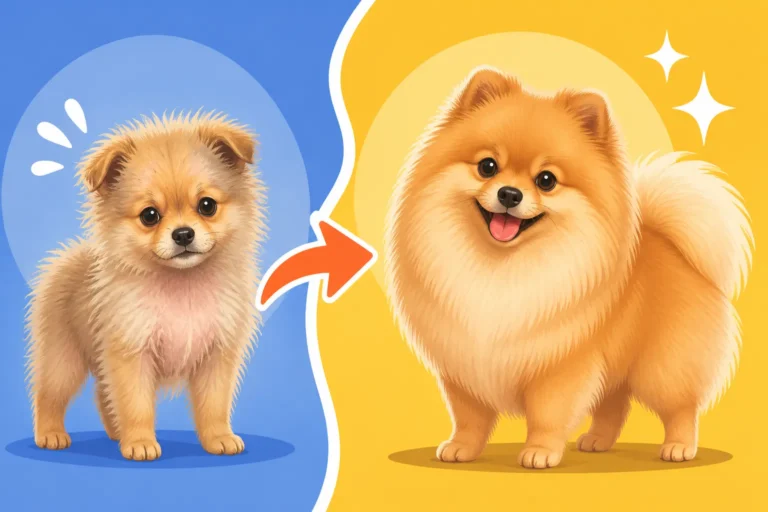
It’s a common scenario that many Pomeranian owners find themselves in: you've made the responsible decision to neuter your beloved furball, hoping for a smoother, healthier life ahead. But then, a few months down the line, you start noticing changes. That magnificent, fluffy double coat, once the envy of every dog park, begins to thin, look dull, or even fall out in patches, leaving you wondering if the surgery was truly the cause. This comprehensive guide will delve deep into the complex relationship between neutering and coat health in Pomeranians, exploring the hormonal shifts, other potential culprits, and how to navigate coat loss if it occurs.
Understanding the Pomeranian Coat: A Foundation
Before we dive into the specifics of neutering, it's crucial to appreciate the unique nature of a Pomeranian's coat. This isn't just any dog fur; it's a marvel of canine insulation and beauty, and understanding its structure and natural cycles is key to identifying when something truly is amiss.
The Unique Double Coat Structure
Pomeranians boast a distinctive double coat that is truly their crowning glory. This isn't just one layer of hair; it's a sophisticated system designed for insulation and protection, originating from their Arctic spitz ancestors. The outer layer consists of long, coarse guard hairs that are straight and stand off the body, giving the Pomeranian its characteristic fluffy, round appearance. These guard hairs are crucial for repelling water and dirt, and they protect the delicate undercoat from damage.
Beneath this impressive outer layer lies a dense, soft, woolly undercoat. This undercoat is incredibly effective at trapping air, providing exceptional insulation against both cold and heat. It's this luxurious undercoat, coupled with the stand-off guard hairs, that creates the immense volume and "pom-pom" silhouette that makes the breed so beloved. Any disruption to this delicate balance between guard hairs and undercoat can drastically alter the coat's appearance and health. For a deeper understanding, you might find our guide on The Double Coat That Makes a Pomeranian and Why It Stays On quite informative.
The Natural Coat Cycles of a Pomeranian
Like all double-coated breeds, Pomeranians experience natural coat cycles that involve shedding and regrowth. These cycles are influenced by factors such as genetics, nutrition, environmental temperature, and especially, hormones. You'll often notice periods of heavier shedding, sometimes referred to as "blowing coat," typically twice a year with seasonal changes, though intact females may also have significant coat loss after a heat cycle or whelping.
During these shedding periods, the undercoat particularly will come out in large quantities, making way for new growth. This is a completely normal and healthy process, albeit one that requires diligent grooming to prevent mats and maintain skin health. It's important for owners to differentiate between this natural, healthy shedding and a more concerning, uniform coat loss or patchiness that signals an underlying problem.
Normal Shedding vs. True Coat Loss
Many new Pomeranian owners, or even seasoned ones, can sometimes confuse normal shedding with actual coat loss. Normal shedding usually involves a uniform decrease in the density of the undercoat, with individual hairs coming out across the body. You’ll find clumps of fur around the house, but your dog's skin isn't exposed, and the coat generally retains its overall appearance, just less dense.
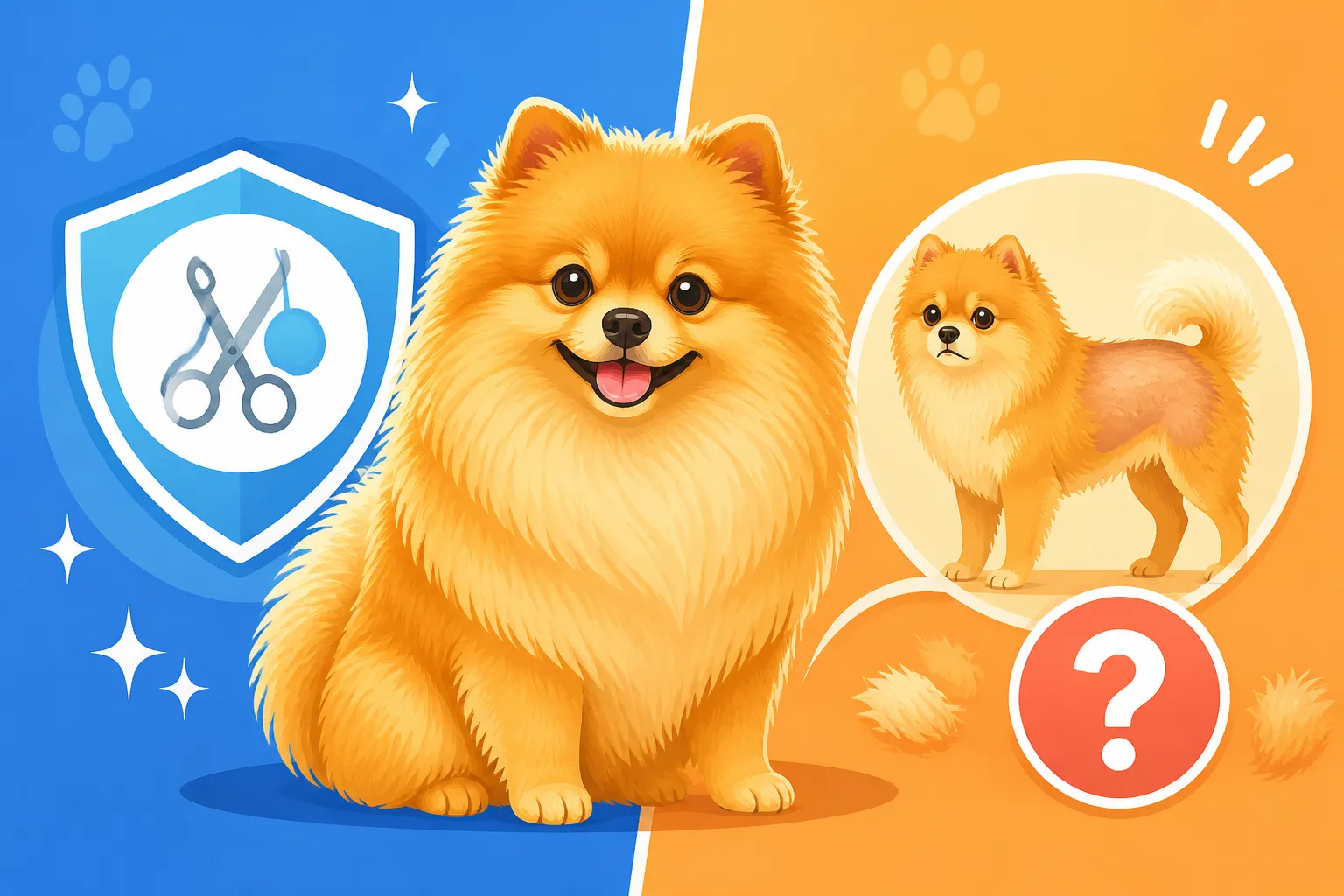
True coat loss, on the other hand, often presents as thinning patches, bare spots, dullness, or even changes in skin color and texture. The hair might break easily, or you might see symmetrical patterns of hair loss, particularly on the flanks, hindquarters, or belly. This kind of hair loss is often accompanied by other symptoms such as itching, redness, or dryness, and it warrants a closer look by a veterinarian. Understanding this distinction is the first step in addressing any concerns about your Pomeranian’s coat post-neutering. You might notice The Thinning That Starts on a Pomeranian's Hindquarters as an early sign.
The Hormonal Connection to Coat Health
The intricate balance of your Pomeranian's hormones plays an incredibly significant role in maintaining that gorgeous, fluffy coat. When this balance is disrupted, for any number of reasons, the coat is often one of the first places where you’ll see the impact.
The Role of Sex Hormones in Hair Growth
Sex hormones, primarily testosterone in males and estrogen in females, are powerful regulators of the hair growth cycle. These hormones influence the anagen (growth), catagen (transitional), and telogen (resting) phases of hair follicles. In a healthy, intact dog, these hormones contribute to a robust, continuously growing coat.
When a dog is neutered, the primary source of these sex hormones—the testes in males or ovaries in females—is removed. This leads to a dramatic decrease in the circulating levels of testosterone or estrogen. While this hormonal shift has many beneficial health outcomes, such as preventing certain cancers and reducing undesirable behaviors, it can, in some susceptible individuals, interfere with the normal hair cycle. The hair follicles might spend more time in the resting (telogen) phase or fail to enter the growth (anagen) phase effectively, leading to a thinner, duller coat, or even full-blown alopecia. It's a complex interaction, and not every dog reacts the same way, but the link is undeniable for some Pomeranians.
Thyroid and Adrenal Gland Influence
Beyond sex hormones, the thyroid and adrenal glands also exert significant influence over coat health. The thyroid gland produces hormones that regulate metabolism, and a deficiency (hypothyroidism) can notoriously lead to dry, brittle hair, thinning, and symmetrical hair loss. Often, this coat loss is accompanied by other symptoms like weight gain, lethargy, and an intolerance to cold. A veterinarian might perform specific blood tests to rule out or confirm thyroid issues if coat loss is observed.
The adrenal glands, on the other hand, produce cortisol and other hormones. Overproduction of cortisol, often due to Cushing's disease, can also cause symmetrical hair loss, thin skin, and a pot-bellied appearance. Sometimes, even healthy adrenal glands can be influenced by changes in sex hormone levels post-neutering, leading to imbalances that manifest in the coat. This highlights that coat health is not just about one hormone, but a symphony of endocrine interactions. This is why it's so important to rule out conditions like Ruling Out Thyroid on a Balding Pomeranian if you notice coat changes.
How Hormonal Imbalance Manifests in the Coat
When hormonal imbalances occur, the Pomeranian's coat typically doesn't just shed a bit more; it often undergoes a significant transformation. The most common manifestation is a dulling of the coat, a loss of the characteristic "stand-off" quality, and a noticeable thinning. The fur might become dry, brittle, and feel less soft.
In more severe cases, true alopecia can develop, where the hair falls out, leaving patches of bare skin. This loss is often symmetrical, affecting areas like the flanks, hindquarters, belly, and the back of the thighs first. The skin in these areas might also change, becoming hyperpigmented (darker), dry, or scaly, which is why the condition is sometimes colloquially known as "Black Skin Disease." It's a heartbreaking sight for any owner who cherishes their Pomeranian's magnificent fur, and it’s a clear indicator that something deeper is affecting your dog’s health. Many owners have shared their anxieties about these changes.
Neutering and its Direct Impact on Hormones
The decision to neuter your Pomeranian is a significant one, made with the best intentions for their health and well-being. However, for a subset of Pomeranians, this routine procedure can unfortunately be the trigger for noticeable changes in their beautiful coat.
The Immediate Hormonal Shift Post-Surgery
When a male Pomeranian is neutered, his testes are removed, which are the primary producers of testosterone. Similarly, for a female Pomeranian, spaying involves the removal of the ovaries, the main source of estrogen and progesterone. This means there's an immediate and drastic drop in these circulating sex hormones. While the body does have other organs that produce a small amount of sex hormones (like the adrenal glands), the main supply is gone.
For most dogs, this hormonal shift is well-managed by their body and doesn't lead to visible coat problems. Their hair follicles adjust to the new hormonal landscape without issue. However, in some Pomeranians, this sudden and profound change can throw their delicate endocrine system into disarray. The hair follicles, which are highly sensitive to hormonal signals, may struggle to adapt, leading to disruptions in the growth cycle. This isn't an overnight change; typically, any coat loss related to neutering becomes noticeable several weeks to months after the surgery as the body adjusts.
Understanding Post-Neutering Alopecia
Post-neutering alopecia, sometimes referred to as post-castration alopecia, is a specific type of hair loss observed in some dogs following sterilization. It's often linked to the decrease in sex hormones. The hair loss can range from subtle thinning to significant baldness, frequently affecting the same areas as other hormonal alopecias: the flanks, hindquarters, chest, and belly. The skin might become dry, flaky, or hyperpigmented, taking on a gray or blackish hue.
It’s important to understand that this isn’t necessarily a sign that the surgery was done incorrectly or that your dog is unhealthy in a critical way. Rather, it indicates a particular sensitivity of their hair follicles to the altered hormonal environment. For many owners, it’s frustrating because they were trying to do what was best for their pet, only to see this unexpected cosmetic and sometimes irritating side effect. It's a real and valid concern that shouldn't be dismissed.
Why Some Poms are More Susceptible Than Others
Not every neutered Pomeranian will experience coat loss, which leads to the natural question: why are some more susceptible than others? The answer lies largely in genetics and individual hormonal sensitivities. Pomeranians, along with several other northern breeds like Siberian Huskies, Alaskan Malamutes, and Samoyeds, seem to have a genetic predisposition to conditions like Alopecia X, which is also hormonally mediated.
Some Poms may have hair follicles that are simply more sensitive to fluctuations in sex hormone levels, or perhaps their adrenal glands don't compensate as effectively for the loss of gonadal hormones. There's also some speculation that the timing of neutering could play a role, with dogs neutered very young potentially having a slightly higher risk, though this isn't universally accepted. It’s not fully understood why certain individuals develop this, but it underscores that genetics often play a strong hand in how a dog’s body responds to changes, even necessary ones like neutering.
Beyond Neutering: Other Causes of Pomeranian Coat Loss
While neutering can certainly be a trigger for coat changes in some Pomeranians, it's crucial to remember that hair loss can stem from a wide array of other underlying health issues. A thorough veterinary investigation is always necessary to pinpoint the exact cause and ensure your fluffy friend gets the right treatment.
Alopecia X: The "Black Skin Disease" Connection
One of the most common and frustrating causes of non-hormonal coat loss in Pomeranians is Alopecia X, also known as Black Skin Disease, Coat Funk, or Adrenal Sex Hormone Imbalance. It's a condition where the hair follicles essentially "shut down," leading to symmetrical hair loss, often starting on the hindquarters and progressing to the trunk, neck, and sometimes the head. The skin in affected areas frequently turns black or dark gray and becomes dry and scaly.
The "X" in Alopecia X signifies that the exact cause isn't fully understood, but it's believed to involve an imbalance in adrenal sex hormones, not directly related to the thyroid or standard sex hormones from the gonads. While neutering can sometimes precipitate or worsen Alopecia X, it can also occur in intact dogs or dogs years after neutering. It’s a complex and often heartbreaking condition that many owners struggle with. Our article Why Pomeranian Owners Call Alopecia X Black Skin Disease explores this in much greater detail. Sometimes, diagnosing Alopecia X can be tricky, as it can mimic other hormonal issues. The journey to understand it is often long and involves ruling out many other conditions.
Dietary Deficiencies and Skin Issues
Just like with humans, a Pomeranian's diet plays a monumental role in the health and luster of their coat. A deficiency in essential fatty acids, particularly Omega-3 and Omega-6, can lead to a dull, dry, brittle coat and increased shedding. Proteins are also vital building blocks for hair, and inadequate protein intake can result in poor hair growth. Vitamins like biotin and zinc are critical for skin and coat health too.
Beyond deficiencies, some Pomeranians can develop skin allergies or sensitivities to certain ingredients in their food, which can manifest as itching, redness, inflammation, and secondary bacterial or yeast infections. These skin problems can severely impact hair follicles, leading to patchiness, excessive licking, and coat loss. Ensuring your Pomeranian is on a high-quality, balanced diet rich in appropriate nutrients, potentially supplemented with fish oil, is a foundational step in maintaining coat health. For more on dietary support, consider reading Whether a Pomeranian Needs Fish Oil for Its Coat.
Environmental Factors and Stress
Believe it or not, your Pomeranian's environment and stress levels can also impact their coat. Extreme changes in temperature, very dry air, or exposure to harsh chemicals (like certain cleaning products) can irritate the skin and compromise the hair follicles. Chronic stress, whether from separation anxiety, a chaotic household, or even boredom, can trigger physiological responses that divert resources away from non-essential functions like hair growth, leading to dullness or shedding.
A Pomeranian experiencing stress might also excessively lick or chew at themselves, creating "hot spots" or areas of self-trauma where hair loss becomes evident. Creating a stable, predictable, and enriching environment for your Pom, complete with regular exercise, mental stimulation, and plenty of positive interaction, can go a long way in supporting their overall health, including their magnificent coat.
Parasites, Allergies, and Other Medical Conditions
Beyond hormonal issues and diet, a myriad of other medical conditions can cause coat loss in Pomeranians. Parasites like fleas, mites (especially sarcoptic or demodectic mange), and even ringworm (a fungal infection, not a worm) are notorious for causing intense itching, redness, and subsequent hair loss from scratching and follicle damage. Regular parasite prevention is therefore non-negotiable for a healthy coat and skin.
Environmental allergies (atopy) to pollen, dust mites, or molds can also cause widespread itching, leading to self-induced hair loss. Bacterial skin infections (pyoderma) and yeast infections are common secondary issues that arise from underlying allergies or other skin irritations, further exacerbating coat problems. Less common but still possible causes include autoimmune diseases, certain cancers, and even medications. This wide range of possibilities is why accurate diagnosis by a vet is so critical when you observe coat changes. It's worth considering pet insurance, like a policy from Healthy Paws, to help manage the costs of such diagnostic work-ups and treatments.
What to Do if Your Neutered Pomeranian Loses Coat
Discovering that your beautiful Pomeranian is losing its coat after neutering can be incredibly distressing. It's easy to jump to conclusions or feel overwhelmed, but remember, there are clear steps you can take. The key is to be proactive and work closely with your veterinarian.
Veterinary Consultation: The First Step
The moment you notice significant or unusual coat loss in your Pomeranian, especially if it's accompanied by skin changes, itching, or lethargy, the very first step is to schedule a visit to your veterinarian. While your initial thought might be "it's because of the neutering," it’s vital not to self-diagnose. As discussed, many conditions, both hormonal and non-hormonal, can cause similar symptoms.
During this initial consultation, be prepared to provide a detailed history. This includes when you first noticed the coat loss, its progression, any other symptoms you've observed, your dog's diet, recent changes in environment, and, of course, the date of neutering. Your vet will perform a thorough physical examination, paying close attention to the skin and coat. This initial assessment is crucial for guiding the next steps, and it’s where a good relationship with your vet truly shines. Don't hesitate to voice all your concerns; they're there to help.
Diagnostic Testing: What to Expect
To get to the bottom of coat loss, your vet will likely recommend a series of diagnostic tests to rule out common causes and zero in on the specific problem. This often starts with simple, non-invasive tests right in the clinic:
- Skin Scrapes: To check for mites (like demodex or sarcoptes) that can cause intense itching and hair loss.
- Fungal Cultures: To test for ringworm, which can also mimic other skin conditions.
- Cytology: To examine skin cells under a microscope for bacterial or yeast infections, which are common secondary issues.
- Bloodwork: Comprehensive blood panels, including a complete blood count (CBC) and chemistry panel, can assess overall organ function and look for systemic issues.
- Thyroid Testing: A full thyroid panel is often recommended to rule out hypothyroidism, a common cause of symmetrical hair loss in many breeds. Our guide on The Hormone Disease Mistaken for a Pomeranian's Alopecia provides more context here.
If these initial tests don't yield a clear answer, or if hormonal alopecia is strongly suspected, your vet might suggest more specialized hormonal testing, such as adrenal hormone panels, or even a skin biopsy. A skin biopsy involves taking a small sample of skin under local anesthetic for microscopic examination by a veterinary pathologist, which can provide definitive answers regarding the state of the hair follicles and skin layers. These tests can sometimes be costly, but they are essential for proper diagnosis and treatment. Pet insurance, such as a plan from Healthy Paws, can be incredibly helpful in covering these diagnostic expenses, allowing you to pursue the best care without financial strain.
Treatment Options for Post-Neutering Alopecia
Once other causes have been ruled out and post-neutering alopecia (or Alopecia X) is the suspected culprit, treatment often focuses on managing the condition, as a complete cure can be elusive. It's important to set realistic expectations; while some dogs see significant coat regrowth, others may only experience partial improvement or require ongoing management.
Common treatment approaches include:
- Melatonin Supplementation: This is often one of the first lines of defense. Melatonin, a naturally occurring hormone, can sometimes help stimulate hair regrowth by influencing the hair cycle. It's generally very safe and can be given orally. Our article Whether Melatonin Regrows a Pomeranian's Coat offers more insights.
- Neutraceuticals and Fatty Acids: Supplements like Omega-3 and Omega-6 fatty acids, zinc, and biotin can support overall skin and coat health, creating a better environment for hair regrowth.
- Specialized Shampoos and Conditioners: Medicated or moisturizing shampoos can help improve skin health, reduce dryness, and manage any secondary infections.
- Hormonal Therapies: In some cases, particularly for Alopecia X, your vet might discuss more aggressive hormonal treatments. These can include medications that modify adrenal hormone production. These are typically reserved for cases where other treatments haven't been effective and a definitive diagnosis has been made, as they can have side effects.
- Desexing (if intact): In rare cases of intact dogs with Alopecia X, neutering or spaying is sometimes recommended if sex hormones are thought to be contributing, but for post-neutering alopecia, this isn't applicable.
It's a journey, and what works for one Pomeranian might not work for another. Patience, consistent application of treatments, and regular follow-ups with your vet are paramount. Keeping accurate records of your Pomeranian’s progress, including photos, can also be incredibly helpful in assessing the effectiveness of treatments. Remember, even if the coat doesn't fully return to its former glory, managing secondary skin issues and ensuring your Pomeranian is comfortable and healthy is the ultimate goal.
Preventative Measures and Ongoing Coat Care
While there's no foolproof way to guarantee your Pomeranian won't experience coat loss after neutering or due to other factors, there are many proactive steps you can take to support their overall health and magnificent coat. Prevention and consistent, attentive care are always better than trying to fix a problem once it's fully developed.
Optimal Nutrition for Coat Health
The foundation of a healthy coat starts with what goes into your Pomeranian's bowl. High-quality dog food, formulated for small breeds, is essential. Look for foods with real meat as the first ingredient and avoid excessive fillers or artificial additives. Crucially, ensure the diet provides a balanced profile of essential fatty acids, particularly Omega-3s. These can be found in fish oil supplements or certain dog foods. Omega-3s help reduce inflammation, improve skin barrier function, and contribute to a shiny, healthy coat.
Consider adding a high-quality fish oil supplement to their diet if their food doesn't provide enough, but always consult your vet for appropriate dosages for your specific dog's weight and health needs. Protein is also vital for hair growth, so a diet with adequate, digestible protein sources is key. Don't forget the importance of fresh, clean water at all times, as hydration impacts skin elasticity and coat luster.
Routine Grooming Practices
Regular and correct grooming is absolutely non-negotiable for a Pomeranian, regardless of their coat health. Their dense double coat requires consistent attention to prevent mats, remove dead hair, and stimulate healthy circulation to the skin. Aim for brushing your Pomeranian several times a week, ideally daily, using a slicker brush and a metal comb.
When brushing, make sure you're getting down to the skin, not just skimming the top layer. Working in sections, gently part the hair and brush from the skin outwards to ensure all dead undercoat is removed. This not only prevents painful mats, but also allows air to circulate, keeping the skin healthy. Over-bathing can strip natural oils, so aim for baths every 3-4 weeks, using a dog-specific shampoo and conditioner designed for double coats. Always ensure the coat is thoroughly dried to prevent skin issues. For more insights on this, you might find The Grooming Bill Nobody Warns a Pomeranian Owner About or What a Pomeranian's Care Looks Like Past Ten helpful, as grooming needs can change with age and coat condition.
Monitoring for Early Signs of Coat Changes
The best way to address potential coat loss is to catch it early. Regularly examine your Pomeranian's coat and skin. Run your hands over their body, feeling for any bumps, dry patches, or changes in texture. Gently part the fur in different areas to inspect the skin underneath. Look for:
- Thinning: Is the coat less dense than usual in certain areas?
- Patchiness or Bald Spots: Are there any areas where hair is completely missing?
- Dullness or Brittleness: Does the fur lack its usual shine or feel coarse?
- Skin Changes: Is the skin red, inflamed, flaky, excessively dry, oily, or has it started to darken (hyperpigmentation)?
- Excessive Itching or Licking: Is your Pom constantly scratching, licking, or chewing at certain areas?
Any of these signs warrant attention. If you spot anything unusual, make a note of it and consult your veterinarian. Early intervention can often make a significant difference in the outcome and help prevent the condition from worsening. Regular check-ups with your vet, potentially covered by a comprehensive pet insurance plan like those offered by Healthy Paws, are also crucial for catching subtle changes before they become major problems.
Summary Table of Potential Coat Loss Causes
To help you quickly differentiate and understand the various factors that might contribute to coat loss in your Pomeranian, here's a handy table outlining common causes, their key indicators, and initial steps you might take.
| Cause of Coat Loss | Key Indicators | Common Affected Areas | Initial Steps |
|---|---|---|---|
| Post-Neutering Alopecia | Gradual thinning/loss, dull coat, dry/darkened skin, no itching. Develops weeks-months post-op. | Flanks, hindquarters, chest, belly, back of thighs. | Vet visit for differential diagnosis, discuss melatonin. |
| Alopecia X (BSD) | Symmetrical hair loss, often starts on hindquarters, progresses to trunk. Skin darkens (black), dry/scaly. No itching. | Hindquarters, trunk, neck, tail, sometimes head. | Vet visit for skin biopsy, specialized hormonal testing. |
| Hypothyroidism | Symmetrical thinning/loss, dry/brittle coat, lethargy, weight gain, cold intolerance. | Flanks, tail, neck, hindquarters. | Vet visit for thyroid blood panel. |
| Cushing's Disease | Symmetrical thinning/loss, thin skin, pot-belly, increased thirst/urination, panting. | Trunk, flanks, neck, hindquarters. | Vet visit for adrenal function tests. |
| Allergies (Food/Env.) | Intense itching, redness, recurrent infections, sometimes paw licking, ear issues. | Face, paws, armpits, groin, belly. | Vet visit, discuss elimination diet or allergy testing. |
| Parasites (Mites/Fleas) | Intense itching, redness, scabs, visible parasites (fleas). Specific patterns for mites. | Varies: often ears, elbows, hocks (mites); general (fleas). | Vet visit for skin scrapes, flea comb, parasite prevention. |
| Dietary Deficiencies | Dull, dry, brittle coat, increased shedding, poor skin quality. | Generalized. | Evaluate diet, vet consultation on supplements (e.g., Omega-3s). |
| Stress | Excessive licking/chewing, patches of hair loss from self-trauma, changes in behavior. | Areas easily reached by licking (paws, flanks). | Identify stressors, provide enrichment, vet for behavioral advice. |
Disclaimer
The information provided in this article is for general informational purposes only and does not constitute veterinary advice. Always consult with a qualified veterinarian for any health concerns or before making any decisions about your Pomeranian's medical care.