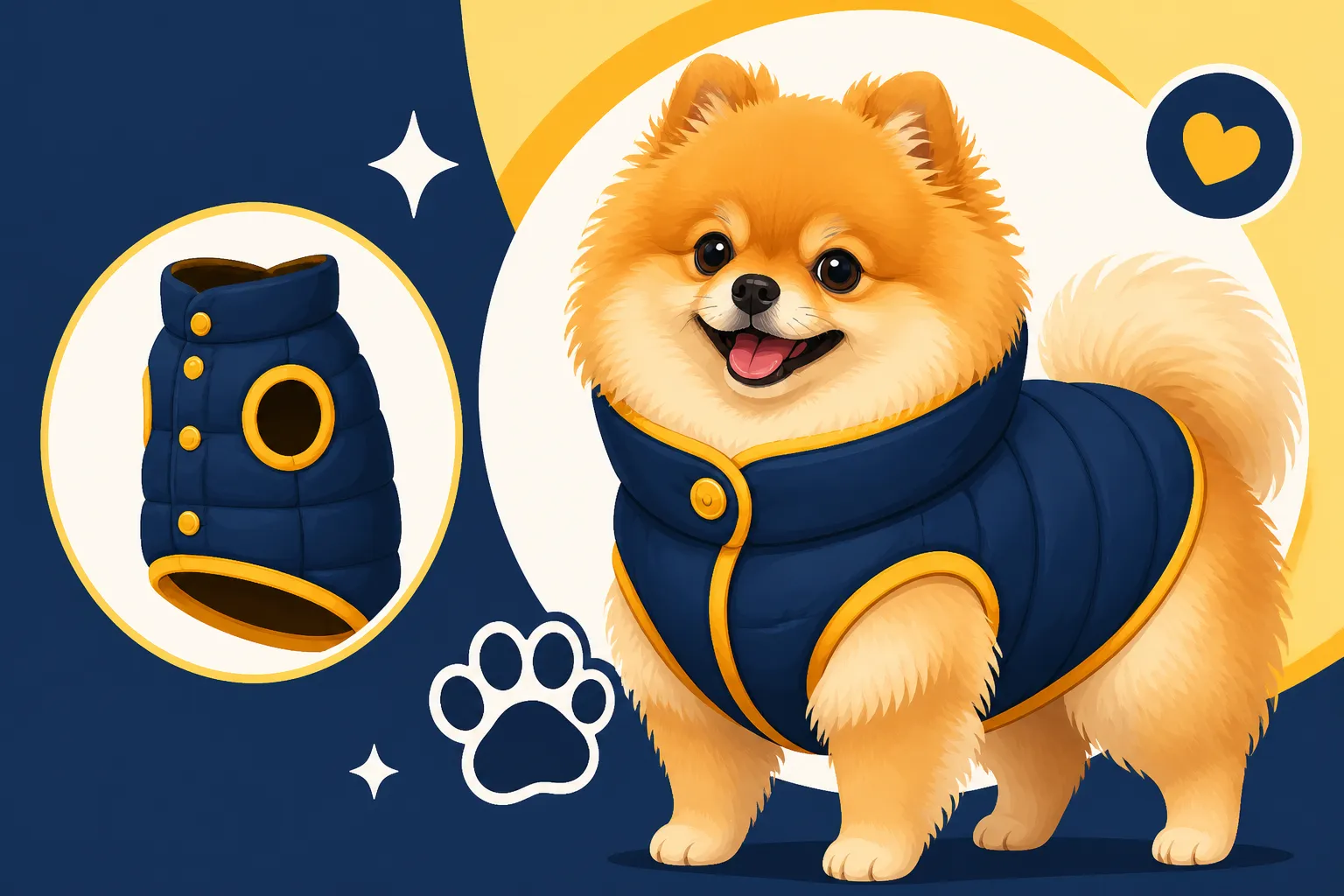
The Stand Off Coat a Pomeranian Must Have
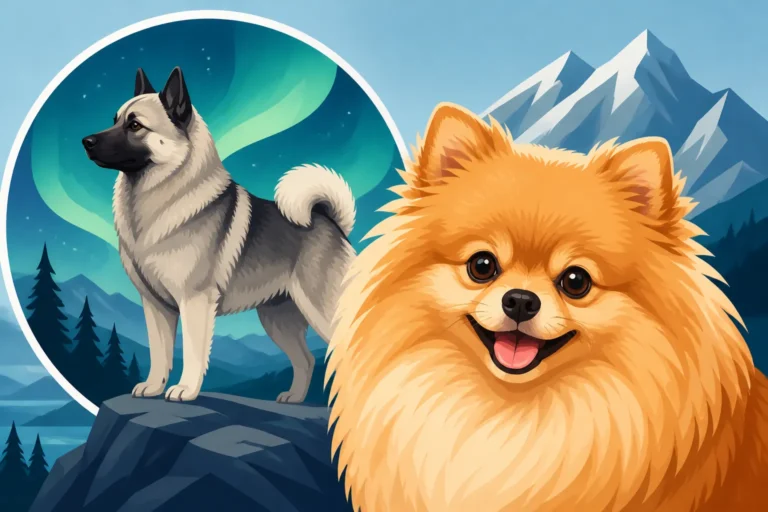
When you picture a Pomeranian, what often comes to mind is that unmistakable fluffy, buoyant silhouette – a tiny cloud on legs, radiating personality. This iconic look isn't just a happy accident; it's the direct result of a very specific type of fur known as a "stand-off coat." But what exactly does that mean, and why is it so crucial, not just for aesthetics, but for your Pom's overall health and well-being? This guide will dive deep into the fascinating world of the Pomeranian's unique coat, explaining its structure, purpose, and how to maintain its magnificent loft.
What Exactly Is a "Stand Off" Coat?
The term "stand-off coat" isn't just a fancy phrase; it describes the physical characteristic of a Pomeranian's fur that makes it literally stand out from the body. Unlike many other breeds where the fur lies flat against the skin, a Pomeranian's coat has a remarkable springiness and density that gives it its signature puffed-up appearance. It’s what gives them that adorable round, teddy bear-like quality, but its function goes far beyond just looking cute. Understanding this structure is the first step in appreciating and properly caring for your pint-sized companion.
The Double-Layered Marvel of a Pomeranian's Coat
At the heart of the stand-off coat is its incredible double-layered construction. Imagine your warmest winter jacket: it usually has a durable, often water-resistant outer shell and a thick, soft insulating layer inside. A Pomeranian's coat works in much the same way. The outer layer consists of long, coarse "guard hairs" that are straight and stiff. These hairs are designed to protect the dog from elements like rain, snow, and even harsh sunlight.
Beneath this protective shield lies the dense, soft, and fluffy "undercoat." This undercoat is made up of shorter, woollier hairs that grow close to the skin. It’s this incredibly abundant undercoat that provides the bulk and lift, pushing the guard hairs away from the body, creating that characteristic "stand-off" effect. Together, these two layers form an insulating barrier that helps regulate your Pomeranian's body temperature, keeping them warm in cold weather and, surprisingly, cool in hot weather by trapping air. You can learn more about this unique structure in The Double Coat That Makes a Pomeranian and Why It Stays On and The Guard Hair and Undercoat of a Pomeranian.
The Difference Between a Healthy Coat and a Flat Coat
A healthy stand-off coat on a Pomeranian will appear full, dense, and bouncy. When you run your hand through it, you'll feel that springiness, and the hair will naturally pop back into place. It should look vibrant and well-groomed, contributing to the breed's lively and alert expression. This coat isn't merely surface-level; it's uniform from root to tip, reflecting good genetics, excellent nutrition, and diligent care.
Conversely, a Pomeranian with a "flat" or damaged coat will lack this desirable volume. Their fur might lie closer to their body, appearing sparse, dull, or even patchy. This can be due to a variety of factors, including poor grooming habits that lead to matting, underlying health issues, or even genetics that don't produce a true double coat. Shaving the coat can also severely damage it, sometimes permanently affecting its ability to grow back with its original stand-off quality. Recognising the difference is crucial for any Pom owner, as a flat coat can often be a visual indicator that something isn't quite right.
Why the Stand-Off Coat Is More Than Just Pretty
While the stand-off coat is undoubtedly a key part of the Pomeranian's adorable appeal, its purpose extends far beyond superficial good looks. This specialized coat is vital for the dog's comfort, protection, and overall health. It’s an evolutionary marvel designed to help them thrive in various conditions, and understanding its functional importance will help you provide the best care for your fluffy friend.
Insulation and Protection from Elements
The double coat acts as a natural thermostat, providing remarkable insulation. In colder climates, the dense undercoat traps warm air close to the body, preventing heat loss and keeping your Pomeranian toasty. This is why their ancestors, larger Spitz-type dogs from the Arctic regions, developed such thick coats – to survive harsh winters. It’s a common misconception that a double coat makes a dog hotter in summer; in fact, the opposite is true. The same trapped air that keeps them warm in winter creates a buffer against external heat. The outer guard hairs also protect the delicate skin underneath from harmful UV rays and minor scrapes or scratches during play.
This natural protection means that even in warmer weather, a Pomeranian's coat should never be shaved down to the skin. Doing so removes their natural insulation and exposes their skin to sunburn and other environmental hazards. Instead, proper grooming involves regular brushing to remove loose undercoat, which allows for better air circulation without compromising their natural protection. It’s about maintaining the integrity of the coat, not removing it.
Grooming Implications and Maintaining the "Poof"
Maintaining that gorgeous "poof" requires a consistent and dedicated grooming routine. The density of the undercoat means it's prone to matting, especially behind the ears, under the legs, and around the tail, if not brushed regularly. Mats not only pull at the skin and cause discomfort but can also trap moisture, leading to skin infections. Regular brushing, at least two to three times a week, is essential to remove dead undercoat and prevent tangles. This also helps to distribute natural oils, keeping the coat healthy and shiny. For detailed brushing techniques, check out Working a Pomeranian's Coat in Sections to the Skin and How Many Times a Week a Pomeranian Is Brushed.
When brushing, it's important to use the right tools. A slicker brush and a metal comb are your best friends. You'll want to brush down to the skin, not just skim the surface, to ensure you're getting through both layers of the coat. After bathing, blow-drying the coat thoroughly while brushing it out is key to achieving that full, stand-off look. A high-velocity dryer can help separate the hairs and really make the coat stand out, a technique often employed by professional groomers. Products found on sites like Chewy, from conditioning sprays to brushes, can be invaluable for maintaining coat health. Don't forget that The Grooming Bill Nobody Warns a Pomeranian Owner About can be substantial if you opt for professional services, making home grooming skills even more valuable.
Common Misconceptions and Protecting Your Pomeranian's Coat
Despite its incredible design, the Pomeranian's stand-off coat is surprisingly delicate and prone to damage if not understood and cared for correctly. Many new owners, sometimes even experienced dog owners, make well-intentioned mistakes that can have lasting consequences for their Pom's fur and skin. Let's clear up some common misconceptions and discuss how to protect this magnificent aspect of your Pomeranian.
The Dangers of Shaving a Pomeranian's Double Coat
One of the most persistent and damaging misconceptions is that shaving a Pomeranian during hot weather will keep them cooler. As discussed, their double coat actually insulates them. Shaving not only removes this natural thermostat but also exposes their delicate skin to sunburn, insect bites, and other environmental hazards. Furthermore, and perhaps most heartbreakingly for owners, shaving a double-coated breed like a Pomeranian can lead to a condition known as "post-clipping alopecia" or "coat funk."
This condition means that when the hair does grow back, it often comes in patchy, thin, dull, or with an altered texture, and sometimes, it doesn't grow back at all to its original stand-off glory. The undercoat may grow faster and thicker than the guard hairs, leading to a cottony, mat-prone texture that lies flat. This loss of the beautiful stand-off coat can be permanent. This is a significant concern, and you can delve deeper into this topic by reading Why a Shaved Pomeranian May Not Regrow. It's a risk that no Pomeranian owner should take if they value their dog's coat health and appearance.
Genetics, Health, and Coat Quality
While grooming plays a massive role, the foundation of a magnificent stand-off coat truly begins with genetics and overall health. A well-bred Pomeranian from healthy lines is more likely to have the genetic predisposition for a dense, correctly textured double coat. Reputable breeders prioritize coat quality, alongside temperament and health, in their breeding programs. When choosing a puppy, observing the parents' coats can give you a good indication of what to expect.
Beyond genetics, your Pomeranian's diet and general health significantly impact coat quality. A diet rich in high-quality protein and essential fatty acids, like omega-3s, is crucial for healthy skin and a shiny, full coat. Many owners supplement with fish oil, which you can find readily available on Chewy, to support skin and coat health. However, if your Pomeranian develops bald patches, thinning, or changes in coat texture despite good care, it could be a sign of an underlying health issue. Conditions like hypothyroidism, Cushing's disease, or even Black Skin Disease and the Pomeranian Coat That Never Returns (Alopecia X) can all affect coat quality. It's vital to consult your veterinarian if you notice any significant changes, as early diagnosis and treatment can sometimes prevent further damage. Regularly checking your dog's skin and coat during brushing, using grooming supplies from trusted retailers like Chewy, can also help you spot issues early.
A healthy Pomeranian from good lines, fed a nutritious diet, and consistently groomed, will naturally display the gorgeous, buoyant stand-off coat that makes the breed so distinctive and beloved.
Grooming Tools and Techniques for the Stand-Off Coat
Achieving and maintaining that stunning stand-off coat isn't just about brushing; it's about using the right tools and techniques, almost like an art form. Without the proper approach, even the fluffiest Pom can end up with a coat that’s matted, flat, or just not living up to its potential.
Let's talk tools first. You’ll definitely need a high-quality slicker brush. This isn’t just any old brush; a good slicker has fine, wire bristles that are slightly bent and closely spaced, designed to get deep into the undercoat without scratching the skin. You’ll also want a sturdy metal comb with both wide and narrow teeth. This is crucial for checking your work and ensuring there are no hidden tangles that the slicker might have missed. For those really serious about their Pom’s coat, a high-velocity force dryer is a game-changer. These dryers blast water off the coat with air, separating each strand and literally forcing the coat to "stand off" the body, creating incredible volume. You can find excellent options for Dryers and Brushes for Grooming a Pomeranian at Home on Chewy, making it easy to set up your home grooming station.
When it comes to technique, remember the golden rule: brush in sections, down to the skin. Start at your Pomeranian's hindquarters and work your way forward, lifting layers of hair and brushing from the roots outward. Don't just brush the top layer; that's how mats form underneath, close to the skin. Use quick, gentle strokes with the slicker brush, then follow up with the metal comb. If the comb glides through easily, you're doing it right! If it snags, go back with the slicker brush to work out the tangle gently. For stubborn mats, never pull or yank. Instead, try to gently separate the mat with your fingers, or use a detangling spray designed for dogs before carefully combing it out. Regular, thorough line brushing is the secret to a perpetually fluffy Pom.
Seasonal Coat Changes and the Puppy Uglies
The stand-off coat isn't static; it goes through cycles, notably the infamous "puppy uglies" and seasonal coat blows. Understanding these changes will help you manage your Pomeranian's coat expectations and care throughout their life.
The "puppy uglies" phase typically occurs when a Pomeranian puppy is between 4 and 10 months old. During this time, they shed their soft, fuzzy puppy coat to make way for their adult double coat. The once-fluffy pup can look quite sparse, patchy, and, well, a bit awkward. Their coat might lose its stand-off quality, appearing flat and sometimes uneven. This is a completely normal, if sometimes alarming, stage. It requires patience and continued gentle grooming. Rest assured, with proper nutrition and care, their glorious adult coat will eventually grow in, bringing back that magnificent "poof." You can learn more about what to expect during this stage by looking at What a Pomeranian Puppy's Coat Looks Like at Six Months.
Adult Pomeranians also experience seasonal shedding, often referred to as "coat blows," usually twice a year in spring and fall. During a coat blow, they shed large amounts of their undercoat to adjust to changing temperatures. This is when your stand-off coat might temporarily appear less voluminous as new undercoat grows in. During these periods, daily brushing is essential to help remove the dead hair and prevent matting. Regular grooming during a coat blow not only helps keep your home cleaner but also encourages healthy new growth and helps maintain the coat's stand-off ability. Neglecting grooming during these times can lead to severe matting and discomfort for your Pom.
| Feature | Healthy Stand-Off Coat | Flat or Damaged Coat |
|---|---|---|
| Appearance | Full, dense, round, buoyant, "puffed out" silhouette | Sparse, lies close to body, dull, patchy, uneven |
| Texture | Crisp guard hairs, soft dense undercoat, springy | Cottony, matted, coarse, brittle, or very fine/sparse |
| Protection | Excellent insulation, UV protection, weather barrier | Reduced insulation, vulnerable to sun/elements |
| Grooming Needs | Regular brushing to maintain volume & prevent mats | More frequent detangling, risk of skin issues |
| Common Causes | Good genetics, proper nutrition, consistent grooming | Poor genetics, shaving, health issues, neglect |
| Recovery | Naturally resilient, responds well to care | Can be slow, partial, or sometimes permanent damage |
Final Thoughts on the Stand-Off Coat
The Pomeranian's stand-off coat is truly a marvel, a hallmark of the breed that offers both beauty and practical protection. It's what makes a Pom a Pom, contributing to their distinctive appearance, providing essential insulation, and acting as a shield against the elements. However, this magnificent coat is also a responsibility. It demands understanding, commitment, and the right tools – many of which you can conveniently find at places like Chewy.
From the meticulous daily line brushing needed to prevent painful mats, to the careful selection of professional groomers who understand double coats, your actions directly impact your Pomeranian's comfort and coat health. Knowing about the "puppy uglies" and seasonal coat blows prepares you for temporary changes, and understanding the irreparable harm that shaving can cause is absolutely critical.
Ultimately, appreciating the stand-off coat means looking beyond its fluffiness to recognize its intricate structure and vital functions. By providing consistent, correct care, you're not just preserving their iconic look; you're ensuring your Pomeranian stays happy, healthy, and comfortable in their own stunning fur. This dedication is a small price to pay for the joy and companionship these spirited little dogs bring into our lives.
Disclaimer
This article is for general informational purposes only and does not constitute professional advice. Laws, prices and regulations vary by location and change over time. Consult a qualified professional for guidance on your specific situation.