The Six to Seven Inches a Pomeranian Measures
It’s a common moment for many new Pomeranian owners: you look at your adorable, fluffy companion, and then you read something about their breed standard, specifically their height, and a little bell goes off. Six to seven inches? Your floofball seems so much bigger! This guide will help demystify what exactly that measurement means, why it’s important, and how your Pomeranian’s unique stature impacts their life and your care for them.
Deciphering the Standard: What "Six to Seven Inches at the Withers" Truly Means
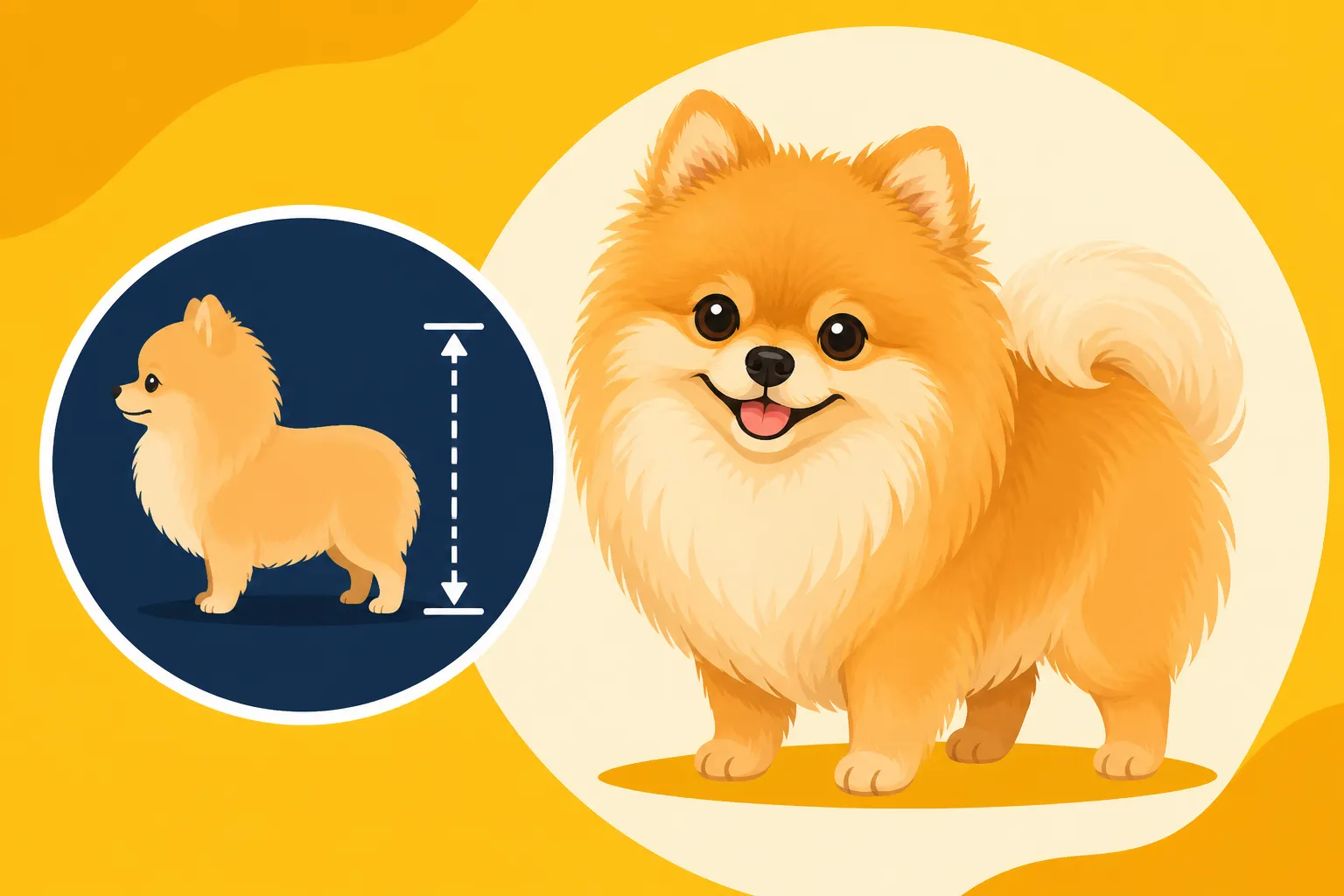
When you hear about a Pomeranian measuring "six to seven inches," it's not a casual guess; it's a specific measurement defined by breed clubs, and it's always taken "at the withers." Now, if you're not deeply entrenched in the world of dog shows, "the withers" might sound a bit arcane. Simply put, the withers are the highest point of the shoulder blades at the base of your dog's neck. It's the most stable point on their back for an accurate height measurement, as it doesn't shift the way their head or rear might.
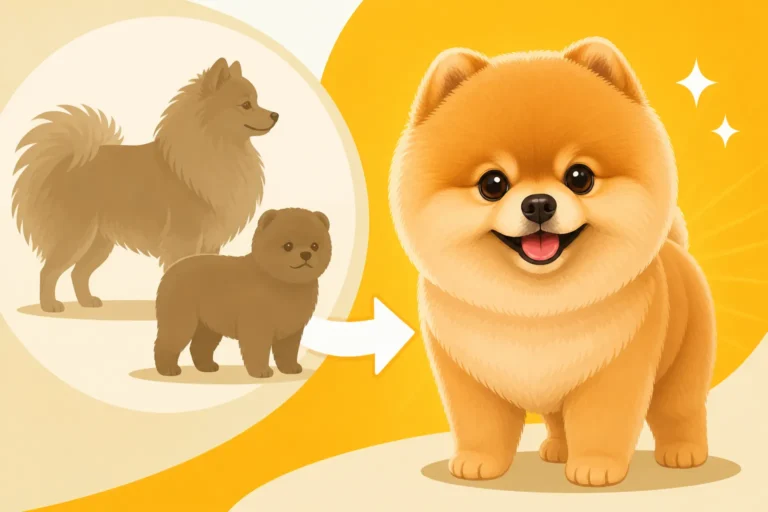
This standard isn't just some arbitrary number; it’s a blueprint that breeders strive for, aiming to produce dogs that embody the ideal physical traits of the Pomeranian. The size is intrinsically linked to the breed's history, evolving from larger Spitz dogs into the charming toy companion we know today. While your Pomeranian might look larger due to their abundant double coat, if you were to gently feel for their shoulder blades and measure straight down to the floor, you'd likely find them nestled right within that six to seven-inch range, or very close to it. It’s a remarkable testament to how breeders have shaped this breed over generations, maintaining a consistent, compact size that makes them ideal house companions. Understanding The Six to Seven Inches a Pomeranian Measures is key to appreciating the breed's unique physical characteristics and how they were developed.
The Significance of the Withers Measurement
Measuring at the withers is critical because it provides a consistent, objective standard across all Pomeranians. Unlike measuring to the top of the head, which can vary wildly depending on how a dog is holding itself, the withers provide a fixed point. This consistent measurement helps ensure that Pomeranians maintain their distinctive compact and sturdy appearance. It’s about balance and proportion, where a short back, strong loin, and a good spring of rib all contribute to that small, well-put-together package. Without this strict guideline, you could end up with Pomeranians that are much leggier or stockier than the breed ideal.
For show breeders, adhering to this height is paramount. Dogs outside this range might be penalized in the show ring, as the standard seeks to preserve the breed's intended look and structure. But even for pet owners, this measurement gives you a good understanding of your dog's physical limitations and needs. A dog that is truly only six or seven inches tall has very different considerations than a larger breed, especially concerning safety and environment. They might seem like they can handle more, but their small stature means they're built to be nimble and light, not to withstand high impacts from falls.
Size Variations: When Your Pomeranian Doesn't Quite Fit the Mold
While the breed standard sets a clear ideal, it's totally normal for pet Pomeranians to fall slightly outside that perfect six to seven-inch window. You might have a delightful companion who stands a bit taller, perhaps eight or nine inches, or one who is on the smaller side. This variance is natural and doesn't diminish their worth as a beloved family member. However, it's worth understanding why these variations occur and what they might mean.
A Pomeranian that is nine inches tall, for instance, might technically be "off standard" in the show ring, but for a pet home, it often means a slightly sturdier dog, potentially with fewer of the fragility concerns sometimes associated with the smallest Poms. Conversely, a Pomeranian that is exceptionally small, consistently under six inches, might be considered a "teacup," a term not recognized by breed standards and often associated with potential health complications. Whether a Teacup Pomeranian Is Structurally Sound is a real concern, as some ultra-small dogs may face increased risks of fragile bones, hypoglycemia, and other issues.
It's also important to remember that weight plays a role alongside height in the overall "size" of a Pomeranian. The ideal weight often correlates with the height, usually between three and seven pounds. A nine-inch tall Pomeranian might naturally weigh a bit more, say eight or nine pounds, to maintain healthy proportions. This is very different from an overweight six-inch Pomeranian, where the extra pounds put undue stress on their tiny frame. Understanding The Three to Seven Pounds a Pomeranian Is Allowed is just as crucial as knowing their height.
Causes of Size Deviation
Several factors can contribute to a Pomeranian being larger or smaller than the standard height:
- Genetics and Breeding Practices: Not every breeder focuses solely on producing show-quality dogs. Many breed for temperament and health first, and while they aim for the standard, slight deviations in size are acceptable for pet puppies. Some breeders might also have slightly larger or smaller lines that still produce healthy, happy Poms. Historically, Pomeranians were larger dogs before Queen Victoria's influence, and occasionally, "throwbacks" to these larger ancestors can occur, resulting in a Pomeranian that measures closer to 10 or 12 inches. These are still purebred Pomeranians, just not "standard" in size for today's show ring.
- "Teacup" Breeding: On the other end of the spectrum, the pursuit of "teacup" Pomeranians has unfortunately led to breeding practices that prioritize extreme smallness over health. These dogs are often runts or bred from runts, and their tiny stature can come with a host of health challenges, making them particularly vulnerable. What Teacup Breeding Costs a Pomeranian is a critical consideration for anyone thinking about acquiring a dog advertised as such.
- Nutrition and Environment (less common for height): While nutrition plays a huge role in overall health and weight, it typically doesn't alter a dog's genetic height potential significantly. A poorly nourished puppy might be stunted, but a well-fed puppy won't grow taller than its genetic blueprint dictates.
When considering a Pomeranian, Whether a Nine Pound Pomeranian Is Off Standard or a very small one, focusing on overall health, reputable breeding, and temperament will always serve you better than chasing an arbitrary size.
The Fluffy Illusion: How Coat Can Deceive the Eye
One of the biggest reasons owners might scratch their heads over the "six to seven inches" measurement is the Pomeranian's truly magnificent coat. This isn't just any fur; it's a dense, fluffy, double coat that stands off the body, creating an optical illusion that makes these tiny dogs appear much larger and rounder than their skeletal frame actually is. It's their signature look, making them resemble little fluffy clouds or vibrant orange cotton balls, but it completely obscures their true physical dimensions.
Think about it: that luscious ruff around their neck, the feathering on their britches, and that proudly carried tail plume can add inches to their apparent circumference and even make them seem taller. When you're looking at your Pomeranian, you're not seeing their lean, compact body; you're seeing a glorious halo of fur. This is why when they get wet, they suddenly shrink dramatically, looking like tiny, soggy rats – much to the surprise and sometimes amusement of their owners!
This coat isn't just for looks; it serves a purpose. It's a heritage from their colder, northern Spitz ancestors, designed to provide insulation from harsh weather. The Double Coat That Makes a Pomeranian and Why It Stays On is a functional marvel. It’s thick and soft, with a shorter, dense undercoat and longer, harsher guard hairs that stand out. This unique structure is what gives them that "fluffed up" appearance and contributes significantly to their perceived size. So, while your Pom might look like they take up a lot of space on the sofa, remember that much of it is pure, glorious fluff.
Grooming and Perceived Size
The way a Pomeranian is groomed can also heavily influence their perceived size. A Pomeranian in full, well-maintained show coat will undoubtedly look bigger and more substantial than one with a "teddy bear" trim or a pet cut. Groomers specializing in Pomeranians know how to fluff and sculpt the coat to maximize its visual impact, making the dog appear as grand as possible within the standard.
However, sometimes owners, or even inexperienced groomers, might shave a Pomeranian too short, perhaps hoping to reduce shedding or for warmer weather. This can have disastrous consequences, not just for the look but for the health of the coat. Why a Shaved Pomeranian May Not Regrow is a serious concern, as their unique double coat can be permanently damaged, leading to patchy growth or even a complete inability to regrow its original texture and density. In these cases, without their characteristic stand-off coat, the Pomeranian's true small stature becomes much more apparent. This is why careful grooming and brushing, often several times a week, are essential for maintaining that iconic fluffy look. You can find all sorts of specialized brushes and combs at retailers like Chewy to help you manage this incredible coat.
Life at Six to Seven Inches: Practical Considerations for Small Poms
Living with a Pomeranian that measures six to seven inches at the withers means embracing a world built for much larger creatures. Everything, from daily interactions to home safety, needs to be considered through the lens of their tiny size. It’s not about coddling them, but about being mindful of their delicate nature and ensuring their environment is as safe and accommodating as possible.
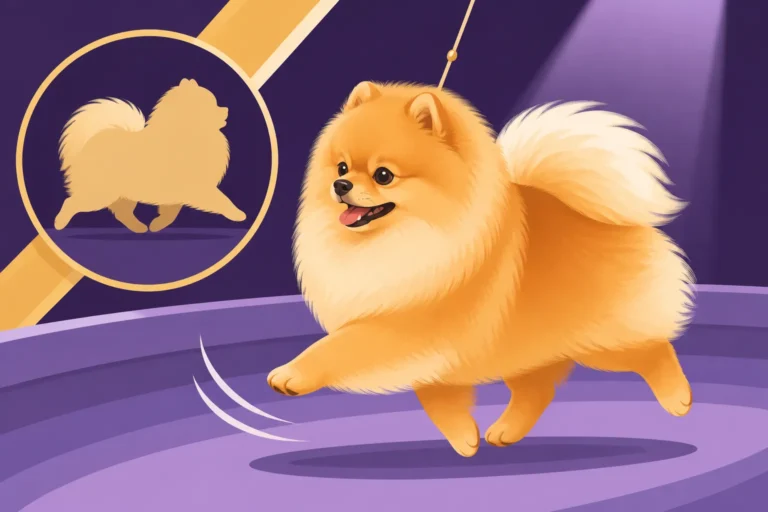
One of the most common issues arises with furniture. To us, a sofa or a bed seems like a short jump, but for a six-inch tall Pomeranian, it's a significant leap, equivalent to a human jumping from a second-story window. These repeated impacts can wreak havoc on their joints, especially their fragile kneecaps, which are prone to luxation. Why Jumping Off Furniture Wrecks a Pomeranian's Knees is a serious health risk that many owners overlook. Investing in small ramps or steps, easily found on sites like Chewy, is a game-changer for protecting their little legs.
Their small size also impacts how they interact with the world outside the home. On walks, they’re closer to the ground, experiencing everything from a different perspective. They're more susceptible to extreme ground temperatures, whether burning hot pavement in summer or icy cold sidewalks in winter. Furthermore, their delicate windpipes, prone to issues like tracheal collapse, mean that a harness is almost always a better choice than a collar for walks, to avoid putting pressure on their throat. Harnesses Fitted for a Pomeranian's Windpipe are specifically designed to distribute pressure across the chest.
Creating a Safe and Comfortable Environment
Beyond ramps and harnesses, there are many ways to make your home a haven for your tiny Pom:
- Food and Water Bowls: Small, elevated bowls can make mealtime more comfortable for their neck and spine. You can find various options sized perfectly for tiny breeds at pet supply stores, including Chewy.
- Playtime: Choose toys that are appropriately sized and durable. Too large, and they can't play effectively; too small, and they become choking hazards. Interactive puzzle toys can be a great way to engage their intelligent minds without requiring excessive physical exertion.
- Socialization: Introducing a Pomeranian to larger dogs requires extreme caution. While Poms often have big personalities, their small stature makes them incredibly vulnerable to accidental injury, even from well-meaning bigger dogs. Always supervise interactions closely and ensure the larger dog understands appropriate play. A Five Pound Pomeranian Around Big Dogs is a delicate balance.
- Travel: Their compact size makes them ideal travel companions, often fitting comfortably in airline-approved carriers under the seat in front of you. However, ensuring their carrier is secure and comfortable for them is paramount.
Understanding the unique needs that come with a six to seven-inch stature helps you provide the best possible care for your Pomeranian, ensuring they live a long, happy, and healthy life as your cherished companion.
| Feature | Standard Pomeranian (6-7 inches) | Larger Pomeranian (8-9+ inches) | "Teacup" Pomeranian (Under 6 inches) |
|---|---|---|---|
| Height (at withers) | 6-7 inches (approx. 15-18 cm) | 8-9+ inches (approx. 20-23+ cm) | Under 6 inches (approx. 15 cm) |
| Weight Range | 3-7 lbs (1.4-3.2 kg) | 8-12 lbs (3.6-5.4 kg) | Under 3 lbs (under 1.4 kg) |
| Breed Standard | Ideal, sought after in show rings. | Acceptable for pets, but "off standard" for showing. | Not recognized by breed standards; often associated with health risks. |
| Perceived Size | Appears larger due to dense double coat. | Clearly larger than standard, still fluffy. | Very tiny, even with full coat, but coat may be sparse. |
| Fragility | Delicate, prone to patellar luxation, tracheal collapse. | Generally sturdier, but still requires care due to small size. | Extremely fragile, high risk of hypoglycemia, bone fractures, fontanelles. |
| Typical Health | Generally good with responsible breeding, still breed-specific risks. | Often quite robust, potentially fewer risks associated with extreme smallness. | Higher incidence of serious health issues due to selective breeding for size. |
| Grooming Needs | Regular, thorough brushing to maintain coat and prevent mats. | Regular grooming, coat density can vary. | May have sparser coat, but still needs care; can be more sensitive. |
| Environmental Needs | Ramps for furniture, appropriate-sized toys, safe interactions. | Similar to standard, but may navigate larger spaces more easily. | Extreme caution needed; very vulnerable to falls, being stepped on. |
The Lifespan and Care of a Properly Sized Pomeranian
Understanding the standard size of a Pomeranian isn't just about appearance; it's deeply intertwined with their overall health and lifespan. A well-bred Pomeranian that falls within the healthy size and weight range is more likely to live a full and vibrant life. While The Twelve to Sixteen Years a Pomeranian Lives is a good average, responsible breeding and appropriate care play a monumental role in reaching that upper end.
When a Pomeranian is bred to the standard, it means their structure is typically sound. Their bones, joints, and internal organs are proportionate and less likely to be under undue stress from being either too large or unnaturally small. Dogs that are significantly oversized or undersized can sometimes encounter specific health challenges. For example, larger Poms might have a slightly increased risk for certain joint issues simply due to weight, though this is less common for Pomeranians compared to giant breeds. On the other hand, the extremely small "teacup" Pomeranians often face a litany of serious health problems, from fragile bones to serious heart conditions.
Daily care, regardless of slight size variations, remains consistent. Their beautiful double coat requires regular attention to prevent mats and maintain skin health. This means brushing them several times a week. The Minutes a Full Pomeranian Brush Out Takes is time well spent, not just for their appearance, but for their comfort and health. Their small mouths are prone to dental disease, making Daily Tooth Care in a Pomeranian's Crowded Mouth a non-negotiable part of their routine. And, of course, a balanced diet appropriate for a small, active dog is crucial.
Ultimately, while the six to seven-inch measurement defines the ideal Pomeranian in the eyes of the breed standard, the real joy comes from embracing your unique companion, providing them with the best possible care, and celebrating the big personality that often comes packed in such a small, fluffy package.
Disclaimer
This article is for general informational purposes only and does not constitute professional advice. Laws, prices and regulations vary by location and change over time. Consult a qualified professional for guidance on your specific situation.