The Pomeranian That Sat With Victoria at the End
It’s a powerful image, isn't it? The thought of a monarch, even at the very end of her life, finding comfort in the tiny, fluffy presence of a beloved dog. For many Pomeranian owners, that deep, unwavering bond is something truly special. Queen Victoria, an iconic figure in history, experienced this profound connection firsthand, and her final moments were shared with one particular little Pom. This guide delves into the historical details of Queen Victoria's cherished Pomeranian, Marco, and the tender story of their last goodbyes, exploring how her love for these dogs shaped the breed we know today.
Queen Victoria's Pivotal Role in Pomeranian History
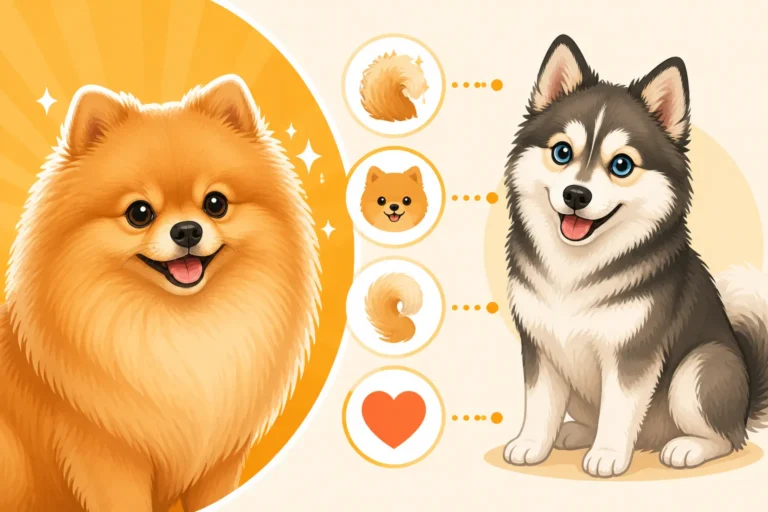
Queen Victoria's influence on the Pomeranian breed is one of the most remarkable stories in canine history. Before her time, Pomeranians were significantly larger, often weighing 20 to 30 pounds, and were closer in appearance to their German Spitz ancestors. They were sturdy working dogs, used for herding and guarding, particularly in the Pomerania region from which they get their name. They certainly weren't the delicate lapdogs we know today.
Discovering the Breed in Florence
Victoria first encountered Pomeranians during a trip to Florence, Italy, in 1888. It was there that she was introduced to a particularly small red sable Pomeranian named Marco. This little dog, much smaller than the typical Poms of the era, immediately captured her heart. This encounter wasn't just a personal anecdote; it marked a turning point for the breed. Prior to this, the Pomeranian, while present in England, was not widely known or bred for its diminutive size. The dogs she saw in Italy were descendants of the larger German Spitz breeds, often categorized as The Italian Spitz Behind Victoria's Pomeranians.
Her fascination with Marco and other smaller Pomeranians she acquired quickly sparked a trend. When a queen, especially one as influential as Victoria, takes a liking to a particular type of dog, the public and breeders take notice. This royal endorsement essentially set the stage for a dramatic shift in breeding preferences. People wanted what the Queen had, and suddenly, the demand for smaller, more refined Pomeranians skyrocketed.
Shifting the Breed Standard Towards Miniaturization
Victoria didn't just own a few Pomeranians; she actively became a breeder and exhibitor, showcasing her dogs at prestigious events like Crufts. Her personal preference for smaller Poms, combined with her immense public standing, directly led to breeders focusing on reducing the size of the breed. This was a deliberate effort to breed down from the larger German Spitz type to the toy-sized companion dog we recognize. This period saw a concerted effort by breeders to achieve the smaller stature that Victoria adored.
This shift was profound. Within a relatively short period, the average weight of a Pomeranian drastically reduced. Where once the breed was known as The Twenty Five Pound Pomeranian of the 1800s, it rapidly evolved towards the much smaller, 3-7 pound dogs that fit the modern breed standard. It's a testament to her influence that the entire trajectory of the breed changed so dramatically within her lifetime, a process sometimes described as How the Pomeranian Halved in Size in One Lifetime. Her dedication transformed the Pomeranian from a relatively obscure, medium-sized working dog into one of the most popular and fashionable toy breeds, forever cementing its place in the hearts of dog lovers and in history.
Marco: The Comforting Presence at the End
Among Queen Victoria's many cherished Pomeranians, one particular dog held a special place, especially in her final years: Marco. This little red sable Pom was more than just a pet; he was a constant source of comfort and companionship for the aging monarch. His presence, especially as her health declined, underscores the deep emotional bond humans share with their canine friends.
A Queen's Devotion to Her Canine Companions
Queen Victoria's love for dogs was well-documented throughout her life. She owned many breeds, but her affection for Pomeranians was unique and grew particularly strong in her later years. Marco was one of her favorites, often traveling with her and being photographed by her side. This level of devotion wasn't just about owning a dog; it was about the profound emotional connection and the solace these animals provided. She truly understood the therapeutic power of a loyal companion, an understanding that many modern dog owners, myself included, share deeply.
She wasn't alone in her chambers, feeling isolated by her immense responsibility. Instead, she had the soft fur and unwavering loyalty of her small pack, with Marco often singled out for special attention. This relationship offers a poignant glimpse into the personal life of a figure who often appeared stoic and formidable to the public. It reminds us that even queens seek comfort and unconditional love. Today, we might pamper our Poms with gourmet treats from Chewy or special orthopedic beds, but the underlying need for companionship is timeless.
Marco's Vigil: The Final Moments
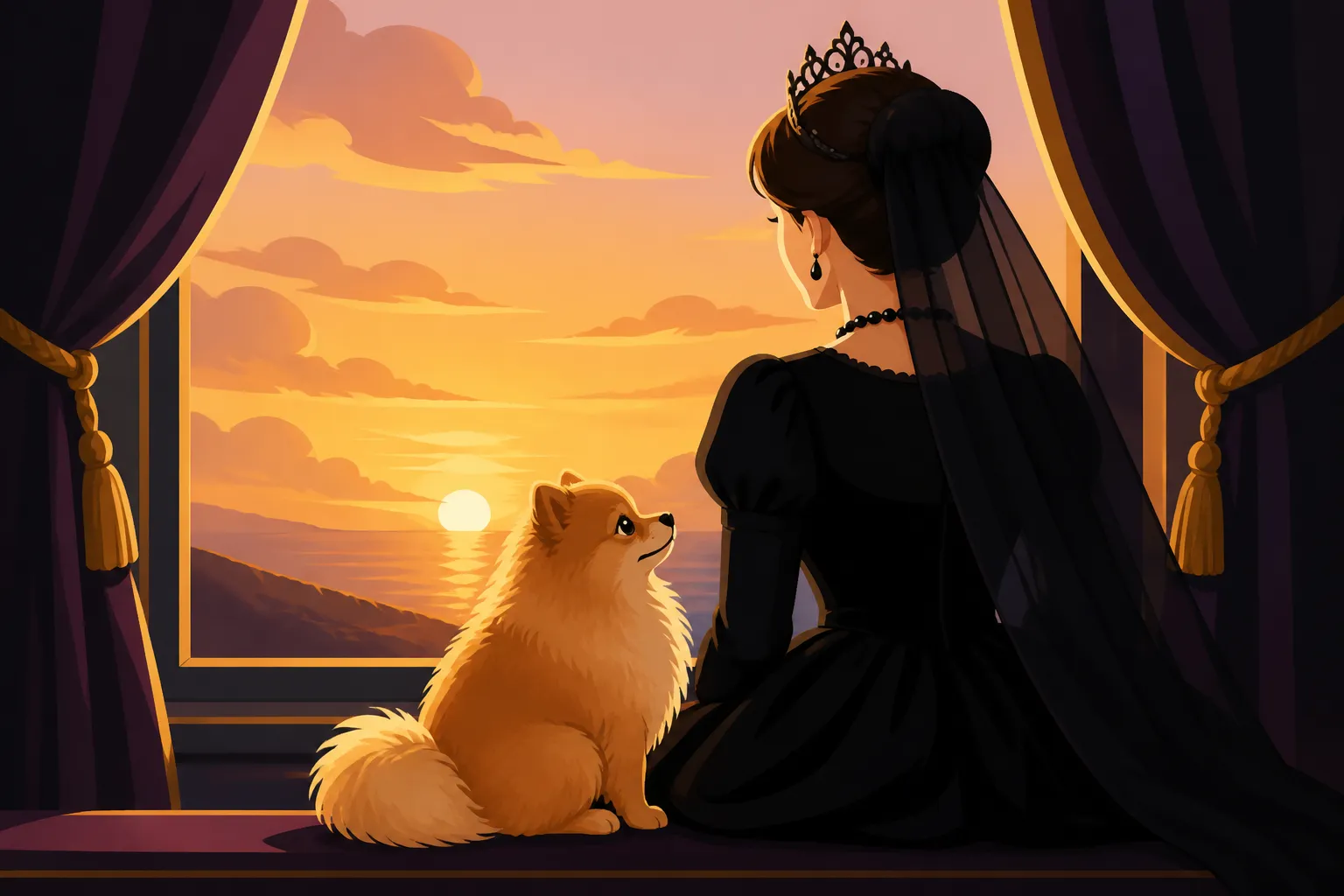
The most touching and historically significant aspect of Marco’s story is his presence at Queen Victoria’s deathbed. On January 22, 1901, as the formidable Queen Victoria lay dying at Osborne House on the Isle of Wight, her beloved Pomeranian, Marco, was brought to her. He was placed on her bed, a loyal and comforting presence as she drew her last breaths. This act speaks volumes about the depth of her affection for him and the importance of his role in her life, right up to the very end.
It's a powerful and tender scene: the great Queen, ruler of an empire, finding her ultimate solace not in her family or courtiers, but in the quiet, warm presence of her little dog. This simple act highlights the unique bond between humans and their pets, demonstrating how dogs offer unconditional love and comfort during our most vulnerable moments. The story of Marco, Victoria's Pomeranian, and the Year 1888 setting the stage for his later significance is crucial to understanding this final devotion.
| Year | Event Related to Queen Victoria & Pomeranians | Significance |
|---|---|---|
| 1888 | Visits Florence, Italy; acquires Marco | Sparked her love for smaller Pomeranians, beginning the miniaturization trend. |
| 1891 | Exhibits her Pomeranians at Crufts | Publicly endorsed the breed, increasing its popularity and demand for smaller sizes. |
| 1901 | Marco is by her side at her deathbed | Symbolized her deep personal bond with her pets and their role in her comfort. |
This historical detail is often cited when discussing the breed's history, showcasing not just a monarch's personal preference, but the universal truth of pet companionship. The image of Marco comforting Victoria in her final hours resonates with any dog owner who understands the silent, profound support a pet can offer during times of illness or grief.
The Enduring Legacy of Queen Victoria's Pomeranians
Queen Victoria's patronage didn't just affect the size of the Pomeranian; it fundamentally changed its destiny, elevating it from a relatively obscure regional dog to an international sensation. Her influence continues to shape how we view and breed Pomeranians today.
Shaping the Breed for Generations
Her passion for Pomeranians, particularly the smaller variety, had a cascading effect on breeders worldwide. They began actively selecting for smaller stature, finer bones, and the distinct "fox-like" expression that is a hallmark of the modern Pomeranian. This intense focus on miniaturization was a direct consequence of her preference and the public's desire to own dogs similar to those of the Queen. It solidified the Pomeranian's identity as a toy breed, rather than its earlier, larger Spitz form. Discussions about How Breeders Selected Pomeranians Down in Size often point back to this period of royal influence.
Without Queen Victoria's intervention and advocacy, the Pomeranian might have remained a larger, less popular breed, perhaps even blending back into the broader German Spitz family. Her role was truly transformative, guiding the breed toward its current beloved form. You could say that Whether Victoria's Dogs Would Be Pomeranians Today is a question answered by history – they would be recognized as early ancestors, but the breed has refined even further since her time.
International Recognition and Popularity
Thanks to Victoria, the Pomeranian gained immense popularity not just in the United Kingdom, but across Europe and eventually in North America. Her fame ensured that the breed received international attention, leading to its widespread adoption and development in various countries. This royal endorsement was essentially the best marketing campaign a dog breed could ever hope for. It cemented the Pomeranian's place in popular culture and ensured its continued presence in homes and show rings for over a century.
Today, Pomeranians remain incredibly popular worldwide, consistently ranking high in breed registrations. This enduring appeal can be directly traced back to Queen Victoria's pivotal role. Many owners are drawn to their spirited personalities, luxurious coats, and compact size—traits that were either emphasized or developed further due to Victoria's initial interest. When we consider the global reach of these tiny dogs, from casual pet owners to competitive show enthusiasts stocking up on grooming supplies from Chewy, it's clear that Queen Victoria's legacy lives on in every fluffy Pom. Even examining The Countries Where Pomeranians Are Most Registered shows the enduring global impact.
Modern Interpretations and Ongoing Debate
While Queen Victoria's legacy is largely celebrated for popularizing the Pomeranian, it also sparks discussions about the ethical considerations of breeding for extreme characteristics. The drive for smaller sizes, while creating the beloved toy Pom, can also lead to health concerns if not managed responsibly. Issues like patellar luxation, tracheal collapse, and dental overcrowding are more common in very small dogs. Responsible breeders today prioritize health and temperament alongside appearance, ensuring that the Pomeranian remains a healthy and happy companion. This reflects a more nuanced understanding that while historical figures like Victoria shaped breeds, modern practices must evolve to protect canine well-being. The breed's journey from a larger working dog to a delicate companion is a testament to selective breeding, but also a reminder of the importance of balanced breeding practices that look to the future health of the dogs.
Disclaimer
This article is for general informational purposes only and does not constitute professional advice. Laws, prices and regulations vary by location and change over time. Consult a qualified professional for guidance on your specific situation.