What the Original Pomeranian Was Kept For
Today's Pomeranians are beloved lap dogs, renowned for their fluffy coats, tiny stature, and often boisterous personalities. It's easy to look at these miniature bundles of joy and wonder how they ever came to be, especially considering their distant relatives are hardy, often much larger, working dogs. Many new Pomeranian owners are surprised to learn that these dainty divas weren't always designed for cuddles and couture, but once served a very practical purpose. This guide delves into the fascinating history of the original Pomeranian, exploring what these dogs were truly kept for before they graced the laps of royalty and became the household pets we know and adore.
The Pomeranian's Northern Roots: From Sled Dogs to Lap Warmers
When you picture a Pomeranian, you probably envision a tiny, elegant creature, perhaps delicately trotting around a manicured garden or nestled comfortably in a designer carrier. This image is a far cry from their ancestors, who were sturdy, medium-to-large-sized dogs perfectly adapted to a much tougher existence. It’s hard to reconcile the delicate modern Pom with the idea of a working dog, but their lineage tells a different story entirely.
Tracing Back to the Spitz Family
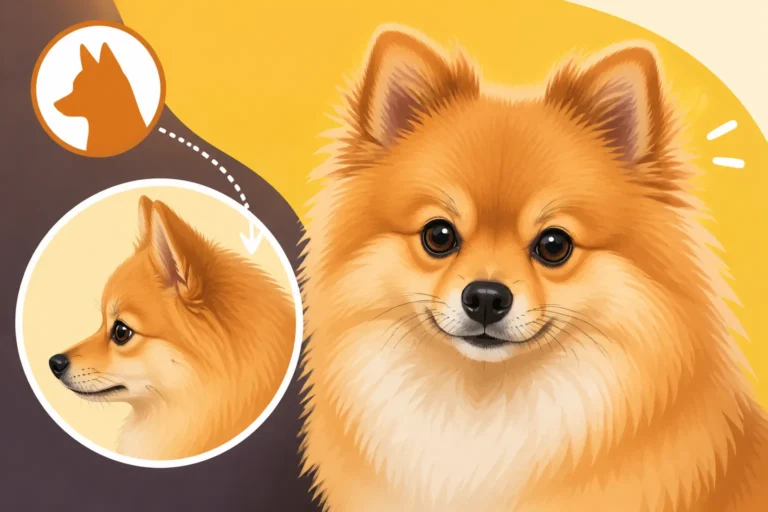
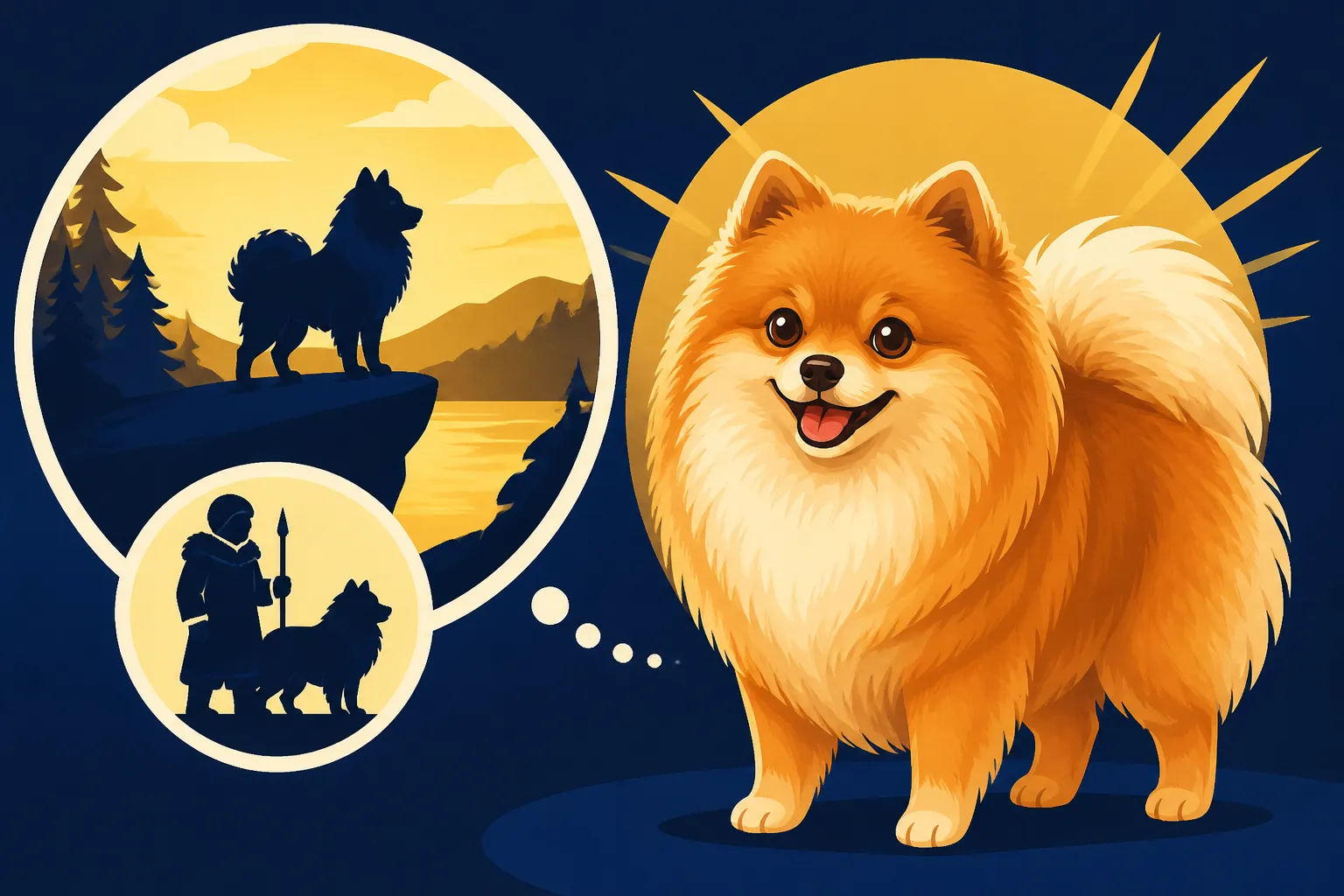
The Pomeranian's story begins with the ancient Spitz family of dogs, a group known for their distinctive foxy faces, prick ears, thick double coats, and tails that curl over their backs. These breeds originated in the Arctic and sub-Arctic regions and were bred for specific roles in harsh environments. Think of breeds like the Samoyed, Norwegian Elkhound, or even the Keeshond – large, robust dogs built for endurance and utility. Our little Pomeranian shares this heritage, a direct descendant of these formidable northern breeds. The Norwegian Elkhound and the Pomeranian's Northern Roots
Over centuries, as these Spitz dogs migrated and spread across Europe, local variations developed, often adapting to the specific needs of the communities they served. The region of Pomerania, a historical area along the Baltic Sea, spanning parts of modern-day Germany and Poland, became a critical point in this evolution. Here, the larger Spitz dogs began to undergo a significant transformation, not through a sudden change, but through generations of selective breeding. Farmers and families in this region found utility in slightly smaller, yet still robust, versions of these working Spitz types. They weren't breeding for show rings or royal palaces yet; they were breeding for practical helpers.
The "Guard Dog" of the Farmyard
Before they were known for being fashion accessories, the original Pomeranians were primarily kept as working farm dogs. And when I say "working," I don't mean pulling heavy sleds like some of their larger cousins, but rather excelling in roles perfectly suited to their size and inherent Spitz traits. Their alert nature and surprisingly loud bark were their greatest assets, earning them the unofficial title of "guard dog of the farmyard."
Imagine a bustling farm in rural Pomerania centuries ago. There were no elaborate alarm systems or security cameras. What you had was an ever-present, vigilant dog. These larger ancestors of our modern Poms would patrol the perimeter, their keen senses picking up on any unusual sights, sounds, or smells long before a human would. Their deep, resonant barks were perfect for alerting farmers to approaching strangers, potential predators like wolves or foxes threatening livestock, or even just mischievous neighbors. This wasn't about aggression, but about vocal warning – a high-pitched alarm system on four legs. What the Original Pomeranian Was Kept For
Beyond their role as watchdogs, these versatile dogs often assisted with light herding duties, keeping small flocks of sheep or geese in check, though not with the intensity of a dedicated herding breed. They would also chase away vermin, protecting precious grain stores from rodents. Their robust double coats, which we still see in our modern Poms, offered excellent protection against the cold, damp climate of the Baltic coast, allowing them to work outdoors comfortably year-round. These were dogs deeply integrated into the fabric of daily farm life, essential for both security and minor labor.
Life in Pomerania: More Than Just a Pretty Face
The historical region of Pomerania, from which our beloved breed takes its name, wasn't a land of luxury estates and pampered pets. It was a region with a demanding climate and a predominantly agricultural way of life. The dogs that thrived here, including the ancestors of the Pomeranian, were chosen for their practical attributes, not their cuteness. They were hardy, adaptable, and self-sufficient companions for families who relied on their dogs for more than just emotional support.
Climate and Practicality in Northeastern Europe
The Baltic coast where Pomerania is located experiences cold winters, often with snow, and cool, damp conditions throughout much of the year. For any animal to thrive in such an environment, it needed excellent natural insulation. This is where the Pomeranian's iconic double coat comes into play. The original Pomeranians possessed an even more substantial version of the coat we see today – a dense, woolly undercoat for warmth and a longer, coarser outer coat (guard hairs) that shed water and protected against the elements. This coat wasn't just for beauty; it was a matter of survival. The Guard Hair and Undercoat of a Pomeranian
These dogs spent much of their time outdoors, whether guarding the property, accompanying farmers on their rounds, or simply being part of the bustling farmstead. They needed to be resilient, capable of enduring varied weather conditions without succumbing to the cold or damp. Their hardiness and endurance, attributes inherited from their larger Spitz ancestors, were crucial. This practical necessity shaped the breed long before any notions of "toy" or "companion" dogs entered the picture. They weren't fragile, but tough little survivors who earned their keep every single day.
The Versatile Companion of the Common Folk
It's important to remember that for centuries, owning a dog was often tied to utility. While aristocracy might have kept dogs purely for companionship or sport, the common folk needed their animals to contribute to the household. The ancestors of the Pomeranian fit this bill perfectly. They were loyal, watchful, and intelligent dogs that could adapt to various tasks required on a farm or in a small village.
They were not just a static alarm system; they were dynamic members of the family unit. Children could grow up with these dogs, learning responsibility and benefiting from their protective presence. The dogs offered a sense of security and companionship to people whose lives were often arduous and solitary. Their alertness wasn't just for strangers; it could also mean warning of a fire, a broken fence, or a lost animal. They were the eyes and ears of the homestead, an indispensable part of daily life. This is a far cry from the modern perception of Pomeranians as delicate creatures who might need ramps to get onto the sofa or special carriers for walks. While we certainly provide those comforts now, the original Pomeranian had a much more rugged existence. The Twenty Five Pound Pomeranian of the 1800s
The Shift: From Work to Aristocracy and Beyond
The journey from working farm dog to pampered pet is a testament to how human preferences and societal changes can profoundly impact a breed's development. For the Pomeranian, this transformation was swift and dramatic, largely influenced by one very famous monarch.
Queen Victoria's Influence on Pomeranian Size
The most pivotal moment in the Pomeranian's history came in the late 19th century, thanks to Queen Victoria. While Pomeranians had already made their way to England and gained some popularity among the upper classes, they were still considerably larger than the dogs we see today, often weighing between 10 to 20 pounds. In 1888, during a trip to Florence, Italy, Queen Victoria encountered a Pomeranian named Marco. Marco was notably smaller than the Poms popular in England at the time, weighing around 12 pounds. She fell in love. Marco, Victoria's Pomeranian, and the Year 1888
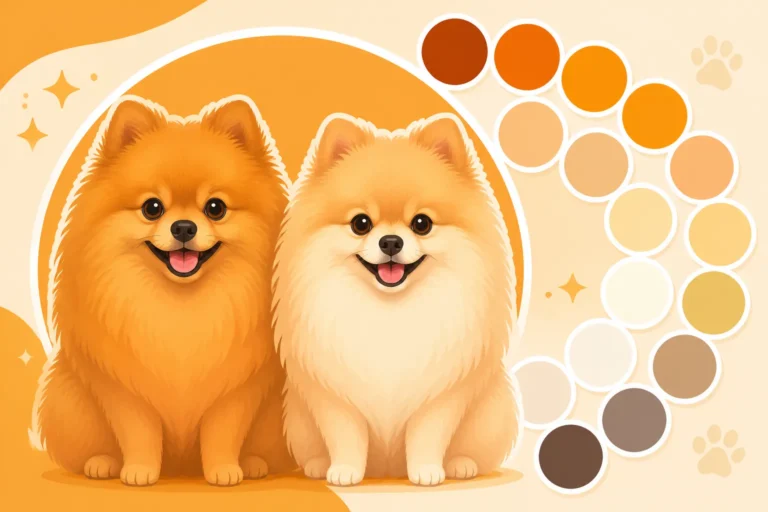
Queen Victoria began to breed and exhibit these smaller Pomeranians, and her royal endorsement quickly sparked a craze. Everyone wanted a "Victorian Pomeranian," and breeders eagerly responded to the demand for increasingly diminutive dogs. The breed standard began to shrink rapidly, pushing for smaller sizes, more delicate features, and the vibrant colors we associate with them today. In just a few decades, the average weight of a Pomeranian dropped from nearly twenty pounds to the three-to-seven-pound range that is accepted today. This royal patronage fundamentally reshaped the breed, shifting its primary purpose from utilitarian farm work to fashionable companionship.
Here’s a simplified comparison of the original Pomeranian and its modern counterpart:
| Feature | Original Pomeranian (Pre-Victorian) | Modern Pomeranian (Post-Victorian) |
|---|---|---|
| Primary Purpose | Farm guardian, alert dog, light herding, vermin control | Companion animal, lap dog, show dog |
| Average Weight | 10-20+ pounds | 3-7 pounds (standard) |
| Appearance | Sturdier build, less refined, often solid white/cream/black | Delicate, refined, abundant coat, wide color variety |
| Coat | Extremely dense, functional double coat for weather | Luxurious, fluffy double coat, prone to matting |
| Temperament | Hardy, watchful, independent, alert | Alert, spirited, affectionate, can be vocal |
| Living Environment | Farmyards, village homes | Apartments, suburban homes, urban settings |
Modern Pomeranian Life: Echoes of the Past
Even though today's Pomeranians are far removed from their farm-dwelling ancestors, many of their most defining traits are direct inheritances from their working past. Their incredible alertness, for instance, which often manifests as enthusiastic (and sometimes excessive) barking, is a vestige of their role as alarm systems. That keen ear and watchful eye that makes them excellent little guard dogs of the modern home? That’s pure historical practicality shining through. The Doorbell and the Pomeranian Response
Their thick double coat, while now groomed for aesthetics, is still an incredibly effective insulator, making them surprisingly tolerant of cold weather, even though we might bundle them up in sweaters! Their intelligence and often stubborn independence also harks back to a time when they needed to make decisions and be resourceful on their own, rather than relying solely on human commands. Understanding this heritage can actually help modern owners better manage and appreciate their Poms. For example, knowing that they were bred to be vocal can help temper frustration when they bark at every leaf blowing past the window. It's not rudeness; it's instinct.
We might now spoil our Poms with gourmet meals from Chewy and plush beds, but a part of their ancient, diligent spirit lives on. Providing them with opportunities to "work" their brains through training, puzzle toys, and consistent routines can tap into that deep-seated need for purpose. They may not be chasing foxes anymore, but they still thrive on engagement and feeling like a valuable member of the household, just like their ancestors did on the farms of Pomerania.
Disclaimer
This article is for general informational purposes only and does not constitute professional advice. Laws, prices and regulations vary by location and change over time. Consult a qualified professional for guidance on your specific situation.