The Year a Pomeranian Starts Needing More
It’s a bittersweet moment when you start noticing those subtle shifts in your beloved Pomeranian. One day they’re a whirlwind of fluff and energy, chasing toys with wild abandon, and the next, you catch them sleeping a little longer, moving a bit slower, or perhaps missing a jump they once made effortlessly. It's easy to dismiss these as minor, but they’re often the first whispers that your little companion is entering a new phase of life, a time when their needs begin to evolve significantly. This guide is here to help you understand these changes, validate your observations, and prepare you to provide the best possible care as your Pomeranian ages gracefully.
Recognizing the Subtle Shifts: When "Aging" Begins
It’s often a slow, creeping process, not a sudden leap. You might wonder, "When does a Pomeranian count as old?" Generally, for a small breed like a Pomeranian, the transition from full adulthood to maturity starts around 7 to 8 years of age. While they might not be considered "geriatric" until 10 or 11, these preceding years are crucial for noticing the subtle initial shifts that indicate their needs are about to change. It's not about them becoming frail overnight; it’s about their systems gradually slowing down, much like our own as we get older.
The Transition from Adult to Mature Dog
Think of it like us hitting our 40s or 50s. We're still active, still capable, but we might not bounce back from a late night or a strenuous activity quite as quickly as we used to. For a Pomeranian, this means their metabolic rate might start to decrease, their immune system might not be quite as robust, and the wear and tear on their tiny joints might begin to manifest. You might not see dramatic changes in their personality yet, but their physical resilience starts to lessen. They may not tire easily on a walk, but perhaps that evening, they settle down a little faster, a little deeper into their bed, for a longer stretch.
During this period, it's vital not to attribute every change to "just getting old" without proper investigation. Sometimes, what looks like slowing down can be a symptom of an underlying issue that could be managed or treated. This transitional phase is often when the first real indicators begin to appear, suggesting that your Pomeranian is moving into a more mature stage of life. It’s a call to be more observant, to adjust routines slightly, and to consider their future needs. This early recognition is key to helping them maintain a good quality of life for as long as possible. Many owners start to notice The First Signs a Pomeranian Is Aging around this time, like a slight stiffening after naps or a reduced eagerness for boisterous play.
Early Warning Signs in Activity and Behavior
These aren't necessarily alarming symptoms, but rather gentle nudges that your Pomeranian’s world is shifting. You might notice they hesitate a moment before jumping off the sofa, or they might take an extra second to get up after lying down. Perhaps their once insatiable appetite for walks has mellowed, and they're content with a shorter potter around the block rather than a lengthy adventure. You might also observe subtle shifts in their sleep patterns, perhaps sleeping more deeply during the day or becoming a little more restless at night.
Behaviorally, some Pomeranians might become a bit less tolerant of high-energy play from other dogs or children, preferring calmer interactions. Others might seek out quiet spaces more often, indicating they need more downtime. It’s important to distinguish these natural age-related shifts from signs of pain or discomfort. A decrease in activity could be a sign of early arthritis, not just a preference for relaxation. Observing these nuances and discussing them with your vet during annual check-ups is paramount, as early intervention can make a significant difference in their comfort and well-being. Keeping a small journal of changes can be incredibly helpful for your vet visits.
Changes in Mobility and Joint Health
One of the most common areas where Pomeranians start needing more support as they age is in their joints and overall mobility. Their small stature and delicate bone structure, while adorable, can make them more susceptible to certain orthopedic conditions that become more pronounced with age. It's heartbreaking to see your once agile Pom hesitate or struggle, and understanding these issues is the first step in providing comfort.
The Onset of Joint Stiffness and Arthritis
Just like in humans, arthritis is a progressive condition that involves the inflammation and degeneration of joint cartilage. For Pomeranians, it often manifests as stiffness, particularly after periods of rest. You might notice your Pom is slower to get up in the morning, or perhaps they limp slightly after a long walk or a vigorous play session. Stairs might become more of a challenge, or they might completely avoid jumping on and off furniture – activities they once performed with ease. The small joints in their legs, hips, and spine are particularly vulnerable to this wear and tear over years of joyful bouncing and running.
Managing arthritis isn't about curing it, but about slowing its progression and alleviating pain. This can involve a combination of approaches: maintaining a healthy weight to reduce stress on joints, providing comfortable orthopedic beds, and incorporating gentle, regular exercise. Your veterinarian might recommend joint supplements containing glucosamine and chondroitin, or even anti-inflammatory medications to help manage discomfort. Recognizing Arthritis in a Pomeranian at Ten often means realizing that proactive steps taken earlier in life, such as preventing jumps off high surfaces, could have delayed or lessened the severity.
Managing Luxating Patellas in Senior Years
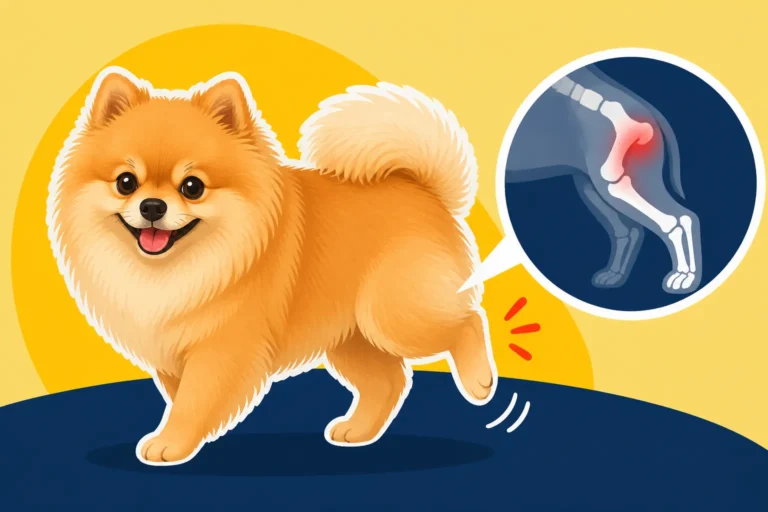
Luxating patellas, or "slipping kneecaps," are a common congenital issue in many small breeds, including Pomeranians. While often diagnosed when they are younger, the condition can worsen with age, leading to more frequent lameness, pain, and potentially secondary arthritis. As your Pomeranian enters their mature years, a previously mild luxation (say, a Grade 1 or 2) might become more problematic. You might notice them "skipping" on a back leg more often, or experience increased pain and reluctance to use the affected limb. The surrounding soft tissues can become more inflamed, and the cartilage damage can accumulate.
If your Pomeranian has a history of luxating patellas, their senior years will likely require more diligent management. This could mean increased vet check-ups to assess joint health, adjustments to their activity levels, or even considering pain management strategies if surgery isn't an option or was performed earlier in life. Ramps and pet steps become invaluable tools, helping to reduce the impact on their knees from jumping, which can significantly prevent further deterioration. Creating an environment where they don't have to navigate challenging heights is crucial for their comfort and long-term joint health.
Dental Health: A Lifelong Battle Intensifies
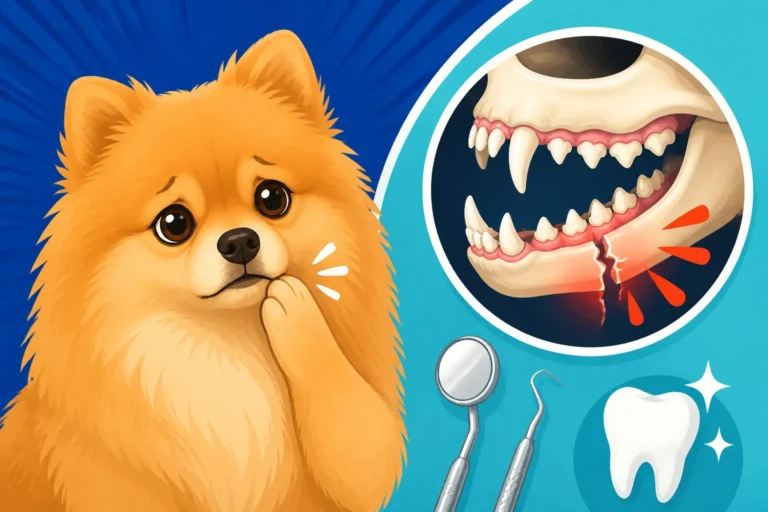
If there’s one area where Pomeranians consistently need more attention throughout their lives, and especially as they age, it’s their teeth. Their tiny mouths are prone to overcrowding, making them a prime target for plaque and tartar buildup, which inevitably leads to periodontal disease. While it’s a concern for all dogs, it becomes an even more critical health factor for senior Pomeranians.
Advanced Periodontal Disease and Tooth Loss
As your Pomeranian ages, years of plaque accumulation can lead to severe periodontal disease. This isn't just about bad breath; it's a serious bacterial infection that can cause painful gum recession, bone loss in the jaw, and eventually, tooth loss. The bacteria from infected gums can also enter the bloodstream, impacting vital organs like the heart, kidneys, and liver, contributing to other systemic health issues. You might notice your senior Pomeranian struggling to eat their kibble, dropping food, or showing signs of pain when they chew. Their breath, which might always have been a little "doggy," can become truly foul, a clear indicator of advanced infection.
It’s a heartbreaking reality that many older Pomeranians have several teeth extracted during their dental procedures due to severe decay and infection. The smaller the dog, the more prevalent and severe this issue tends to be. Addressing Dental Disease in a Mouth the Size of a Pomeranian's is not just about cosmetic improvement, it's about preventing pain and systemic illness. Proactive daily brushing from a young age can help, but for many, a professional dental cleaning under anesthesia becomes an annual or biennial necessity as they get older.
The Importance of Regular Professional Cleanings
Given the propensity for dental issues in Pomeranians, regular professional cleanings are non-negotiable, especially as they age. Your vet will perform a comprehensive oral exam, which often includes dental X-rays to assess the health of the tooth roots and jawbone, as much of the disease hides below the gumline. This allows them to identify and address issues like retained deciduous teeth (baby teeth that never fell out), fractured teeth, or deep pockets of infection. While the idea of anesthesia for an older dog can be daunting, modern veterinary practices prioritize safety with pre-anesthetic bloodwork, IV fluids, and careful monitoring throughout the procedure.
The cost of these procedures can be a concern for many owners, but neglecting dental health can lead to far more expensive and painful problems down the line. Many pet insurance plans, like those offered by Healthy Paws, recognize the critical nature of dental care and may offer coverage for accident and illness-related dental procedures, though typically not routine cleanings or pre-existing conditions. Discussing a consistent dental care plan with your vet, including scheduling regular cleanings and exploring options like dental chews or water additives to supplement brushing, is essential for maintaining your senior Pomeranian's comfort and overall health. If you're wondering Whether an Old Pomeranian Should Have a Dental, the answer is almost always yes, provided they are otherwise healthy enough for anesthesia.
Coat and Skin Transformations
That glorious, fluffy double coat is one of the Pomeranian's most defining features, but as they age, even this can undergo significant changes. Owners often notice a difference in texture, thickness, and even color as their Poms transition into their senior years. These changes can also make them more susceptible to certain skin conditions, requiring a shift in their grooming and care routine.
Thinning Hair and the "Old Dog" Coat
It’s not uncommon for an older Pomeranian’s coat to thin out, especially over their hindquarters, flanks, and sometimes even along their back. This isn't usually due to a specific medical condition like Alopecia X (Black Skin Disease), but rather a natural part of the aging process. The hair follicles might become less active, producing finer, sparser hair, or the growth cycle might shorten. The once dense, stand-off undercoat might lose some of its voluminous quality, leading to a softer, less plush feel. The guard hairs might also become more brittle or prone to breakage. You might notice The Thinning That Starts on a Pomeranian's Hindquarters first, as it's a very common area for this to occur.
This thinning can expose their delicate skin more, making it more vulnerable to sun damage in warmer climates or to dryness in colder ones. The coat's texture might also change, becoming softer and perhaps more prone to matting if not brushed regularly. It’s a good idea to adjust your grooming tools and techniques, using gentler brushes and perhaps a hydrating spray to keep the skin moisturized and the remaining coat healthy.
Increased Risk of Skin Conditions and Allergies
With age, a Pomeranian’s immune system can become less efficient, making them more susceptible to skin infections, allergies, and other dermatological issues. The thinning coat provides less protection, and their skin barrier may not be as robust as it once was. You might notice drier, flakier skin, or areas of redness and irritation. Older Poms can also develop benign growths or skin tags, which, while usually harmless, should always be checked by a vet to rule out anything more serious.
Food sensitivities or environmental allergies that were mild in their younger years might become more pronounced, causing chronic itching, scratching, or paw licking. This increased sensitivity means more vigilance is needed in their care. Regular, gentle bathing with a moisturizing, hypoallergenic shampoo can help maintain skin health. Omega-3 fatty acid supplements can also support skin and coat condition from within. If you notice persistent itching, redness, or unusual lumps, a trip to the vet is always warranted to diagnose and treat any underlying conditions.
Sensory Decline: Eyes, Ears, and Cognitive Function
As with us, a Pomeranian's senses can gradually dull with age. Their keen sight and hearing, which once made them such excellent little watchdogs, may not be as sharp. Beyond physical senses, their cognitive function can also start to show signs of decline, impacting their memory, awareness, and daily routines.
Clouding Eyes and Decreased Vision
One of the most noticeable changes in an aging Pomeranian is often in their eyes. Many senior Poms develop a bluish-gray haze over their pupils, a condition called lenticular sclerosis (or nuclear sclerosis). This is a normal part of aging, caused by the hardening of the lens, and generally doesn't significantly impair their vision, though it can make things appear blurrier. However, it’s crucial for your vet to differentiate this from cataracts, which are true opacities of the lens that do lead to significant vision loss and can sometimes be surgically removed. Clouding Eyes in a Pomeranian Past Ten is a common observation, and knowing the difference between normal aging and a more serious condition is important.
As vision diminishes, your Pomeranian might become more hesitant to navigate unfamiliar spaces, bump into furniture, or misjudge jumps. They might also startle more easily if approached from a blind spot. Creating a stable environment, avoiding rearranging furniture, and using verbal cues consistently can help them adapt. If you have a senior Pom whose vision is truly declining, consider adding nightlights or guiding them with consistent pathways to their food and potty areas.
Hearing Loss and Cognitive Dysfunction Syndrome
Hearing loss is another common age-related change that can be frustrating for both you and your Pomeranian. You might notice they don't respond to their name or the doorbell as readily, or they sleep through noises that once would have instantly piqued their interest. This isn't them being stubborn; it's genuine hearing impairment. Communicating with hand signals or gentle touches can help bridge the gap. For an older Pomeranian, An Old Pomeranian That Stops Responding to Its Name might not be ignoring you, but simply can't hear you as well anymore.
Beyond physical senses, some Pomeranians can develop Canine Cognitive Dysfunction Syndrome (CDS), which is akin to Alzheimer's in humans. Signs of CDS can include disorientation (getting lost in familiar surroundings), changes in social interaction (becoming more withdrawn or clingy), altered sleep-wake cycles (wandering and pacing at night), and house-training accidents. It’s a heartbreaking condition, but early recognition allows for management strategies, including dietary supplements, prescription medications, and environmental enrichment, which can help slow its progression and improve their quality of life.
Metabolism, Weight Management, and Nutritional Needs
That tiny, energetic fluffball of youth often gives way to a more sedentary, perhaps slightly rounder, senior version. As a Pomeranian ages, their metabolism naturally slows down, and their activity levels typically decrease. This combination means that their caloric needs shift dramatically, making weight management a crucial aspect of their senior care.
Slower Metabolism and Weight Gain Tendencies
Just like us, a slower metabolism means your senior Pomeranian doesn’t burn calories as efficiently as they did when they were younger. Even if their food intake remains the same, they’re more prone to packing on extra pounds, especially if their exercise routine has also tapered off. For a breed as small as a Pomeranian, even half a pound of extra weight can put significant strain on their already delicate joints, worsen existing conditions like luxating patellas or tracheal collapse, and increase the risk of other health issues such as diabetes.
It’s often hard for owners to truly gauge weight changes because of their dense double coat. You might not notice the extra fluff until it's become quite substantial. Regularly feeling their ribs (they should be easily palpable with a thin layer of fat over them) and tracking their weight at home or at vet visits is essential. It's much easier to prevent weight gain than to take it off a senior dog.
Adjusting Diet for the Aging Pomeranian
As their nutritional needs change, so too should their diet. Senior dog foods are specifically formulated with fewer calories, lower fat content, and often higher fiber to help them feel full while maintaining a healthy weight. They may also include ingredients that support joint health, cognitive function, and skin and coat condition. The small monthly food bill a Pomeranian runs means that investing in quality senior-specific kibble isn't a huge jump in cost, but a significant benefit to their health.
Portion control becomes even more critical. Gone are the days of free-feeding, if that was your routine. Feeding precise, measured amounts, perhaps split into two smaller meals a day, can help manage their weight and keep their digestive system running smoothly. It’s also wise to limit treats, or switch to low-calorie, healthy options. Any dietary changes should be introduced gradually to avoid digestive upset and always discussed with your veterinarian, who can provide tailored recommendations based on your Pomeranian's individual health profile and activity level.
Heart and Respiratory Health Considerations
Pomeranians, with their spirited personalities and sometimes excitable nature, can unfortunately be prone to certain cardiovascular and respiratory conditions that often become more prominent or severe as they age. What might have been a minor concern in their youth can turn into a significant health challenge.
Monitoring for Heart Murmurs and Congestive Heart Failure
Heart murmurs are quite common in Pomeranians, and while many puppies have innocent murmurs that resolve, others can indicate an underlying structural heart defect. As a Pomeranian ages, a common issue is degenerative valvular disease, particularly mitral valve disease, where the valve between the left atrium and left ventricle begins to thicken and leak. This can lead to the heart working harder, eventually enlarging, and potentially progressing to congestive heart failure. Symptoms can include coughing (often mistaken for tracheal issues), difficulty breathing, reduced exercise tolerance, lethargy, and a swollen belly.
Regular veterinary check-ups are vital for monitoring heart health. Your vet might detect a new murmur or notice an existing one has worsened. Diagnostic tools like chest X-rays, an electrocardiogram (ECG), or an echocardiogram (ultrasound of the heart) can provide a clearer picture of your Pomeranian's heart health. Early diagnosis of Congestive Heart Failure in a Pomeranian allows for medications to manage symptoms, improve heart function, and significantly extend their quality of life. This is another area where a comprehensive pet insurance plan, such as those offered by Healthy Paws, can be incredibly beneficial, helping to alleviate the financial stress of managing chronic conditions like heart disease.
Worsening Tracheal Collapse Symptoms
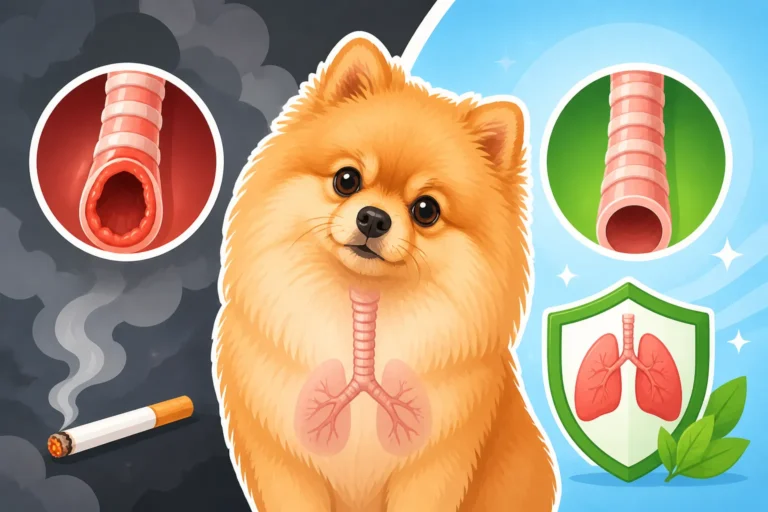
Tracheal collapse is a hereditary condition common in toy breeds, where the rings of cartilage that support the windpipe weaken and flatten. While some Poms live their entire lives with a mild form of the condition, it often worsens with age. As they get older, the cartilage further degenerates, and the muscles supporting the trachea may weaken, leading to more frequent and severe episodes of the characteristic "honking" cough. Excitement, exercise, heat, humidity, or even pulling on a collar can trigger these coughing fits.
You might notice The Honking Cough of a Pomeranian's Collapsing Windpipe becomes more persistent, or they seem to struggle more to catch their breath. Weight management is paramount, as extra weight puts additional pressure on the trachea. Switching to a harness instead of a collar is crucial to avoid neck pressure. Your vet may recommend cough suppressants, bronchodilators, or anti-inflammatory medications to manage symptoms. In severe cases, surgical intervention, such as a tracheal stent, might be considered, though it comes with its own risks and recovery challenges, especially in older dogs. Managing the condition proactively can greatly improve their comfort and breathing.
The Importance of Proactive Veterinary Care
The adage "prevention is better than cure" rings especially true for aging Pomeranians. As they enter their mature and senior years, a proactive approach to their healthcare, centered around increased veterinary oversight, becomes the single most important factor in ensuring their comfort, longevity, and quality of life.
Increased Frequency of Wellness Exams
While an annual check-up might suffice for a young, healthy adult Pomeranian, once they hit around seven or eight years of age, most veterinarians recommend twice-yearly wellness exams. This increased frequency allows your vet to monitor for subtle changes that could indicate the onset of age-related diseases. Many conditions, from dental disease to heart murmurs or early arthritis, are much more manageable when caught in their initial stages. These appointments are also invaluable opportunities for you to discuss any behavioral changes, new lumps or bumps, changes in appetite or thirst, or any concerns you have about their overall well-being.
During these exams, your vet will perform a thorough physical, listen to their heart and lungs, palpate their abdomen, and check their joints and teeth. They’ll also assess their weight and discuss nutrition. This consistent monitoring creates a baseline, making it easier to spot deviations that might signal a problem. It's a team effort between you and your vet to keep your senior Pom happy and healthy. Having a consistent relationship with your vet and considering pet insurance like Healthy Paws, which helps cover unexpected illnesses and accidents, provides peace of mind as your Pom ages. These semi-annual visits are a cornerstone of The Checkup Schedule a Pomeranian Should Keep as they get older.
Diagnostic Screenings and Preventative Measures
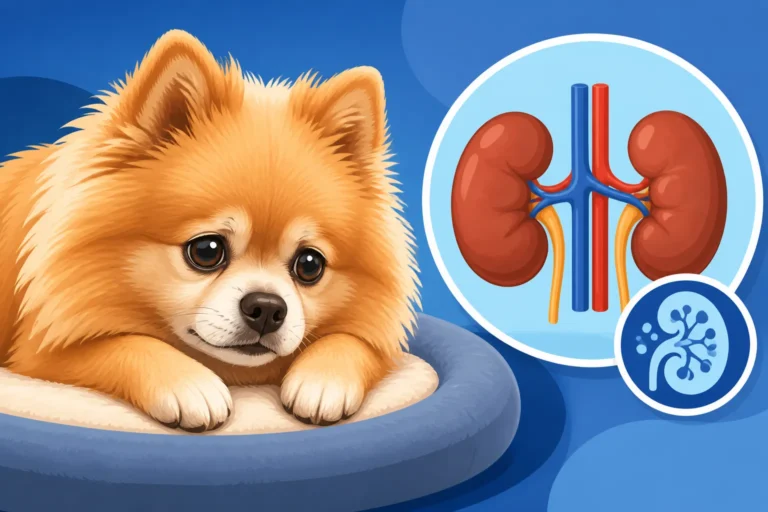
Beyond physical exams, your veterinarian might recommend additional diagnostic screenings as your Pomeranian ages. Routine blood work, including a complete blood count (CBC) and a chemistry panel, can provide crucial insights into organ function, detecting early signs of kidney or liver disease, diabetes, or thyroid issues even before clinical symptoms appear. A urinalysis can screen for urinary tract infections or kidney problems. These tests are preventative powerhouses, catching potential issues when they are often most treatable.
Preventative measures also extend to vaccinations and parasite control. While core vaccines are still important, your vet might adjust the frequency based on your Pomeranian's age, lifestyle, and overall health. Maintaining consistent flea, tick, and heartworm prevention is vital, as a senior Pomeranian’s immune system might be less able to fight off these parasitic threats. Regular grooming, including nail trims and ear cleaning, also plays a crucial role in preventing secondary infections and keeping your older Pom comfortable. These comprehensive strategies are all about giving your cherished companion the best possible support as they navigate their golden years.
| Aspect of Care | When Changes Typically Begin | Key Observations | What Needs to Change |
|---|---|---|---|
| Activity/Energy | 7-8 years | Slower to rise, less enthusiastic for long walks, more napping. | Shorter, more frequent walks; comfortable, accessible resting spots. |
| Joint Health | 7-9 years | Stiffness, hesitation jumping, occasional limping. | Orthopedic beds, ramps/steps, joint supplements, weight management. |
| Dental Health | Ongoing, worsens 8+ years | Bad breath, difficulty eating, loose teeth. | More frequent professional cleanings, daily brushing, dental chews. |
| Coat/Skin | 8-10 years | Thinning coat, drier skin, new lumps/bumps. | Gentler grooming, moisturizing shampoos, vet checks for growths. |
| Vision/Hearing | 9-11 years | Clouding eyes, bumping into things, not responding to calls. | Consistent environment, verbal/hand cues, nightlights. |
| Cognitive Function | 10+ years | Disorientation, changes in sleep/wake cycles, house-soiling. | Structured routine, brain-stimulating toys, vet-prescribed medication/supplements. |
| Weight/Metabolism | 7-9 years | Gradual weight gain despite consistent eating. | Reduced calorie senior diet, portion control, consistent light exercise. |
| Heart/Respiratory | Varies, often 8+ years | Coughing, lethargy, difficulty breathing (worsening). | Vet monitoring, medications (if needed), harness instead of collar, weight control. |
| Vet Visits | 7-8 years | Annual visits become semi-annual. | Semi-annual comprehensive exams, regular blood/urine screenings. |
Disclaimer
The information provided in this guide is for general informational purposes only and is not intended to be a substitute for professional veterinary advice, diagnosis, or treatment. Always seek the advice of your veterinarian or other qualified pet health provider with any questions you may have regarding a medical condition or the health and welfare of your Pomeranian. Never disregard professional veterinary advice or delay in seeking it because of something you have read here.