The German Spitz Sizes Above the Pomeranian
It’s easy to think of the Pomeranian as a standalone breed, a tiny fluffball unique in the canine world. But many new owners are surprised to learn that our beloved Poms are actually part of a much larger, ancient family: the German Spitz. This can lead to confusion when you hear terms like "Mittelspitz" or "Grossspitz," making you wonder if they're just bigger Pomeranians or entirely different dogs. This guide will take you on a journey through the fascinating German Spitz family, introducing you to the larger cousins of your pint-sized companion and clarifying what makes each distinct.
Understanding the German Spitz Family Tree
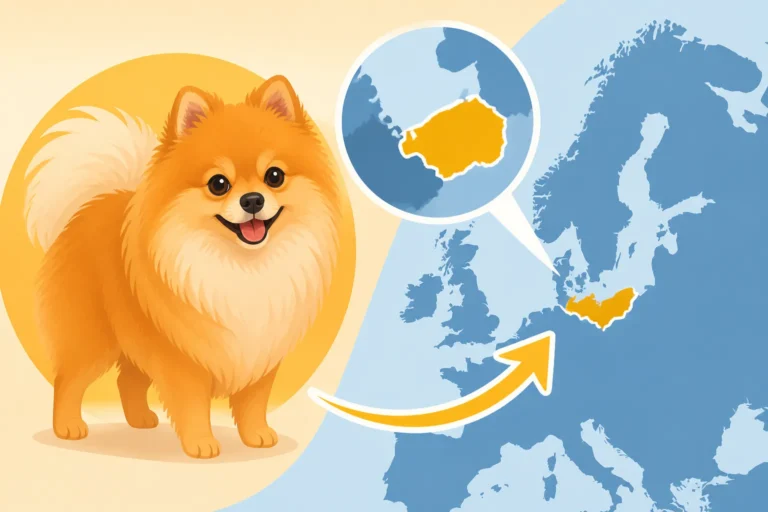
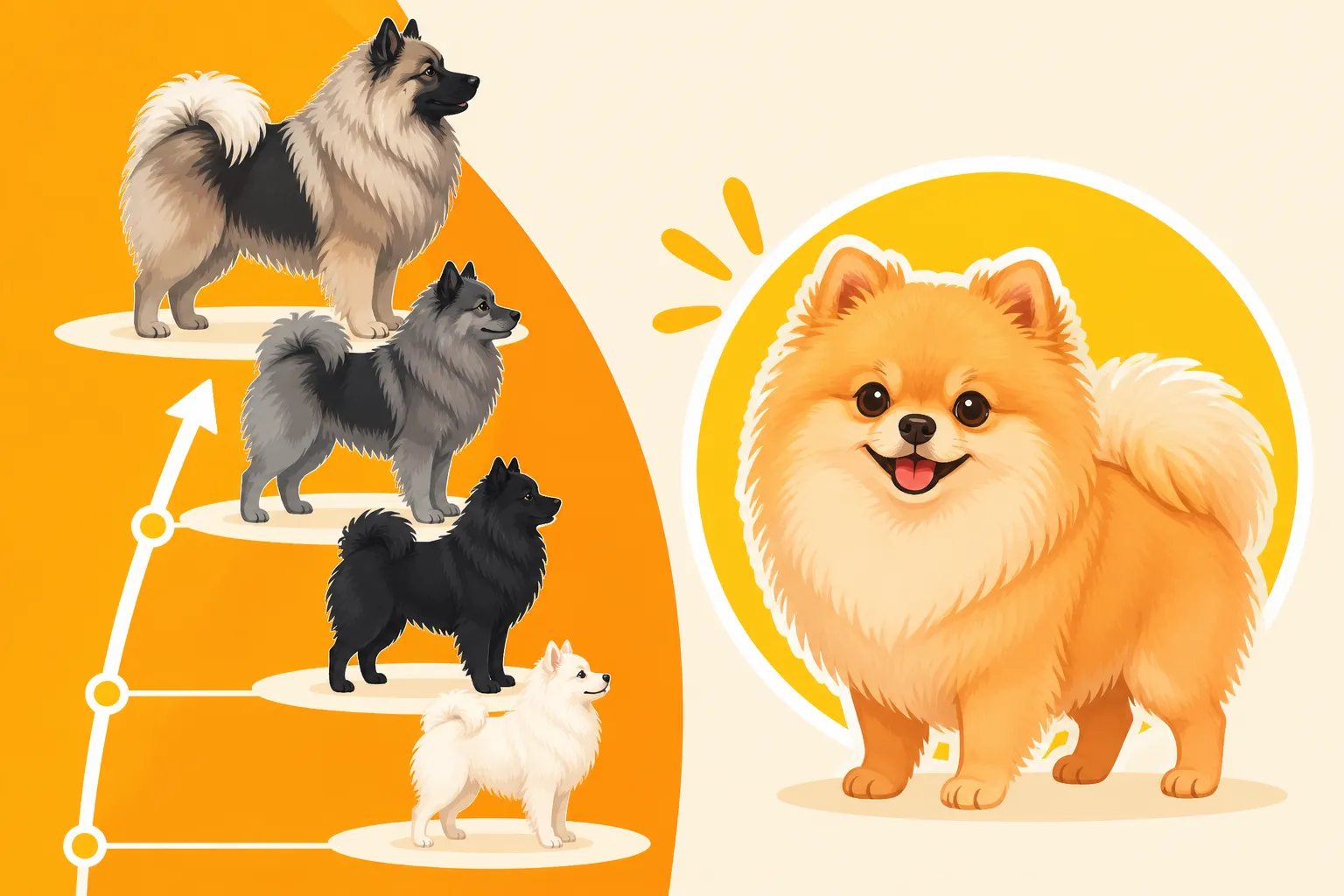
The German Spitz is not a single breed, but rather a group of closely related breeds, all originating from Germany. Think of them like different branches on the same magnificent tree, with the Pomeranian being the smallest, most refined leaf at the very end. They all share common ancestry, tracing back to the ancient northern Spitz-type dogs, which were known for their alertness, thick coats, and curled tails. Over centuries, selective breeding, often influenced by local needs and preferences, led to the development of distinct size varieties.
The Historical Context of the Spitz Breeds
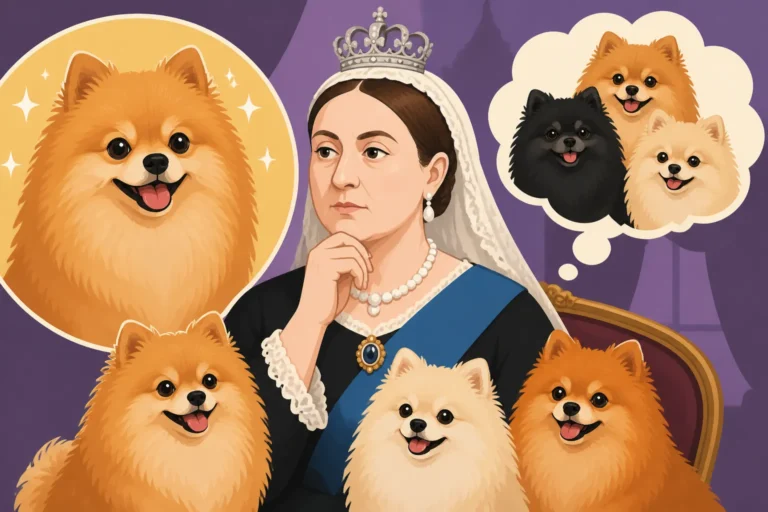
Historically, these dogs were much larger than the Pomeranians we know today. The original Spitz dogs were working animals, primarily used as guardians for homes, farms, and vineyards. Their loud bark and watchful nature made them excellent deterrents against intruders, both human and animal. It wasn't until the Victorian era, particularly through the influence of Queen Victoria, that the smaller varieties gained popularity, leading to the deliberate breeding down in size that eventually gave us the modern Pomeranian. This means that while your tiny Pom might seem far removed from a sturdy farm dog, that protective, alert personality and stunning double coat are direct inheritances from its larger ancestors.
The FCI Classification: How They're Grouped
Internationally, the Fédération Cynologique Internationale (FCI), which is a global kennel club, recognizes the German Spitz as a single breed with five distinct size varieties: Wolfspitz/Keeshond, Großspitz (Giant Spitz), Mittelspitz (Medium Spitz), Kleinspitz (Small Spitz), and Zwergspitz (Dwarf Spitz, which is our Pomeranian). In the United States, however, the American Kennel Club (AKC) often registers these as separate breeds or doesn't recognize all varieties. For instance, the Keeshond is recognized as its own distinct breed, and the Pomeranian is a separate breed in the Toy Group. This difference in classification can sometimes add to the confusion for owners trying to understand the lineage. Regardless of how they're classified, understanding their shared heritage helps us appreciate the traits they all possess.
The Kleinspitz: Just Above the Pomeranian in Stature
If you’ve ever wished your Pomeranian was just a little bit bigger—perhaps less prone to accidental bumps or tiny-dog fragility—then the Kleinspitz might be the size you're imagining. This is the variety immediately above the Zwergspitz (Pomeranian) in the German Spitz family. They are still small dogs, but they possess a more robust build, offering a bit more presence without losing that iconic Spitz charm.
Size and Appearance Distinctions
A Kleinspitz typically stands taller and weighs more than a Pomeranian. While a Pomeranian is generally in the 3-7 pound range, a Kleinspitz can easily weigh between 10 to 20 pounds and stand about 9 to 11 inches tall at the shoulder. Imagine a Pomeranian, but simply scaled up a notch, retaining that luxurious double coat, perky ears, and the characteristic foxy expression. Their tails still curl proudly over their backs, and their eyes are bright and intelligent. The structure is a bit more substantial, with a slightly longer muzzle and less extreme "baby doll" or "teddy bear" features than some popular Pomeranian looks, often resembling what some might call a "fox face" Pomeranian. They certainly still have The Stand Off Coat a Pomeranian Must Have, but with more dog underneath it!
Temperament and Energy Levels
In terms of personality, the Kleinspitz shares many traits with its smaller cousin. They are intelligent, lively, and incredibly loyal to their families. Just like Pomeranians, they can be quite vocal, making excellent alert systems for anything unusual happening around the house. They tend to be a little less fragile and perhaps a touch more independent than some Poms, often displaying a confident swagger. Their energy levels are moderate; they enjoy walks, playtime in the yard, and interactive games, but they're not typically high-strung dogs that require hours of intense exercise. Many Kleinspitz still possess that delightful Spitz curiosity and will enjoy exploring new smells and sights on a leash, especially if they are fitted with Harnesses Fitted for a Pomeranian's Windpipe – or in their case, simply a comfortably designed harness that won't chafe their sturdy coat.
The Mittelspitz (Medium Spitz): A Familiar Yet Larger Cousin
Moving up another rung on the German Spitz size ladder, we encounter the Mittelspitz, often referred to as the Medium Spitz. These dogs bridge the gap between the smaller companion breeds and the larger working types, offering a blend of sturdy resilience and affectionate companionship. They are probably the most widely recognized German Spitz variety outside of the Pomeranian in many parts of the world.
Stepping Up in Stature and Presence
The Mittelspitz is a noticeably larger dog than either the Pomeranian or the Kleinspitz, making them truly "medium-sized." They typically weigh between 20 to 30 pounds and stand 12 to 15 inches tall at the shoulder. At this size, they are substantial enough to be considered a small-to-medium dog breed, capable of keeping up with more active families while still being manageable in many living situations. Their appearance is robust and balanced, featuring the same beautiful double coat, foxy head, and confident tail carriage. They exude an air of quiet self-assurance, a testament to their longer history as capable farm guardians. When seen next to a Pomeranian, the size difference is quite striking, emphasizing the journey breeders took to achieve the tiny Pomeranian from these more substantial ancestors.
Grooming and Exercise Demands
With greater size comes greater responsibility, especially regarding grooming and exercise. The Mittelspitz still boasts that thick, luxurious double coat, which, like a Pomeranian's, requires regular brushing to prevent mats and control shedding. Imagine brushing a dog that's three to five times the size of your Pom – that's a lot more fur! While the frequency of brushing might be similar, the sheer volume of coat means grooming sessions will be longer and more intensive. For effective grooming tools for their denser coats, a good place to start looking is online retailers like Chewy, where you can find a wide array of slicker brushes, undercoat rakes, and high-velocity dryers suitable for a larger dog.
Exercise-wise, Mittelspitz dogs need more than a quick trot around the block. They thrive on daily walks, playtime in a securely fenced yard, and mental stimulation through training and puzzle toys. They are intelligent and enjoy having a "job" to do, even if that job is simply learning new tricks or engaging in interactive games. While a Pomeranian might get enough exercise playing indoors, a Mittelspitz truly benefits from outdoor adventures and longer, more invigorating activities. This makes understanding How Far a Pomeranian Can Walk in a Day crucial if you're comparing exercise needs across the Spitz family.
The Großspitz (Giant Spitz): The Original Guard Dog
Now we venture into the larger, more imposing members of the German Spitz family. The Großspitz, or Giant Spitz, is a powerful and ancient breed that truly showcases the protective instincts and sturdy build of the original Spitz dogs. They are not as commonly seen outside of Europe, making them a unique and impressive sight when encountered.
Imposing Presence and Original Purpose
The Großspitz is a genuinely large dog, typically weighing between 40 to 65 pounds and standing 16 to 20 inches tall at the shoulder. They possess a commanding presence, with a strong, athletic build and an air of quiet dignity. Their history as farm and vineyard guardians is evident in their demeanor; they are watchful, alert, and can be quite reserved with strangers. This isn't a breed that will readily bounce up to everyone with wagging tail and an open invitation for pets. Instead, they observe, evaluate, and prioritize the safety of their family. Their deep, resonant bark is far more formidable than The Doorbell and the Pomeranian Response, serving as a clear warning to any potential threats.
Training and Socialization Needs
Given their size and protective instincts, proper training and extensive socialization from a young age are absolutely critical for a Großspitz. These are intelligent dogs, but they also possess an independent streak characteristic of many Spitz breeds. They respond best to positive reinforcement and consistent, clear communication. Early exposure to various people, places, and other animals is essential to ensure they grow into well-adjusted, confident companions rather than overly suspicious guardians. Without adequate training and a strong leader, their natural protective tendencies can become problematic. Investing in puppy classes and potentially working with a professional trainer can make a significant difference in shaping their behavior, especially considering The Week a Pomeranian Puppy Can Start Learning can be applied to all Spitz puppies, just on a larger scale. For basic supplies like durable training treats or interactive toys that can withstand a larger dog's jaws, platforms like Chewy offer a wide selection tailored for bigger breeds.
The Wolfspitz/Keeshond: A Distinct Branch of the Family
While often classified as a German Spitz variety (the Wolfspitz), the Keeshond has its own distinct identity and history, especially in North America where it's recognized as a separate breed. This stunning dog embodies many Spitz traits but with a particular emphasis on being a joyful and devoted family companion.
The "Wolf" Distinction and Unique Coat
The Wolfspitz, known as the Keeshond in many English-speaking countries, is the largest of the German Spitz family recognized by the FCI in terms of height, often standing between 17 to 22 inches tall and weighing 35 to 45 pounds. They are striking dogs, characterized by their beautiful "spectacles" – markings around their eyes that give the appearance of wearing glasses – and their magnificent, dense, silvery-grey and black double coat. This coat often has a "wolf-like" appearance, hence the name Wolfspitz. The ruff around their neck is particularly impressive, giving them a regal and powerful silhouette. This coat is similar in structure to The Guard Hair and Undercoat of a Pomeranian, but again, on a much grander scale, requiring diligent grooming to maintain its pristine condition.
Keeshond as a Companion
Despite their size and formidable appearance, Keeshonden are renowned for their friendly, outgoing, and affectionate nature. They are often called the "Velcro dog" because of their desire to be constantly with their human family. Unlike the more reserved Großspitz, the Keeshond typically greets strangers with enthusiasm and is known for its playful and cheerful disposition. They are excellent family dogs, patient with children and generally getting along well with other pets when properly socialized.
Their intelligence and eagerness to please make them highly trainable, excelling in obedience, agility, and even therapy work. However, like their smaller Spitz cousins, they can be quite vocal, using their bark to communicate excitement, warnings, or simply to express themselves. Their desire for companionship means they do not do well left alone for long periods and can develop separation anxiety. If you're considering a Keeshond, be prepared for a shadow that follows you from room to room, eager to be involved in every aspect of family life.
Why These Size Differences Matter for Owners
Understanding the different sizes of German Spitz breeds isn't just an interesting historical fact; it has very real implications for potential owners. What works for a 5-pound Pomeranian often doesn't scale directly to a 40-pound Keeshond, and vice-versa. Making an informed decision means considering various aspects of daily life.
Bridging the Size Gap: Space, Food, and Exercise
The most obvious difference lies in space requirements. While a Pomeranian can thrive in a small apartment, a Großspitz needs more room to stretch out and move. Similarly, How Little Food an Adult Pomeranian Needs is a far cry from the larger portions required to fuel a Mittelspitz or Keeshond. You'll need bigger bowls, larger beds (maybe even Beds an Old Pomeranian Can Climb Into for later years, as joint health is a concern across all breeds), and definitely more food storage space.
Exercise is another major factor. A Pomeranian often gets sufficient activity with indoor play and short walks. A Keeshond, however, will need longer, more vigorous walks and opportunities for mental stimulation. Their energy levels, while not hyperactive, demand consistent engagement. Always remember that even within the same family, specific needs vary greatly, so don't assume that what applies to a tiny Pom will apply to its larger cousins without significant adjustments.
Health and Longevity Trends Across Sizes
While many health concerns are present across the German Spitz family due to shared genetics, the prevalence and impact can vary with size. For instance, the tiny Pomeranian is notably prone to The Honking Cough of a Pomeranian's Collapsing Windpipe and Slipping Kneecaps in a Five Pound Pomeranian due to their delicate structure. While luxating patellas can occur in larger Spitz breeds, they often have a more robust skeletal system that can handle such issues differently. Similarly, conditions like heart disease might manifest differently or appear at different ages. Generally speaking, larger dog breeds often have a slightly shorter lifespan than their toy counterparts, but within the Spitz family, a well-bred, well-cared-for Keeshond or Mittelspitz can live a long and healthy life, often comparable to The Twelve to Sixteen Years a Pomeranian Lives. Always research the specific health clearances and typical issues for the specific Spitz variety you're interested in, as responsible breeders will screen for known conditions.
When considering the full spectrum of the German Spitz, from the tiny Pomeranian to the majestic Keeshond, you see a family united by their stunning double coats, spirited personalities, and unwavering loyalty. Each size offers a unique set of joys and challenges, ensuring there's a Spitz out there for almost every kind of family.
| German Spitz Variety | Approximate Height (at shoulder) | Approximate Weight | Key Temperament Traits (relative to Pom) | Common Use/Role |
|---|---|---|---|---|
| Zwergspitz (Pomeranian) | 6-7 inches | 3-7 lbs | Lively, intelligent, vocal, affectionate, delicate | Companion, show dog |
| Kleinspitz (Small Spitz) | 9-11 inches | 10-20 lbs | Confident, alert, active, slightly more robust | Companion, alert dog |
| Mittelspitz (Medium Spitz) | 12-15 inches | 20-30 lbs | Watchful, loyal, intelligent, moderate energy | Farm guardian, companion |
| Großspitz (Giant Spitz) | 16-20 inches | 40-65 lbs | Reserved with strangers, protective, independent, dignified | Estate guardian, companion |
| Wolfspitz (Keeshond) | 17-22 inches | 35-45 lbs | Outgoing, friendly, highly affectionate, playful | Companion, barge dog |
Disclaimer
This article is for general informational purposes only and does not constitute professional advice. Laws, prices and regulations vary by location and change over time. Consult a qualified professional for guidance on your specific situation.