Whether a Cooling Mat Reaches Through a Pomeranian’s Coat
One of the biggest worries we Pomeranian parents face, especially when the mercury starts to climb, is keeping our fluffy companions cool and comfortable. You might look at their gorgeous, dense coat and wonder how on earth they manage, or if that new cooling mat you just bought will even make a dent through all that fur. It's a valid concern – we want to do everything we can to prevent overheating, but sometimes it feels like a guessing game. This guide is here to shed some light on whether cooling mats truly benefit a double-coated breed like the Pomeranian and to explore other vital strategies for keeping them safe and happy when temperatures rise.
Understanding the Pomeranian's Double Coat and Heat Regulation
Before we even get to cooling mats, it's crucial to understand the unique characteristics of your Pomeranian's coat and how it impacts their ability to regulate body temperature. That fluffy exterior isn't just for show; it's a finely tuned piece of natural engineering.
The Anatomy of a Pomeranian's Insulating Coat
A Pomeranian's iconic coat is what we call a "double coat," and it's quite magnificent. It consists of two distinct layers, each with a specific job. First, you have the guard hairs – these are the longer, coarser, often straighter hairs that form the outer layer. They're designed to protect against environmental elements like rain, snow, and yes, even sun. They shed dirt and moisture, acting like a natural shield.
Beneath this protective outer layer lies the undercoat. This is where the real magic happens for temperature regulation. The undercoat is incredibly dense, soft, and woolly. It's packed tightly, creating a thick layer that traps air. In cold weather, this trapped air warms up, providing insulation against the chill. But here's the kicker: in hot weather, this same principle can also work to insulate against heat by trapping cooler air closer to the body and blocking the hotter air from penetrating directly. It's a natural air conditioning system, provided it's kept clean, well-brushed, and free of mats. Many people mistakenly believe this coat should be shaved in summer, but doing so actually removes their natural insulation and can lead to sunburn or improper regrowth, a condition sometimes called "post-clipping alopecia" or a "shave shock." You can learn more about this in Why Shaving a Pomeranian Can End Its Coat.
Why Pomeranians Are Prone to Overheating
Despite their amazing double coat, Pomeranians can still be quite susceptible to overheating. There are a few key reasons for this. Their small size means they have a relatively large surface area-to-volume ratio, which can make it harder for them to dissipate heat effectively when conditions are extreme. Think of it this way: a tiny dog has less body mass to absorb heat, so their core temperature can rise more quickly.
Another factor is their brachycephalic (short-nosed) tendencies, even if not as pronounced as some other breeds. While Pomeranians aren't typically considered a brachycephalic breed in the same category as a Bulldog or Pug, their facial structure can sometimes make them less efficient at panting compared to longer-nosed breeds. Panting is a dog's primary way of cooling down, as it allows for evaporative cooling from the tongue and respiratory tract. If this process is less efficient, heat can build up more rapidly. Additionally, underlying health issues such as a collapsing trachea, which many Poms are prone to, can be exacerbated by heat and stress, making breathing even more difficult. You might find it helpful to read The Honking Cough of a Pomeranian's Collapsing Windpipe for more details on this particular challenge.
Signs Your Pomeranian is Overheating
Recognizing the signs of overheating is critical, as prompt action can be life-saving. It's not always obvious, especially with their fluffy coats masking body language. The first and most common sign is excessive panting, often louder and more rapid than usual. Their tongue might appear bright red, and their gums could look pale, bright red, or even bluish.
As overheating progresses, you might notice other symptoms. Your Pomeranian might start drooling excessively, become restless, or appear disoriented. They could stumble, seem weak, or even collapse. Vomiting and diarrhea are also serious signs. Their body temperature will be elevated, though you might only feel this as extreme warmth to the touch. In severe cases, they might experience seizures or lose consciousness. If you ever suspect your Pomeranian is overheating, it's an emergency. Immediately move them to a cooler environment, offer cool (not icy cold) water, and contact your veterinarian right away. The Temperature That Is Too Hot for a Pomeranian goes into more depth on safe temperature limits.
How Cooling Mats Work and Their Limitations for Double-Coated Breeds
Cooling mats sound like a dream come true for hot dogs, but do they really live up to the hype for a breed with a coat as dense as a Pomeranian's? Let's break down the mechanics and manage expectations.
The Science Behind Cooling Mats
Most cooling mats operate on one of a few principles: gel activation, water activation, or simply providing a cool surface.
- Gel-activated mats contain a non-toxic gel that reacts to pressure and body weight. When your dog lies on it, the gel absorbs their body heat and dissipates it, creating a cooler surface. They typically don't require refrigeration or electricity, making them very convenient.
- Water-activated mats involve filling the mat with water, which then allows for evaporative cooling and heat dissipation. Some of these can be quite effective, but they require regular refilling and can be prone to punctures.
- Simply cool surfaces might include elevated mesh beds that allow air circulation underneath, or mats made from materials like aluminum that naturally feel cool to the touch and conduct heat away.
The common thread is direct contact. The mat needs to be touching your dog's body to transfer heat away effectively.
The Challenge of Penetrating a Dense Coat
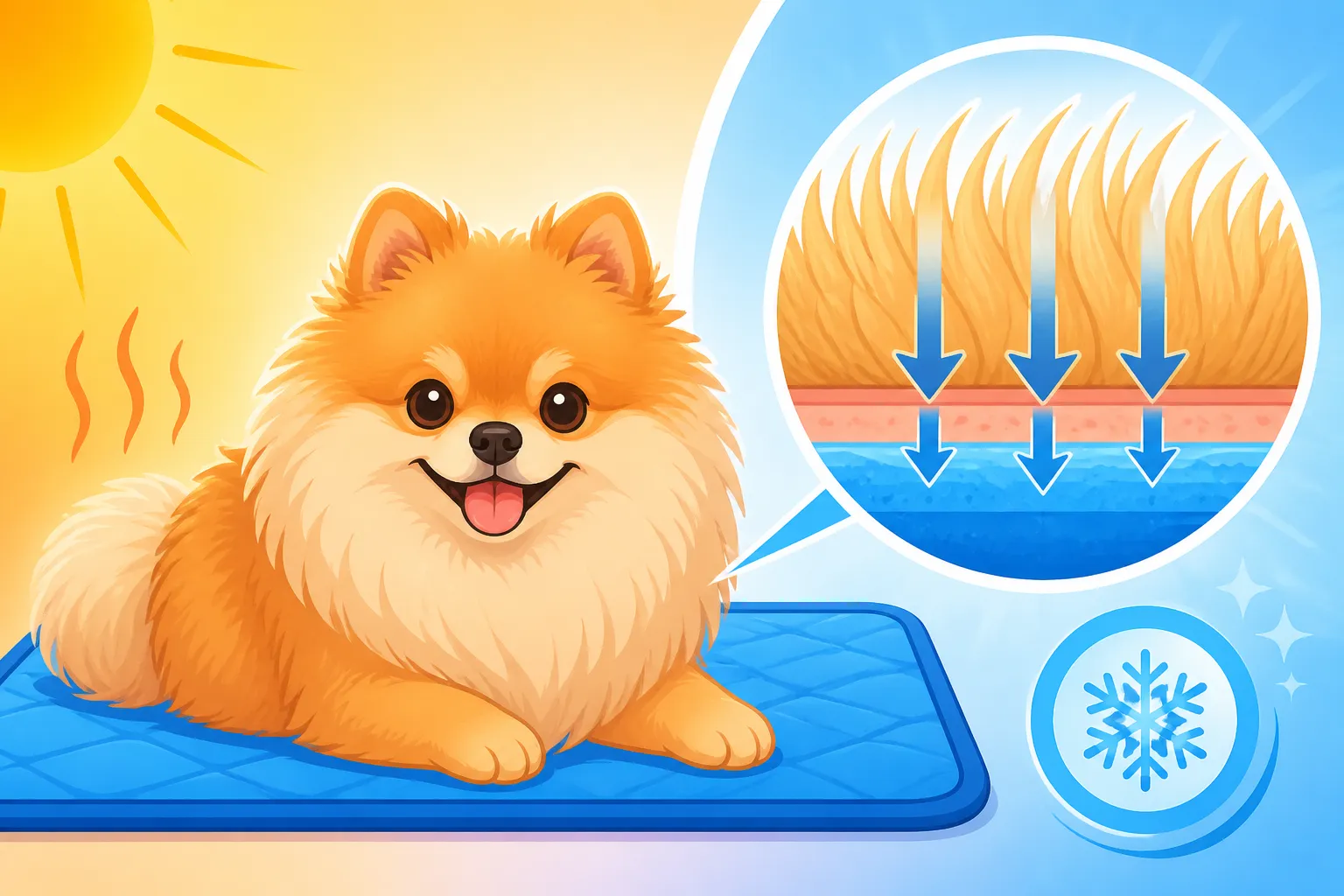
Here's the rub for our fluffy Poms: that dense double coat. Remember how it acts as a natural insulator? While fantastic for keeping them warm in winter, it can also act as a barrier to cooling mechanisms like a mat. If your Pomeranian lies down on a cooling mat, the mat primarily makes contact with the outermost guard hairs and the top layer of the undercoat. The air trapped within that dense undercoat, closer to the skin, can still prevent efficient heat transfer to the mat. It's like trying to cool a thermos from the outside – the insulation makes it tough to reach the contents.
This doesn't mean cooling mats are entirely useless, but their effectiveness can be significantly reduced. You might feel the mat is cool to the touch, and your Pomeranian might enjoy lying on it for the novelty, but the core body temperature might not drop as much as you'd hope, or as quickly as it would for a single-coated, short-haired breed. It's a key consideration that often gets overlooked in the marketing of these products.
Situations Where Cooling Mats Might Help
Despite the challenges, cooling mats can still play a role in your Pomeranian's comfort, especially in specific situations. They are most beneficial for mild heat, not as a primary solution for severe overheating or extreme temperatures.
For instance, if your Pomeranian is just feeling a little warm after a short playtime indoors, or if they like to sprawl out on a cool tile floor anyway, a mat might provide a welcome, slightly cooler spot. It can be particularly helpful if they tend to lie on their belly, as this exposes more skin with less dense fur. Placing the mat in a shaded, well-ventilated area can also enhance its effect. Think of it as an extra layer of comfort rather than a standalone life-saving device. For an older Pomeranian who might not move around as much and needs help staying comfortable, a mat can certainly offer some relief. An Old Pomeranian That Wanders at Night discusses other aspects of caring for senior Poms, and comfort is always key.
Maximizing the Effectiveness of Cooling Mats for Your Pomeranian
If you decide a cooling mat is part of your summer strategy, there are ways to make sure your Pomeranian gets the most benefit from it, and crucial complementary steps to take for their safety.
Placement and Encouraging Use
The right placement of the cooling mat is key. First, ensure it's in a shaded area, away from direct sunlight. A cool corner of a room, near a fan, or on a hard floor surface will generally yield better results than on a carpet. You might try placing it in their favorite lounging spot, or somewhere they naturally gravitate when they're warm.
To encourage your Pomeranian to use it, make it inviting. You could put a favorite toy on it, or a small, enticing treat. Some dogs are hesitant with new textures, so gently guiding them onto it or rewarding them for lying on it for short periods can help. Never force them onto it. The goal is for them to associate it with comfort and relief. You can find a wide variety of these mats on platforms like Amazon or Chewy, offering different sizes and styles to fit your space and your Pom.
Complementary Cooling Strategies
Relying solely on a cooling mat for a Pomeranian in hot weather isn't enough. It's vital to pair it with other proactive cooling strategies:
- Plenty of Fresh Water: Always have fresh, cool water available. Consider adding ice cubes to their bowl or offering a portable water bottle on walks. Hydration is paramount.
- Fans and Air Conditioning: These are your best friends. Keep your home air-conditioned or use fans to circulate air. A fan blowing over a cooling mat can enhance its effect by moving warm air away.
- Timing Walks: Adjust your walk schedule to early mornings or late evenings when temperatures are lower. Avoid walking on hot pavement, which can burn their sensitive paws.
- Grooming: Regular brushing is crucial, even more so in summer. It removes loose undercoat, which can trap excess heat. A thorough brush-out several times a week helps their natural insulation system work as intended. Never shave their double coat, as this can actually make them hotter by removing their insulation layer and exposing their skin to sunburn. For more on grooming, check out Working a Pomeranian's Coat in Sections to the Skin.
- Cool Compresses/Towels: For rapid cooling, gently apply cool, damp (not soaking wet or icy) towels to areas with less fur, like their belly, paw pads, and inner thighs.
- Shade: When outdoors, always provide access to ample shade. A pop-up tent or umbrella can be a lifesaver in the yard.
- Frozen Treats: Small, frozen treats can help cool them from the inside out. You might freeze low-sodium chicken broth, mashed banana, or even small portions of their fresh food if you use a service like Ollie. Just ensure they are appropriate and safe for your dog.
Choosing the Right Cooling Mat
When selecting a cooling mat for your Pomeranian, there are a few considerations to keep in mind:
- Size: Choose a mat large enough for your Pomeranian to comfortably stretch out on, allowing maximum body contact.
- Material: Look for durable, non-toxic materials. Some mats have a tougher outer shell that resists punctures better. Read reviews to ensure it's safe and long-lasting.
- Portability: If you plan to use it both indoors and outdoors, or take it with you on trips, consider how easily it folds or rolls up.
- Cleaning: Mats should be easy to wipe clean. With all that Pomeranian fluff, you'll want something that doesn't hold onto hair and can be disinfected easily.
- Type: Gel mats are often the most convenient as they require no pre-cooling or water, making them a popular choice for many owners. However, a simple elevated mesh bed can also provide excellent airflow underneath, which can be just as effective in certain conditions.
It's a balance of convenience, effectiveness, and safety. Always supervise your Pomeranian when they're first using a new mat to ensure they don't chew on it, especially if it contains gel or water.
Comprehensive Strategies for Keeping Your Pomeranian Cool
Beyond cooling mats, a holistic approach to managing your Pomeranian's comfort in the heat is essential. Every aspect of their daily routine can be adjusted to support their well-being.
Environmental Adjustments
Your home environment is the first line of defense against heat. Keeping your living space cool is paramount.
- Air Conditioning is King: If you have air conditioning, use it. Set it to a comfortable temperature that keeps your Pomeranian from panting heavily. If you have to leave them home alone, ensure the AC is on or that they have access to the coolest part of the house.
- Strategic Fan Use: Place fans in rooms where your Pomeranian spends the most time. Oscillating fans are great for circulating air, and a box fan placed in a window can help pull cooler air in or push hot air out. Just make sure cords are tucked away and the fan is stable to prevent accidents.
- Blinds and Curtains: Keep blinds and curtains closed during the hottest parts of the day, especially on south or west-facing windows. This prevents direct sunlight from heating up your home.
- Limit Time Outdoors: During peak heat hours, typically from late morning to late afternoon, keep your Pomeranian indoors. Even in the shade, the ambient temperature can be too high. A Pomeranian's Coat in Ninety Degree Heat elaborates on the dangers of high temperatures.
- Car Safety: Never leave your Pomeranian in a parked car, even for a few minutes with the windows cracked. The temperature inside a car can rise to dangerous levels very quickly, leading to heatstroke.
Hydration and Diet
Proper hydration and a well-balanced diet contribute significantly to your Pomeranian's ability to cope with heat.
- Constant Water Access: This cannot be stressed enough. Water bowls should be clean, full, and easily accessible in multiple locations around the house. Consider a pet water fountain, which encourages some dogs to drink more due to the circulating water.
- Refreshing Additions: A few ice cubes in the water bowl can make it more appealing and help slightly cool the water. Some owners offer small amounts of electrolyte-rich solutions specifically formulated for pets (check with your vet first) during very strenuous activity or extreme heat.
- Dietary Support: A high-quality diet provides the necessary nutrients for overall health, which includes a robust immune system and proper organ function, both of which contribute to better heat tolerance. While no food inherently "cools" a dog, avoiding over-feeding is important. An overweight Pomeranian will have a much harder time regulating its body temperature and is at a higher risk for heat-related illnesses. Keeping a Pomeranian Light Enough to Breathe offers great advice on managing their weight. Sometimes, offering fresh fruits and vegetables (in moderation and after checking they are safe for dogs) like cucumber or watermelon can be a hydrating treat.
Grooming Practices for Summer
Responsible grooming is not just about aesthetics; it's a crucial part of heat management for a double-coated breed.
- Consistent Brushing: Regular brushing, particularly during shedding seasons (which Poms can experience year-round to some extent, but especially during "coat blows"), is paramount. Use a good slicker brush and a metal comb to gently work through their undercoat and remove dead hair. This creates air pockets in the coat, enhancing its natural insulation. Brushing a Pomeranian's Britches and Ruff can help you get those tricky areas.
- Avoid Shaving: As mentioned, shaving a Pomeranian's double coat is generally not recommended. It strips them of their natural insulation and sun protection. When the guard hairs are removed, the soft undercoat grows back differently, often leading to a patchy, dull, or even damaged coat that may never fully return to its original glory. This can also make them more susceptible to both heat and cold.
- Sanitary Trims: While full shaving is a no-go, sanitary trims are perfectly fine and helpful. Trimming the fur around their paw pads helps with traction and heat dissipation from their paws. Trimming around their sanitary areas can prevent matting and make cleanup easier, especially in humid conditions.
- Bathing: Bathe your Pomeranian as needed with a good quality dog shampoo. While baths don't offer long-term cooling, a clean coat is a healthy coat, and a damp towel rub can provide temporary relief. Just ensure they are thoroughly dried afterward to prevent skin issues. For more details on maintaining that beautiful coat, see The Double Coat That Makes a Pomeranian and Why It Stays On.
Here's a quick comparison of common cooling methods for Pomeranians:
| Cooling Method | Pros | Cons | Effectiveness for Pomeranians |
|---|---|---|---|
| Cooling Mats | Portable, no electricity, provides cool spot. | Limited penetration through dense coat, direct contact needed, some dogs dislike texture. | Moderate, best as a supplemental aid in mild heat. |
| Air Conditioning | Most effective for overall environmental cooling. | Requires electricity, cost, not portable. | High, directly reduces ambient temperature. |
| Fans | Circulates air, affordable, portable. | Moves existing air, doesn't cool air itself, can still be insufficient in extreme heat. | Moderate to High, enhances evaporative cooling. |
| Fresh Water/Ice Cubes | Essential for hydration, internal cooling. | Only cools from inside, not a standalone solution for external heat. | High, crucial for preventing dehydration and heatstroke. |
| Shade | Natural, free, protects from direct sun. | Doesn't lower ambient temperature, can still be hot in shade. | High, prevents direct solar radiation. |
| Damp Towels (to skin) | Direct skin contact, immediate temporary relief. | Requires re-wetting, constant attention, can make coat damp/clammy if not used properly. | High for temporary relief, targets key cooling areas. |
| Regular Brushing | Removes dead undercoat, improves natural insulation. | Requires consistent effort, doesn't provide immediate cooling in an emergency. | High, supports natural thermoregulation over time. |
| Avoid Shaving Coat | Preserves natural insulation and sun protection. | Counter-intuitive for some owners, requires education. | High, essential for coat health and effective temperature regulation. |
By combining a thoughtful approach to environmental control, hydration, diet, and grooming, you can help your Pomeranian stay safe and comfortable, even when the weather gets warm. Cooling mats can certainly be part of that puzzle, but they are just one piece in a much larger strategy for keeping your fluffy friend happy and healthy through the summer months.
Disclaimer
This article is for general informational purposes only and does not constitute professional advice. Laws, prices and regulations vary by location and change over time. Consult a qualified professional for guidance on your specific situation.