Whether a Pomeranian’s Dewclaws Need Trimming
It’s easy to overlook those little nails tucked up on your Pomeranian’s legs, isn't it? Many of us, myself included, can sometimes forget about the dewclaws, figuring they don't get as much wear and tear as the other nails. But neglecting them can lead to painful overgrowth, snagging, and even serious injury. This comprehensive guide will walk you through exactly why your Pomeranian's dewclaws need regular attention and how to safely keep them trimmed, ensuring your tiny companion stays happy and healthy.
Understanding Your Pomeranian's Dewclaws
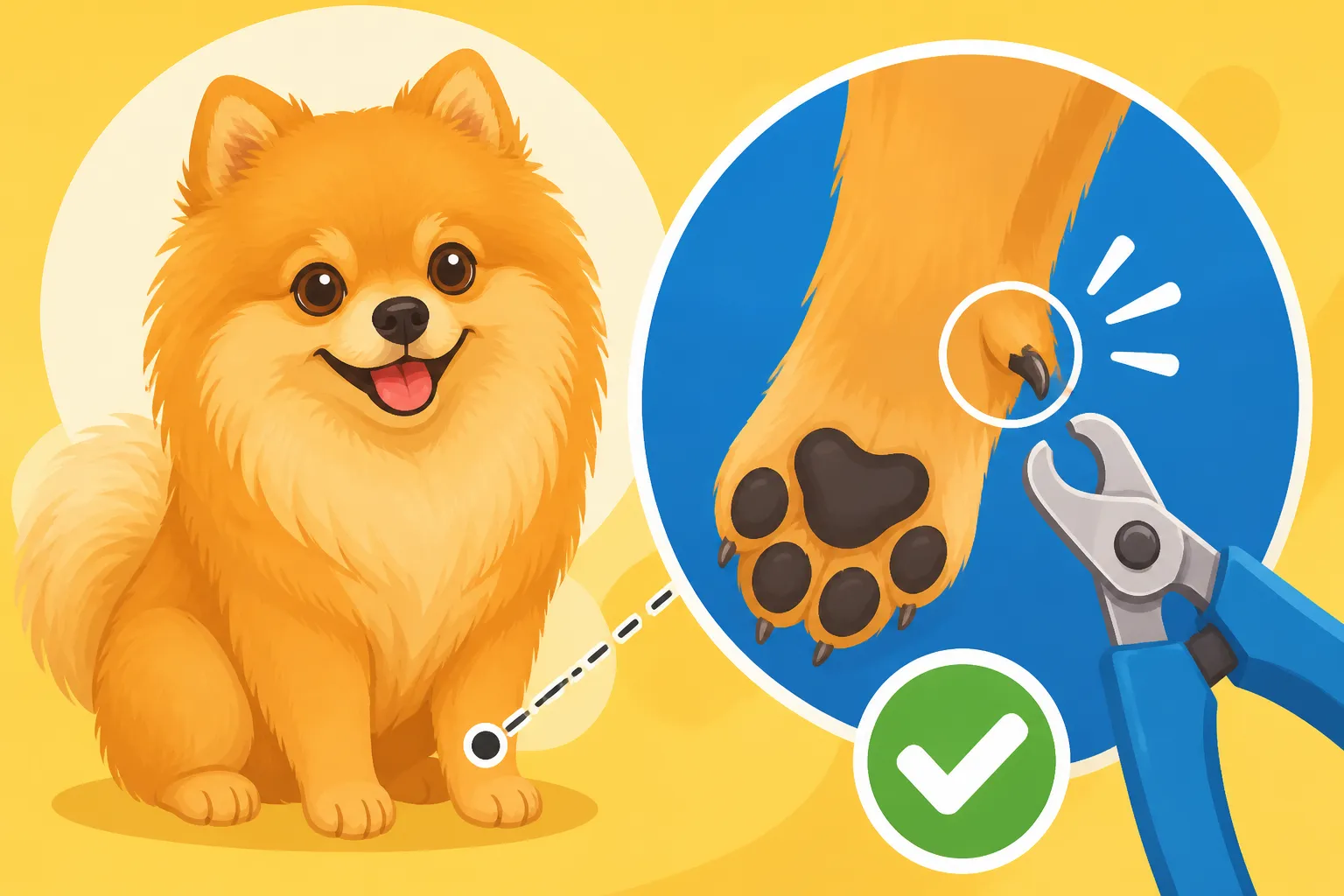
Let's start by demystifying what dewclaws actually are on your little fluffball. They’re essentially remnants of digits that sit higher up on your dog's leg, not making direct contact with the ground when they walk. Think of them like our thumbs or big toes, but they serve a much more limited purpose for most domestic dogs.
Front Dewclaws: The "Thumbs" of a Pomeranian
Most Pomeranians have dewclaws on their front legs. These are located on the inner side of the leg, just above the paw. For some dogs, these front dewclaws actually have a bit of function. When your Pomeranian is running at full tilt or making a sharp turn, they might use these dewclaws for extra traction, almost like a little grip to stabilize themselves. Some even use them to hold bones or toys while chewing. However, for a small breed like a Pomeranian, known more for cuddles than chasing down prey, this function is often minimal. Still, they are typically well-attached with bone and muscle, making them less prone to accidental tearing than their hindleg counterparts.
Rear Dewclaws: Often Vestigial and Problematic
It’s far less common, but some Pomeranians can also have dewclaws on their hind legs. Unlike the front dewclaws, these hind dewclaws are almost always purely vestigial, meaning they serve no real purpose. What’s more, they are often not firmly attached by bone or muscle. Instead, they might just be connected by skin and tissue, making them dangle a bit. This flimsy attachment is precisely what makes them so susceptible to getting snagged and torn. If you've ever seen a dewclaw completely ripped off, it's usually one of these loosely attached hind ones, and it's a messy, painful situation that often warrants an emergency vet visit. Many breeders will actually have hind dewclaws removed shortly after birth to prevent future problems, especially if they are poorly attached.
Why Pomeranian Dewclaws Demand Your Attention
It’s easy to think, "Out of sight, out of mind," when it comes to dewclaws, but that mindset can quickly lead to discomfort or even injury for your beloved Pomeranian. Unlike the other nails that naturally wear down a bit from walking on various surfaces, dewclaws rarely touch the ground, meaning they don't get that natural filing action.
The Problem of Overgrowth: A Painful Curl
Because they don't make contact with the ground, a Pomeranian's dewclaws will grow continuously, just like all their other nails. If left untrimmed, they can grow excessively long. Imagine your own toenail growing so long it started to curl under and dig into your skin – that’s precisely what happens to an overgrown dewclaw. It can curl around and pierce the paw pad or the soft skin on the leg, leading to extreme pain, infection, and lameness. Your poor Pom might start limping, licking the paw constantly, or become irritable when you try to touch their leg. This isn't just a minor annoyance; it's a serious welfare issue that requires immediate attention and can be completely avoided with routine care.
The Snag Hazard: Tears and Trauma
Beyond simply growing too long, untrimmed dewclaws, particularly the loosely attached ones on the hind legs, are a major snagging hazard. Picture your playful Pomeranian wrestling with a toy, zipping around the house, or exploring a patch of tall grass in the park. That dangling dewclaw can easily catch on carpet fibers, furniture, blankets, or even brambles outside. A sudden jerk or twist can partially or completely tear the nail from the skin.
This isn't just a minor bleed; it's an incredibly painful injury that often involves significant blood loss, and it usually means a trip to the emergency veterinarian. The nail might need to be fully removed, and your dog will likely require pain medication and antibiotics to prevent infection. It’s a traumatic experience for both you and your Pomeranian, and one that can be prevented with a bit of proactive trimming. Many owners have shared stories of their Poms yelping in pain after a seemingly innocent snag, highlighting just how quickly things can go wrong.
When to Consider Removal (Beyond Puppyhood)
While most dewclaw removals happen when puppies are just a few days old, sometimes adult Pomeranians develop ongoing issues that make surgical removal the best option. If your Pom has a hind dewclaw that is repeatedly getting snagged and torn, or if a front dewclaw consistently causes problems despite regular trimming due to its shape or placement, your veterinarian might discuss surgical removal. This is usually done under general anesthesia and involves a recovery period, similar to other minor surgical procedures. It's a decision made after careful consideration of your dog's individual circumstances and quality of life. For older Pomeranians, anesthesia always carries some risk, so discussing options and Anesthesia Risk in a Four Pound Pomeranian with your vet is crucial.
How to Safely Trim Your Pomeranian's Dewclaws
Trimming your Pomeranian's dewclaws might seem a bit intimidating at first, especially if you’re worried about hurting them. But with the right tools, technique, and a calm approach, it becomes a routine part of their grooming. Remember, consistency is key, and positive reinforcement goes a long way.
Gathering Your Tools
Before you even think about trimming, make sure you have everything ready. This minimizes fumbling and stress for both of you.
- Small, Sharp Nail Clippers: Invest in good quality clippers designed for small dogs. Guillotine-style clippers can be effective, but scissor-style clippers often offer more control for tiny nails. Dull clippers can crush the nail rather than cut cleanly, which is painful.
- Nail Grinder (Optional but Recommended): A rotary tool like a Dremel with a grinding attachment can be fantastic for Poms, especially if they dislike clippers. It allows you to remove small amounts of nail at a time, reducing the risk of cutting too far. You can find excellent quiet models on Amazon or Chewy.
- Styptic Powder: This is an absolute must-have. Accidents happen, and if you cut into the quick (the pink part containing nerves and blood vessels), styptic powder will quickly stop the bleeding and ease discomfort. Have it within arm's reach.
- High-Value Treats: Your Pomeranian is motivated by food! Small, delicious treats will be your best friend for positive reinforcement.
- A Comfortable, Well-Lit Space: Choose an area where your Pom feels secure and you have good lighting to clearly see the nail and the quick.
The Step-by-Step Trimming Process
Consistency and patience are your guiding principles here. Don't try to do all four dewclaws (if present) at once if your Pom is anxious.
- Get Your Pomeranian Comfortable: Start by gently handling their paws and legs frequently, even when you’re not trimming. This helps them get used to the sensation. When it's time to trim, hold your Pom securely but gently in a comfortable position, perhaps in your lap or on a non-slip surface. Offer a treat and calm praise.
- Identify the Quick: The quick is the living part of the nail. On clear or white nails, it's visible as a pink area. On black nails, it’s much harder to see. In this case, only trim tiny slivers at a time until you see a small black dot appear in the center of the cut surface – that’s where the quick begins. Err on the side of caution.
- Position the Clipper/Grinder:
- Clippers: Hold the clipper at a 45-degree angle, making sure you’re only snipping the very tip of the nail, well away from the quick. For dewclaws, which often grow in a more curved fashion, you might need to adjust the angle slightly to get a clean cut.
- Grinder: Turn on the grinder away from your Pom first so they get used to the sound. Then, gently touch the grinding bit to the very tip of the dewclaw. Use short bursts, counting "one-two-three," then lift. This prevents heat buildup that can burn the quick.
- Trim Small Amounts: Especially with black nails, it's always better to take off too little than too much. You can always trim more if needed. Focus on just removing the sharp tip that could snag or curl into the pad.
- Praise and Treat: After each successful trim (or even just after touching the nail if your Pom is nervous), offer immediate praise and a high-value treat. This positive association is crucial for future grooming sessions. If your Pomeranian tolerates it, you can move on to other nails, but never push them beyond their comfort level. Maybe you do one dewclaw today and another tomorrow. Patience will pay off in the long run.
- Don't Forget the Paw Pad Fur: While you're focusing on the dewclaws, remember to also check and Trimming the Tufts Between a Pomeranian's Pads. Excess fur between the pads can also cause slipping and collect debris.
Creating a Routine for Success
Dewclaws, like all nails, grow continuously. For a Pomeranian, this means regular trimming, usually every 2-4 weeks. Your grooming schedule for a Pomeranian should definitely include checking these nails. Make it a part of your overall The Grooming Schedule a Pomeranian Runs On. Many owners find it easiest to do it after a bath when the nails are slightly softer. If your Pomeranian has very dense fur, you might need to gently part the hair around the dewclaw to get a clear view. Don't be afraid to ask your vet or a professional groomer to show you the correct technique during your Pomeranian's The Checkup Schedule a Pomeranian Should Keep. They can guide you and even do the first few trims for you.
When Professional Help Is Best
Even the most dedicated Pomeranian owner might face situations where professional help for dewclaw trimming is the smartest choice. It's not a failure on your part; it's recognizing what's best for your dog's safety and well-being.
Fear and Anxiety
Some Pomeranians are simply terrified of nail trims. Whether it's a past bad experience, a sensitive personality, or just a general dislike, trying to force the issue can create a negative association that makes future grooming impossible. If your Pom becomes overly stressed, defensive, or even aggressive when you try to touch their paws, it's time to call in the professionals. A good groomer or veterinary technician is skilled in handling anxious dogs and can perform the trim efficiently and safely. They might use different restraint techniques or create a calmer environment that you can't replicate at home. Remember, teaching your Pomeranian to accept nail trims calmly is a long game, and sometimes professional help is the best way to get there.
Severely Overgrown or Ingrown Dewclaws
If you've inherited a rescue Pomeranian with severely overgrown dewclaws, or if you've simply missed a few trims and the dewclaw has started to curl into the paw pad, this is definitely a job for the vet. An ingrown nail is incredibly painful and likely infected. Attempting to trim it yourself could cause further pain, bleeding, and worsen the infection. Your veterinarian can carefully trim the nail, clean the wound, prescribe antibiotics if necessary, and offer pain relief. In some severe cases, sedation might be required to properly address the issue without causing undue stress to your Pomeranian. A similar situation occurs with The Baby Canines a Pomeranian Fails to Lose which also require professional extraction.
Accidental Injury
Despite all precautions, accidents can happen. If you accidentally cut into the quick and the bleeding is profuse, or if your Pomeranian tears their dewclaw on something, a vet visit is in order. Even if you manage to stop the bleeding, a torn or injured nail can be very painful and prone to infection. The vet will assess the damage, clean the wound thoroughly, and determine if any further treatment like sutures or a bandage is needed. They can also provide appropriate pain medication to keep your little one comfortable during recovery. Always have your vet's emergency number handy, just in case.
A Note on Groomers and Veterinarians
Both professional groomers and veterinary staff are experienced in dog nail care. For routine trims, a trusted groomer can be a great option. They often include dewclaw trimming as part of a full What a Full Pomeranian Groom Includes. However, if your Pomeranian is particularly anxious, has black nails that are difficult to see, or has any existing medical conditions, a vet visit might be preferable. Vets have the medical knowledge to identify potential problems and can administer sedation if needed, making it a safer and less stressful experience for a very anxious or painful dog. They can also advise on things like Whether an Old Pomeranian Should Have a Dental, which also often requires anesthesia.
By understanding the unique needs of your Pomeranian’s dewclaws and knowing when to call in the experts, you can ensure this often-forgotten part of their paw care never becomes a painful problem.
| Feature | Front Dewclaws | Rear Dewclaws (if present) |
|---|---|---|
| Location | Inner side of front leg, above the paw | Inner side of hind leg, above the paw |
| Attachment | Usually firmly attached by bone and muscle | Often loosely attached by skin and tissue only |
| Function | Minimal, sometimes used for traction/grip | None, purely vestigial |
| Trimming Need | Essential, as they do not wear down naturally | Highly essential, very prone to snagging and injury |
| Risk of Injury | Can snag if overgrown, but tearing less common | Very high risk of snagging, tearing, and infection |
| Removal | Less common unless problematic | Often removed in puppyhood to prevent future issues |
Disclaimer
This article is for general informational purposes only and does not constitute professional advice. Laws, prices and regulations vary by location and change over time. Consult a qualified professional for guidance on your specific situation.