Whether a Pomeranian’s Baby Teeth Fall Out on Their Own
It’s a common worry for new Pomeranian parents: you’re watching your tiny fluffball grow, and suddenly you notice those sharp puppy teeth are still there, even as new, bigger ones start to emerge. It can be quite concerning to see your little companion navigating what seems like a mouthful of crowded teeth, and you might wonder, "Will these baby teeth just fall out on their own?" This guide will walk you through the normal teething process for Pomeranian puppies, what to do if those baby teeth don't budge, and how to support your pup's oral health every step of the way.
The Normal Teething Process for a Pomeranian Puppy
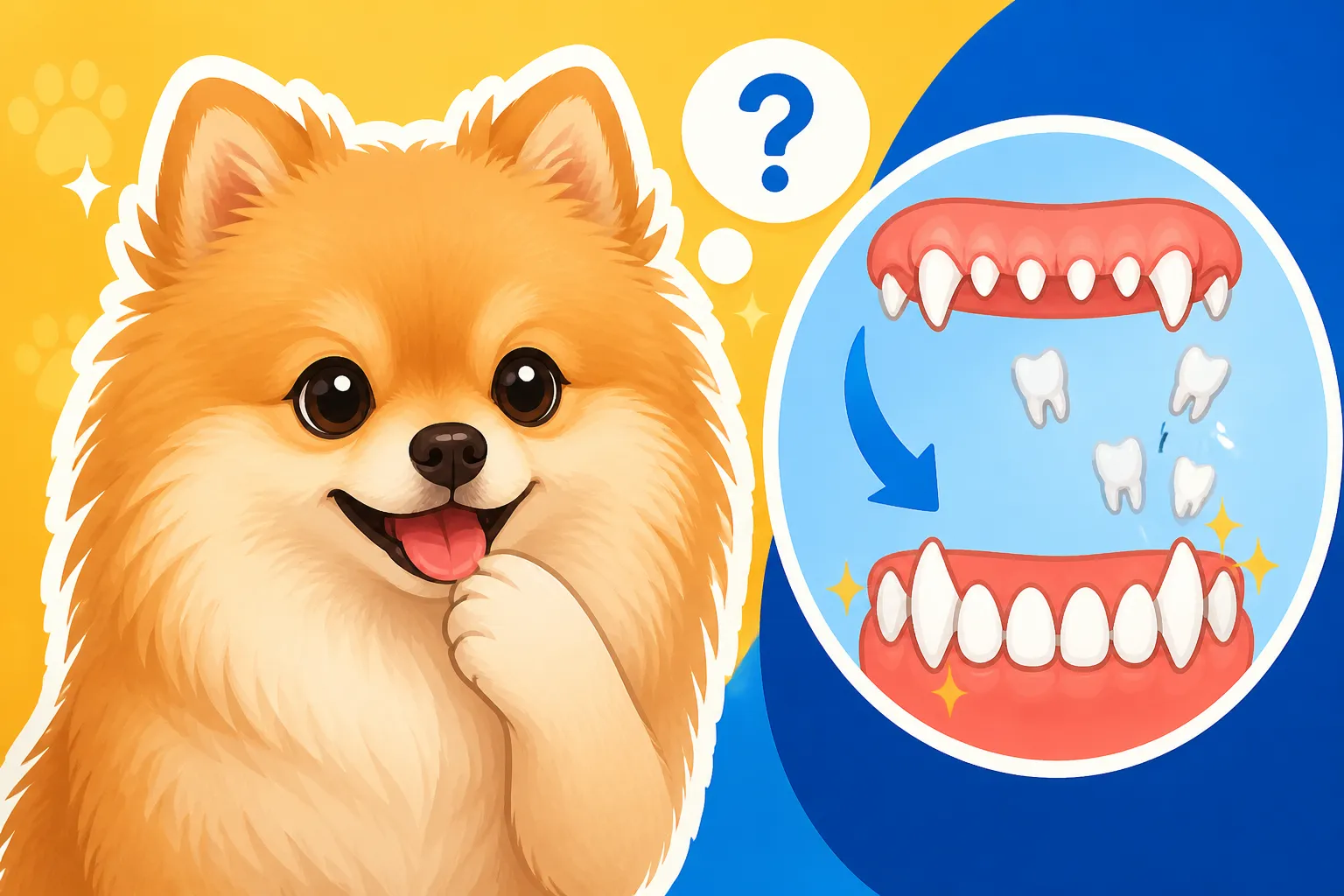
Just like human babies, Pomeranian puppies go through a natural teething phase where their sharp, needle-like deciduous teeth (often called "milk teeth" or "baby teeth") are replaced by stronger, permanent adult teeth. This is a crucial period in their development, but it's often fraught with a bit of anxiety for us owners, especially when you have such a tiny mouth to observe. It feels like one minute you have this adorable, clumsy floof, and the next, they're chewing on everything and you're finding tiny teeth fragments around the house!
When Puppy Teeth Erupt and Vanish
Pomeranian puppies typically begin life toothless, but those little nubs quickly emerge. Around 3 to 4 weeks of age, their incisors (front teeth) will start to push through, followed by canines and then premolars, usually by 6 to 8 weeks. By the time you bring your sweet Pom puppy home, generally around 8 to 12 weeks old, they should have a full set of 28 baby teeth. These aren't just for show; they're vital for a puppy to learn to chew and eat solid food.
The really interesting part, and often the source of owner worry, begins around 3 to 4 months of age when those baby teeth start to loosen and fall out. This process usually continues until your Pomeranian is about 6 to 7 months old, at which point they should have a full set of 42 adult teeth. It's a surprisingly quick transformation for such a small dog! Often, you might not even find the fallen baby teeth because puppies tend to swallow them during mealtime or play, which is perfectly normal and generally harmless. The permanent teeth grow in right behind or sometimes right next to the baby teeth, pushing them out. It’s a natural mechanism, and for most puppies, it proceeds without a hitch. However, with small breeds like Pomeranians, things can get a little… complicated.
Why Baby Teeth Are Different from Adult Teeth
It's easy to look at a puppy's mouth and think "they're just smaller versions," but there's more to it. Puppy teeth are designed to be temporary. They have very thin enamel, making them quite sharp but also more prone to wear and tear. Their roots are also much shallower than adult teeth, meant to resorb (dissolve) as the permanent teeth push them out. This resorption is key; it's what allows the baby tooth to become loose and eventually fall out.
Adult teeth, on the other hand, are built for the long haul. They have much stronger enamel, deeper roots that anchor them firmly into the jawbone, and they are designed to last for the dog's entire life. When you compare a Pomeranian's tiny baby canine to the slightly larger, more robust adult canine coming in, the difference is noticeable, even in such a small dog. This distinction is important because if a baby tooth doesn't resorb properly, that strong adult tooth doesn't have a clear path to erupt, leading to problems we'll discuss shortly. Understanding this biological difference helps us appreciate why proper shedding of baby teeth is so critical for a healthy adult mouth.
The Importance of Monitoring the Process
Keeping a close eye on your Pomeranian’s teething progress isn't just about curiosity; it's a vital part of preventative care. While most puppy teeth fall out on their own, Pomeranians, being a small breed, are particularly susceptible to issues during this period. Their tiny jaws often don't provide ample space, and sometimes the alignment isn't quite right, which can make it harder for baby teeth to shed naturally. You'll want to gently lift their lips every few days, especially between 4 and 6 months, to get a peek inside. You're looking for signs that adult teeth are coming in before the baby teeth have vacated their spot.
Don't be surprised if your puppy is a little resistant to this; it can be a sensitive time for them. Make it a positive experience with praise and tiny treats. What you're hoping to see is one tooth per spot. If you start noticing what looks like two teeth occupying the same space – especially those prominent canine teeth – that's a red flag. Early detection of retained deciduous teeth can prevent more serious, painful, and costly problems down the line. It really does pay to be diligent during these few months, even if it means a little puppy protest.
When Pomeranian Baby Teeth Stick Around (Retained Deciduous Teeth)
This is where the dream of "they'll just fall out on their own" can sometimes meet reality for Pomeranian owners. While it's ideal for all baby teeth to be shed naturally, it doesn't always happen that way, especially in toy breeds. When a puppy tooth doesn't fall out as the adult tooth erupts, it's called a retained deciduous tooth, and it's a common issue with small breeds like our beloved Poms. It’s a frustration that many owners face, and it's certainly not your fault if it happens. Those little mouths are just so compact!
The Dangers of Retained Puppy Teeth
When baby teeth don't fall out, they create a crowded environment in your Pomeranian's mouth. Imagine trying to fit two books into a slot meant for one – it just doesn't work well. This crowding can lead to a host of problems:
- Misalignment of Adult Teeth: The most immediate danger is that the permanent teeth, trying to find a path, will erupt in an abnormal position. This can lead to a crooked bite, where teeth don't meet properly. An adult canine tooth that grows in alongside a retained puppy canine might point inwards, digging into the roof of the mouth and causing painful sores or even perforations. Why a Pomeranian's Teeth Crowd and Rot is a serious concern stemming from this.
- Increased Risk of Periodontal Disease: With two teeth occupying the space of one, food particles, plaque, and tartar have more nooks and crannies to accumulate. This creates a breeding ground for bacteria, leading to gingivitis (gum inflammation) and eventually, full-blown periodontal disease. This isn't just bad breath; it's a chronic infection that can damage bone and lead to early tooth loss. And given how susceptible Pomeranians are to dental issues already, this is something we absolutely want to avoid.
- Pain and Discomfort: The pressure from the erupting adult tooth on the retained baby tooth, or an adult tooth digging into soft tissues, can cause significant pain for your puppy. This can manifest as reluctance to chew, decreased appetite, or even behavioral changes. Nobody wants their little Pom to be in constant discomfort.
It’s crucial to understand that while a single retained baby tooth might seem minor, it can be the starting point for a cascade of dental problems that can affect your Pomeranian's health and comfort for years to come.
Identifying Retained Teeth in Your Pomeranian
So, how do you spot these sneaky retained teeth? It really comes down to diligence and getting comfortable with peering into your pup's mouth. As mentioned before, you’ll typically start looking closely when your Pomeranian is around 4 months old, and continue until they are about 7-8 months.
The most common culprits for retention are the canine teeth (the "fangs") and sometimes the incisors. What you're looking for is a "double row" of teeth – meaning you see a baby tooth still firmly in place, with the adult tooth either partially erupted right beside it or pushing its way through just slightly out of alignment. If you can see both a baby canine and an adult canine on the same side, that’s a clear sign of retention. For incisors, it might look like a crowded, jagged line of teeth at the front of the mouth.
Be methodical. Gently open your Pomeranian’s mouth and check each side, front and back, as best you can. Pay special attention to those long, pointy canines. If you have any doubt at all, or if something just doesn't look right, it's always best to err on the side of caution and consult your vet. They have the expertise to confirm whether a tooth is truly retained or just taking its sweet time to fall out. Catching this early can prevent so much trouble. You might even want to take a picture with your phone to show your vet, as it can be hard to describe sometimes!
The Role of Your Veterinarian
Your veterinarian is your absolute best ally when it comes to your Pomeranian's dental health, especially during this critical teething phase. While you can monitor at home, a vet has the tools and training to properly assess the situation. During your puppy's regular check-ups, your vet will (or should!) thoroughly examine their mouth for any signs of retained deciduous teeth. It's a standard part of a puppy exam. Don't hesitate to specifically ask them to check your Pomeranian's teeth at every visit while they are teething.
If retained teeth are found, the vet will likely recommend extraction. This is a common procedure for toy breeds. The Baby Canines a Pomeranian Fails to Lose are a particularly frequent issue, often requiring intervention. These extractions are performed under general anesthesia, which sounds scary for such a tiny dog, but is often necessary to prevent more severe problems. Many vets prefer to do these extractions when the puppy is already under anesthesia for their spay or neuter surgery, typically around 6-8 months of age, to minimize the number of times your pup needs to go under. This dual-purpose anesthesia can save you money and stress.
Your vet will discuss the risks and benefits, and ensure your Pomeranian is healthy enough for anesthesia. They might recommend pre-anesthetic bloodwork, which is always a good idea for any small dog. While it adds to the cost, it’s a small investment in knowing your pup is as safe as possible. Addressing retained teeth proactively can prevent a lifetime of pain, expensive dental cleanings, and potential infections for your precious Pom. Anesthesia Risk in a Four Pound Pomeranian is a real concern, but modern veterinary medicine has made it very safe for properly screened dogs.
Helping Your Pomeranian Through Teething
Even if your Pomeranian's baby teeth fall out perfectly on schedule, teething can still be an uncomfortable and sometimes destructive phase. Just like human toddlers, puppies explore the world with their mouths, and when those gums are itchy and sore, anything and everything becomes a potential chew toy. Providing the right outlets and establishing good habits early on can make a huge difference for both you and your furry friend.
Providing Appropriate Chew Toys
This is where you can be a hero for your teething Pom! Offering a variety of safe, appealing chew toys is paramount. The right chew toys not only provide relief for sore gums but also redirect your puppy’s natural instinct to chew away from your furniture, shoes, or fingers. Look for toys specifically designed for teething puppies, often made of softer rubber or textured materials. You want something durable enough not to be chewed apart and swallowed, but not so hard that it could damage their developing adult teeth.
Consider options like:
- Rubber chew rings or balls: These can be great for massaging gums. Brands like Chewy offer a vast selection of these.
- Frozen puppy kongs: Stuff a Kong with a little wet food, peanut butter (xylitol-free!), or plain yogurt and freeze it. The cold provides extra soothing relief for inflamed gums.
- Dental chew toys: Some toys are designed with little nubs or ridges that help clean teeth as your puppy chews.
- Frozen carrots or ice cubes: Always supervise your puppy with these, but the cold and crunch can be very satisfying.
Avoid anything that is too hard (like antlers, real bones, or very hard nylons) as these can cause dental fractures. Also, be mindful of toys with small parts that could be choked on. Rotate toys to keep your Pomeranian interested and engaged. A bored, teething puppy is a destructive puppy! Many owners find great options on Amazon to keep their pups busy.
Monitoring Pain and Discomfort
While teething is a normal process, it can still cause pain and discomfort for your small Pomeranian. Keeping an eye on your puppy's behavior can help you understand if they're struggling. Signs of teething discomfort might include:
- Increased drooling
- Reluctance to eat hard kibble (they might prefer softer foods like those from Ollie)
- Whining or pawing at their mouth
- More intense chewing than usual
- Slight lethargy or crankiness
- Mild fever (less common, but possible)
If your Pomeranian seems to be in severe pain, is completely refusing to eat, or shows signs of an infection (like pus around the gums or excessive swelling), contact your vet immediately. While mild discomfort is normal, extreme pain is not and could indicate a more serious underlying issue, such as an abscess or an impacted adult tooth. Sometimes, simply softening their food with a little warm water can make mealtime much more comfortable for a sore-mouthed puppy.
Introducing Early Dental Care Habits
This teething period is the perfect time to start introducing good dental hygiene habits that will benefit your Pomeranian for their entire life. Their small mouths are prone to dental disease, so starting early is key.
- Familiarize them with mouth handling: Even if you're not brushing yet, gently touching your puppy's mouth, lifting their lips, and running your finger along their gums helps them get used to the sensation. Make it positive with praise and treats.
- Introduce a puppy toothbrush and toothpaste: Start with a finger brush, or a very soft, tiny toothbrush designed for puppies. Use enzymatic dog-specific toothpaste (never human toothpaste!) which comes in appealing flavors like poultry or peanut butter. Don't worry about actually "brushing" at first; just let them lick the paste off the brush. The goal is positive association. Brushing a Pomeranian's Teeth Every Day is the ideal goal, but you have to build up to it.
- Consistency is key: Short, positive sessions, even just 30 seconds, done daily or every other day, will yield much better results than infrequent, longer struggles.
By making dental care a regular, pleasant part of their routine from puppyhood, you're setting your Pomeranian up for a lifetime of better oral health and reducing the likelihood of future dental procedures.
Long-Term Consequences of Untreated Dental Issues
Ignoring dental problems in your Pomeranian, particularly those related to retained baby teeth, isn't just about bad breath or a crooked smile. It can lead to a host of significant health issues that impact their quality of life and your wallet. Early intervention, even if it means a trip to the vet for extractions, is a small price to pay compared to the ongoing challenges and costs of chronic dental disease.
| Stage of Teething/Dental Health | Normal Expectation | Potential Issue | Long-Term Consequence if Untreated |
|---|---|---|---|
| Puppy (3-4 months) | Baby teeth begin to loosen and fall out naturally. | Baby teeth are retained. Adult teeth erupt alongside them. | Crowded mouth, misaligned bite, higher plaque buildup risk. |
| Young Adult (6-12 months) | Full set of 42 adult teeth, clean gums. | Retained baby teeth persist. | Food impaction, gum inflammation (gingivitis), early periodontal disease onset. |
| Adult (1-6 years) | Healthy gums, minimal plaque, regular dental cleanings as needed. | Periodontal disease progresses due to crowding and infection. | Chronic pain, tooth loss, gum recession, bone loss, systemic health issues. |
| Senior (7+ years) | Continued good dental health, possibly more frequent cleanings. | Advanced periodontal disease, multiple missing teeth, jaw bone deterioration. | Severe pain, refusal to eat, infections spreading to other organs, potential jaw fractures. |
This table clearly illustrates the progression from a simple retained tooth to serious health problems. It reinforces why vigilance during the puppy stage is so crucial.
Crowding and Misalignment
As we touched on earlier, one of the most immediate and visible consequences of retained baby teeth is a crowded and misaligned bite. Pomeranians already have small jaws, so every millimeter of space is precious. When baby teeth don't make way for adult teeth, those permanent teeth are forced to erupt in abnormal positions. You might see canines pointing inwards, rubbing against the delicate tissues of the palate or gums, causing painful ulcerations. Incisors might be severely rotated or pushed forward, creating an uneven bite.
This isn't just an aesthetic concern. A misaligned bite can make it difficult for your Pomeranian to chew food properly, leading to digestive issues or reluctance to eat. It also complicates home dental care, as toothbrush bristles struggle to reach all surfaces of crowded, crooked teeth. Over time, this makes them much more prone to dental disease because food and bacteria get trapped in those tight spaces, accelerating plaque and tartar buildup. Think of it like trying to floss teeth that are overlapping – nearly impossible!
Increased Risk of Periodontal Disease
This brings us to the biggest and most pervasive long-term consequence: an increased risk, and often an accelerated progression, of periodontal disease. Periodontal disease is an infection of the tissues surrounding the teeth, and it's the most common clinical condition in adult dogs. In Pomeranians, with their genetic predisposition to dental issues and small, crowded mouths, it's almost guaranteed if preventative steps aren't taken. Dental Disease in a Mouth the Size of a Pomeranian's is a constant battle.
Retained baby teeth create ideal conditions for periodontal disease by forming extra crevices where food, plaque, and tartar can accumulate. This buildup of bacteria irritates the gums, leading to gingivitis (red, swollen, bleeding gums). If untreated, the infection progresses below the gum line, attacking the supporting structures of the teeth – the ligaments and bone. This leads to gum recession, loose teeth, chronic pain, and eventually, tooth loss. The bacteria from this chronic infection don't just stay in the mouth; they can enter the bloodstream and travel to vital organs like the heart, kidneys, and liver, causing secondary infections and systemic health problems. This is why a simple issue like a retained baby tooth can have far-reaching effects on your Pomeranian's overall health and longevity.
Impact on Overall Health
The connection between oral health and overall health cannot be overstated, especially for a small breed like a Pomeranian. Untreated dental disease, often exacerbated by early issues like retained baby teeth, doesn't just stay in the mouth. The chronic inflammation and bacterial load can have serious systemic implications:
- Heart Disease: Bacteria from the mouth can travel through the bloodstream and colonize the heart valves, leading to infections like endocarditis.
- Kidney and Liver Disease: The constant influx of bacteria and inflammatory byproducts can place a strain on these organs, potentially contributing to or worsening existing kidney and liver conditions.
- Diabetes Management: For diabetic dogs, chronic infections like periodontal disease can make blood sugar regulation much more difficult.
- Pain and Quality of Life: Imagine living with a constant toothache. Your Pomeranian might not be able to tell you in words, but chronic dental pain significantly diminishes their quality of life. It can make them irritable, less playful, and reluctant to eat, impacting their energy levels and overall well-being. The Bill When a Pomeranian Loses Six Teeth can be substantial, highlighting the financial burden of neglecting dental health.
By proactively addressing issues like retained baby teeth and establishing a rigorous dental care routine from puppyhood, you are not just ensuring a healthy mouth; you are safeguarding your Pomeranian's entire body and contributing significantly to their long-term health and happiness. It’s an investment that pays dividends in quality of life for your cherished companion.
Disclaimer
This article is for general informational purposes only and does not constitute professional advice. Laws, prices and regulations vary by location and change over time. Consult a qualified professional for guidance on your specific situation.